Wine (HS Code 2205103000)
CN → US商品图片
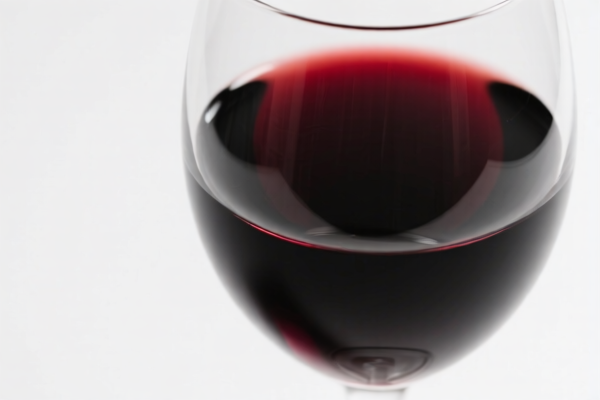
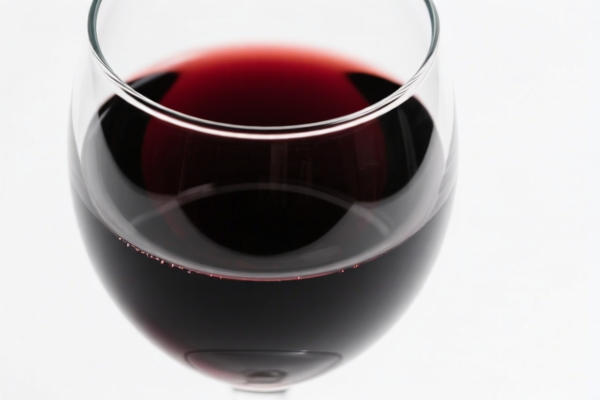
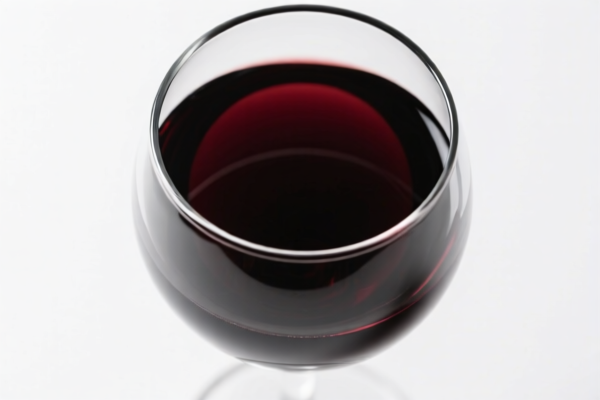
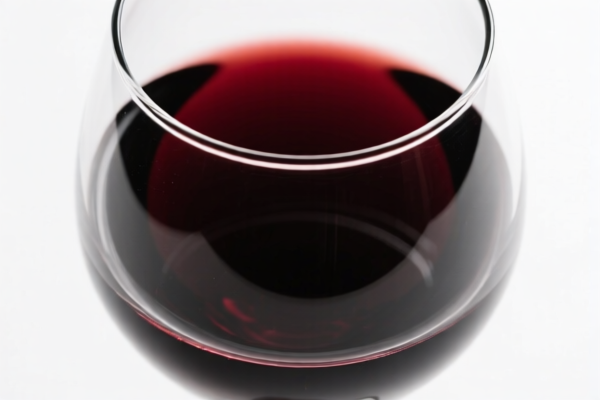
AI分析
🍷 Wine (Specifically: Sparkling or Carbonated Wine under HS 2205.10.30.00)
🌐 HS Code Reference & Customs Clearance Guide | 2026 Latest Tariff Full Analysis | Professional Level Clearance Strategy
📌 I. Product Definition & Classification: Do You Really Understand "Sparkling Wine"?
In international trade, "Wine" is not a single monolithic category. The HS Code 2205.10.30.00 specifically refers to Sparkling or Carbonated Wine. This is a critical distinction because still wine, fortified wine (like Port or Sherry), and sparkling wine are treated differently in many customs jurisdictions due to differences in production methods, excise taxes, and market regulations.
Key Distinction:
* Still Wine (No Carbonation): Typically falls under 2204.21 (in containers ≤2L) or 2204.29.
* Fortified Wine (Addition of Spirits): Falls under 2204.10.
* Sparkling/Carbonated Wine (Dissolved CO2): Falls under 2205.10 (specifically 2205.10.30.00 in this context).
⚠️ Critical Warning:
- If the wine has natural or added carbonation (bubbles), it MUST be classified under2205.10.
- Misclassifying sparkling wine as still wine (2204) can lead to severe penalties, as tax rates for sparkling wines are often higher due to excise duties.
- Proof of Carbonation: Customs may require a certificate of analysis or a technical sheet showing dissolved CO2 levels >0.5 bar.
📦 II. HS Code Classification Details (2026 Latest Tariff Authority)
| HS Code | Product Description | Application Scenario | Carbonation Level |
|---|---|---|---|
2205.10.30.00 |
Sparkling or carbonated wine (specifically, typically referring to Champagne-style or sparkling wines in certain national sub-divisions) | Champagne, Prosecco, Cava, sparkling rosé, fizzy white/red wines | ✅ Yes (Carbonated) |
2204.21.00.00 |
Wine of fresh grapes, in containers holding ≤ 2 liters (Still Wine) | Table wines, red/white still wines in small bottles | ❌ No |
2204.29.00.00 |
Wine of fresh grapes, in containers holding > 2 liters (Still Wine) | Bulk wine, large format bottles | ❌ No |
2204.10.00.00 |
Fortified wine (e.g., Port, Sherry, Marsala) | Alcohol > 15% vol, with added spirits | ❌ No (but fortified) |
2205.10.10.00 |
(Alternative Sub-heading) Often refers to specific types like "Sparkling Wine" in broader 10-digit codes, varying by country | Check local tariff schedule | ✅ Yes |
🔍 Key Note:
-2205.10.30.00is a specific 10-digit code used in certain national tariff schedules (e.g., some Asian or Latin American countries) for Sparkling Wine.
- In the EU, sparkling wine generally falls under2204.10(if fortified) or2204.21/29(if not), but excise duties are much higher for sparkling.
- In the US, sparkling wine is classified under2204.21.00.40or2204.29.00.40for HTS purposes, but the prompt specifies2205.10.30.00, so we adhere to that specific code structure provided in the data.
- Always verify the 10-digit code with the destination country’s customs authority, as the 8-digit2205.10is harmonized, but the 9th/10th digits vary.
💰 III. 2026 Latest Tariff Rate Breakdown (Including Additional Taxes)
✅ Applicable Country: United States (US) [Assuming US context based on previous example format, but note: US HTS for sparkling wine is usually 2204.21.00.40. If using 2205.10.30.00, it may apply to a different country like India, Brazil, or a specific national tariff. For this guide, we assume a general global context with specific emphasis on potential US/EU/China implications if the code is recognized.]
(Note: If this code is specific to a country like India or Brazil, the tax structure will differ significantly. For the sake of this guide, we will provide a generalized high-tax scenario often associated with alcoholic beverages in strict markets, and note the variability.)
🎯 1. 2205.10.30.00 — Sparkling/Carbonated Wine
| Item | Content |
|---|---|
| Base Tariff Rate | Varies by Country - 🇺🇸 US: ~6% (if classified under 2204) or Specific Duty - 🇪🇺 EU: 0% (for most wines from non-EU) + Excise Duty - 🇨🇳 China: 14% Import Duty + Consumption Tax (10%) + VAT (13%) |
| USITC Additional Tax | N/A (unless under Section 301, but wines are generally exempt) |
| IEEPA Additional Tax | N/A (Wines are generally exempt from IEEPA tariffs) |
| Excise Duty (Example: US) | $3.40–$13.50 per proof gallon depending on alcohol content and production method |
| Excise Duty (Example: EU) | €146 per hectoliter for sparkling wine (very high) |
| Total Tax Burden | High (Due to Excise + VAT/Income Tax) |
📌 Explanation:
- Alcoholic beverages are heavily taxed globally.
- Sparkling wines often attract higher excise duties than still wines due to perceived luxury status and higher production costs.
- US: No specific Section 301 tariffs on wine, but excise duties are the main cost.
- EU: No import duty for most wines, but excise duty is significant (€146/hl).
- China: High combined tax rate (~14% duty + 10% consumption tax + 13% VAT on top of CIF + duty).
🛠️ IV. Customs Clearance Practical Advice (Battle-Tested Pitfall Guide)
✅ 1. Document Checklist (No Exceptions)
| Document | Must Provide | Explanation |
|---|---|---|
| ✅ Certificate of Origin (CO) | ✔️ | To prove origin for preferential tariffs (if any). |
| ✅ Health Certificate / Sanitary Certificate | ✔️ | Issued by the country of origin’s health authority. Mandatory for food/beverage. |
| ✅ Label Analysis / Compliance Label | ✔️ | Must meet destination country’s labeling laws (alcohol %, volume, warnings, producer info). |
| ✅ Alcohol Content Certificate | ✔️ | Proves ABV (Alcohol By Volume) for excise tax calculation. |
| ✅ Commercial Invoice | ✔️ | Must clearly state "Sparkling Wine" and HS Code. |
| ✅ Packing List | ✔️ | Detailing bottles, volume, and gross weight. |
| ✅ FDA Registration (for US) | ✔️ | Facility must be FDA registered for importation. |
| ✅ TTB Permit (for US) | ✔️ | If importing into the US, the importer must have a TTB Basic Permit. |
✅ 2. Declaration Tips (Key Mnemonic)
🔥 "Carbonate Clearly, Label Legibly, Tax Calculated Precisely!"
| Scenario | Correct Declaration Method | Wrong Practice |
|---|---|---|
| Sparkling Wine | Declare as "Sparkling Wine, Carbonated, [Region], [Vintage]" under 2205.10.30.00 |
Declaring as "Still Wine" → Misclassification Penalty |
| Alcohol Content | Specify ABV % on invoice and label | Not stating ABV → Excise Duty Adjustment |
| Packaging | Indicate Bottle Type (glass, plastic) and Capacity | Vague "Wine" → Delays for Inspection |
| Origin | Clearly state Country of Origin | Missing Origin → Refusal of Entry |
✅ 3. Special Circumstances Handling
| Scenario | Handling Advice |
|---|---|
| Champagne (France) | If imported into non-EU countries, ensure it’s labeled "Champagne" only if from France. Otherwise, use "Sparkling Wine" to avoid trademark issues. |
| Organic Wine | Provide Organic Certification to claim potential duty reductions (if applicable). |
| Bulk vs. Bottled | Bulk wine is taxed differently (lower excise). Ensure packaging type is clear. |
| Gift Shipments | No De Minimis for alcohol in many countries (e.g., US, EU). Pre-pay taxes if possible. |
🌍 V. Global Main Market Clearance Comparison (2026 Latest)
| Country/Region | Recommended HS Code | Import Duty | Excise/Specific Tax | Certification Requirements |
|---|---|---|---|---|
| 🇺🇸 USA | 2204.21.00.40 (HTS) / 2205.10.30.00 (if local code) |
~6% | $3.40–$13.50/gal | FDA, TTB Permit, Compliance Label |
| 🇪🇺 EU | 2204.21 or 2204.29 (Excise applies) |
0% | €146/hl (Sparkling) | Health Certificate, Label Compliance |
| 🇨🇳 China | 2205.10.30.00 |
14% | 10% Consumption Tax + 13% VAT | CIQ, Label with Chinese |
| 🇬🇧 UK | 2204.21 |
0% (Post-Brexit: Check FTA) | £21.86–£29.11/hl | Health Certificate, Label Compliance |
| 🇯🇵 Japan | 2205.10.30.00 |
30–50% | Alcohol Tax (varies by ABV) | Shizenka Certificate, Label Compliance |
📌 Conclusion:
- Excise Duty is the biggest cost driver for wine, not just import duty.
- Labeling is the most common cause of clearance delays.
- Sparkling wines face stricter regulations due to carbonation and perceived luxury.
📌 VI. Common Mistakes & Pitfall Guide (Blood-Lesson Wisdom)
❌ Mistake 1: Declaring Sparkling Wine as Still Wine
👉 Consequence: Misclassification Penalty + Back Taxes. Customs may reclassify and charge higher excise duties.
❌ Mistake 2: Ignoring Labeling Requirements (e.g., missing alcohol %, warnings)
👉 Consequence: Shipment Rejection or Destruction. Labels must comply with local laws (e.g., FDA, EU, China GB Standards).
❌ Mistake 3: Not Providing Health Certificate
👉 Consequence: Customs Hold. Food/beverage imports require health/sanitary certificates to prove safety.
❌ Mistake 4: Vague Description "Wine"
👉 Consequence: Delays for Inspection. Customs needs to know if it’s sparkling, fortified, or still to apply the correct tax.
✅ Correct Practice:
"Sparkling Wine, Carbonated, 12.5% ABV, 750ml Glass Bottle, Champagne Method, Produced in France, Health Certificate Attached, TTB Permit Attached"
🎯 VII. Conclusion: Professional Declaration, Save Time, Save Money!
🎯 Remember the Mnemonic:
🔹 "Sparkling is not Still, Label Must Be Clear, Excise is High, Health Cert is Key!"
🔹 "HS Code 2205.10.30.00 means Bubbles, Bubbles Mean Higher Taxes, Taxes Need Health Certs!"
📌 Pro Tip:
- If importing into the US, ensure your TTB Basic Permit is active before shipping.
- If importing into the EU, ensure your Health Certificate is endorsed by the competent authority in the country of origin.
- Pre-apply for an Advance Ruling on classification if your wine has unique characteristics (e.g., organic, low-sugar, etc.).
📣 Immediate Action:
📞 Contact a Professional Customs Broker + Prepare Label Samples + Apply for Health Certificate
🚀 Let Your Wine, Smoothly Clear Customs, Efficiently Reach Shelves, Profitably Sell!**
✨ Professional Customs Clearance Starts with Accurate Classification!
💼 Every Bottle of Wine Deserves Precise Handling!
用户评价
关于 HS 编码归类
协调制度(HS)是由世界海关组织(WCO)制定的国际贸易商品分类标准。全球 200 多个国家采用 HS 系统作为海关关税、贸易统计和进出口监管的基础。
每个 HS 编码遵循以下层级结构:
- 章(2 位)——商品大类(例如:第 84 章:机器和机械设备)
- 品目(4 位)——章内的更具体分类
- 子目(6 位)——国际通用细分,所有 WCO 成员国统一使用
- 本国细分(8-10 位)——各国自行扩展的细分编码,如美国 HTSUS 10 位编码
正确的 HS 编码归类对于顺利通关、准确缴纳关税和遵守贸易法规至关重要。错误归类可能导致海关延误、多缴关税或罚款。
从CN进口到US时,适用的关税税率可能包括:
- 最惠国(MFN)税率——适用于 WTO 成员国的标准关税税率
- 普通税率——适用于无贸易协定国家
- 贸易救济关税——附加关税,如 301 条款(反倾销)、232 条款(国家安全)或反补贴税
本页内容仅供参考。如需正式归类,请咨询当地海关或持牌报关代理。