Wire Mesh Sieve
CN → US| HS编码 | 关税税率 | 原产国 | 目的国 | 文档 |
|---|---|---|---|---|
| 7314149000 | 85.0% | CN | US | 官方文档 |
| 8421290005 | 35.0% | CN | US | 官方文档 |
| 7326908688 | 87.9% | CN | US | 官方文档 |
| 7326190080 | 87.9% | CN | US | 官方文档 |
| 7314190100 | 85.0% | CN | US | 官方文档 |
| 8421290065 | 35.0% | CN | US | 官方文档 |
商品图片


AI分析
🕸️ Wire Mesh Sieve (Metal Filter Screen)
🌐 HS Code Reference & Customs Clearance Guide | 2024-2026 Latest Tariff Analysis | Professional Clearance Strategy
📌 I. Product Definition & Classification: What Exactly is a "Wire Mesh Sieve"?
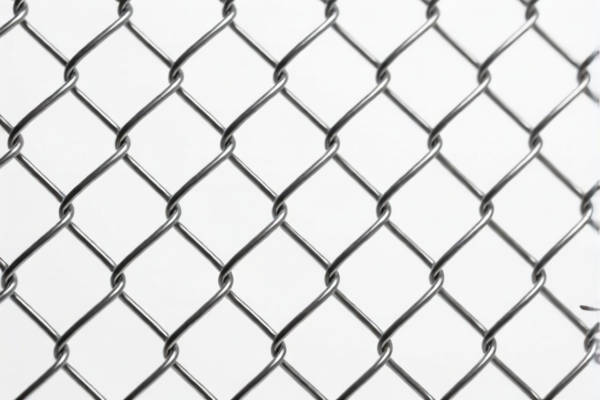
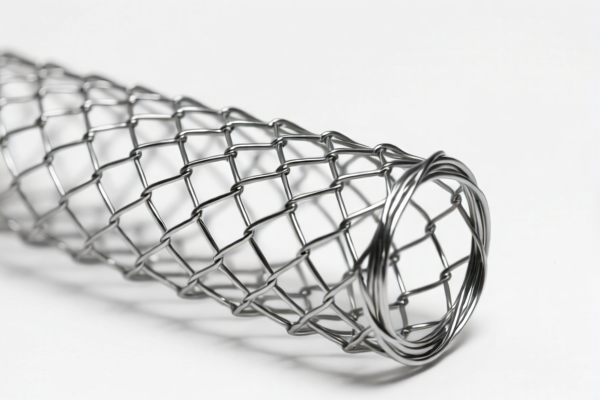
A Wire Mesh Sieve (often referred to as a Metal Filter Screen) is an industrial mesh used for particle size separation, filtration of liquids/gases, or screening of solid materials. It is primarily made of stainless steel, iron, or other metal alloys.
In international trade, classification depends heavily on: 1. Material: Stainless steel vs. Iron/Steel. 2. Form: Is it a raw mesh, a finished sieve with a frame, or a mechanical component? 3. Function: Is it used as a general-purpose screen (Chapter 73) or as part of a specific filtration machinery (Chapter 84)?
⚠️ Key Distinction:
- If it is a standalone mesh/screen made of metal wire, it typically falls under Chapter 73 (Articles of Iron or Steel).
- If it is specifically designed as a mechanical filtration unit or a component of a larger filtering machine, it may fall under Chapter 84 (Machinery and Mechanical Appliances).
- Crucial: Misclassification leads to massive tax discrepancies due to recent trade policies (Section 301, Section 232, etc.).
📦 II. HS Code Classification Details (Latest Tariff Rules)
| HS Code | Product Description | Applicability Scenario | Material/Type |
|---|---|---|---|
7314.14.90.00 |
Metal filters of wire cloth or of expanded metal; plates, grill, rails | Stainless steel wire mesh screens; high-quality filtration mesh | ✅ Stainless Steel |
8421.29.00.05 |
Machinery for filtering or purifying liquids or gases; Other | Filter screens used as part of a mechanical filtration system | ✅ Mechanical Filter Component |
7326.90.86.88 |
Other articles of iron or steel; Other | Iron/Steel wire mesh not specified elsewhere; generic metal screens | ✅ Iron/Steel (Generic) |
7326.19.00.80 |
Other articles of iron or steel; Other | Steel wire mesh in general form; "catch-all" for steel meshes | ✅ Steel (General) |
7314.19.01.00 |
Metal filters; Other (including woven wire cloth) | Woven wire mesh sieves (non-stainless or unspecified) | ✅ Metal (Woven) |
8421.29.00.65 |
Machinery for filtering or purifying liquids or gases; Other | Liquid filtration screens (specific application) | ✅ Liquid Filter |
🔍 Key Reminder:
- Chapter 73 Codes are generally for the material itself (the mesh/screen).
- Chapter 84 Codes are for the functional machine/component (filtering equipment).
- Tax Impact: The difference between Chapter 73 and Chapter 84 can result in a 50% tariff difference due to additional trade measures!
💰 III. 2024-2026 Tariff Rate Detailed Breakdown (Including Surcharges)
✅ Applicable Country: USA (US)
✅ Origin: China (CN)
✅ Effective Time: Current Trade Policies (Section 301, Section 232, etc.)
🎯 1. 7314.14.90.00 —— Stainless Steel Wire Mesh Filter
| Item | Content |
|---|---|
| Base Duty | 0% |
| Section 301 Surcharge | +25% |
| Section 232 (Steel) Surcharge | +50% (Applicable to steel/aluminum products under certain interpretations) |
| Total Rate | 75% - 85% (Depending on specific steel classification) |
| Tax Calculation | CIF Value × 75%-85% |
| De Minimis Eligibility | ❌ NO (Not eligible for $800 de minimis exemption) |
| Legal Path | USITC:7314.14.90.00 → FOOTNOTE:232 + FOOTNOTE:301 |
📌 Explanation:
- Stainless steel wire meshes often fall under Section 232 (National Security - Steel/Aluminum), triggering an additional 50% duty on top of standard rates.
- Combined with Section 301 (China-specific) at 25%, the total burden is extremely high.
- Total Tax: Up to 85% if both surcharges apply.
🎯 2. 8421.29.00.05 / 8421.29.00.65 —— Mechanical Filtration Equipment/Component
| Item | Content |
|---|---|
| Base Duty | 0% |
| Section 301 Surcharge | +25% |
| Section 232 Surcharge | None (Machinery is generally not subject to steel-specific tariffs) |
| Total Rate | 25% - 35% |
| Tax Calculation | CIF Value × 25%-35% |
| De Minimis Eligibility | ❌ NO |
| Legal Path | USITC:8421.29.00.05 → FOOTNOTE:301 |
📌 Explanation:
- Classified as machinery/equipment (Chapter 84), these items are not subject to Section 232 steel tariffs.
- Only Section 301 (25%) applies.
- Significant Savings: This route can reduce taxes by ~50% compared to Chapter 73 classifications.
- Caution: Must prove the item is a "filtering machine component" or "filtration equipment," not just a raw mesh.
🎯 3. 7326.90.86.88 / 7326.19.00.80 —— Iron/Steel Wire Mesh (Generic)
| Item | Content |
|---|---|
| Base Duty | 2.9% |
| Section 301 Surcharge | +25% |
| Section 232 (Steel) Surcharge | +50% |
| Total Rate | 77.9% - 87.9% |
| Tax Calculation | CIF Value × ~88% |
| De Minimis Eligibility | ❌ NO |
| Legal Path | USITC:7326.xxxx → FOOTNOTE:232 + FOOTNOTE:301 |
📌 Explanation:
- Iron or generic steel meshes are strictly subject to Section 232 (Steel tariffs).
- Base duty (2.9%) + Sec 301 (25%) + Sec 232 (50%) = ~78-88%.
- Highest Tax Bracket: Avoid this classification if possible unless the product is strictly generic steel mesh with no alternative.
🎯 4. 7314.19.01.00 —— Other Metal Filters (Woven Wire Cloth)
| Item | Content |
|---|---|
| Base Duty | 0% |
| Section 301 Surcharge | +25% |
| Section 232 (Steel) Surcharge | +50% |
| Total Rate | 75% - 85% |
| Tax Calculation | CIF Value × 75%-85% |
| De Minimis Eligibility | ❌ NO |
| Legal Path | USITC:7314.19.01.00 → FOOTNOTE:232 + FOOTNOTE:301 |
📌 Explanation:
- Similar to7314.14.90.00, this code attracts Section 232 steel tariffs if deemed steel-based.
- Total Tax: Up to 85%.
🛠️ IV. Customs Clearance Practical Advice (Avoid Pitfalls)
✅ 1. Documentation Checklist (Essential)
| Document | Required | Notes |
|---|---|---|
| ✅ Product Specification Sheet | ✔️ | Detail material (e.g., 304 SS, Carbon Steel), mesh size, diameter, tensile strength. |
| ✅ Technical Diagrams | ✔️ | Show if it’s a standalone mesh or part of a machine. |
| ✅ Photos (Labeled) | ✔️ | Clear images of the mesh, frame (if any), and labels. |
| ✅ Commercial Invoice | ✔️ | Must clearly state: "Metal Wire Mesh Sieve" or "Filtration Filter Element". Avoid vague terms like "Screen". |
| ✅ Bill of Lading | ✔️ | Ensure consistent description with invoice. |
| ✅ Country of Origin Certificate | ✔️ | Essential for verifying China origin (triggers 301/232). |
✅ 2. Declaration Tips (Crucial for Tax Optimization)
🔥 "Material Defines Chapter 73, Function Defines Chapter 84!"
| Scenario | Recommended HS Code | Reason |
|---|---|---|
| Stainless Steel Mesh Roll/Sieve | 7314.14.90.00 |
Classic wire cloth, but high tax (Sec 232 + 301). |
| Steel Wire Mesh (Iron/Carbon) | 7326.90.86.88 |
Generic steel article, very high tax (Sec 232 + 301). |
| Filter Element for a Machine | 8421.29.00.05 |
Best for Cost Savings! Only 25% Sec 301. Must be described as a "filtering component." |
| Liquid Filtration Screen | 8421.29.00.65 |
Specific for liquid filtration, avoids steel tariffs. |
📌 Strategic Advice:
- If your product is a replaceable filter element for a machine, always try to classify under Chapter 84 (8421.29.00.05or8421.29.00.65).
- Justification: Provide technical manuals showing it’s part of a filtration system, not just a raw mesh.
- Tax Savings: Can reduce total duty from ~85% to 25-35%.
✅ 3. Special Cases
| Scenario | Handling Advice |
|---|---|
| OEM Custom Mesh | Provide customer design files. If it’s a specific filter part, argue for Chapter 84. |
| Mixed Materials | If frame is plastic but mesh is steel, consult customs. The mesh material often dictates classification. |
| Small Quantity Samples | Still subject to full tariffs! Do not assume small shipments avoid Section 301/232. De minimis ($800) does NOT apply to these codes. |
| Transshipment | Warning: Do not reroute through Vietnam/Mexico without substantial transformation. Customs tracks steel origin strictly. |
🌍 V. Global Market Comparison (2024-2026)
| Country/Region | Recommended HS Code | Estimated Duty (China Origin) | Certifications | Notes |
|---|---|---|---|---|
| 🇺🇸 USA | 8421.29.00.05 |
25-35% | FCC (if electric part), RoHS | Avoid Chapter 73 if possible (Sec 232). |
| 🇺🇸 USA | 7314.14.90.00 |
75-85% | RoHS | High tariff due to Steel/Aluminum rules. |
| 🇨🇳 China | 7314.14.90.00 |
0-20% | CCC (if applicable) | Low import tax, but export from US is the issue. |
| 🇪🇺 EU | 7314.14.90 |
2-3% | CE, REACH | No Section 232 equivalent. Lower burden. |
| 🇬🇧 UK | 7314.14.90 |
2-3% | UKCA, REACH | Similar to EU. |
📌 Conclusion:
- USA is the highest-risk market due to layered tariffs (Sec 301 + Sec 232).
- Chapter 84 classification is the key to saving ~50% in duties in the US.
- EU/UK are much more favorable for steel mesh products.
📌 VI. Common Mistakes & Pitfalls (Lessons Learned)
❌ Mistake 1: Declaring a filter element as "Wire Mesh" (7314.14.90.00)
👉 Consequence: Pay ~85% tax instead of 25%.
👉 Solution: Emphasize "Filtration Component" in documentation.
❌ Mistake 2: Assuming De Minimis ($800) applies
👉 Consequence: Seizure of goods, penalties.
👉 Solution: All shipments of these HS codes are subject to full duties, regardless of value.
❌ Mistake 3: Using vague descriptions like "Screen" or "Mesh"
👉 Consequence: Customs detention, reclassification, delays.
👉 Solution: Use precise terms: "Stainless Steel Filter Screen, 200 Mesh, for Liquid Filtration."
❌ Mistake 4: Ignoring Section 232 for Steel Products
👉 Consequence: Unexpected 50% surcharge on steel-based meshes.
👉 Solution: Check if the product qualifies for Chapter 84 machinery exemption.
✅ Correct Declaration Example:
"Mechanical Filter Element, Part No. XYZ, for Use in Liquid Filtration System, Made of Stainless Steel, Model ABC, Certified RoHS"
🎯 VII. Conclusion: Professional Classification Saves Money!
🎯 Remember the Mantra:
🔹 "Function Over Material: Chapter 84 is Cheaper!"
🔹 "Steel Mesh? Expect 85%. Filter Part? Expect 25%."
🔹 "No De Minimis! All shipments taxed!"
📌 Pro Tip:
If your wire mesh sieve is a standard industrial component, consult a customs broker for an Advance Ruling (Pre-classification). This can lock in a favorable HS code and prevent surprise audits.
📣 Immediate Action:
📞 Engage a licensed customs broker.
📄 Provide technical specs proving filtration function.
🚀 Optimize your supply chain to handle high duties if Chapter 84 is not applicable.
✨ Precision in Classification, Profit in Your Pocket!
💼 Every Percent of Duty Saved is Pure Profit!
用户评价
关于 HS 编码归类
协调制度(HS)是由世界海关组织(WCO)制定的国际贸易商品分类标准。全球 200 多个国家采用 HS 系统作为海关关税、贸易统计和进出口监管的基础。
每个 HS 编码遵循以下层级结构:
- 章(2 位)——商品大类(例如:第 84 章:机器和机械设备)
- 品目(4 位)——章内的更具体分类
- 子目(6 位)——国际通用细分,所有 WCO 成员国统一使用
- 本国细分(8-10 位)——各国自行扩展的细分编码,如美国 HTSUS 10 位编码
正确的 HS 编码归类对于顺利通关、准确缴纳关税和遵守贸易法规至关重要。错误归类可能导致海关延误、多缴关税或罚款。
从CN进口到US时,适用的关税税率可能包括:
- 最惠国(MFN)税率——适用于 WTO 成员国的标准关税税率
- 普通税率——适用于无贸易协定国家
- 贸易救济关税——附加关税,如 301 条款(反倾销)、232 条款(国家安全)或反补贴税
本页内容仅供参考。如需正式归类,请咨询当地海关或持牌报关代理。