Wire Mesh Sieve
CN → US| HS Code | Tariff Rate | Origin | Destination | Doc |
|---|---|---|---|---|
| 7314149000 | 85.0% | CN | US | Official Doc |
| 8421290005 | 35.0% | CN | US | Official Doc |
| 7326908688 | 87.9% | CN | US | Official Doc |
| 7326190080 | 87.9% | CN | US | Official Doc |
| 7314190100 | 85.0% | CN | US | Official Doc |
| 8421290065 | 35.0% | CN | US | Official Doc |
Product Images


AI Analysis
🕸️ Wire Mesh Sieve (Metal Filter Screen)
🌐 HS Code Reference & Customs Clearance Guide | 2024-2026 Latest Tariff Analysis | Professional Clearance Strategy
📌 I. Product Definition & Classification: What Exactly is a "Wire Mesh Sieve"?
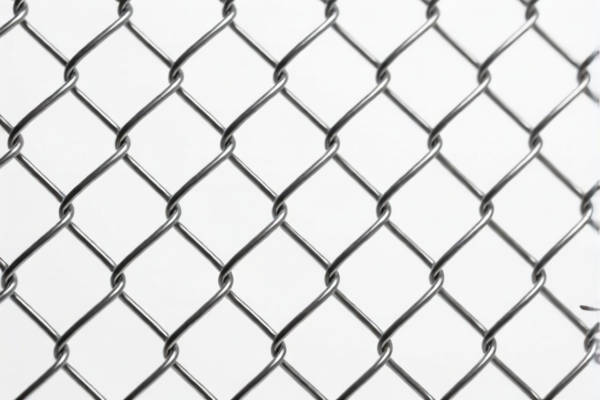
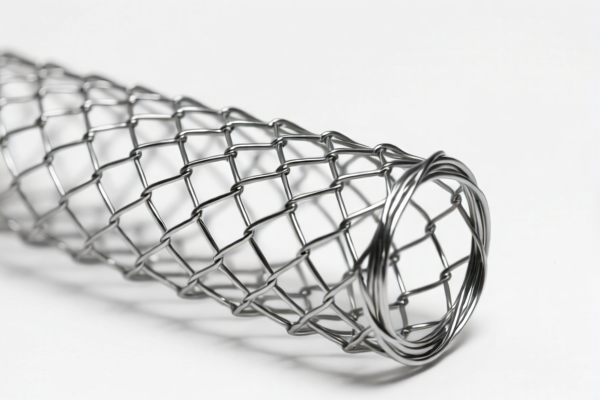
A Wire Mesh Sieve (often referred to as a Metal Filter Screen) is an industrial mesh used for particle size separation, filtration of liquids/gases, or screening of solid materials. It is primarily made of stainless steel, iron, or other metal alloys.
In international trade, classification depends heavily on: 1. Material: Stainless steel vs. Iron/Steel. 2. Form: Is it a raw mesh, a finished sieve with a frame, or a mechanical component? 3. Function: Is it used as a general-purpose screen (Chapter 73) or as part of a specific filtration machinery (Chapter 84)?
⚠️ Key Distinction:
- If it is a standalone mesh/screen made of metal wire, it typically falls under Chapter 73 (Articles of Iron or Steel).
- If it is specifically designed as a mechanical filtration unit or a component of a larger filtering machine, it may fall under Chapter 84 (Machinery and Mechanical Appliances).
- Crucial: Misclassification leads to massive tax discrepancies due to recent trade policies (Section 301, Section 232, etc.).
📦 II. HS Code Classification Details (Latest Tariff Rules)
| HS Code | Product Description | Applicability Scenario | Material/Type |
|---|---|---|---|
7314.14.90.00 |
Metal filters of wire cloth or of expanded metal; plates, grill, rails | Stainless steel wire mesh screens; high-quality filtration mesh | ✅ Stainless Steel |
8421.29.00.05 |
Machinery for filtering or purifying liquids or gases; Other | Filter screens used as part of a mechanical filtration system | ✅ Mechanical Filter Component |
7326.90.86.88 |
Other articles of iron or steel; Other | Iron/Steel wire mesh not specified elsewhere; generic metal screens | ✅ Iron/Steel (Generic) |
7326.19.00.80 |
Other articles of iron or steel; Other | Steel wire mesh in general form; "catch-all" for steel meshes | ✅ Steel (General) |
7314.19.01.00 |
Metal filters; Other (including woven wire cloth) | Woven wire mesh sieves (non-stainless or unspecified) | ✅ Metal (Woven) |
8421.29.00.65 |
Machinery for filtering or purifying liquids or gases; Other | Liquid filtration screens (specific application) | ✅ Liquid Filter |
🔍 Key Reminder:
- Chapter 73 Codes are generally for the material itself (the mesh/screen).
- Chapter 84 Codes are for the functional machine/component (filtering equipment).
- Tax Impact: The difference between Chapter 73 and Chapter 84 can result in a 50% tariff difference due to additional trade measures!
💰 III. 2024-2026 Tariff Rate Detailed Breakdown (Including Surcharges)
✅ Applicable Country: USA (US)
✅ Origin: China (CN)
✅ Effective Time: Current Trade Policies (Section 301, Section 232, etc.)
🎯 1. 7314.14.90.00 —— Stainless Steel Wire Mesh Filter
| Item | Content |
|---|---|
| Base Duty | 0% |
| Section 301 Surcharge | +25% |
| Section 232 (Steel) Surcharge | +50% (Applicable to steel/aluminum products under certain interpretations) |
| Total Rate | 75% - 85% (Depending on specific steel classification) |
| Tax Calculation | CIF Value × 75%-85% |
| De Minimis Eligibility | ❌ NO (Not eligible for $800 de minimis exemption) |
| Legal Path | USITC:7314.14.90.00 → FOOTNOTE:232 + FOOTNOTE:301 |
📌 Explanation:
- Stainless steel wire meshes often fall under Section 232 (National Security - Steel/Aluminum), triggering an additional 50% duty on top of standard rates.
- Combined with Section 301 (China-specific) at 25%, the total burden is extremely high.
- Total Tax: Up to 85% if both surcharges apply.
🎯 2. 8421.29.00.05 / 8421.29.00.65 —— Mechanical Filtration Equipment/Component
| Item | Content |
|---|---|
| Base Duty | 0% |
| Section 301 Surcharge | +25% |
| Section 232 Surcharge | None (Machinery is generally not subject to steel-specific tariffs) |
| Total Rate | 25% - 35% |
| Tax Calculation | CIF Value × 25%-35% |
| De Minimis Eligibility | ❌ NO |
| Legal Path | USITC:8421.29.00.05 → FOOTNOTE:301 |
📌 Explanation:
- Classified as machinery/equipment (Chapter 84), these items are not subject to Section 232 steel tariffs.
- Only Section 301 (25%) applies.
- Significant Savings: This route can reduce taxes by ~50% compared to Chapter 73 classifications.
- Caution: Must prove the item is a "filtering machine component" or "filtration equipment," not just a raw mesh.
🎯 3. 7326.90.86.88 / 7326.19.00.80 —— Iron/Steel Wire Mesh (Generic)
| Item | Content |
|---|---|
| Base Duty | 2.9% |
| Section 301 Surcharge | +25% |
| Section 232 (Steel) Surcharge | +50% |
| Total Rate | 77.9% - 87.9% |
| Tax Calculation | CIF Value × ~88% |
| De Minimis Eligibility | ❌ NO |
| Legal Path | USITC:7326.xxxx → FOOTNOTE:232 + FOOTNOTE:301 |
📌 Explanation:
- Iron or generic steel meshes are strictly subject to Section 232 (Steel tariffs).
- Base duty (2.9%) + Sec 301 (25%) + Sec 232 (50%) = ~78-88%.
- Highest Tax Bracket: Avoid this classification if possible unless the product is strictly generic steel mesh with no alternative.
🎯 4. 7314.19.01.00 —— Other Metal Filters (Woven Wire Cloth)
| Item | Content |
|---|---|
| Base Duty | 0% |
| Section 301 Surcharge | +25% |
| Section 232 (Steel) Surcharge | +50% |
| Total Rate | 75% - 85% |
| Tax Calculation | CIF Value × 75%-85% |
| De Minimis Eligibility | ❌ NO |
| Legal Path | USITC:7314.19.01.00 → FOOTNOTE:232 + FOOTNOTE:301 |
📌 Explanation:
- Similar to7314.14.90.00, this code attracts Section 232 steel tariffs if deemed steel-based.
- Total Tax: Up to 85%.
🛠️ IV. Customs Clearance Practical Advice (Avoid Pitfalls)
✅ 1. Documentation Checklist (Essential)
| Document | Required | Notes |
|---|---|---|
| ✅ Product Specification Sheet | ✔️ | Detail material (e.g., 304 SS, Carbon Steel), mesh size, diameter, tensile strength. |
| ✅ Technical Diagrams | ✔️ | Show if it’s a standalone mesh or part of a machine. |
| ✅ Photos (Labeled) | ✔️ | Clear images of the mesh, frame (if any), and labels. |
| ✅ Commercial Invoice | ✔️ | Must clearly state: "Metal Wire Mesh Sieve" or "Filtration Filter Element". Avoid vague terms like "Screen". |
| ✅ Bill of Lading | ✔️ | Ensure consistent description with invoice. |
| ✅ Country of Origin Certificate | ✔️ | Essential for verifying China origin (triggers 301/232). |
✅ 2. Declaration Tips (Crucial for Tax Optimization)
🔥 "Material Defines Chapter 73, Function Defines Chapter 84!"
| Scenario | Recommended HS Code | Reason |
|---|---|---|
| Stainless Steel Mesh Roll/Sieve | 7314.14.90.00 |
Classic wire cloth, but high tax (Sec 232 + 301). |
| Steel Wire Mesh (Iron/Carbon) | 7326.90.86.88 |
Generic steel article, very high tax (Sec 232 + 301). |
| Filter Element for a Machine | 8421.29.00.05 |
Best for Cost Savings! Only 25% Sec 301. Must be described as a "filtering component." |
| Liquid Filtration Screen | 8421.29.00.65 |
Specific for liquid filtration, avoids steel tariffs. |
📌 Strategic Advice:
- If your product is a replaceable filter element for a machine, always try to classify under Chapter 84 (8421.29.00.05or8421.29.00.65).
- Justification: Provide technical manuals showing it’s part of a filtration system, not just a raw mesh.
- Tax Savings: Can reduce total duty from ~85% to 25-35%.
✅ 3. Special Cases
| Scenario | Handling Advice |
|---|---|
| OEM Custom Mesh | Provide customer design files. If it’s a specific filter part, argue for Chapter 84. |
| Mixed Materials | If frame is plastic but mesh is steel, consult customs. The mesh material often dictates classification. |
| Small Quantity Samples | Still subject to full tariffs! Do not assume small shipments avoid Section 301/232. De minimis ($800) does NOT apply to these codes. |
| Transshipment | Warning: Do not reroute through Vietnam/Mexico without substantial transformation. Customs tracks steel origin strictly. |
🌍 V. Global Market Comparison (2024-2026)
| Country/Region | Recommended HS Code | Estimated Duty (China Origin) | Certifications | Notes |
|---|---|---|---|---|
| 🇺🇸 USA | 8421.29.00.05 |
25-35% | FCC (if electric part), RoHS | Avoid Chapter 73 if possible (Sec 232). |
| 🇺🇸 USA | 7314.14.90.00 |
75-85% | RoHS | High tariff due to Steel/Aluminum rules. |
| 🇨🇳 China | 7314.14.90.00 |
0-20% | CCC (if applicable) | Low import tax, but export from US is the issue. |
| 🇪🇺 EU | 7314.14.90 |
2-3% | CE, REACH | No Section 232 equivalent. Lower burden. |
| 🇬🇧 UK | 7314.14.90 |
2-3% | UKCA, REACH | Similar to EU. |
📌 Conclusion:
- USA is the highest-risk market due to layered tariffs (Sec 301 + Sec 232).
- Chapter 84 classification is the key to saving ~50% in duties in the US.
- EU/UK are much more favorable for steel mesh products.
📌 VI. Common Mistakes & Pitfalls (Lessons Learned)
❌ Mistake 1: Declaring a filter element as "Wire Mesh" (7314.14.90.00)
👉 Consequence: Pay ~85% tax instead of 25%.
👉 Solution: Emphasize "Filtration Component" in documentation.
❌ Mistake 2: Assuming De Minimis ($800) applies
👉 Consequence: Seizure of goods, penalties.
👉 Solution: All shipments of these HS codes are subject to full duties, regardless of value.
❌ Mistake 3: Using vague descriptions like "Screen" or "Mesh"
👉 Consequence: Customs detention, reclassification, delays.
👉 Solution: Use precise terms: "Stainless Steel Filter Screen, 200 Mesh, for Liquid Filtration."
❌ Mistake 4: Ignoring Section 232 for Steel Products
👉 Consequence: Unexpected 50% surcharge on steel-based meshes.
👉 Solution: Check if the product qualifies for Chapter 84 machinery exemption.
✅ Correct Declaration Example:
"Mechanical Filter Element, Part No. XYZ, for Use in Liquid Filtration System, Made of Stainless Steel, Model ABC, Certified RoHS"
🎯 VII. Conclusion: Professional Classification Saves Money!
🎯 Remember the Mantra:
🔹 "Function Over Material: Chapter 84 is Cheaper!"
🔹 "Steel Mesh? Expect 85%. Filter Part? Expect 25%."
🔹 "No De Minimis! All shipments taxed!"
📌 Pro Tip:
If your wire mesh sieve is a standard industrial component, consult a customs broker for an Advance Ruling (Pre-classification). This can lock in a favorable HS code and prevent surprise audits.
📣 Immediate Action:
📞 Engage a licensed customs broker.
📄 Provide technical specs proving filtration function.
🚀 Optimize your supply chain to handle high duties if Chapter 84 is not applicable.
✨ Precision in Classification, Profit in Your Pocket!
💼 Every Percent of Duty Saved is Pure Profit!
Customer Reviews
About HS Code Classification
The Harmonized System (HS) is an internationally standardized nomenclature developed by the World Customs Organization (WCO) to classify traded products. Over 200 countries use the HS system as the basis for customs tariffs, trade statistics, and import/export regulations.
Each HS code follows a hierarchical structure:
- Chapter (2 digits) — Broad category of goods (e.g., Chapter 84: Machinery and Mechanical Appliances)
- Heading (4 digits) — More specific grouping within the chapter
- Subheading (6 digits) — Internationally standardized breakdown, used by all WCO member countries
- National subdivisions (8-10 digits) — Country-specific extensions for further classification, such as US HTSUS 10-digit codes
Correct HS code classification is essential for smooth customs clearance, accurate duty payment, and compliance with trade regulations. Misclassification can lead to customs delays, overpayment of duties, or penalties.
When importing from CN to US, the applicable tariff rates may include:
- Most-Favored-Nation (MFN) rate — The standard duty rate applied to WTO members
- General rate — Applied to countries without trade agreements
- Trade remedy duties — Additional tariffs such as Section 301 (anti-dumping), Section 232 (national security), or countervailing duties
The information provided on this page is for reference purposes only. For official classification, please consult with your local customs authority or a licensed customs broker.