Wireless Synchronous Belt
CN → US| HS编码 | 关税税率 | 原产国 | 目的国 | 文档 |
|---|---|---|---|---|
| 8483901050 | 37.8% | CN | US | 官方文档 |
| 8483908080 | 37.8% | CN | US | 官方文档 |
| 4010359000 | 38.3% | CN | US | 官方文档 |
| 4010369000 | 38.3% | CN | US | 官方文档 |
| 5910001020 | 39.0% | CN | US | 官方文档 |
商品图片
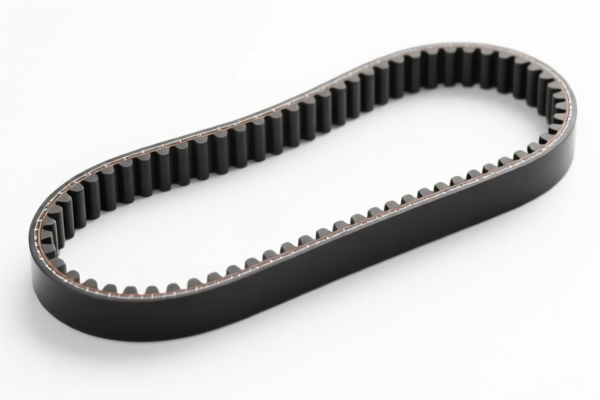
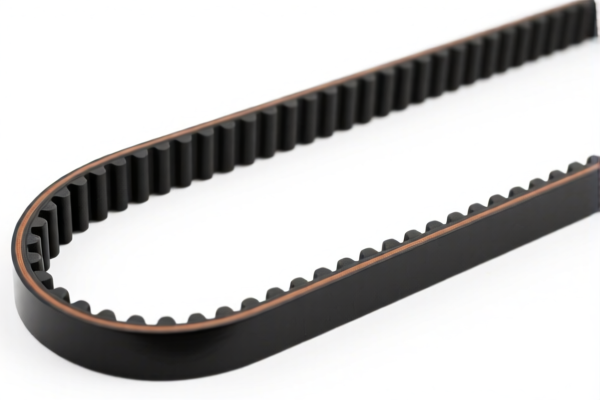
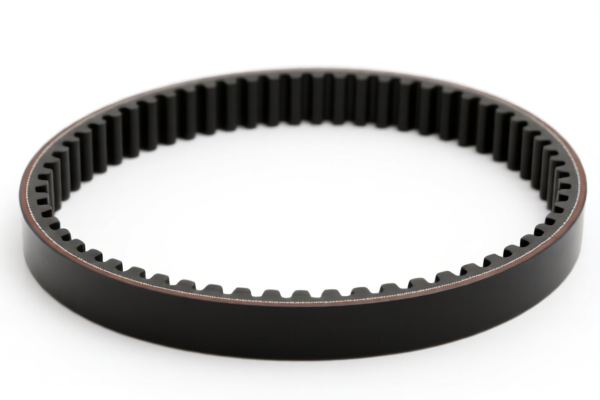
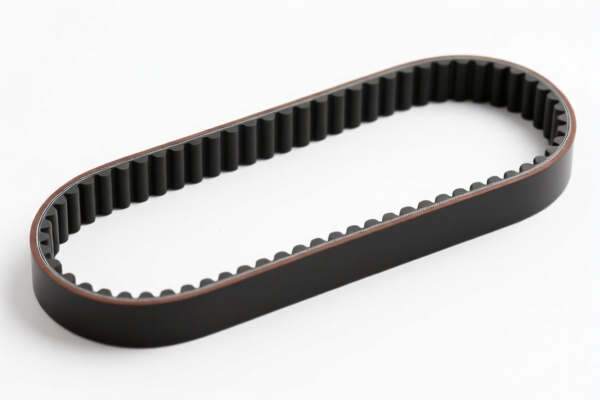
AI分析
🌀 Wireless Synchronous Belt? Wait... It’s a Timing Belt!
⚠️ Critical Clarification: The term "Wireless Synchronous Belt" is a logical contradiction.
- Belt = Physical, mechanical power transmission component.
- Wireless = No physical medium (e.g., radio waves).Conclusion: This product is almost certainly a Synchronous Belt (Timing Belt) used in machinery. The "Wireless" part is likely a marketing error, a typo for "Wide," or a misunderstanding of a product that controls wireless devices but is itself a physical belt.
For customs clearance purposes, we treat this as a standard Mechanical Transmission Belt.
📦 HS Code Classification Deep Dive (Based on Provided Data)
Since the product is a Synchronous Belt (also known as a Timing Belt), it falls into specific categories based on its material and function. The data provided highlights five potential HS Codes, ranging from mechanical components to rubber/textile goods.
🌐 HS Code Reference & Clearance Guide | 2026 Latest Tariff Analysis | Professional Strategy
📌 1. Product Definition & Classification
A Synchronous Belt is a toothed belt designed to transmit motion and power between shafts without slippage. It consists of a flexible backbone with teeth on the inner surface.
Key Classification Factors: 1. Material: Is it rubber-based? Textile-based? Metal-based? 2. Function: Is it a general transmission element or part of a specific machine? 3. Construction: Is it molded rubber or woven fabric with rubber coating?
📊 2. HS Code Breakdown & Tax Analysis (2026 Data)
Based on the provided JSON data, here are the five potential classifications. Note: All listed HS Codes attract high additional tariffs (Total ~37.8% - 39.0%) for US imports from China.
🎯 Option A: Mechanical Transmission Components (Non-Rubber/Metal Parts)
| HS Code | Summary & Rationale | Total Tax | Tax Detail Breakdown |
|---|---|---|---|
| 8483.90.10.50 | Classification: Other transmission components. Rationale: Fits the category of mechanical transmission parts. No material conflict if the belt is made of composite materials not primarily classified as rubber or textile. Risk: Lower base tariff (2.8%) but still high total due to add-ons. |
37.8% | - Base: 2.8% - Add-on (Sec 301): 25.0% - Add-on (Sec 122): 10.0% |
| 8483.90.80.80 | Classification: Other transmission components (Catch-all). Rationale: Fits into the "other" category for transmission devices and pulleys. Used when no specific subheading for belts exists in Chapter 84. Risk: Same high tax burden as above. |
37.8% | - Base: 2.8% - Add-on (Sec 301): 25.0% - Add-on (Sec 122): 10.0% |
💡 When to use 8483?
Use these codes if the belt contains significant metal components (e.g., steel cords) or if customs authorities classify it strictly as a mechanical part rather than a manufactured rubber/textile good.
🎯 Option B: Rubber-Based Belts (Most Common)
| HS Code | Summary & Rationale | Total Tax | Tax Detail Breakdown |
|---|---|---|---|
| 4010.35.90.00 | Classification: V-belts, flat belts, or toothed belts of vulcanized rubber. Rationale: Most synchronous belts are molded from rubber with fabric reinforcement. This is the most common classification for standard rubber timing belts. Risk: Slightly higher base tariff (3.3%) than 8483, but widely accepted for rubber goods. |
38.3% | - Base: 3.3% - Add-on (Sec 301): 25.0% - Add-on (Sec 122): 10.0% |
| 4010.36.90.00 | Classification: Other toothed belts of vulcanized rubber. Rationale: Similar to 4010.35 but may apply to different dimensions or specific sub-categories within rubber belts. No material conflict. Risk: Same tax structure as 4010.35. |
38.3% | - Base: 3.3% - Add-on (Sec 301): 25.0% - Add-on (Sec 122): 10.0% |
💡 When to use 4010?
Use these codes if the belt is predominantly rubber (vulcanized) with fabric or cord reinforcement. This is the standard for automotive and industrial timing belts.
🎯 Option C: Textile/Fiber-Based Belts (Industrial/Heavy Duty)
| HS Code | Summary & Rationale | Total Tax | Tax Detail Breakdown |
|---|---|---|---|
| 5910.00.10.20 | Classification: Transmission belts of textile material. Rationale: If the belt is made of woven fabric, canvas, or artificial fibers with a rubber or plastic coating, it may fall here. Risk: Highest base tariff (4.0%) among the options, leading to the highest total tax. |
39.0% | - Base: 4.0% - Add-on (Sec 301): 25.0% - Add-on (Sec 122): 10.0% |
💡 When to use 5910?
Use this if the belt is textile-dominated (e.g., heavy-duty conveyor belts with teeth, or belts made primarily of woven synthetic fibers rather than molded rubber).
💰 3. Tariff Structure Deep Dive (Why is it so high?)
All five HS Codes share a similar tax structure due to US Trade Policy. Here is the detailed breakdown:
✅ Applicable Country: United States (US)
✅ Origin: China (CN)
✅ Effective Date: November 10, 2025 (and subsequent imports)
| Tax Component | Rate | Legal Basis | Explanation |
|---|---|---|---|
| Base Tariff | 2.8% – 4.0% | HTSUS Chapter 84/40/59 | The standard Most Favored Nation (MFN) rate for the specific HS code. |
| Section 301 Tariff | +25.0% | USITC Footnote 9903.88.01 | Additional duty imposed on Chinese imports under the 2018 Trade Act. Applies to transmission parts and rubber goods. |
| Section 122 Tariff | +10.0% | IEEPA:9903.01.24/25 | Additional duty under the International Emergency Economic Powers Act, targeting specific Chinese goods. |
| TOTAL EFFECTIVE RATE | 37.8% – 39.0% | Sum of all above | This is the cost you MUST pay at the border. |
🚨 Crucial Note:
- De Minimis Exemption: ❌ NOT APPLICABLE. These goods cannot use the $800 de minimis rule.
- Voluntary Disclosure: If misclassified, you risk penalties + interest.
- Pre-Ruling: Highly recommended to apply for an Advance Ruling from CBP to confirm the correct HS Code.
🛠️ 4. Customs Clearance Practical Advice
✅ 1. Preparation Checklist
| Document | Required? | Purpose |
|---|---|---|
| Product Specifications | ✅ Mandatory | Detail: Material (Rubber/Fabric/Metal), Dimensions, Tooth Profile, Application. |
| Material Composition Statement | ✅ Mandatory | Declare % of rubber, fabric, steel, or other materials. Critical for distinguishing between 4010 (Rubber) and 5910 (Textile). |
| Photos (Clear & Detailed) | ✅ Mandatory | Show the belt teeth, cross-section (to reveal material layers), and any metal cords. |
| Commercial Invoice | ✅ Mandatory | Must clearly state: "Synchronous Belt" or "Timing Belt." Avoid vague terms like "Wireless Belt." |
| Packing List | ✅ Mandatory | List net/gross weight. Ensure no misleading "electronics" are included in the same package unless declared separately. |
✅ 2. Declaration Tips
| Scenario | Correct Declaration | Incorrect Declaration | Consequence |
|---|---|---|---|
| Standard Rubber Belt | "Rubber Synchronous Belt, Model XYZ" | "Wireless Sync Belt" | CBP may reject due to unclear description; delay in clearance. |
| Belt with Metal Cords | "Reinforced Rubber Transmission Belt" | "Mechanical Part" | If misclassified under 8483, may face scrutiny on material content. |
| Textile Belt | "Textile-Backed Rubber Belt" | "Rubber Belt" | Misclassification as 4010 instead of 5910 leads to underpayment (38.3% vs 39.0%). |
✅ 3. Special Handling
- "Wireless" Misnomer:
If the product is NOT a belt (e.g., it’s a wireless controller), you are declaring the wrong product. - If it’s a wireless device, it belongs in Chapter 85 (e.g., 8517.62).
- If it’s a belt, remove "Wireless" from the name.
-
Recommendation: Contact the supplier to clarify. If it’s a belt, the "Wireless" tag is likely a mistake. Declare as "Synchronous Timing Belt."
-
Material Verification:
- Rubber-Dominant → 4010.35/36 (Most Likely)
- Textile-Dominant → 5910.00.10
- Metal/Composite Mechanical Part → 8483.90
🌍 5. Global Market Comparison (2026)
| Market | Recommended HS Code | Estimated Total Duty (China Origin) | Notes |
|---|---|---|---|
| 🇺🇸 USA | 4010.35.90.00 or 8483.90.10.50 | 37.8% – 39.0% | High tariffs due to Section 301 & 122. |
| 🇨🇳 China | 4010.35.90.00 | ~5% | No additional trade war tariffs. |
| 🇪🇺 EU | 4010.35.00.00 | ~3.5% | No Section 301 tariffs. CE marking required. |
| 🇬🇧 UK | 4010.35.00.00 | ~3.5% | Post-Brexit rules apply. |
| 🇯🇵 Japan | 4010.35.00.00 | ~3.0% | JIS standards may apply. |
📌 Key Takeaway:
The USA is the most expensive market for importing synchronous belts from China due to add-on tariffs. Consider transshipment or duty mitigation strategies if volume is high.
📌 6. Common Mistakes & Pitfalls
❌ Mistake 1: Using "Wireless" in the declaration.
👉 Result: CBP flags the entry for review, causing delays.
✅ Fix: Use accurate technical names: "Synchronous Belt" or "Timing Belt."
❌ Mistake 2: Misclassifying Rubber Belts as Mechanical Parts (8483).
👉 Result: May be accepted, but if material is >50% rubber, customs may reclassify to 4010, leading to interest on underpaid duties.
✅ Fix: Provide a material composition sheet proving the primary character.
❌ Mistake 3: Ignoring the "Section 122" tariff.
👉 Result: Unexpected 10% additional duty at the border.
✅ Fix: Budget for the full 37.8%–39.0% tax rate.
🎯 7. Conclusion: Strategic Recommendation
- Clarify Product Name: Remove "Wireless." It is a Synchronous Belt.
- Choose the Right HS Code:
- If Rubber: 4010.35.90.00 (Most Common).
- If Textile: 5910.00.10.20.
- If Mechanical/Composite: 8483.90.10.50.
- Budget for Tax: Expect ~38% total duty for US imports.
- Document Rigorously: Provide material composition, photos, and clear descriptions.
- Seek Pre-Ruling: Apply to CBP for an Advance Ruling to lock in the correct HS Code and avoid post-import penalties.
🚀 Final Tip:
"Accurate Material Declaration is Key. Rubber = 4010, Textile = 5910, Mechanical = 8483. Pay the 38% tax, or face the consequences!"
✨ Professional Clearance, Start with Precision!
💼 Every cent saved in classification is a cent earned in profit!
用户评价
关于 HS 编码归类
协调制度(HS)是由世界海关组织(WCO)制定的国际贸易商品分类标准。全球 200 多个国家采用 HS 系统作为海关关税、贸易统计和进出口监管的基础。
每个 HS 编码遵循以下层级结构:
- 章(2 位)——商品大类(例如:第 84 章:机器和机械设备)
- 品目(4 位)——章内的更具体分类
- 子目(6 位)——国际通用细分,所有 WCO 成员国统一使用
- 本国细分(8-10 位)——各国自行扩展的细分编码,如美国 HTSUS 10 位编码
正确的 HS 编码归类对于顺利通关、准确缴纳关税和遵守贸易法规至关重要。错误归类可能导致海关延误、多缴关税或罚款。
从CN进口到US时,适用的关税税率可能包括:
- 最惠国(MFN)税率——适用于 WTO 成员国的标准关税税率
- 普通税率——适用于无贸易协定国家
- 贸易救济关税——附加关税,如 301 条款(反倾销)、232 条款(国家安全)或反补贴税
本页内容仅供参考。如需正式归类,请咨询当地海关或持牌报关代理。