Wood Pellet High Temperature Fuel Block
CN → US| HS编码 | 关税税率 | 原产国 | 目的国 | 文档 |
|---|---|---|---|---|
| 4402900100 | 35.0% | CN | US | 官方文档 |
| 3606903000 | 15.9% | CN | US | 官方文档 |
| 4401392000 | 35.0% | CN | US | 官方文档 |
| 3606908000 | 22.5% | CN | US | 官方文档 |
| 4401394210 | 35.0% | CN | US | 官方文档 |
商品图片
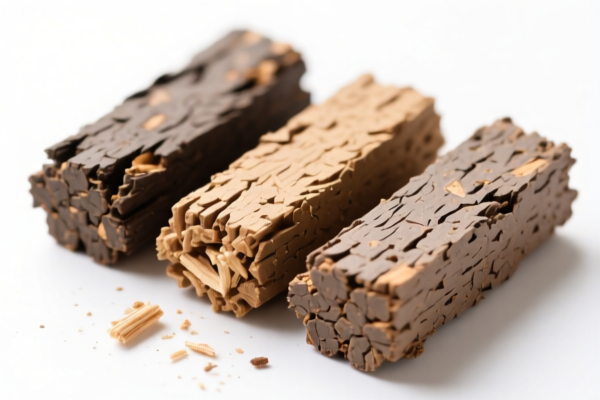
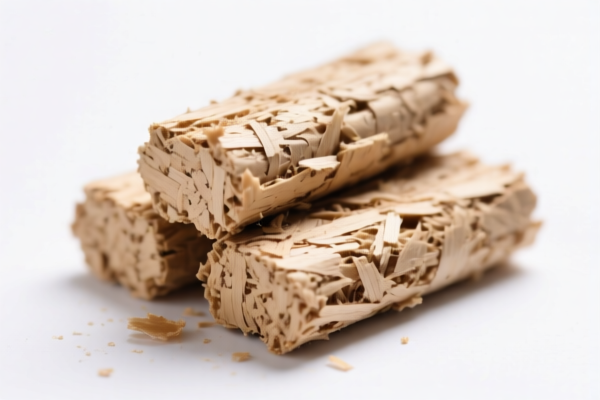
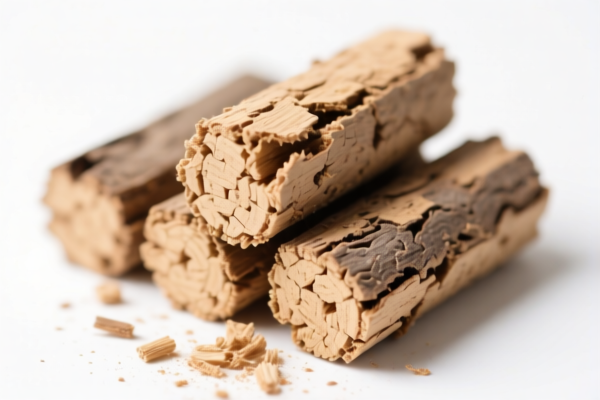
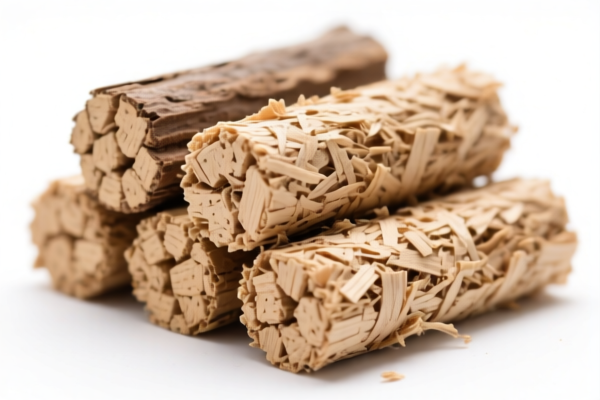
AI分析
🔥 Wood Pellet High Temperature Fuel Block (Wood Briquettes)
🌐 HS Code Reference & Customs Clearance Guide | 2026 Latest Tariff Analysis | Professional Clearance Strategy
📌 I. Product Definition & Classification: What Exactly is a "Wood Pellet High Temperature Fuel Block"?
"Wood Pellet High Temperature Fuel Block" (often referred to as wood briquettes, charcoal briquettes, or compressed wood fuel) is a solid biomass fuel formed by compressing wood chips, sawdust, or other organic matter. It is primarily used for heating, fire-starting, or industrial combustion.
In international trade, its classification depends heavily on: 1. Material Composition: Is it 100% wood? Or mixed with other binders/organic matter? 2. Processing Level: Is it merely compressed wood powder (Chapter 44)? Or is it a manufactured fuel product treated as an explosive/fuel precursor (Chapter 36)? 3. Physical Form: Is it loose granules, pellets, or solid blocks?
⚠️ Key Distinction Point:
- If it is compressed wood/sawdust without chemical treatment for ignition properties beyond basic compression → Likely Chapter 44 (Wood).
- If it is a pre-made fuel product specifically designed for ignition, potentially containing additives or classified under "fuel preparations" → Likely Chapter 36 (Explosives/Fuel Preparations).
- Misclassification Risk: Declaring a simple wood briquette as a "fuel preparation" (Ch 36) might trigger lower base tariffs but higher scrutiny. Declaring a chemically treated ignition block as "wood" (Ch 44) might face rejection for not meeting wood product definitions.
📦 II. HS Code Classification Details (2026 Latest Tariff Authority Cross-Reference)
Based on the provided data, here are the 5 possible HS Codes for "Wood Pellet High Temperature Fuel Block":
| HS Code | Product Description | Key Characteristics | Tariff Impact |
|---|---|---|---|
4402.90.01.00 |
Wood Charcoal/Briquettes: Sawdust fuel, long-lasting ignition block, wood material, pressed block form. | Material: Wood component. Form: Pressed fuel. | 🚨 35.0% (High Risk) |
3606.90.30.00 |
Fuel Preparations: Sawdust fuel block, for ignition, combustible biomass material. | Purpose: Ignition. Material: Combustible biomass. | ✅ 15.9% (Low Risk) |
4401.39.20.00 |
Wood Fuel: Sawdust fuel, ignition block form, wood material. | Form: Ignition block. Material: Sawdust. | 🚨 35.0% (High Risk) |
3606.90.80.00 |
Other Fuel Preparations: Organic combustible material, other combustible material products. | Material: Organic combustible. Category: Other. | ⚖️ 22.5% (Medium Risk) |
4401.39.42.10 |
Processed Wood Fuel: Sawdust fuel, processed form of wood fuel. | Material: Sawdust. Process: Fuel processing. | 🚨 35.0% (High Risk) |
🔍 Critical Insight:
- Chapter 44 Codes (4402...,4401...): These classify the product as a wood product. They are subject to 35.0% total tax due to specific trade measures.
- Chapter 36 Codes (3606...): These classify the product as a fuel preparation. They are subject to 15.9% or 22.5% total tax, depending on the specific sub-category.
- Why the Gap? The 19.1% difference (35% - 15.9%) is significant. However, Customs may reclassify a "fuel block" as "wood" if it lacks specific "fuel preparation" characteristics (e.g., chemical binders, specific ignition agents).
💰 III. 2026 Latest Tariff Rate Breakdown (Including Additional Taxes & Policy Surcharges)
✅ Applicable Country: United States (US)
✅ Country of Origin: China (CN)
✅ Effective Date: November 10, 2025 onwards (for subsequent imports)
🎯 1. 4402.90.01.00 / 4401.39.20.00 / 4401.39.42.10 —— Wood-Based Fuel Blocks
| Item | Content |
|---|---|
| Base Tariff | 0% (ad valorem) |
| USITC Additional Tariff | +25% (Section 301 Duties) |
| IEEPA Additional Tariff | +10% (China-specific, effective Nov 10, 2025) |
| Total Tax Rate | 35.0% |
| Tax Calculation | CIF Value × 35% |
| De Minimis Exemption | ❌ Not Available (deny_de_minimis) |
| Legal Basis Path | IEEPA:9903.01.25 → IEEPA:9903.01.24 → USITC:4402/4401 → FOOTNOTE:9903.88.01 |
📌 Explanation:
- Base Tariff is 0% for many wood products under normal MFN rates.
- However, these specific HS codes are subject to Section 301 (25%) and IEEPA (10%) surcharges.
- Result: A flat 35% duty is applied regardless of the base rate.
- Warning: This is a high-cost category. Small packages under $800 (de minimis) do not apply. All shipments are taxed.
🎯 2. 3606.90.30.00 —— Fuel Preparations for Ignition (Biological)
| Item | Content |
|---|---|
| Base Tariff | 5.9% (ad valorem) |
| USITC Additional Tariff | 0% (Exempt from Section 301) |
| IEEPA Additional Tariff | +10% (China-specific) |
| Total Tax Rate | 15.9% |
| Tax Calculation | CIF Value × 15.9% |
| De Minimis Exemption | ❌ Not Available (deny_de_minimis) |
| Legal Basis Path | IEEPA:9901.25 → IEEPA:9903.01.24 → USITC:3606.90.30.00 |
📌 Explanation:
- Lower Base Rate: 5.9% is significantly lower than the 0% base for wood when combined with the 25% surcharge. Wait, let's look closer:
- Wood: 0% + 25% + 10% = 35%
- Fuel Prep: 5.9% + 0% + 10% = 15.9%
- Savings: 19.1% lower total tax compared to Chapter 44 codes.
- Condition: The product must clearly be a "fuel preparation" (e.g., containing binding agents, specific ignition aids, or not just pure compressed wood).
🎯 3. 3606.90.80.00 —— Other Organic Combustible Materials
| Item | Content |
|---|---|
| Base Tariff | 5.0% (ad valorem) |
| USITC Additional Tariff | +7.5% (Partial Section 301 application) |
| IEEPA Additional Tariff | +10% (China-specific) |
| Total Tax Rate | 22.5% |
| Tax Calculation | CIF Value × 22.5% |
| De Minimis Exemption | ❌ Not Available (deny_de_minimis) |
| Legal Basis Path | IEEPA:9901.25 → IEEPA:9903.01.24 → USITC:3606.90.80.00 → FOOTNOTE:9903.88.01 |
📌 Explanation:
- Mid-Range Option: If the product is an "organic combustible material" but not specifically for "ignition" (Ch 3606.30) or is a different type of fuel prep, it falls here.
- Rate: 22.5% is higher than3606.90.30.00(15.9%) but lower than Chapter 44 codes (35.0%).
🛠️ IV. Customs Clearance Practical Advice (Battle-Tested Pitfall Guide)
✅ 1. Document Checklist (Mandatory)
| Document | Required | Explanation |
|---|---|---|
| ✅ Product Specification Sheet | ✔️ | Must detail: Material % (e.g., 100% wood, or wood + starch binder), density, moisture content, dimensions. |
| ✅ Composition Analysis | ✔️ | Critical for distinguishing between Ch 44 (pure wood) and Ch 36 (fuel prep). Include binder types. |
| ✅ Product Photos | ✔️ | Clear images of the block, packaging, and any labeling indicating "Fuel" or "Ignition Aid." |
| ✅ Commercial Invoice | ✔️ | Must accurately describe the product as "Wood Briquettes" or "Biological Fuel Blocks," not just "Wood." |
| ✅ Packing List | ✔️ | Total weight, gross weight, net weight. Avoid under-declaring. |
| ✅ Certificate of Origin | ✔️ | Required for IEEPA duty applicability. |
✅ 2. Declaration Strategy (Key Mantra)
🔥 "Define Material, Justify Purpose, Avoid Chapter 44 Trap!"
| Scenario | Correct Declaration | Wrong Approach | Consequence |
|---|---|---|---|
| Pure Wood Briquettes | 4401.39.20.00 or 4402.90.01.00 |
Declare as 3606.90.30.00 |
Customs may reject, reclassify, and charge 35% + penalties. |
| Wood + Starch Binder (Fuel Prep) | 3606.90.30.00 |
Declare as 4401.39.20.00 |
Pay 35% instead of 15.9%. Loss of 19.1% profit. |
| Ignition Blocks with Chemicals | 3606.90.30.00 or 3606.90.80.00 |
Declare as "Wood Fuel" | High risk of reclassification and audit. |
| Loose Wood Chips | 4401.10.00.00 |
Declare as "Briquettes" | Different HS, different tax. |
📌 Note:
- If your product is 100% compressed wood with no additives, you must use Chapter 44. Trying to force it into Chapter 36 will likely fail inspection.
- If you have added binders (starch, clay, etc.) or specific ignition aids, use Chapter 36 to save 19.1%.
✅ 3. Special Case Handling
| Situation | Handling Advice |
|---|---|
| OEM/Private Label | Provide a letter of authorization and spec sheet matching the invoice description. |
| Mixed Packaging | If wood briquettes are packed with lighterers or chemical ignition aids, the entire shipment may be classified as a fuel preparation (Ch 36). |
| Sample vs. Commercial | Even samples are subject to the same HS Code rules if declared as commercial goods. |
| Pre-Ruling | Strongly Recommended: Apply for an Advance Ruling from US Customs (CBP) to confirm the HS Code before shipping. Cost: $100-$500. Savings: Thousands. |
🌍 V. Global Market Comparison (2026 Latest)
| Country/Region | Recommended HS Code | Tariff (China Origin) | Certification | Remarks |
|---|---|---|---|---|
| 🇺🇸 USA | 3606.90.30.00 (if applicable) |
15.9% | None specific | If classified as wood, 35%. Avoid Ch 44 if possible. |
| 🇺🇸 USA | 4401.39.20.00 (Wood) |
35.0% | None | High tax due to Section 301. |
| 🇪🇺 EU | 4401.39.90 |
0% - 5% | CE (if applicable) | No additional US-style tariffs. |
| 🇨🇳 China | 4401.39.20.00 |
0% - 5% | N/A | Export from China usually has no duty. |
📌 Conclusion:
- The US market is the most critical due to the high 35% tariff on wood products.
- Strategy: If your product contains any binders or is specifically marketed as an "ignition aid," declare under Chapter 36 to save 19.1%.
- If it is pure wood, accept the 35% or look for tariff engineering options (e.g., shipping from a non-China country with a free trade agreement).
📌 VI. Common Mistakes & Pitfalls (Blood Lessons)
❌ Mistake 1: Declaring wood briquettes as "Wood Chips" (4401.10) to avoid higher taxes.
👉 Consequence: Customs will inspect and reclassify as "Briquettes" (4401.39), charging 35% + penalties for misdeclaration.
❌ Mistake 2: Using "Wood Fuel" as the product name without specifying material composition.
👉 Consequence: Customs may default to the highest risk code or require additional documentation, delaying clearance.
❌ Mistake 3: Ignoring IEEPA 10% surcharge.
👉 Consequence: Underpaying taxes. CBP will audit and demand back payments + interest.
❌ Mistake 4: Assuming de minimis ($800) applies.
👉 Consequence: All shipments are taxed. The "de minimis" exemption is explicitly denied for these HS codes.
✅ Correct Approach:
"Wood Briquettes, 100% Compressed Sawdust, 2kg each, for outdoor heating" →
4401.39.20.00(35%)
OR
"Biological Fuel Blocks, Wood Powder + Starch Binder, 2kg each, for fire-starting" →3606.90.30.00(15.9%)
🎯 VII. Conclusion: Professional Declaration, Save Costs!
🎯 Remember the Mantra:
🔹 "Wood Block, Check Binders: No Binder = 35%, Binder = 15.9%.
🔹 "De Minimis is Dead: Tax All."
🔹 "Pre-Ruling Saves Money: Get Your HS Code Right First!"
📌 Pro Tip:
If you have a significant shipment volume, consider:
1. Tariff Engineering: Add a small percentage of organic binder to qualify for Chapter 36.
2. Supply Chain Diversification: Source wood from Vietnam or Malaysia (if possible) to leverage FTA benefits (if applicable).
3. Advance Ruling: Invest $200 in a CBP Advance Ruling to secure the 15.9% rate if eligible.
📣 Immediate Action:
📞 Consult a licensed customs broker.
📄 Provide detailed product specs (material composition).
🚀 Optimize your tax burden from Day 1!
✨ Professional clearance starts with accurate classification!
💼 Every 1% of tax saved is pure profit!
用户评价
关于 HS 编码归类
协调制度(HS)是由世界海关组织(WCO)制定的国际贸易商品分类标准。全球 200 多个国家采用 HS 系统作为海关关税、贸易统计和进出口监管的基础。
每个 HS 编码遵循以下层级结构:
- 章(2 位)——商品大类(例如:第 84 章:机器和机械设备)
- 品目(4 位)——章内的更具体分类
- 子目(6 位)——国际通用细分,所有 WCO 成员国统一使用
- 本国细分(8-10 位)——各国自行扩展的细分编码,如美国 HTSUS 10 位编码
正确的 HS 编码归类对于顺利通关、准确缴纳关税和遵守贸易法规至关重要。错误归类可能导致海关延误、多缴关税或罚款。
从CN进口到US时,适用的关税税率可能包括:
- 最惠国(MFN)税率——适用于 WTO 成员国的标准关税税率
- 普通税率——适用于无贸易协定国家
- 贸易救济关税——附加关税,如 301 条款(反倾销)、232 条款(国家安全)或反补贴税
本页内容仅供参考。如需正式归类,请咨询当地海关或持牌报关代理。