Wood Pellet High Temperature Fuel Block
CN → US| HS Code | Tariff Rate | Origin | Destination | Doc |
|---|---|---|---|---|
| 4402900100 | 35.0% | CN | US | Official Doc |
| 3606903000 | 15.9% | CN | US | Official Doc |
| 4401392000 | 35.0% | CN | US | Official Doc |
| 3606908000 | 22.5% | CN | US | Official Doc |
| 4401394210 | 35.0% | CN | US | Official Doc |
Product Images
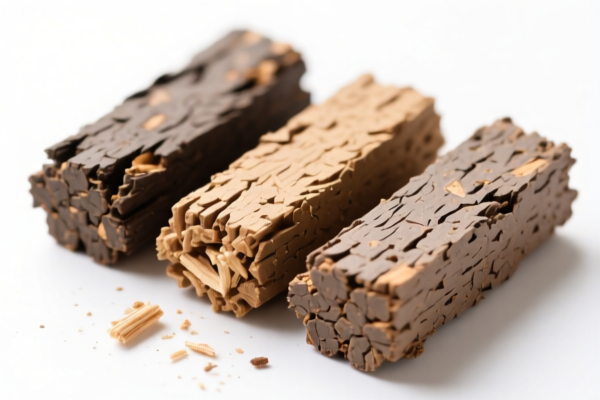
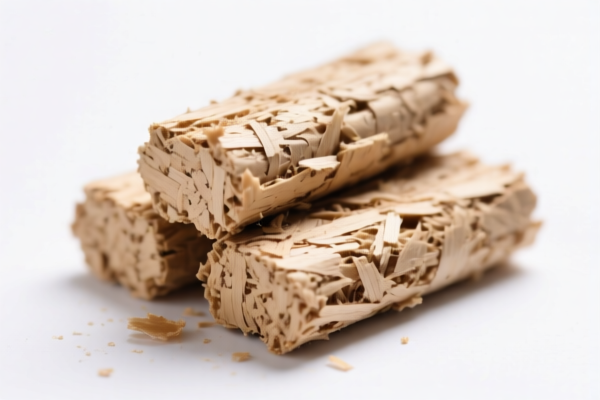
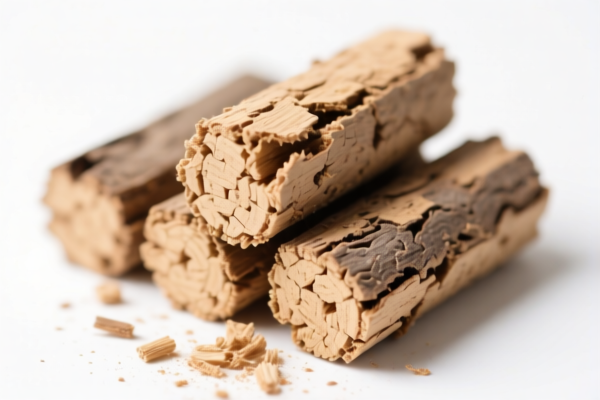
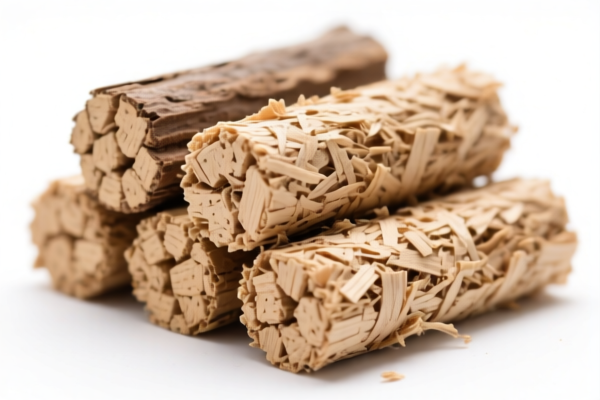
AI Analysis
🔥 Wood Pellet High Temperature Fuel Block (Wood Briquettes)
🌐 HS Code Reference & Customs Clearance Guide | 2026 Latest Tariff Analysis | Professional Clearance Strategy
📌 I. Product Definition & Classification: What Exactly is a "Wood Pellet High Temperature Fuel Block"?
"Wood Pellet High Temperature Fuel Block" (often referred to as wood briquettes, charcoal briquettes, or compressed wood fuel) is a solid biomass fuel formed by compressing wood chips, sawdust, or other organic matter. It is primarily used for heating, fire-starting, or industrial combustion.
In international trade, its classification depends heavily on: 1. Material Composition: Is it 100% wood? Or mixed with other binders/organic matter? 2. Processing Level: Is it merely compressed wood powder (Chapter 44)? Or is it a manufactured fuel product treated as an explosive/fuel precursor (Chapter 36)? 3. Physical Form: Is it loose granules, pellets, or solid blocks?
⚠️ Key Distinction Point:
- If it is compressed wood/sawdust without chemical treatment for ignition properties beyond basic compression → Likely Chapter 44 (Wood).
- If it is a pre-made fuel product specifically designed for ignition, potentially containing additives or classified under "fuel preparations" → Likely Chapter 36 (Explosives/Fuel Preparations).
- Misclassification Risk: Declaring a simple wood briquette as a "fuel preparation" (Ch 36) might trigger lower base tariffs but higher scrutiny. Declaring a chemically treated ignition block as "wood" (Ch 44) might face rejection for not meeting wood product definitions.
📦 II. HS Code Classification Details (2026 Latest Tariff Authority Cross-Reference)
Based on the provided data, here are the 5 possible HS Codes for "Wood Pellet High Temperature Fuel Block":
| HS Code | Product Description | Key Characteristics | Tariff Impact |
|---|---|---|---|
4402.90.01.00 |
Wood Charcoal/Briquettes: Sawdust fuel, long-lasting ignition block, wood material, pressed block form. | Material: Wood component. Form: Pressed fuel. | 🚨 35.0% (High Risk) |
3606.90.30.00 |
Fuel Preparations: Sawdust fuel block, for ignition, combustible biomass material. | Purpose: Ignition. Material: Combustible biomass. | ✅ 15.9% (Low Risk) |
4401.39.20.00 |
Wood Fuel: Sawdust fuel, ignition block form, wood material. | Form: Ignition block. Material: Sawdust. | 🚨 35.0% (High Risk) |
3606.90.80.00 |
Other Fuel Preparations: Organic combustible material, other combustible material products. | Material: Organic combustible. Category: Other. | ⚖️ 22.5% (Medium Risk) |
4401.39.42.10 |
Processed Wood Fuel: Sawdust fuel, processed form of wood fuel. | Material: Sawdust. Process: Fuel processing. | 🚨 35.0% (High Risk) |
🔍 Critical Insight:
- Chapter 44 Codes (4402...,4401...): These classify the product as a wood product. They are subject to 35.0% total tax due to specific trade measures.
- Chapter 36 Codes (3606...): These classify the product as a fuel preparation. They are subject to 15.9% or 22.5% total tax, depending on the specific sub-category.
- Why the Gap? The 19.1% difference (35% - 15.9%) is significant. However, Customs may reclassify a "fuel block" as "wood" if it lacks specific "fuel preparation" characteristics (e.g., chemical binders, specific ignition agents).
💰 III. 2026 Latest Tariff Rate Breakdown (Including Additional Taxes & Policy Surcharges)
✅ Applicable Country: United States (US)
✅ Country of Origin: China (CN)
✅ Effective Date: November 10, 2025 onwards (for subsequent imports)
🎯 1. 4402.90.01.00 / 4401.39.20.00 / 4401.39.42.10 —— Wood-Based Fuel Blocks
| Item | Content |
|---|---|
| Base Tariff | 0% (ad valorem) |
| USITC Additional Tariff | +25% (Section 301 Duties) |
| IEEPA Additional Tariff | +10% (China-specific, effective Nov 10, 2025) |
| Total Tax Rate | 35.0% |
| Tax Calculation | CIF Value × 35% |
| De Minimis Exemption | ❌ Not Available (deny_de_minimis) |
| Legal Basis Path | IEEPA:9903.01.25 → IEEPA:9903.01.24 → USITC:4402/4401 → FOOTNOTE:9903.88.01 |
📌 Explanation:
- Base Tariff is 0% for many wood products under normal MFN rates.
- However, these specific HS codes are subject to Section 301 (25%) and IEEPA (10%) surcharges.
- Result: A flat 35% duty is applied regardless of the base rate.
- Warning: This is a high-cost category. Small packages under $800 (de minimis) do not apply. All shipments are taxed.
🎯 2. 3606.90.30.00 —— Fuel Preparations for Ignition (Biological)
| Item | Content |
|---|---|
| Base Tariff | 5.9% (ad valorem) |
| USITC Additional Tariff | 0% (Exempt from Section 301) |
| IEEPA Additional Tariff | +10% (China-specific) |
| Total Tax Rate | 15.9% |
| Tax Calculation | CIF Value × 15.9% |
| De Minimis Exemption | ❌ Not Available (deny_de_minimis) |
| Legal Basis Path | IEEPA:9901.25 → IEEPA:9903.01.24 → USITC:3606.90.30.00 |
📌 Explanation:
- Lower Base Rate: 5.9% is significantly lower than the 0% base for wood when combined with the 25% surcharge. Wait, let's look closer:
- Wood: 0% + 25% + 10% = 35%
- Fuel Prep: 5.9% + 0% + 10% = 15.9%
- Savings: 19.1% lower total tax compared to Chapter 44 codes.
- Condition: The product must clearly be a "fuel preparation" (e.g., containing binding agents, specific ignition aids, or not just pure compressed wood).
🎯 3. 3606.90.80.00 —— Other Organic Combustible Materials
| Item | Content |
|---|---|
| Base Tariff | 5.0% (ad valorem) |
| USITC Additional Tariff | +7.5% (Partial Section 301 application) |
| IEEPA Additional Tariff | +10% (China-specific) |
| Total Tax Rate | 22.5% |
| Tax Calculation | CIF Value × 22.5% |
| De Minimis Exemption | ❌ Not Available (deny_de_minimis) |
| Legal Basis Path | IEEPA:9901.25 → IEEPA:9903.01.24 → USITC:3606.90.80.00 → FOOTNOTE:9903.88.01 |
📌 Explanation:
- Mid-Range Option: If the product is an "organic combustible material" but not specifically for "ignition" (Ch 3606.30) or is a different type of fuel prep, it falls here.
- Rate: 22.5% is higher than3606.90.30.00(15.9%) but lower than Chapter 44 codes (35.0%).
🛠️ IV. Customs Clearance Practical Advice (Battle-Tested Pitfall Guide)
✅ 1. Document Checklist (Mandatory)
| Document | Required | Explanation |
|---|---|---|
| ✅ Product Specification Sheet | ✔️ | Must detail: Material % (e.g., 100% wood, or wood + starch binder), density, moisture content, dimensions. |
| ✅ Composition Analysis | ✔️ | Critical for distinguishing between Ch 44 (pure wood) and Ch 36 (fuel prep). Include binder types. |
| ✅ Product Photos | ✔️ | Clear images of the block, packaging, and any labeling indicating "Fuel" or "Ignition Aid." |
| ✅ Commercial Invoice | ✔️ | Must accurately describe the product as "Wood Briquettes" or "Biological Fuel Blocks," not just "Wood." |
| ✅ Packing List | ✔️ | Total weight, gross weight, net weight. Avoid under-declaring. |
| ✅ Certificate of Origin | ✔️ | Required for IEEPA duty applicability. |
✅ 2. Declaration Strategy (Key Mantra)
🔥 "Define Material, Justify Purpose, Avoid Chapter 44 Trap!"
| Scenario | Correct Declaration | Wrong Approach | Consequence |
|---|---|---|---|
| Pure Wood Briquettes | 4401.39.20.00 or 4402.90.01.00 |
Declare as 3606.90.30.00 |
Customs may reject, reclassify, and charge 35% + penalties. |
| Wood + Starch Binder (Fuel Prep) | 3606.90.30.00 |
Declare as 4401.39.20.00 |
Pay 35% instead of 15.9%. Loss of 19.1% profit. |
| Ignition Blocks with Chemicals | 3606.90.30.00 or 3606.90.80.00 |
Declare as "Wood Fuel" | High risk of reclassification and audit. |
| Loose Wood Chips | 4401.10.00.00 |
Declare as "Briquettes" | Different HS, different tax. |
📌 Note:
- If your product is 100% compressed wood with no additives, you must use Chapter 44. Trying to force it into Chapter 36 will likely fail inspection.
- If you have added binders (starch, clay, etc.) or specific ignition aids, use Chapter 36 to save 19.1%.
✅ 3. Special Case Handling
| Situation | Handling Advice |
|---|---|
| OEM/Private Label | Provide a letter of authorization and spec sheet matching the invoice description. |
| Mixed Packaging | If wood briquettes are packed with lighterers or chemical ignition aids, the entire shipment may be classified as a fuel preparation (Ch 36). |
| Sample vs. Commercial | Even samples are subject to the same HS Code rules if declared as commercial goods. |
| Pre-Ruling | Strongly Recommended: Apply for an Advance Ruling from US Customs (CBP) to confirm the HS Code before shipping. Cost: $100-$500. Savings: Thousands. |
🌍 V. Global Market Comparison (2026 Latest)
| Country/Region | Recommended HS Code | Tariff (China Origin) | Certification | Remarks |
|---|---|---|---|---|
| 🇺🇸 USA | 3606.90.30.00 (if applicable) |
15.9% | None specific | If classified as wood, 35%. Avoid Ch 44 if possible. |
| 🇺🇸 USA | 4401.39.20.00 (Wood) |
35.0% | None | High tax due to Section 301. |
| 🇪🇺 EU | 4401.39.90 |
0% - 5% | CE (if applicable) | No additional US-style tariffs. |
| 🇨🇳 China | 4401.39.20.00 |
0% - 5% | N/A | Export from China usually has no duty. |
📌 Conclusion:
- The US market is the most critical due to the high 35% tariff on wood products.
- Strategy: If your product contains any binders or is specifically marketed as an "ignition aid," declare under Chapter 36 to save 19.1%.
- If it is pure wood, accept the 35% or look for tariff engineering options (e.g., shipping from a non-China country with a free trade agreement).
📌 VI. Common Mistakes & Pitfalls (Blood Lessons)
❌ Mistake 1: Declaring wood briquettes as "Wood Chips" (4401.10) to avoid higher taxes.
👉 Consequence: Customs will inspect and reclassify as "Briquettes" (4401.39), charging 35% + penalties for misdeclaration.
❌ Mistake 2: Using "Wood Fuel" as the product name without specifying material composition.
👉 Consequence: Customs may default to the highest risk code or require additional documentation, delaying clearance.
❌ Mistake 3: Ignoring IEEPA 10% surcharge.
👉 Consequence: Underpaying taxes. CBP will audit and demand back payments + interest.
❌ Mistake 4: Assuming de minimis ($800) applies.
👉 Consequence: All shipments are taxed. The "de minimis" exemption is explicitly denied for these HS codes.
✅ Correct Approach:
"Wood Briquettes, 100% Compressed Sawdust, 2kg each, for outdoor heating" →
4401.39.20.00(35%)
OR
"Biological Fuel Blocks, Wood Powder + Starch Binder, 2kg each, for fire-starting" →3606.90.30.00(15.9%)
🎯 VII. Conclusion: Professional Declaration, Save Costs!
🎯 Remember the Mantra:
🔹 "Wood Block, Check Binders: No Binder = 35%, Binder = 15.9%.
🔹 "De Minimis is Dead: Tax All."
🔹 "Pre-Ruling Saves Money: Get Your HS Code Right First!"
📌 Pro Tip:
If you have a significant shipment volume, consider:
1. Tariff Engineering: Add a small percentage of organic binder to qualify for Chapter 36.
2. Supply Chain Diversification: Source wood from Vietnam or Malaysia (if possible) to leverage FTA benefits (if applicable).
3. Advance Ruling: Invest $200 in a CBP Advance Ruling to secure the 15.9% rate if eligible.
📣 Immediate Action:
📞 Consult a licensed customs broker.
📄 Provide detailed product specs (material composition).
🚀 Optimize your tax burden from Day 1!
✨ Professional clearance starts with accurate classification!
💼 Every 1% of tax saved is pure profit!
Customer Reviews
About HS Code Classification
The Harmonized System (HS) is an internationally standardized nomenclature developed by the World Customs Organization (WCO) to classify traded products. Over 200 countries use the HS system as the basis for customs tariffs, trade statistics, and import/export regulations.
Each HS code follows a hierarchical structure:
- Chapter (2 digits) — Broad category of goods (e.g., Chapter 84: Machinery and Mechanical Appliances)
- Heading (4 digits) — More specific grouping within the chapter
- Subheading (6 digits) — Internationally standardized breakdown, used by all WCO member countries
- National subdivisions (8-10 digits) — Country-specific extensions for further classification, such as US HTSUS 10-digit codes
Correct HS code classification is essential for smooth customs clearance, accurate duty payment, and compliance with trade regulations. Misclassification can lead to customs delays, overpayment of duties, or penalties.
When importing from CN to US, the applicable tariff rates may include:
- Most-Favored-Nation (MFN) rate — The standard duty rate applied to WTO members
- General rate — Applied to countries without trade agreements
- Trade remedy duties — Additional tariffs such as Section 301 (anti-dumping), Section 232 (national security), or countervailing duties
The information provided on this page is for reference purposes only. For official classification, please consult with your local customs authority or a licensed customs broker.