Wood Sawdust Powder
CN → US| HS编码 | 关税税率 | 原产国 | 目的国 | 文档 |
|---|---|---|---|---|
| 4401394210 | 35.0% | CN | US | 官方文档 |
| 4405000000 | 38.2% | CN | US | 官方文档 |
| 4401310000 | 35.0% | CN | US | 官方文档 |
| 4401220000 | 35.0% | CN | US | 官方文档 |
| 4401210000 | 35.0% | CN | US | 官方文档 |
商品图片
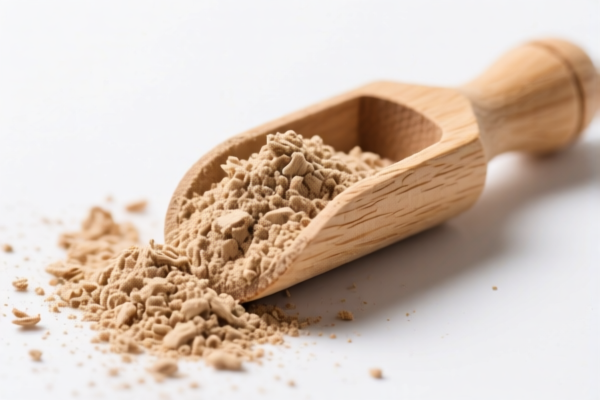
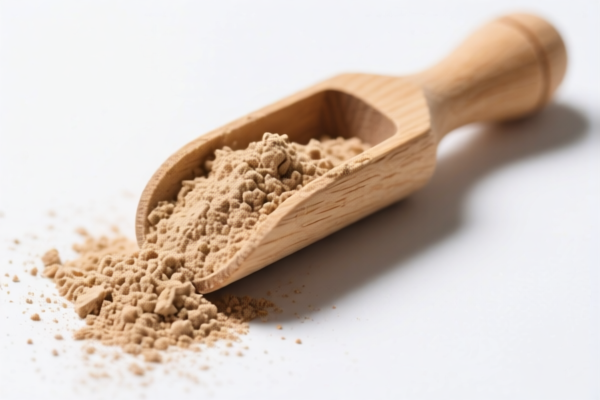
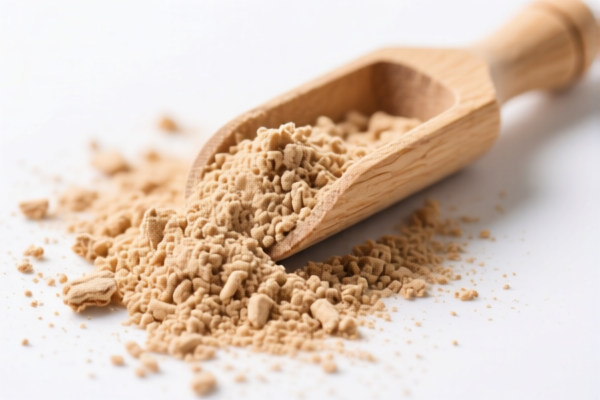
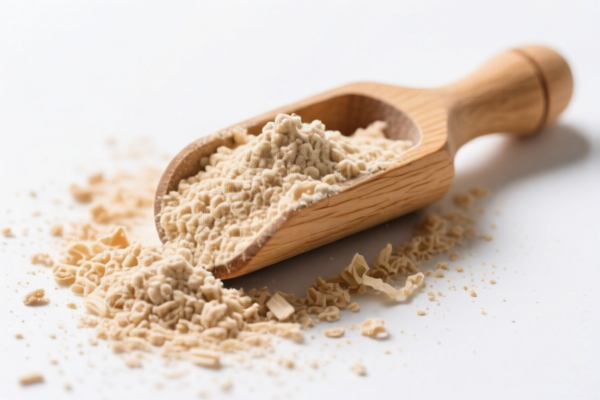
AI分析
🌲 Wood Sawdust Powder (Wood Pellets & Wood Waste)
🌐 HS Code Reference & Customs Clearance Guide | 2026 Latest Tariff Analysis | Professional Entry Strategies
📌 I. Product Definition & Classification: What Exactly Is "Wood Sawdust Powder"?
In international trade, "Wood Sawdust Powder" is not a single uniform product but a category often encompassing wood chips, sawdust, shavings, waste, and wood pellets. The correct HS Code classification depends strictly on the physical form (powder vs. pellet/chip) and processing level (raw waste vs. processed biomass fuel).
Key Distinction Criteria: * Form: Is it fine powder (sawdust/chips) or compressed cylinders (pellets)? * Composition: Is it pure wood (4401) or does it contain binders/additives that change its classification? * Usage: Primarily for fuel/biomass energy or for industrial processing?
⚠️ Critical Classification Trap:
- If it is pure wood waste/chips/powder used as fuel → Likely 4401 Series.
- If it is highly refined wood flour/powder used for adhesives/industrial use → Might fall under 4405 (though pellets are often argued as 4401).
- Pellets are specifically defined as compressed wood waste, often falling under 4401.39 or 4401.31.
📦 II. HS Code Classification Details (2026 Latest Tariff Authority Comparison)
Based on the provided data, here are the specific HS Codes, their summaries, and tax implications for US imports from China.
| HS Code | Summary of Classification Logic | Total Tax Rate | Tax Detail Breakdown |
|---|---|---|---|
| 4401.39.42.10 | Wood Pellets/Waste: Classified as wood waste form. Fits the definition of fuel wood, sawdust, or pellets in material and form. | 35.0% | Base: 0.0% Additional: 25.0% Sec 122: 10% |
| 4405.00.00.00 | Wood Flour/Powder: Material (wood) and form (granular/powder) fully match the definition of wood flour/wood fiber. | 38.2% | Base: 3.2% Additional: 25.0% Sec 122: 10% |
| 4401.31.00.00 | Wood Pellets: Fully meets the material and form requirements in the classification explanation for pellets. | 35.0% | Base: 0.0% Additional: 25.0% Sec 122: 10% |
| 4401.22.00.00 | Wood Chips/Shavings: Sawdust falls under wood chip/pellet form, matching the primary product attribute of fuel wood. | 35.0% | Base: 0.0% Additional: 25.0% Sec 122: 10% |
| 4401.21.00.00 | Wood Chips (Raw): Sawdust/raw material form matches the fuel wood category and material consistency. | 35.0% | Base: 0.0% Additional: 25.0% Sec 122: 10% |
🔍 Key Insight:
- 4405.00.00.00 has the highest total tax (38.2%) due to a non-zero base tariff (3.2%).
- The 4401 series codes have a 0% base tariff, resulting in a lower total tax (35.0%), driven entirely by additional tariffs.
- "Pellets" (4401.31/4401.39) and "Chips/Sawdust" (4401.21/4401.22) are grouped similarly in terms of tax rate (35%), but the description must match the physical product exactly to avoid customs rejection.
💰 III. 2026 Latest Tariff Rate Breakdown (Including Surcharges & Policy Add-ons)
✅ Applicable Country: United States (US)
✅ Country of Origin: China (CN)
✅ Effective Date: November 10, 2025 (and subsequent imports)
🎯 1. 4401.39.42.10 & 4401.31.00.00 & 4401.22.00.00 & 4401.21.00.00
(Wood Waste, Pellets, Chips, and Sawdust Forms)
| Item | Content |
|---|---|
| Base Tariff | 0.0% (Ad valorem) |
| Section 301 Surcharge | +25.0% (Additional Duty) |
| Section 122 Tariff | +10.0% (Policy Additional Duty) |
| Total Effective Rate | 35.0% |
| Tax Calculation | CIF Value × 35.0% |
| De Minimis Eligibility | ❌ No (High tariff rate excludes small package exemption) |
| Legal Basis Path | USITC:4401.xxxx.xxxx → Section 301: 25% → Section 122: 10% |
📌 Explanation:
- The 25% surcharge applies under Section 301 of the Trade Act of 1974 against Chinese imports.
- The 10% surcharge is added under Section 122 (often related to national security or specific trade remedies).
- Base tariff is 0%, so the total is simply the sum of the surcharges (25% + 10%).
- Critical Note: Misclassifying this as a non-surgearged item can lead to severe penalties and back taxes.
🎯 2. 4405.00.00.00
(Wood Flour/Wood Powder for Industrial Use)
| Item | Content |
|---|---|
| Base Tariff | 3.2% |
| Section 301 Surcharge | +25.0% (Additional Duty) |
| Section 122 Tariff | +10.0% (Policy Additional Duty) |
| Total Effective Rate | 38.2% |
| Tax Calculation | CIF Value × 38.2% |
| De Minimis Eligibility | ❌ No |
| Legal Basis Path | USITC:4405.00.00.00 → Section 301: 25% → Section 122: 10% |
📌 Caution:
- This code carries a higher total tax (38.2%) because the base tariff is 3.2%, not 0%.
- Use this code only if the product is specifically wood flour/powder for industrial bonding or paper making, NOT for fuel pellets.
- If you ship fuel pellets under this code, customs may reclassify and penalize for misdeclaration.
🛠️ IV. Customs Clearance Practical Advice (Battle-Tested Pitfall Avoidance)
✅ 1. Required Documentation Checklist (Non-Negotiable)
| Document | Mandatory? | Notes |
|---|---|---|
| ✅ Product Specification Sheet | ✔️ | Must detail: Moisture content, density, diameter (for pellets), particle size (for powder), wood species. |
| ✅ MSDS (Material Safety Data Sheet) | ✔️ | Required for safety classification, especially if dust explosion risk is a concern. |
| ✅ Commercial Invoice | ✔️ | Must clearly state: "Wood Sawdust/Pellets," HS Code, and Country of Origin (China). |
| ✅ Packing List | ✔️ | Must show net/gross weight and packaging type (bags, pallets). |
| ✅ Phytosanitary Certificate | ✔️ | Crucial: US CBP and USDA require proof that wood is free of pests/diseases. Without this, goods will be refused entry. |
| ✅ ISPM 15 Mark (if wooden packaging) | ✔️ | If pallets/crates are used, they must be heat-treated/fumigated and marked. |
📌 Warning:
- No Phytosanitary Certificate = Automatic Rejection.
- Incorrect Wood Species Declaration = Fines. Be honest about the species (e.g., Pine, Oak, Mixed).
✅ 2. Declaration Strategy (Key Mantras)
🔥 "Form Matters: Pellets vs. Powder. Origin is China, Taxes Are High."
| Scenario | Correct Declaration | Wrong Practice | Consequence |
|---|---|---|---|
| Compressed Pellets | 4401.31.00.00 or 4401.39.42.10 |
Declare as "Wood Chips" | Potential reclassification, delays. |
| Fine Sawdust/Powder | 4405.00.00.00 (if industrial) OR 4401.2x (if fuel) |
Vague description "Wood Waste" | Customs will assign worst-case tariff or hold cargo. |
| Mixed Packaging | Declare as one lot if identical | Split into multiple vague items | Increases inspection risk. |
| Origin | China | Hide origin or claim Vietnam | Severe penalties, fraud charges. |
📌 Note on 4401 vs 4405:
- If your "sawdust" is compressed into pellets, it is NOT 4405 (Wood Flour). It is 4401 (Fuel Wood/Waste).
- If it is loose fine powder for glue production, it IS 4405.
- Misclassification cost: 35% vs 38.2% + potential penalties.
✅ 3. Special Case Handling
| Scenario | Handling Advice |
|---|---|
| High Moisture Content | Must declare accurately. High moisture may be considered "non-commodity" or subject to additional inspection. |
| Chemical Treatment | If wood is treated with preservatives, it may no longer be pure wood. May require different HS Code or additional declarations. |
| Small Sample Shipments | De Minimis ($800) DOES NOT APPLY due to high tariffs. Even small samples are subject to 35-38.2% tax. |
| Biomass Fuel Certification | Provide proof of burning quality if importing as fuel to avoid quality disputes. |
🌍 V. Global Market Comparison (2026 Latest)
| Country/Region | Recommended HS Code | Approx. Total Tax (China Origin) | Certification Required | Notes |
|---|---|---|---|---|
| 🇺🇸 USA | 4401.31/39 or 4405.00 |
35.0% - 38.2% | Phytosanitary Cert, ISPM 15 | High Tariffs. Strict biosecurity. |
| 🇨🇳 China | 4401 or 4405 |
~5-10% (Varies) | None specific | Lower entry barrier. |
| 🇪🇺 EU | 4401 or 4405 |
~0-3% (Base) | PEFC/FSC Certification | Focus on sustainability proof. |
| 🇬🇧 UK | 4401 or 4405 |
~0-3% (Base) | Timber Due Diligence | Post-Brexit rules apply. |
📌 Conclusion:
- USA is the most challenging market due to the 35-38.2% effective tariff rate.
- Biosecurity is the biggest hurdle in the US (Phytosanitary Cert is mandatory).
- EU/UK focus more on sustainability certifications (FSC/PEFC) than high tariffs.
📌 VI. Common Mistakes & Pitfall Guide (Blood Lessons)
❌ Mistake 1: Declaring Pellets as Wood Chips (4401.21 vs 4401.31)
👉 Result: Minor difference, but if the physical form is clearly pelletized, customs may reject. Stick to the correct sub-heading.
❌ Mistake 2: Forgetting the Phytosanitary Certificate
👉 Result: Cargo held at port, incurs demurrage, or is returned/destructed. This is the #1 cause of failure.
❌ Mistake 3: Using "Sawdust" for Compressed Pellets
👉 Result: Confusion in classification. If it’s compressed, it’s a "Pellet" (4401.31/39), not just "Sawdust" (4401.21).
❌ Mistake 4: Ignoring Section 122
👉 Result: Underestimating total cost. Many importers calculate only 25% (Section 301) and forget the additional 10%, leading to budget shortfalls.
✅ Correct Approach:
"Wood Pellets, Compressed, 8mm Diameter, Moisture Content <10%, HS Code 4401.31.00.00, Origin: China, Phytosanitary Cert Attached, ISPM 15 Pallets."
🎯 VII. Conclusion: Professional Declaration, Save Money, Speed Up Clearance!
🎯 Remember the Mantras:
🔹 "Pellets are 4401, Powder is 4405. Tax is 35-38%, Don't Forget the Cert!"
🔹 "Phytosanitary Cert is King in the US. Without it, your cargo stops."
🔹 "Section 301 + 122 = 35%+. Plan your budget accordingly."
📌 Pro Tip:
If your wood sawdust/pellets are sourced from Vietnam, Thailand, or Malaysia (and meet Rules of Origin), you MIGHT be able to avoid the Section 301/122 surcharges, reducing taxes to base rate only (0% for 4401, 3.2% for 4405).
However, transshipment fraud is heavily penalized. Ensure legitimate origin.
📣 Immediate Action:
📞 Contact a licensed customs broker.
📄 Secure Phytosanitary Certificate from the exporting country.
📋 Verify ISPM 15 marking on all wooden packaging.
🚀 Ensure smooth customs clearance and maximize profit margins!
✨ Professional clearance starts with precise classification!
💼 Every percentage point counts in the tariff game!
用户评价
关于 HS 编码归类
协调制度(HS)是由世界海关组织(WCO)制定的国际贸易商品分类标准。全球 200 多个国家采用 HS 系统作为海关关税、贸易统计和进出口监管的基础。
每个 HS 编码遵循以下层级结构:
- 章(2 位)——商品大类(例如:第 84 章:机器和机械设备)
- 品目(4 位)——章内的更具体分类
- 子目(6 位)——国际通用细分,所有 WCO 成员国统一使用
- 本国细分(8-10 位)——各国自行扩展的细分编码,如美国 HTSUS 10 位编码
正确的 HS 编码归类对于顺利通关、准确缴纳关税和遵守贸易法规至关重要。错误归类可能导致海关延误、多缴关税或罚款。
从CN进口到US时,适用的关税税率可能包括:
- 最惠国(MFN)税率——适用于 WTO 成员国的标准关税税率
- 普通税率——适用于无贸易协定国家
- 贸易救济关税——附加关税,如 301 条款(反倾销)、232 条款(国家安全)或反补贴税
本页内容仅供参考。如需正式归类,请咨询当地海关或持牌报关代理。