Wool Blend Uncombed
CN → US| HS编码 | 关税税率 | 原产国 | 目的国 | 文档 |
|---|---|---|---|---|
| 5106100090 | 41.0% | CN | US | 官方文档 |
| 5111309000 | 60.0% | CN | US | 官方文档 |
| 5515130510 | 60.0% | CN | US | 官方文档 |
| 5111209000 | 60.0% | CN | US | 官方文档 |
| 5112909010 | 60.0% | CN | US | 官方文档 |
商品图片
AI分析
🧶 Wool Blend Uncombed (Yarn & Fabric)
🌐 HS Code Reference & Customs Clearance Guide | 2026 Latest Tariff Analysis | Professional Clearance Strategy
📌 Part 1: Product Definition & Classification: Do You Really Understand "Uncombed Wool Blends"?
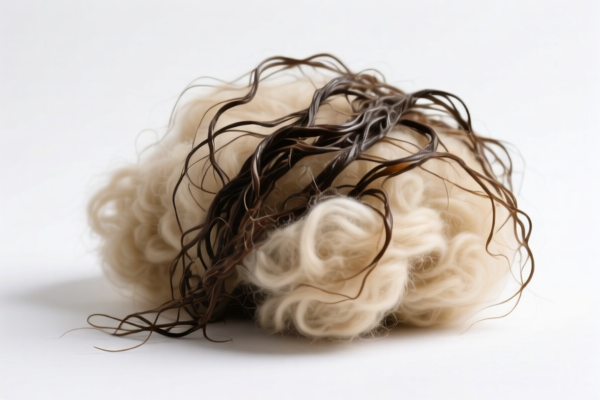
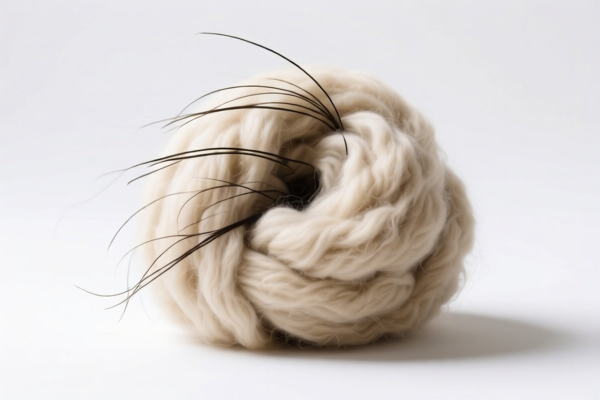
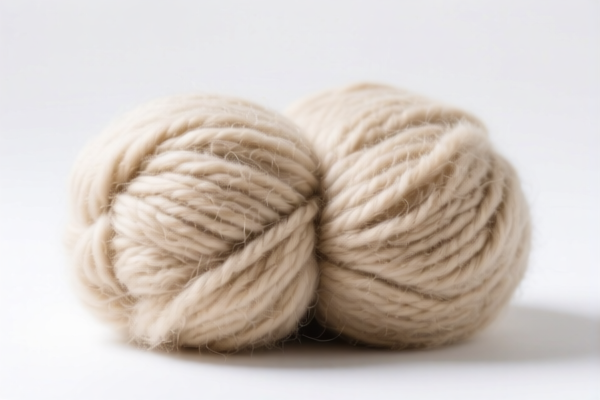
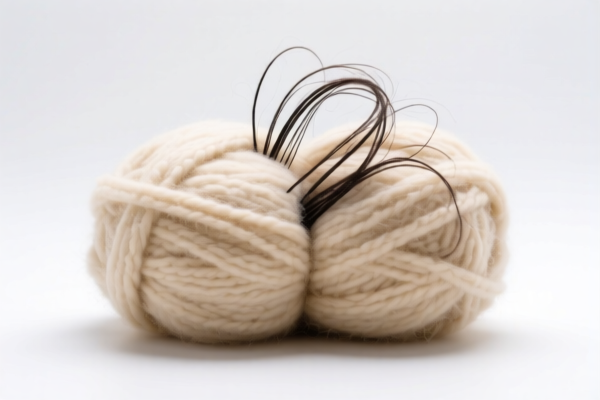
"Uncombed Wool" (often referred to as Woollen Yarn or Carded Wool) refers to wool fibers that have been carded (brushed) into a loose rope-like strand but not combed to remove short fibers or align them perfectly. This results in a softer, fuzzier, and bulkier texture compared to worsted (combed) wool.
When combined with "Blend", it implies the material is a mixture of wool with other fibers (e.g., synthetic, cotton, or other animal fibers).
⚠️ Key Distinction:
- Uncombed (Woollen/Carded): Loosely arranged fibers, fuzzy surface, higher bulk. → Typically falls under Chapter 51 (Wool) specific headings for Yarn or Fabric.
- Combed (Worsted): Smooth, strong, tightly aligned fibers. → Falls under different subheadings (e.g., 5106 is strictly uncombed).
- Pure Wool vs. Blend: If it's 100% wool, it might go elsewhere; if it's a blend, it must meet specific weight thresholds (usually >85% wool by weight for Chapter 51 classification, or specific mix rules).
📦 Part 2: HS Code Classification Details (2026 Latest Tariff Authority Match)
Based on the provided data, here are the precise HS Codes for Uncombed Wool Yarn and Wool Blend Fabrics.
| HS Code | Product Description | Summary/Characteristics |
|---|---|---|
5106.10.00.90 |
Woolen Yarn (Uncombed) | Yarn made from carded wool fibers, NOT suitable for retail sale (i.e., industrial bulk). |
5111.30.90.00 |
Wool Blend Fabric (Carded) | Woven fabric made from carded wool or fine animal hair blends. |
5515.13.05.10 |
Wool Blend Fabric (Mixed) | Woven fabric defined as mixtures of wool/fine animal hair with other textile materials. |
5112.90.90.10 |
Wool Blend Fabric (Combed/Carded Mix) | Woven fabric of carded wool or fine animal hair, specific blend definitions apply. |
5111.20.90.00 |
Carded Wool Fabric | Woven fabric of carded wool, specific weight/structure criteria apply. |
🔍 Critical Note:
-5106is for YARN only.
-5111,5112,5515are for FABRIC (woven textiles).
- The distinction between5111,5112, and5515depends on the fiber composition weight and processing method (carded vs. combed vs. mixed with synthetics).
- All items in the provided data are subject to high tariffs due to US-China trade policies.
💰 Part 3: 2026 Latest Tariff Rate Breakdown (Including Additional Taxes)
✅ Applicable Country: United States (US)
✅ Origin: China (CN)
✅ Effective Time: November 10, 2025 (and onwards)
✅ Total Tax Burden: 41% – 60% (Extremely High)
🎯 1. 5106.10.00.90 — Woolen Yarn (Uncombed, Non-Retail)
| Item | Detail |
|---|---|
| Base Tariff | 6.0% |
| Section 301 Tariff (Add-on) | 25.0% |
| Section 122 Tariff (Add-on) | 10.0% |
| Total Tariff | 41.0% |
| Calculation Basis | CIF Value × 41% |
| De Minimis Eligibility | ❌ No (High value threshold; likely denied for commercial shipments) |
| Legal Path | Base 6% + Section 301 25% + Section 122 10% |
📌 Explanation:
- Base 6%: Standard Most Favored Nation (MFN) rate for woolen yarn.
- Section 301 (25%): The major tariff imposed on Chinese goods under the US Trade Act of 1974.
- Section 122 (10%): An older but still applicable tariff authority for certain protective measures.
- Total 41%: This is the landed cost multiplier for raw woolen yarn imports from China.
🎯 2. Wool Blend Fabrics (5111.30.90.00, 5515.13.05.10, 5112.90.90.10, 5111.20.90.00)
| Item | Detail |
|---|---|
| Base Tariff | 25.0% |
| Section 301 Tariff (Add-on) | 25.0% |
| Section 122 Tariff (Add-on) | 10.0% |
| Total Tariff | 60.0% |
| Calculation Basis | CIF Value × 60% |
| De Minimis Eligibility | ❌ No |
| Legal Path | Base 25% + Section 301 25% + Section 122 10% |
📌 Explanation:
- Base 25%: Higher base rate for wool/woven fabrics compared to yarn.
- Section 301 (25%): Still applies to Chinese-origin textiles.
- Section 122 (10%): Applies as an additional protective tariff.
- Total 60%: This is the maximum burden in the dataset. A $10,000 shipment incurs $6,000 in tariffs.
🛠️ Part 4: Customs Clearance Practical Advice (Pitfall Avoidance)
✅ 1. Required Documentation Checklist
| Document | Mandatory? | Purpose |
|---|---|---|
| ✅ Commercial Invoice | ✔️ | Must clearly state: "Woolen Yarn" or "Wool Blend Fabric", HS Code, Country of Origin. |
| ✅ Packing List | ✔️ | Detail gross/net weight, dimensions, and number of packages. |
| ✅ Fiber Composition Report | ✔️ | Critical! Must specify % of Wool vs. other fibers to justify HS Code (5111 vs 5515). |
| ✅ Certificate of Origin | ✔️ | Prove origin is China (to confirm tariff applicability). |
| ✅ Product Photos | ✔️ | Show texture (fuzzy/uncombed) to distinguish from worsted/combed. |
| ✅ Manufacturer Statement | ✔️ | Confirm processing method (Carded/Uncombed vs. Combed/Worsted). |
✅ 2. Classification Strategy (Key Mantras)
🔥 “Yarn vs. Fabric: Don’t Mix! | Uncombed = Carded, Not Worsted!”
| Scenario | Correct HS Code | Risk if Incorrect |
|---|---|---|
| Bulk Yarn (not for retail) | 5106.10.00.90 |
If misclassified as fabric → 60% vs 41% (Overpay!) |
| Retail Yarn (skeins/balls) | ❌ Not in Data | Likely different code, higher scrutiny. |
| Woven Fabric (wool blend) | 5111 / 5112 / 5515 |
If misclassified as yarn → 41% vs 60% (Underpay → Penalty!) |
| Combed/Worsted Wool | ❌ Not in Data | Different base rate; misclassification leads to audit. |
⚠️ Warning:
- "Uncombed" means Carded. Do not use "Worsted" (Combed) in descriptions.
- "Blend" must be explicitly stated. If >85% wool, it’s Chapter 51. If mixed with synthetics, verify if5515applies.
- Section 122 + 301 = 35% Add-on. This is unavoidable for Chinese-origin goods in this category.
✅ 3. Special Handling Tips
| Situation | Recommendation |
|---|---|
| OEM / Private Label | Ensure invoice lists end-user if known, but keep technical specs accurate. |
| Mixed Container | If shipping both yarn and fabric, separate HS Codes on invoice. Do not lump. |
| Low-Value Samples | Check if under $800 (de minimis). However, with 41-60% tariffs, de minimis may not apply if classified as restricted textile. |
| Anti-Dumping/Countervailing | Check for separate AD/CVD cases on wool. The provided data does not include AD/CVD, but always verify. |
🌍 Part 5: Global Market Comparison (2026)
| Country/Region | Recommended HS | Base Rate | China Add-ons | Total Effective |
|---|---|---|---|---|
| 🇺🇸 USA | 5106.10.00.90 / 5111+ |
6–25% | 35% (301+122) | 41% – 60% |
| 🇨🇳 China | Same Codes | 0–9% | None | 0–9% |
| 🇪🇺 EU | Similar Codes | 0–12% | No Section 301 | 0–12% (No 301/122) |
| 🇬🇧 UK | Similar Codes | 0–12% | No Section 301 | 0–12% |
| 🇨🇦 Canada | Similar Codes | 0–5% | No Section 301 | 0–5% |
📌 Conclusion:
- USA is the most expensive market for Chinese wool products due to Section 301 + 122.
- EU/UK/Canada do not apply US-style Section 301 tariffs.
- If targeting the US, consider supply chain diversification (e.g., yarn from Australia/Italy, fabric from Turkey/China) to mitigate 35% add-on.
📌 Part 6: Common Errors & Pitfalls (Blood Lessons)
❌ Error 1: Calling "Carded Wool" "Worsted Wool"
👉 Result: Wrong HS Code → 60% vs 41% mismatch → Customs hold & penalty.
❌ Error 2: Ignoring "Blend" Composition
👉 Result: Misclassification between 5111 (pure wool) and 5515 (synthetic blend) → Audit trigger.
❌ Error 3: Assuming De Minimis Applies
👉 Result: Small shipments still taxed at 41-60% if classified as restricted textiles.
❌ Error 4: Not Distinguishing Yarn vs. Fabric
👉 Result: 5106 (Yarn) vs 5111 (Fabric) have different base rates (6% vs 25%).
✅ Correct Approach:
"Woolen Yarn, Uncombed, Non-Retail, HS 5106.10.00.90"
"Woven Wool Blend Fabric, Carded, HS 5111.30.90.00"
🎯 Part 7: Conclusion: Professional Classification Saves Millions!
🎯 Remember the Mantras:
🔹 "Uncombed = Carded, Not Worsted!"
🔹 "Yarn is 41%, Fabric is 60%!"
🔹 "Section 301 + 122 = 35% Extra!"
📌 Pro Tip:
If your product is ≥85% Wool, use 5111/5112. If it’s a blend with synthetics, check 5515.
Always verify fiber content with a lab report before shipment.
📣 Immediate Action:
📞 Contact a licensed customs broker.
📄 Submit HS Code Advance Ruling if possible.
📦 Ensure accurate description on commercial invoice: "Carded Wool Yarn, Uncombed" or "Wool Blend Woven Fabric".
✨ Professional Customs Clearance Starts with Precise Classification!
💼 Your Every Dollar is Worth Calculating!
用户评价
关于 HS 编码归类
协调制度(HS)是由世界海关组织(WCO)制定的国际贸易商品分类标准。全球 200 多个国家采用 HS 系统作为海关关税、贸易统计和进出口监管的基础。
每个 HS 编码遵循以下层级结构:
- 章(2 位)——商品大类(例如:第 84 章:机器和机械设备)
- 品目(4 位)——章内的更具体分类
- 子目(6 位)——国际通用细分,所有 WCO 成员国统一使用
- 本国细分(8-10 位)——各国自行扩展的细分编码,如美国 HTSUS 10 位编码
正确的 HS 编码归类对于顺利通关、准确缴纳关税和遵守贸易法规至关重要。错误归类可能导致海关延误、多缴关税或罚款。
从CN进口到US时,适用的关税税率可能包括:
- 最惠国(MFN)税率——适用于 WTO 成员国的标准关税税率
- 普通税率——适用于无贸易协定国家
- 贸易救济关税——附加关税,如 301 条款(反倾销)、232 条款(国家安全)或反补贴税
本页内容仅供参考。如需正式归类,请咨询当地海关或持牌报关代理。