Wool Blend Uncombed
CN → US| HS Code | Tariff Rate | Origin | Destination | Doc |
|---|---|---|---|---|
| 5106100090 | 41.0% | CN | US | Official Doc |
| 5111309000 | 60.0% | CN | US | Official Doc |
| 5515130510 | 60.0% | CN | US | Official Doc |
| 5111209000 | 60.0% | CN | US | Official Doc |
| 5112909010 | 60.0% | CN | US | Official Doc |
Product Images
AI Analysis
🧶 Wool Blend Uncombed (Yarn & Fabric)
🌐 HS Code Reference & Customs Clearance Guide | 2026 Latest Tariff Analysis | Professional Clearance Strategy
📌 Part 1: Product Definition & Classification: Do You Really Understand "Uncombed Wool Blends"?
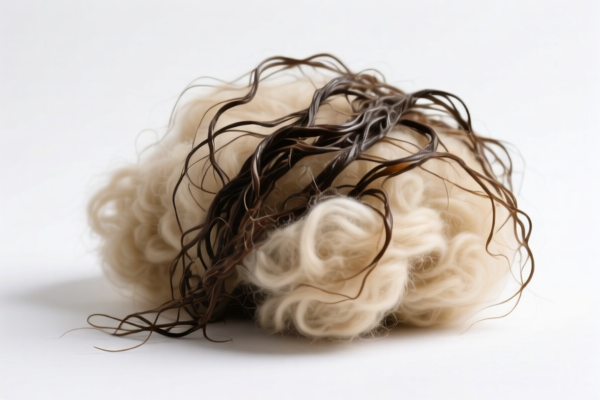
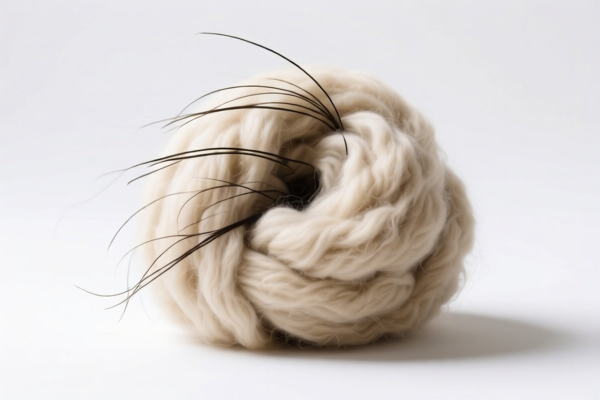
"Uncombed Wool" (often referred to as Woollen Yarn or Carded Wool) refers to wool fibers that have been carded (brushed) into a loose rope-like strand but not combed to remove short fibers or align them perfectly. This results in a softer, fuzzier, and bulkier texture compared to worsted (combed) wool.
When combined with "Blend", it implies the material is a mixture of wool with other fibers (e.g., synthetic, cotton, or other animal fibers).
⚠️ Key Distinction:
- Uncombed (Woollen/Carded): Loosely arranged fibers, fuzzy surface, higher bulk. → Typically falls under Chapter 51 (Wool) specific headings for Yarn or Fabric.
- Combed (Worsted): Smooth, strong, tightly aligned fibers. → Falls under different subheadings (e.g., 5106 is strictly uncombed).
- Pure Wool vs. Blend: If it's 100% wool, it might go elsewhere; if it's a blend, it must meet specific weight thresholds (usually >85% wool by weight for Chapter 51 classification, or specific mix rules).
📦 Part 2: HS Code Classification Details (2026 Latest Tariff Authority Match)
Based on the provided data, here are the precise HS Codes for Uncombed Wool Yarn and Wool Blend Fabrics.
| HS Code | Product Description | Summary/Characteristics |
|---|---|---|
5106.10.00.90 |
Woolen Yarn (Uncombed) | Yarn made from carded wool fibers, NOT suitable for retail sale (i.e., industrial bulk). |
5111.30.90.00 |
Wool Blend Fabric (Carded) | Woven fabric made from carded wool or fine animal hair blends. |
5515.13.05.10 |
Wool Blend Fabric (Mixed) | Woven fabric defined as mixtures of wool/fine animal hair with other textile materials. |
5112.90.90.10 |
Wool Blend Fabric (Combed/Carded Mix) | Woven fabric of carded wool or fine animal hair, specific blend definitions apply. |
5111.20.90.00 |
Carded Wool Fabric | Woven fabric of carded wool, specific weight/structure criteria apply. |
🔍 Critical Note:
-5106is for YARN only.
-5111,5112,5515are for FABRIC (woven textiles).
- The distinction between5111,5112, and5515depends on the fiber composition weight and processing method (carded vs. combed vs. mixed with synthetics).
- All items in the provided data are subject to high tariffs due to US-China trade policies.
💰 Part 3: 2026 Latest Tariff Rate Breakdown (Including Additional Taxes)
✅ Applicable Country: United States (US)
✅ Origin: China (CN)
✅ Effective Time: November 10, 2025 (and onwards)
✅ Total Tax Burden: 41% – 60% (Extremely High)
🎯 1. 5106.10.00.90 — Woolen Yarn (Uncombed, Non-Retail)
| Item | Detail |
|---|---|
| Base Tariff | 6.0% |
| Section 301 Tariff (Add-on) | 25.0% |
| Section 122 Tariff (Add-on) | 10.0% |
| Total Tariff | 41.0% |
| Calculation Basis | CIF Value × 41% |
| De Minimis Eligibility | ❌ No (High value threshold; likely denied for commercial shipments) |
| Legal Path | Base 6% + Section 301 25% + Section 122 10% |
📌 Explanation:
- Base 6%: Standard Most Favored Nation (MFN) rate for woolen yarn.
- Section 301 (25%): The major tariff imposed on Chinese goods under the US Trade Act of 1974.
- Section 122 (10%): An older but still applicable tariff authority for certain protective measures.
- Total 41%: This is the landed cost multiplier for raw woolen yarn imports from China.
🎯 2. Wool Blend Fabrics (5111.30.90.00, 5515.13.05.10, 5112.90.90.10, 5111.20.90.00)
| Item | Detail |
|---|---|
| Base Tariff | 25.0% |
| Section 301 Tariff (Add-on) | 25.0% |
| Section 122 Tariff (Add-on) | 10.0% |
| Total Tariff | 60.0% |
| Calculation Basis | CIF Value × 60% |
| De Minimis Eligibility | ❌ No |
| Legal Path | Base 25% + Section 301 25% + Section 122 10% |
📌 Explanation:
- Base 25%: Higher base rate for wool/woven fabrics compared to yarn.
- Section 301 (25%): Still applies to Chinese-origin textiles.
- Section 122 (10%): Applies as an additional protective tariff.
- Total 60%: This is the maximum burden in the dataset. A $10,000 shipment incurs $6,000 in tariffs.
🛠️ Part 4: Customs Clearance Practical Advice (Pitfall Avoidance)
✅ 1. Required Documentation Checklist
| Document | Mandatory? | Purpose |
|---|---|---|
| ✅ Commercial Invoice | ✔️ | Must clearly state: "Woolen Yarn" or "Wool Blend Fabric", HS Code, Country of Origin. |
| ✅ Packing List | ✔️ | Detail gross/net weight, dimensions, and number of packages. |
| ✅ Fiber Composition Report | ✔️ | Critical! Must specify % of Wool vs. other fibers to justify HS Code (5111 vs 5515). |
| ✅ Certificate of Origin | ✔️ | Prove origin is China (to confirm tariff applicability). |
| ✅ Product Photos | ✔️ | Show texture (fuzzy/uncombed) to distinguish from worsted/combed. |
| ✅ Manufacturer Statement | ✔️ | Confirm processing method (Carded/Uncombed vs. Combed/Worsted). |
✅ 2. Classification Strategy (Key Mantras)
🔥 “Yarn vs. Fabric: Don’t Mix! | Uncombed = Carded, Not Worsted!”
| Scenario | Correct HS Code | Risk if Incorrect |
|---|---|---|
| Bulk Yarn (not for retail) | 5106.10.00.90 |
If misclassified as fabric → 60% vs 41% (Overpay!) |
| Retail Yarn (skeins/balls) | ❌ Not in Data | Likely different code, higher scrutiny. |
| Woven Fabric (wool blend) | 5111 / 5112 / 5515 |
If misclassified as yarn → 41% vs 60% (Underpay → Penalty!) |
| Combed/Worsted Wool | ❌ Not in Data | Different base rate; misclassification leads to audit. |
⚠️ Warning:
- "Uncombed" means Carded. Do not use "Worsted" (Combed) in descriptions.
- "Blend" must be explicitly stated. If >85% wool, it’s Chapter 51. If mixed with synthetics, verify if5515applies.
- Section 122 + 301 = 35% Add-on. This is unavoidable for Chinese-origin goods in this category.
✅ 3. Special Handling Tips
| Situation | Recommendation |
|---|---|
| OEM / Private Label | Ensure invoice lists end-user if known, but keep technical specs accurate. |
| Mixed Container | If shipping both yarn and fabric, separate HS Codes on invoice. Do not lump. |
| Low-Value Samples | Check if under $800 (de minimis). However, with 41-60% tariffs, de minimis may not apply if classified as restricted textile. |
| Anti-Dumping/Countervailing | Check for separate AD/CVD cases on wool. The provided data does not include AD/CVD, but always verify. |
🌍 Part 5: Global Market Comparison (2026)
| Country/Region | Recommended HS | Base Rate | China Add-ons | Total Effective |
|---|---|---|---|---|
| 🇺🇸 USA | 5106.10.00.90 / 5111+ |
6–25% | 35% (301+122) | 41% – 60% |
| 🇨🇳 China | Same Codes | 0–9% | None | 0–9% |
| 🇪🇺 EU | Similar Codes | 0–12% | No Section 301 | 0–12% (No 301/122) |
| 🇬🇧 UK | Similar Codes | 0–12% | No Section 301 | 0–12% |
| 🇨🇦 Canada | Similar Codes | 0–5% | No Section 301 | 0–5% |
📌 Conclusion:
- USA is the most expensive market for Chinese wool products due to Section 301 + 122.
- EU/UK/Canada do not apply US-style Section 301 tariffs.
- If targeting the US, consider supply chain diversification (e.g., yarn from Australia/Italy, fabric from Turkey/China) to mitigate 35% add-on.
📌 Part 6: Common Errors & Pitfalls (Blood Lessons)
❌ Error 1: Calling "Carded Wool" "Worsted Wool"
👉 Result: Wrong HS Code → 60% vs 41% mismatch → Customs hold & penalty.
❌ Error 2: Ignoring "Blend" Composition
👉 Result: Misclassification between 5111 (pure wool) and 5515 (synthetic blend) → Audit trigger.
❌ Error 3: Assuming De Minimis Applies
👉 Result: Small shipments still taxed at 41-60% if classified as restricted textiles.
❌ Error 4: Not Distinguishing Yarn vs. Fabric
👉 Result: 5106 (Yarn) vs 5111 (Fabric) have different base rates (6% vs 25%).
✅ Correct Approach:
"Woolen Yarn, Uncombed, Non-Retail, HS 5106.10.00.90"
"Woven Wool Blend Fabric, Carded, HS 5111.30.90.00"
🎯 Part 7: Conclusion: Professional Classification Saves Millions!
🎯 Remember the Mantras:
🔹 "Uncombed = Carded, Not Worsted!"
🔹 "Yarn is 41%, Fabric is 60%!"
🔹 "Section 301 + 122 = 35% Extra!"
📌 Pro Tip:
If your product is ≥85% Wool, use 5111/5112. If it’s a blend with synthetics, check 5515.
Always verify fiber content with a lab report before shipment.
📣 Immediate Action:
📞 Contact a licensed customs broker.
📄 Submit HS Code Advance Ruling if possible.
📦 Ensure accurate description on commercial invoice: "Carded Wool Yarn, Uncombed" or "Wool Blend Woven Fabric".
✨ Professional Customs Clearance Starts with Precise Classification!
💼 Your Every Dollar is Worth Calculating!
Customer Reviews
About HS Code Classification
The Harmonized System (HS) is an internationally standardized nomenclature developed by the World Customs Organization (WCO) to classify traded products. Over 200 countries use the HS system as the basis for customs tariffs, trade statistics, and import/export regulations.
Each HS code follows a hierarchical structure:
- Chapter (2 digits) — Broad category of goods (e.g., Chapter 84: Machinery and Mechanical Appliances)
- Heading (4 digits) — More specific grouping within the chapter
- Subheading (6 digits) — Internationally standardized breakdown, used by all WCO member countries
- National subdivisions (8-10 digits) — Country-specific extensions for further classification, such as US HTSUS 10-digit codes
Correct HS code classification is essential for smooth customs clearance, accurate duty payment, and compliance with trade regulations. Misclassification can lead to customs delays, overpayment of duties, or penalties.
When importing from CN to US, the applicable tariff rates may include:
- Most-Favored-Nation (MFN) rate — The standard duty rate applied to WTO members
- General rate — Applied to countries without trade agreements
- Trade remedy duties — Additional tariffs such as Section 301 (anti-dumping), Section 232 (national security), or countervailing duties
The information provided on this page is for reference purposes only. For official classification, please consult with your local customs authority or a licensed customs broker.