Wool and Fine Animal Hair Yarn
CN → US| HS编码 | 关税税率 | 原产国 | 目的国 | 文档 |
|---|---|---|---|---|
| 5108108000 | 39.0% | CN | US | 官方文档 |
| 5109108000 | 41.0% | CN | US | 官方文档 |
| 5108208000 | 39.0% | CN | US | 官方文档 |
| 5109109000 | 41.0% | CN | US | 官方文档 |
商品图片
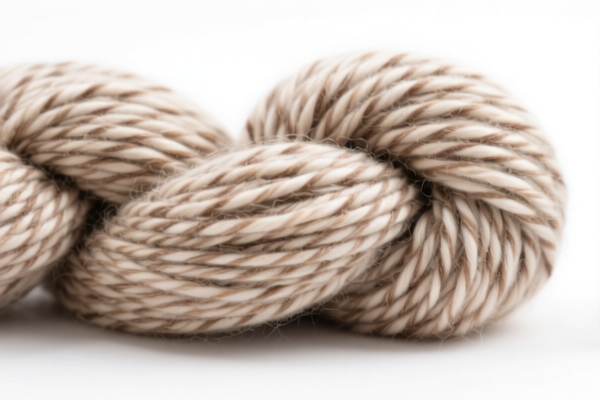
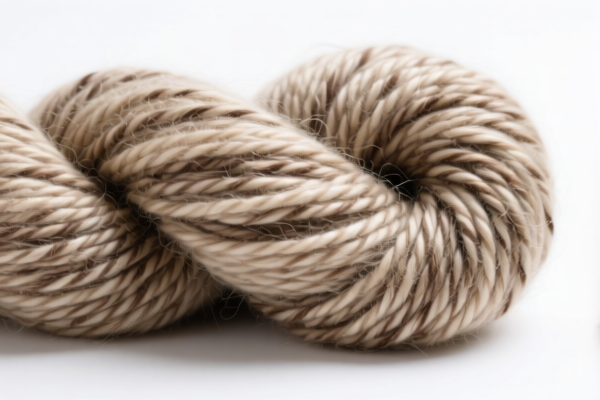
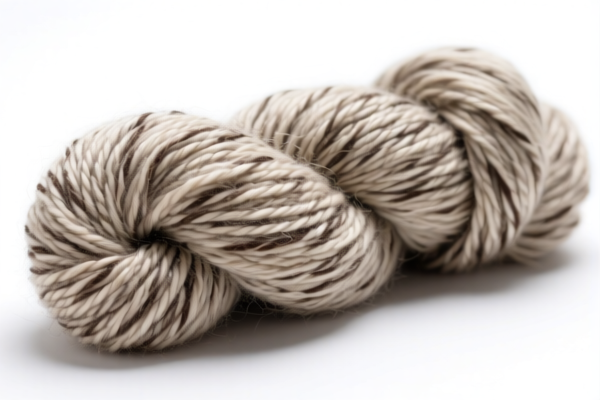
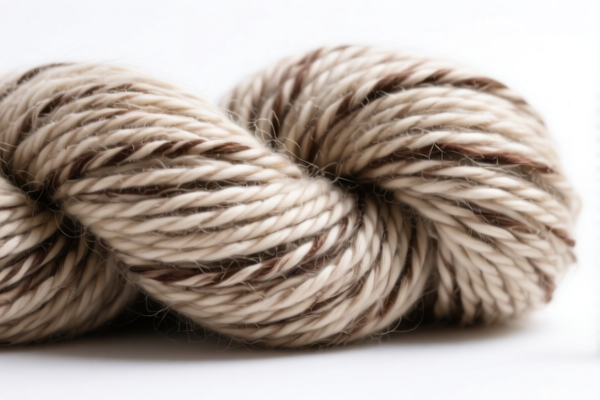
AI分析
🧶 Wool and Fine Animal Hair Yarn (Knitted/Crocheted)
🌐 HS Code Reference & Customs Clearance Guide | 2026 Latest Tariff Analysis | Professional Clearance Strategy
📌 I. Product Definition & Classification: Do You Really Know "Fine Animal Hair Yarn"?
Wool and fine animal hair yarns are the backbone of the global textile industry, ranging from luxury cashmere sweaters to high-performance athletic gear. In international trade, they are strictly categorized by fiber type (sheep wool vs. fine animal hair like camel, goat, etc.) and fineness (fine vs. coarse).
Key Distinctions: * Sheep Wool Yarns (5108/5109): Derived from sheep. Distinguished by weight/thickness categories. * Fine Animal Hair Yarns (5108): Derived from goats (cashmere/mohair), camels, llamas, alpacas, etc. * Knitted/Crocheted Form: The yarn is spun but not yet woven or knitted into fabric/apparel.
⚠️ Critical Classification Point:
- If the yarn is made from sheep wool and meets specific weight definitions, it may fall under 5109.
- If the yarn is made from fine animal hair (non-sheep) or is coarser sheep wool, it typically falls under 5108.
- Incorrect classification leads to significant tariff penalties due to the complex tax structure involving Section 301 and Section 122 tariffs.
📦 II. HS Code Classification Details (2026 Latest Tariff Authority Comparison)
| HS Code | Product Description | Applicable Scenario | Fiber Type | Total Tax Rate |
|---|---|---|---|---|
5108.10.80.00 |
Fine animal hair yarn, knitted/crocheted; matches material and form | Cashmere, Mohair, Angora yarn; fine fibers from goats/camels | Fine Animal Hair (Non-Sheep) | 39.0% |
5108.20.80.00 |
Fine animal hair yarn, knitted/crocheted; matches fine animal hair and yarn form | High-grade cashmere/mohair blends; strictly fine fibers | Fine Animal Hair (Non-Sheep) | 39.0% |
5109.10.80.00 |
Fine animal hair yarn, knitted/crocheted; complies with wool or fine animal hair definition | Sheep wool yarns meeting "fine" criteria (often confused with 5108) | Sheep Wool (Fine) | 41.0% |
5109.10.90.00 |
Fine animal hair yarn, knitted/crocheted; material and yarn category consistent | General sheep wool yarns; broad category for fine wool | Sheep Wool (Fine) | 41.0% |
🔍 Key Reminder:
- 5108 codes generally attract a 39% total tax rate.
- 5109 codes generally attract a 41% total tax rate.
- The difference lies in the Base Tariff: 5108 has a 4% base, while 5109 has a 6% base. The rest of the tax burden comes from punitive tariffs.
💰 III. 2026 Latest Tariff Rate Breakdown (Including Surtaxes & Policy Add-ons)
✅ Applicable Country: United States (US)
✅ Origin: China (CN)
✅ Effective Time: 2025-2026 (Includes subsequent imports)
🎯 1. 5108.10.80.00 & 5108.20.80.00 —— Fine Animal Hair Yarns
| Item | Content |
|---|---|
| Base Tariff | 4.0% (Standard MFN Rate) |
| Section 301 Surtax | +25.0% (Added tariff for Chinese goods under US Trade Act Section 301) |
| Section 122 Tariff | +10.0% (Specific tariff clause for textile/apparel items from China) |
| Total Tax Rate | 39.0% |
| Tax Calculation | CIF Value × 39.0% |
| De Minimis Exemption | ❌ NOT APPLICABLE (These goods are subject to punitive tariffs and do not qualify for the $800 de minimis exemption under current enforcement) |
| Legal Basis Path | USITC:5108.10.80.00 → 301_Tariff:25% → 122_Tariff:10% → Base:4% |
📌 Explanation:
- The 25% Section 301 tariff applies to almost all Chinese textile imports to counter trade practices.
- The 10% Section 122 tariff is a specific additional levy often applied to certain apparel and textile components.
- Total 39% is extremely high for raw materials. Importers must budget accordingly.
🎯 2. 5109.10.80.00 & 5109.10.90.00 —— Fine Wool Yarns
| Item | Content |
|---|---|
| Base Tariff | 6.0% (Standard MFN Rate) |
| Section 301 Surtax | +25.0% (Added tariff for Chinese goods under US Trade Act Section 301) |
| Section 122 Tariff | +10.0% (Specific tariff clause for textile/apparel items from China) |
| Total Tax Rate | 41.0% |
| Tax Calculation | CIF Value × 41.0% |
| De Minimis Exemption | ❌ NOT APPLICABLE |
| Legal Basis Path | USITC:5109.10.80.00 → 301_Tariff:25% → 122_Tariff:10% → Base:6% |
📌 Note:
- With a 41% total rate, these goods are even more costly than5108codes.
- Even though it's "wool," the Section 301 and Section 122 taxes dwarf the base tariff difference.
- Misclassifying5108(39%) as5109(41%) results in an unnecessary 2% extra cost.
🛠️ IV. Customs Clearance Operational Advice (Practical Pitfall Avoidance Guide)
✅ 1. Required Documentation Checklist (None Can Be Omitted)
| Document | Mandatory? | Description |
|---|---|---|
| ✅ Product Specification Sheet | ✔️ | Must specify fiber content (e.g., "100% Cashmere," "50% Wool 50% Acrylic"), diameter/micron count, and ply. |
| ✅ Fiber Analysis Report | ✔️ | Third-party lab report confirming "Fine Animal Hair" vs. "Sheep Wool" to justify 5108 vs. 5109. |
| ✅ Commercial Invoice | ✔️ | Clearly state "Knitted/Crocheted Yarn," not "Fabric" or "Clothing." |
| ✅ Packing List | ✔️ | Detail gross/net weight, number of skeins/bobbins. |
| ✅ Origin Certificate | ✔️ | Proof of Chinese origin triggers the 301/122 tariffs. If transshipped, proper documentation is critical. |
| ✅ HS Code Pre-ruling (Optional) | ✔️ | Highly recommended for high-volume shipments to avoid misclassification penalties. |
✅ 2. Declaration Tips (Key Mantra)
🔥 “Fiber Type Determines Code, Base Rate Dictates Cost, 301+122 Are Fixed!”
| Scenario | Correct Declaration | Error to Avoid |
|---|---|---|
| Cashmere/Mohair Yarn | 5108.10.80.00 or 5108.20.80.00 (39%) |
Misclassifying as 5109 → 41% (Overpayment) |
| Sheep Wool Yarn | 5109.10.80.00 or 5109.10.90.00 (41%) |
Misclassifying as 5108 → 39% (Underpayment & Penalty Risk) |
| Blended Yarn | Classify by dominant fiber by weight or specific rules of origin | Vague description "Wool Blend" → Customs Audit |
| Raw Wool (Uncarded/Combed) | Different HS Code (e.g., 5101/5103) | Declaring as "Yarn" (5108/5109) → Wrong Code, Delay |
✅ 3. Special Case Handling
| Scenario | Handling Advice |
|---|---|
| OEM Custom Yarn | Provide design specs and fiber mix details. If custom-dyed, ensure invoice reflects finished goods status. |
| Small Samples (De Minimis) | ❌ Do Not Use |
| Transshipment (e.g., via Vietnam) | High Risk. US Customs checks for "substantial transformation." Simple transshipment does not exempt 301 tariffs. |
🌍 V. Global Market Comparison (2026 Latest)
| Country/Region | Recommended HS Code | Tariff (China Origin) | Certification Requirements | Notes |
|---|---|---|---|---|
| 🇺🇸 USA | 5108.xxxx / 5109.xxxx |
39% - 41% | None specific for yarn, but FCC not applicable | Highest Tariff Market. 301 + 122 clauses apply. |
| 🇨🇳 China | 5108.xxxx / 5109.xxxx |
4% - 6% | N/A | Low entry tariff. Main processing hub. |
| 🇪🇺 EU | 5108.xxxx / 5109.xxxx |
~6% - 9% | REACH (Chemical compliance) | No Section 301 tariffs. Ecolabel optional. |
| 🇬🇧 UK | 5108.xxxx / 5109.xxxx |
~6% - 9% | UKCA Mark (if applicable) | Post-Brexit rules apply. |
| 🇨🇦 Canada | 5108.xxxx / 5109.xxxx |
~5% - 8% | None specific | CUSMA (USMCA) does not apply to China. |
📌 Conclusion:
- USA is the most expensive market due to the 39-41% effective tariff rate.
- EU/UK/Canada offer significantly lower tariffs (~6-9%), making them more attractive for final consumption if supply chain allows.
- Supply Chain Strategy: Consider sourcing from non-China origins (e.g., Mongolia for cashmere, New Zealand for wool) to mitigate US tariffs.
📌 VI. Common Errors & Pitfall Guide (Lessons Learned)
❌ Error 1: Using vague terms like "Wool Yarn" without specifying "Sheep" vs. "Fine Animal"
👉 Consequence: Customs may classify under the higher 41% bracket or audit for misclassification.
👉 Fix: Always specify fiber type in the commercial invoice.
❌ Error 2: Assuming small shipments ($800) are exempt from 301/122 tariffs
👉 Consequence: CBP is increasingly enforcing "Type 86" or denying de minimis for Chinese textiles subject to punitive tariffs.
👉 Fix: Pay the tariff. Do not risk shipment seizure.
❌ Error 3: Misclassifying "Knitted Fabric" as "Yarn"
👉 Consequence: Yarn (5108/5109) vs. Fabric (5208/5209) have different duty rates and regulations.
👉 Fix: Ensure product is in spun form, not woven/knitted into fabric.
✅ Correct Practice:
"Fine Animal Hair Yarn, Knitted/Crocheted, 100% Cashmere, 2/26 Nm, Dye Lot #123, Origin: China, HS: 5108.10.80.00"
🎯 VII. Conclusion: Precise Classification Saves Money!
🎯 Remember the Mantra:
🔹 "301 is 25%, 122 is 10%, Base makes it 39 or 41!"
🔹 "Know your fiber: Sheep (5109) vs. Fine Hair (5108). Don't guess!"
🔹 "De minimis is dead for these goods. Budget for taxes!"
📌 Pro Tip:
If you are importing Cashmere or Mohair, verify if the supplier can provide origin proof from Mongolia or Iran (non-China). While base tariffs remain, you avoid the 25% Section 301 tariff, reducing the total rate to ~14-16% (Base + 122). This is a massive saving!
📣 Immediate Action:
📞 Consult a licensed customs broker.
📄 Request a Fiber Content Report from your supplier.
🚀 Optimize your HS Code to avoid the 2% unnecessary difference between 5108 and 5109.
✨ Professional Clearance Starts with Accurate Classification!
💼 Every percent saved is pure profit!
用户评价
关于 HS 编码归类
协调制度(HS)是由世界海关组织(WCO)制定的国际贸易商品分类标准。全球 200 多个国家采用 HS 系统作为海关关税、贸易统计和进出口监管的基础。
每个 HS 编码遵循以下层级结构:
- 章(2 位)——商品大类(例如:第 84 章:机器和机械设备)
- 品目(4 位)——章内的更具体分类
- 子目(6 位)——国际通用细分,所有 WCO 成员国统一使用
- 本国细分(8-10 位)——各国自行扩展的细分编码,如美国 HTSUS 10 位编码
正确的 HS 编码归类对于顺利通关、准确缴纳关税和遵守贸易法规至关重要。错误归类可能导致海关延误、多缴关税或罚款。
从CN进口到US时,适用的关税税率可能包括:
- 最惠国(MFN)税率——适用于 WTO 成员国的标准关税税率
- 普通税率——适用于无贸易协定国家
- 贸易救济关税——附加关税,如 301 条款(反倾销)、232 条款(国家安全)或反补贴税
本页内容仅供参考。如需正式归类,请咨询当地海关或持牌报关代理。