Wool and Fine Animal Hair Yarn
CN → US| HS Code | Tariff Rate | Origin | Destination | Doc |
|---|---|---|---|---|
| 5108108000 | 39.0% | CN | US | Official Doc |
| 5109108000 | 41.0% | CN | US | Official Doc |
| 5108208000 | 39.0% | CN | US | Official Doc |
| 5109109000 | 41.0% | CN | US | Official Doc |
Product Images
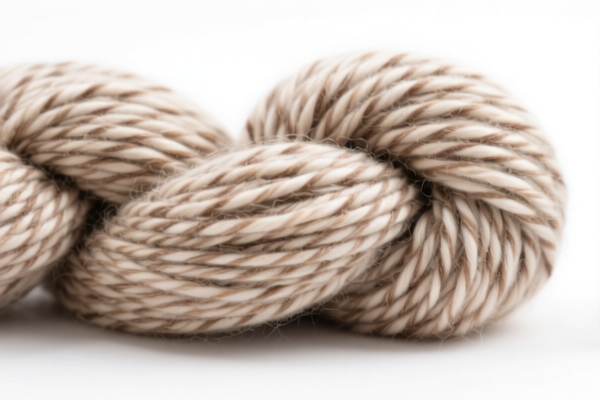
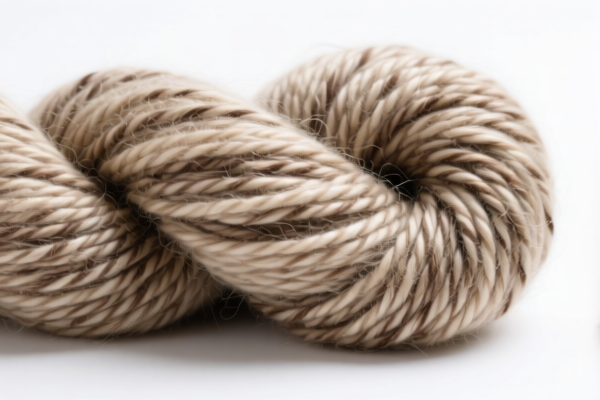
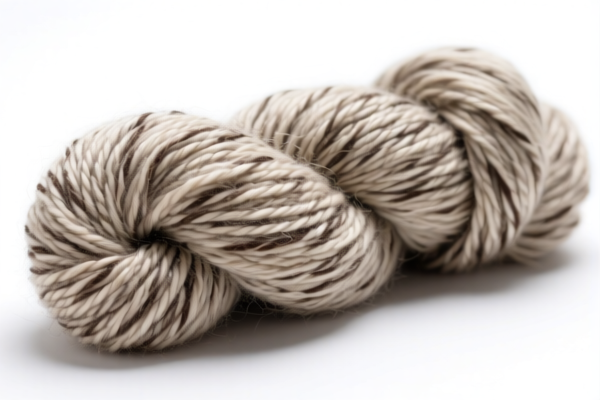
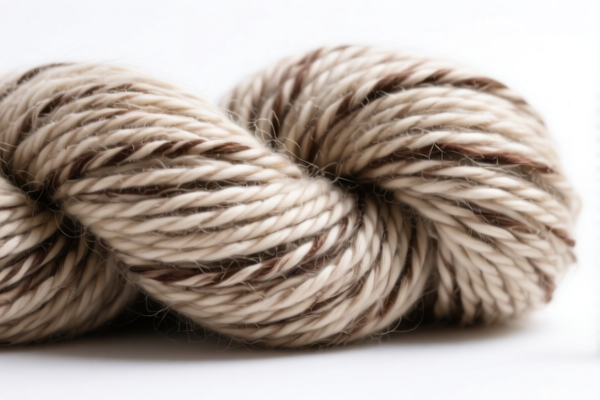
AI Analysis
🧶 Wool and Fine Animal Hair Yarn (Knitted/Crocheted)
🌐 HS Code Reference & Customs Clearance Guide | 2026 Latest Tariff Analysis | Professional Clearance Strategy
📌 I. Product Definition & Classification: Do You Really Know "Fine Animal Hair Yarn"?
Wool and fine animal hair yarns are the backbone of the global textile industry, ranging from luxury cashmere sweaters to high-performance athletic gear. In international trade, they are strictly categorized by fiber type (sheep wool vs. fine animal hair like camel, goat, etc.) and fineness (fine vs. coarse).
Key Distinctions: * Sheep Wool Yarns (5108/5109): Derived from sheep. Distinguished by weight/thickness categories. * Fine Animal Hair Yarns (5108): Derived from goats (cashmere/mohair), camels, llamas, alpacas, etc. * Knitted/Crocheted Form: The yarn is spun but not yet woven or knitted into fabric/apparel.
⚠️ Critical Classification Point:
- If the yarn is made from sheep wool and meets specific weight definitions, it may fall under 5109.
- If the yarn is made from fine animal hair (non-sheep) or is coarser sheep wool, it typically falls under 5108.
- Incorrect classification leads to significant tariff penalties due to the complex tax structure involving Section 301 and Section 122 tariffs.
📦 II. HS Code Classification Details (2026 Latest Tariff Authority Comparison)
| HS Code | Product Description | Applicable Scenario | Fiber Type | Total Tax Rate |
|---|---|---|---|---|
5108.10.80.00 |
Fine animal hair yarn, knitted/crocheted; matches material and form | Cashmere, Mohair, Angora yarn; fine fibers from goats/camels | Fine Animal Hair (Non-Sheep) | 39.0% |
5108.20.80.00 |
Fine animal hair yarn, knitted/crocheted; matches fine animal hair and yarn form | High-grade cashmere/mohair blends; strictly fine fibers | Fine Animal Hair (Non-Sheep) | 39.0% |
5109.10.80.00 |
Fine animal hair yarn, knitted/crocheted; complies with wool or fine animal hair definition | Sheep wool yarns meeting "fine" criteria (often confused with 5108) | Sheep Wool (Fine) | 41.0% |
5109.10.90.00 |
Fine animal hair yarn, knitted/crocheted; material and yarn category consistent | General sheep wool yarns; broad category for fine wool | Sheep Wool (Fine) | 41.0% |
🔍 Key Reminder:
- 5108 codes generally attract a 39% total tax rate.
- 5109 codes generally attract a 41% total tax rate.
- The difference lies in the Base Tariff: 5108 has a 4% base, while 5109 has a 6% base. The rest of the tax burden comes from punitive tariffs.
💰 III. 2026 Latest Tariff Rate Breakdown (Including Surtaxes & Policy Add-ons)
✅ Applicable Country: United States (US)
✅ Origin: China (CN)
✅ Effective Time: 2025-2026 (Includes subsequent imports)
🎯 1. 5108.10.80.00 & 5108.20.80.00 —— Fine Animal Hair Yarns
| Item | Content |
|---|---|
| Base Tariff | 4.0% (Standard MFN Rate) |
| Section 301 Surtax | +25.0% (Added tariff for Chinese goods under US Trade Act Section 301) |
| Section 122 Tariff | +10.0% (Specific tariff clause for textile/apparel items from China) |
| Total Tax Rate | 39.0% |
| Tax Calculation | CIF Value × 39.0% |
| De Minimis Exemption | ❌ NOT APPLICABLE (These goods are subject to punitive tariffs and do not qualify for the $800 de minimis exemption under current enforcement) |
| Legal Basis Path | USITC:5108.10.80.00 → 301_Tariff:25% → 122_Tariff:10% → Base:4% |
📌 Explanation:
- The 25% Section 301 tariff applies to almost all Chinese textile imports to counter trade practices.
- The 10% Section 122 tariff is a specific additional levy often applied to certain apparel and textile components.
- Total 39% is extremely high for raw materials. Importers must budget accordingly.
🎯 2. 5109.10.80.00 & 5109.10.90.00 —— Fine Wool Yarns
| Item | Content |
|---|---|
| Base Tariff | 6.0% (Standard MFN Rate) |
| Section 301 Surtax | +25.0% (Added tariff for Chinese goods under US Trade Act Section 301) |
| Section 122 Tariff | +10.0% (Specific tariff clause for textile/apparel items from China) |
| Total Tax Rate | 41.0% |
| Tax Calculation | CIF Value × 41.0% |
| De Minimis Exemption | ❌ NOT APPLICABLE |
| Legal Basis Path | USITC:5109.10.80.00 → 301_Tariff:25% → 122_Tariff:10% → Base:6% |
📌 Note:
- With a 41% total rate, these goods are even more costly than5108codes.
- Even though it's "wool," the Section 301 and Section 122 taxes dwarf the base tariff difference.
- Misclassifying5108(39%) as5109(41%) results in an unnecessary 2% extra cost.
🛠️ IV. Customs Clearance Operational Advice (Practical Pitfall Avoidance Guide)
✅ 1. Required Documentation Checklist (None Can Be Omitted)
| Document | Mandatory? | Description |
|---|---|---|
| ✅ Product Specification Sheet | ✔️ | Must specify fiber content (e.g., "100% Cashmere," "50% Wool 50% Acrylic"), diameter/micron count, and ply. |
| ✅ Fiber Analysis Report | ✔️ | Third-party lab report confirming "Fine Animal Hair" vs. "Sheep Wool" to justify 5108 vs. 5109. |
| ✅ Commercial Invoice | ✔️ | Clearly state "Knitted/Crocheted Yarn," not "Fabric" or "Clothing." |
| ✅ Packing List | ✔️ | Detail gross/net weight, number of skeins/bobbins. |
| ✅ Origin Certificate | ✔️ | Proof of Chinese origin triggers the 301/122 tariffs. If transshipped, proper documentation is critical. |
| ✅ HS Code Pre-ruling (Optional) | ✔️ | Highly recommended for high-volume shipments to avoid misclassification penalties. |
✅ 2. Declaration Tips (Key Mantra)
🔥 “Fiber Type Determines Code, Base Rate Dictates Cost, 301+122 Are Fixed!”
| Scenario | Correct Declaration | Error to Avoid |
|---|---|---|
| Cashmere/Mohair Yarn | 5108.10.80.00 or 5108.20.80.00 (39%) |
Misclassifying as 5109 → 41% (Overpayment) |
| Sheep Wool Yarn | 5109.10.80.00 or 5109.10.90.00 (41%) |
Misclassifying as 5108 → 39% (Underpayment & Penalty Risk) |
| Blended Yarn | Classify by dominant fiber by weight or specific rules of origin | Vague description "Wool Blend" → Customs Audit |
| Raw Wool (Uncarded/Combed) | Different HS Code (e.g., 5101/5103) | Declaring as "Yarn" (5108/5109) → Wrong Code, Delay |
✅ 3. Special Case Handling
| Scenario | Handling Advice |
|---|---|
| OEM Custom Yarn | Provide design specs and fiber mix details. If custom-dyed, ensure invoice reflects finished goods status. |
| Small Samples (De Minimis) | ❌ Do Not Use |
| Transshipment (e.g., via Vietnam) | High Risk. US Customs checks for "substantial transformation." Simple transshipment does not exempt 301 tariffs. |
🌍 V. Global Market Comparison (2026 Latest)
| Country/Region | Recommended HS Code | Tariff (China Origin) | Certification Requirements | Notes |
|---|---|---|---|---|
| 🇺🇸 USA | 5108.xxxx / 5109.xxxx |
39% - 41% | None specific for yarn, but FCC not applicable | Highest Tariff Market. 301 + 122 clauses apply. |
| 🇨🇳 China | 5108.xxxx / 5109.xxxx |
4% - 6% | N/A | Low entry tariff. Main processing hub. |
| 🇪🇺 EU | 5108.xxxx / 5109.xxxx |
~6% - 9% | REACH (Chemical compliance) | No Section 301 tariffs. Ecolabel optional. |
| 🇬🇧 UK | 5108.xxxx / 5109.xxxx |
~6% - 9% | UKCA Mark (if applicable) | Post-Brexit rules apply. |
| 🇨🇦 Canada | 5108.xxxx / 5109.xxxx |
~5% - 8% | None specific | CUSMA (USMCA) does not apply to China. |
📌 Conclusion:
- USA is the most expensive market due to the 39-41% effective tariff rate.
- EU/UK/Canada offer significantly lower tariffs (~6-9%), making them more attractive for final consumption if supply chain allows.
- Supply Chain Strategy: Consider sourcing from non-China origins (e.g., Mongolia for cashmere, New Zealand for wool) to mitigate US tariffs.
📌 VI. Common Errors & Pitfall Guide (Lessons Learned)
❌ Error 1: Using vague terms like "Wool Yarn" without specifying "Sheep" vs. "Fine Animal"
👉 Consequence: Customs may classify under the higher 41% bracket or audit for misclassification.
👉 Fix: Always specify fiber type in the commercial invoice.
❌ Error 2: Assuming small shipments ($800) are exempt from 301/122 tariffs
👉 Consequence: CBP is increasingly enforcing "Type 86" or denying de minimis for Chinese textiles subject to punitive tariffs.
👉 Fix: Pay the tariff. Do not risk shipment seizure.
❌ Error 3: Misclassifying "Knitted Fabric" as "Yarn"
👉 Consequence: Yarn (5108/5109) vs. Fabric (5208/5209) have different duty rates and regulations.
👉 Fix: Ensure product is in spun form, not woven/knitted into fabric.
✅ Correct Practice:
"Fine Animal Hair Yarn, Knitted/Crocheted, 100% Cashmere, 2/26 Nm, Dye Lot #123, Origin: China, HS: 5108.10.80.00"
🎯 VII. Conclusion: Precise Classification Saves Money!
🎯 Remember the Mantra:
🔹 "301 is 25%, 122 is 10%, Base makes it 39 or 41!"
🔹 "Know your fiber: Sheep (5109) vs. Fine Hair (5108). Don't guess!"
🔹 "De minimis is dead for these goods. Budget for taxes!"
📌 Pro Tip:
If you are importing Cashmere or Mohair, verify if the supplier can provide origin proof from Mongolia or Iran (non-China). While base tariffs remain, you avoid the 25% Section 301 tariff, reducing the total rate to ~14-16% (Base + 122). This is a massive saving!
📣 Immediate Action:
📞 Consult a licensed customs broker.
📄 Request a Fiber Content Report from your supplier.
🚀 Optimize your HS Code to avoid the 2% unnecessary difference between 5108 and 5109.
✨ Professional Clearance Starts with Accurate Classification!
💼 Every percent saved is pure profit!
Customer Reviews
About HS Code Classification
The Harmonized System (HS) is an internationally standardized nomenclature developed by the World Customs Organization (WCO) to classify traded products. Over 200 countries use the HS system as the basis for customs tariffs, trade statistics, and import/export regulations.
Each HS code follows a hierarchical structure:
- Chapter (2 digits) — Broad category of goods (e.g., Chapter 84: Machinery and Mechanical Appliances)
- Heading (4 digits) — More specific grouping within the chapter
- Subheading (6 digits) — Internationally standardized breakdown, used by all WCO member countries
- National subdivisions (8-10 digits) — Country-specific extensions for further classification, such as US HTSUS 10-digit codes
Correct HS code classification is essential for smooth customs clearance, accurate duty payment, and compliance with trade regulations. Misclassification can lead to customs delays, overpayment of duties, or penalties.
When importing from CN to US, the applicable tariff rates may include:
- Most-Favored-Nation (MFN) rate — The standard duty rate applied to WTO members
- General rate — Applied to countries without trade agreements
- Trade remedy duties — Additional tariffs such as Section 301 (anti-dumping), Section 232 (national security), or countervailing duties
The information provided on this page is for reference purposes only. For official classification, please consult with your local customs authority or a licensed customs broker.