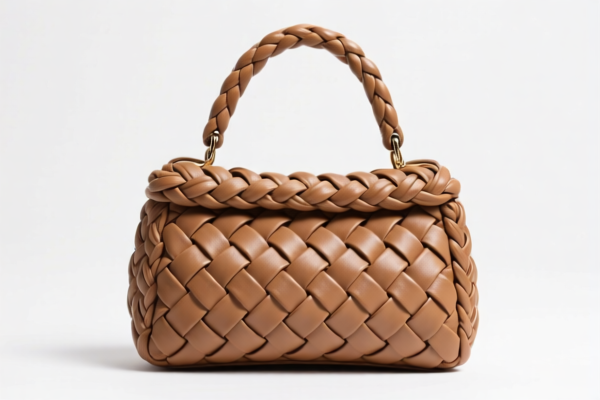
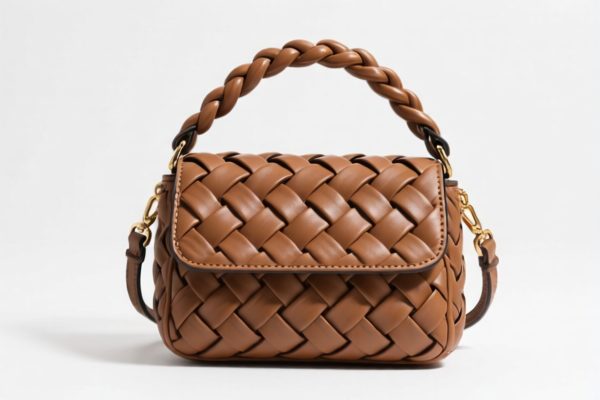
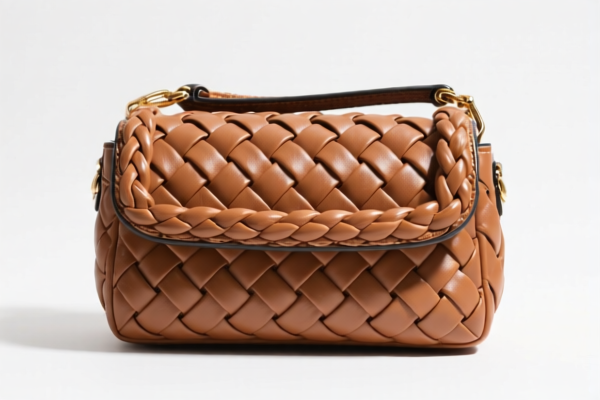
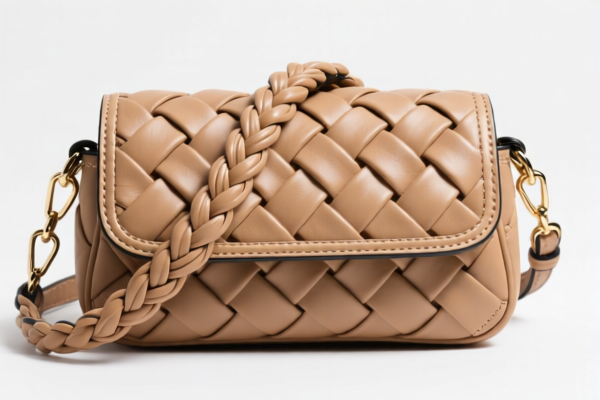
Woven Handbag (Retro Style)
CN → US| HS编码 | 关税税率 | 原产国 | 目的国 | 文档 |
|---|---|---|---|---|
| 4202223500 | 43.4% | CN | US | 官方文档 |
| 3926903300 | 16.5% | CN | US | 官方文档 |
| 4602192920 | 40.3% | CN | US | 官方文档 |
| 4602192940 | 40.3% | CN | US | 官方文档 |
| 4202224020 | 42.4% | CN | US | 官方文档 |
商品图片
AI分析
👜 Woven Handbag (Retro Style) – The Complete 2026 Customs & Tax Guide
🌐 HS Code Reference & Clearance Strategy | 2026 Latest Tariff Analysis | Professional Cross-Border Logistics
📌 I. Product Definition & Classification: What Exactly Is a "Woven Handbag"?
A "Woven Handbag" is a versatile accessory category dominated by natural or synthetic fibers. In international trade, its classification hinges entirely on material composition and structural form. The "Retro Style" is an aesthetic descriptor, not a customs classification factor; however, it often implies specific materials like straw, rattan, or thick cotton/linen blends.
Two Main Classification Paths: 1. Article 42 (Leather/Travel Goods): Handbags made of plastic sheeting, textile materials (cotton, hemp, jute), or other non-woven materials that retain their shape. 2. Chapter 46 (Woven Materials): Handbags made specifically of plaited straw, osier, bamboo, or other plaiting materials.
⚠️ Key Distinction Point:
- If the bag is made of plastic fibers or synthetic sheets →归入 3926.90.33.00
- If the bag is made of textile materials (cotton, hemp, synthetic fabric) →归入 4202.22.35.00 / 4202.22.40.20
- If the bag is made of natural plant materials (straw, rattan, bamboo) →归入 4602.19.29.20 / 4602.19.29.40
📦 II. HS Code Classification Matrix (2026 Latest Tariff Data)
| HS Code | Product Description | Material Logic | Applicable Scenarios |
|---|---|---|---|
4202.22.35.00 |
Woven Handbag,符合编织材料及手提包形态定义 | Textile/Plastic Composite | Synthetic woven bags, canvas-weave, mixed-material retro bags |
3926.90.33.00 |
Handbag,材质推断为塑料纤维或塑料制品 | Plastic/Synthetic Sheet | Plastic-straw lookalikes, PVC woven effects, synthetic fiber bags |
4602.19.29.20 |
Woven Handbag,符合材质与用途分类 | Natural Plant Fiber (Non-Straw) | Rattan, bamboo, or reed woven bags (non-straw specific) |
4602.19.29.40 |
Plant Material Woven Handbag,符合编织制品分类逻辑 | Natural Plant Fiber (Straw/Osier) | Traditional straw hats turned bags, bamboo weaving, natural fiber craft |
4202.22.40.20 |
Woven Handbag,材质推断为棉、麻或草编 (Textile interpretation) | Cotton/Hemp/Jute | Cotton-linen weaves, jute bags, canvas-based retro styles |
🔍 Critical Reminder:
- "Retro" is not a customs keyword. Customs officers look at material content.
- If it looks like straw but is made of PP plastic ribbon → It is HS 3926, not 4602.
- If it is true natural straw/plant material → It falls under HS 4602.
- Misclassification Risk: Declaring plastic as natural straw can lead to duty evasion penalties; declaring textile as plastic can result in overpayment or clearance delays.
💰 III. 2026 Detailed Tariff Rate Breakdown (US Imports from China)
✅ Applicable Country: United States (US)
✅ Origin: China (CN)
✅ Effective Date: Current 2026 Tariff Structure (Including Section 301 & 122 Measures)
🎯 1. 4202.22.35.00 – Woven Handbag (Textile/Synthetic Blend)
| Item | Detail |
|---|---|
| Base Duty Rate | 8.4% |
| Section 301 Surcharge | +25.0% |
| Section 122 Surcharge | +10.0% |
| Total Effective Tax Rate | 43.4% |
| Calculation Method | CIF Value × 43.4% |
| De Minimis Exemption? | ❌ NO (Value > $800 threshold applies, but high duty makes consolidation risky) |
| Legal Basis Path | USITC:4202.22.35.00 → SECTION_301:Footnote_9903.88.01 → SECTION_122 |
📌 Explanation:
- This code captures many "retro" bags made from woven canvas, hemp, or synthetic fibers that mimic traditional weaving.
- The 43.4% total tax is extremely high, significantly impacting margin.
🎯 2. 3926.90.33.00 – Handbag (Plastic Fiber/Synthetic)
| Item | Detail |
|---|---|
| Base Duty Rate | 6.5% |
| Section 301 Surcharge | 0.0% |
| Section 122 Surcharge | +10.0% |
| Total Effective Tax Rate | 16.5% |
| Calculation Method | CIF Value × 16.5% |
| De Minimis Exemption? | ❌ NO (High risk of scrutiny due to low base rate) |
| Legal Basis Path | USITC:3926.90.33.00 → SECTION_122 |
📌 Strategic Insight:
- Lowest Tax Option! If your "woven" bag is actually made of PP plastic ribbon or PVC fibers (common in cheap retro bags), classifying here saves ~27% compared to textile classifications.
- Warning: Must provide material certificates proving synthetic content. If customs tests it and finds natural fiber, they will reclassify and penalize.
🎯 3. 4602.19.29.20 & 4602.19.29.40 – Plant Material Woven Bags
| Item | Detail |
|---|---|
| Base Duty Rate | 5.3% |
| Section 301 Surcharge | +25.0% |
| Section 122 Surcharge | +10.0% |
| Total Effective Tax Rate | 40.3% |
| Calculation Method | CIF Value × 40.3% |
| De Minimis Exemption? | ❌ NO |
| Legal Basis Path | USITC:4602.19.29.xx → SECTION_301 → SECTION_122 |
📌 Explanation:
- Applies to true natural materials: Straw, Bamboo, Rattan, Osier.
- Although the base rate (5.3%) is lower than textile (8.4%), the 25% Section 301 surcharge brings the total to 40.3%.
- Note: HS4602.19.29.20and4602.19.29.40have identical tax structures in this dataset. Use4602.19.29.40for traditional straw/plant weaving as per the summary "Plant Material Woven Handbag."
🎯 4. 4202.22.40.20 – Cotton/Hemp/Jute Woven Handbag
| Item | Detail |
|---|---|
| Base Duty Rate | 7.4% |
| Section 301 Surcharge | +25.0% |
| Section 122 Surcharge | +10.0% |
| Total Effective Tax Rate | 42.4% |
| Calculation Method | CIF Value × 42.4% |
| De Minimis Exemption? | ❌ NO |
| Legal Basis Path | USITC:4202.22.40.20 → SECTION_301 → SECTION_122 |
📌 Explanation:
- Specifically for natural fiber textiles like cotton, linen, or jute weaves.
- Tax rate is slightly higher than plant-material weaving (4602) due to the higher base rate (7.4% vs 5.3%).
🛠️ IV. Customs Clearance Practical Advice (Avoiding Pitfalls)
✅ 1. Material Certification is King
| Document | Required? | Description |
|---|---|---|
| ✅ Material Composition Sheet | ✔️ Mandatory | Must specify % of Cotton, Polyester, Plastic, Straw, etc. |
| ✅ Product Photos (Macro) | ✔️ Mandatory | Close-ups of weave texture to distinguish natural fiber vs. plastic imitation. |
| ✅ Supplier Declaration | ✔️ Mandatory | Signed statement confirming material origin and type. |
| ✅ Commercial Invoice | ✔️ Mandatory | Clearly state "Handbag" and "Material: [Specify]" NOT just "Fashion Accessory." |
| ✅ Packing List | ✔️ Mandatory | Net/Gross weight, dimensions. |
✅ 2. Classification Strategy (The "Tax Saving" Logic)
🔥 Golden Rule:
"If it bends without breaking and looks like plastic, declare Plastic (16.5%). If it’s real straw, declare Plant (40.3%). If it’s fabric, declare Textile (42-43%)."
| Scenario | Recommended HS Code | Total Tax | Why? |
|---|---|---|---|
| PP Ribbon Bag (Looks like straw, feels like plastic) | 3926.90.33.00 |
16.5% | Lowest Tax. Synthetic materials enjoy 0% Section 301. |
| True Straw/Rattan Bag | 4602.19.29.40 |
40.3% | Natural plant material. High base + 301 + 122. |
| Cotton/Linen Woven Bag | 4202.22.40.20 |
42.4% | Textile material. Higher base rate than straw. |
| Mixed Synthetic Weave | 4202.22.35.00 |
43.4% | Complex textile/synthetic blend. Highest tax in this set. |
✅ 3. Special Cases & Warnings
| Situation | Handling Advice |
|---|---|
| "Eco-Friendly" Marketing | Do NOT use "Eco-Friendly" or "Natural" on invoice if made of plastic. Customs may flag for misdeclaration. |
| Mixed Bundles | If shipping handbags with other items (e.g., keys, mirrors), ensure they are not set goods. Declare separately. |
| Pre-1996 vs. New Styles | "Retro" style does not qualify for older duty rates. All new imports fall under current 2026 tariffs. |
| Section 122 | Note that the 10% Section 122 tariff applies to almost all HS codes in this dataset. Do not forget to include it in cost calculations. |
🌍 V. Global Market Comparison (2026 Snapshot)
| Region | Best HS Code for Plastic Weave | Best HS Code for Natural Straw | Key Requirement |
|---|---|---|---|
| 🇺🇸 USA | 3926.90.33.00 (16.5%) |
4602.19.29.40 (40.3%) |
FCC (if electronic), Material Cert |
| 🇪🇺 EU | 4202.22 or 3926 |
4602 |
CE Marking, REACH Compliance |
| 🇬🇧 UK | 4202.22 |
4602 |
UKCA Marking |
| 🇨🇦 Canada | 4202.22 |
4602 |
CBSA Pre-Arrival Review |
📌 Conclusion:
- The USA is the most expensive market for woven handbags due to the叠加 of Section 301 (25%) and Section 122 (10%).
- Plastic-based "Retro" bags are significantly cheaper to import into the US (16.5%) than natural straw bags (40.3%).
- Supply chain strategy: Consider sourcing plastic-weave alternatives if targeting the US market to maximize margin.
📌 VI. Common Mistakes & Pitfalls (Lessons Learned)
❌ Mistake 1: Declaring a Plastic Straw Bag as Natural Straw (4602).
👉 Consequence: Customs lab test reveals plastic. Penalty for fraud, back taxes, and potential seizure.
👉 Fix: Be honest about material. Declare as 3926.90.33.00 for lower tax.
❌ Mistake 2: Ignoring Section 122 (10%).
👉 Consequence: Under-declaring tax by 10%. Audit risk.
👉 Fix: Always add 10% to your landed cost calculation for US imports.
❌ Mistake 3: Using vague descriptions like "Fashion Bag" on Invoice.
👉 Consequence: Customs holds shipment for classification verification. Delays of 5-10 days.
👉 Fix: Use precise description: "Women's Woven Handbag, Material: PP Plastic Ribbon, Style: Retro."
✅ Best Practice:
"Material Truth, Precise HS, Full Documentation."
🎯 VII. Conclusion: Smart Classification for Max Profit
🎯 Key Takeaway:
🔹 Plastic Weave = 16.5% Tax (Best for US Market)
🔹 Natural Straw = 40.3% Tax (High Cost, Niche Appeal)
🔹 Textile Weave = 42-43% Tax (Highest Cost)📌 Action Plan:
1. Identify Material: Is it PP plastic or real straw?
2. Select HS Code: Match material to3926(Plastic) or4602/4202(Natural/Textile).
3. Calculate Landed Cost: CIF + Base Duty + 25% (301) + 10% (122).
4. Prepare Docs: Material Certificate + Photos + Invoice.
📣 Immediate Action:
📞 Consult your customs broker before shipping.
📸 Send material swatches for classification confirmation.
📉 Optimize for US Market: If possible, shift design to plastic-weave aesthetics to save 24% in duties.
✨ Precision in Classification, Power in Profit!
💼 Don’t let tax errors eat your margins!
用户评价
关于 HS 编码归类
协调制度(HS)是由世界海关组织(WCO)制定的国际贸易商品分类标准。全球 200 多个国家采用 HS 系统作为海关关税、贸易统计和进出口监管的基础。
每个 HS 编码遵循以下层级结构:
- 章(2 位)——商品大类(例如:第 84 章:机器和机械设备)
- 品目(4 位)——章内的更具体分类
- 子目(6 位)——国际通用细分,所有 WCO 成员国统一使用
- 本国细分(8-10 位)——各国自行扩展的细分编码,如美国 HTSUS 10 位编码
正确的 HS 编码归类对于顺利通关、准确缴纳关税和遵守贸易法规至关重要。错误归类可能导致海关延误、多缴关税或罚款。
从CN进口到US时,适用的关税税率可能包括:
- 最惠国(MFN)税率——适用于 WTO 成员国的标准关税税率
- 普通税率——适用于无贸易协定国家
- 贸易救济关税——附加关税,如 301 条款(反倾销)、232 条款(国家安全)或反补贴税
本页内容仅供参考。如需正式归类,请咨询当地海关或持牌报关代理。