Woven Handbag (Retro Style)
CN → US| HS Code | Tariff Rate | Origin | Destination | Doc |
|---|---|---|---|---|
| 4202223500 | 43.4% | CN | US | Official Doc |
| 3926903300 | 16.5% | CN | US | Official Doc |
| 4602192920 | 40.3% | CN | US | Official Doc |
| 4602192940 | 40.3% | CN | US | Official Doc |
| 4202224020 | 42.4% | CN | US | Official Doc |
Product Images
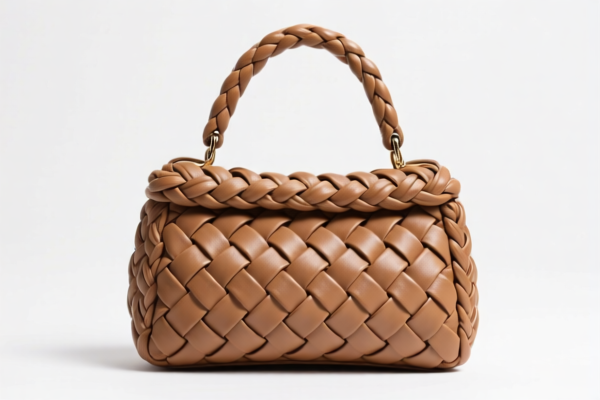
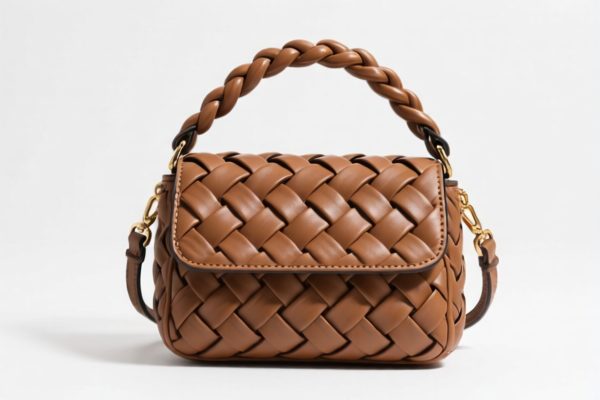
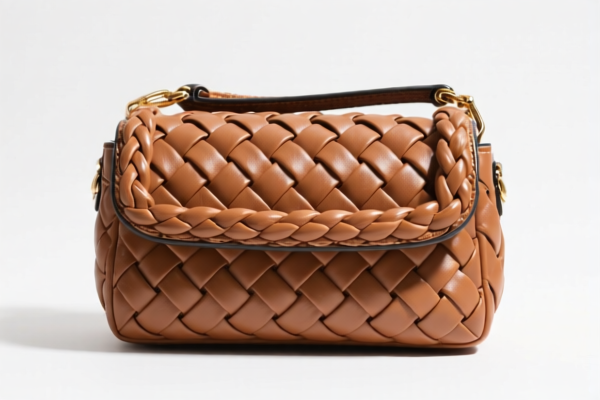
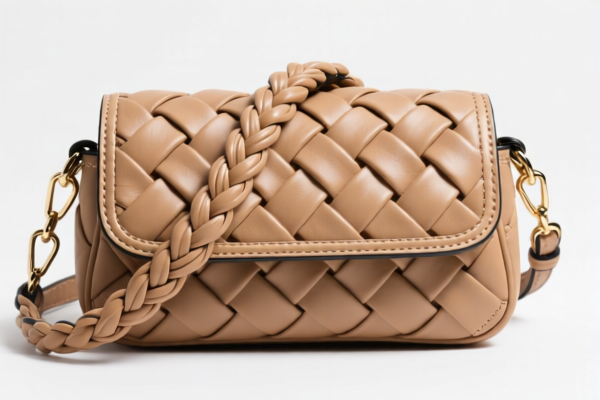
AI Analysis
👜 Woven Handbag (Retro Style) – The Complete 2026 Customs & Tax Guide
🌐 HS Code Reference & Clearance Strategy | 2026 Latest Tariff Analysis | Professional Cross-Border Logistics
📌 I. Product Definition & Classification: What Exactly Is a "Woven Handbag"?
A "Woven Handbag" is a versatile accessory category dominated by natural or synthetic fibers. In international trade, its classification hinges entirely on material composition and structural form. The "Retro Style" is an aesthetic descriptor, not a customs classification factor; however, it often implies specific materials like straw, rattan, or thick cotton/linen blends.
Two Main Classification Paths: 1. Article 42 (Leather/Travel Goods): Handbags made of plastic sheeting, textile materials (cotton, hemp, jute), or other non-woven materials that retain their shape. 2. Chapter 46 (Woven Materials): Handbags made specifically of plaited straw, osier, bamboo, or other plaiting materials.
⚠️ Key Distinction Point:
- If the bag is made of plastic fibers or synthetic sheets →归入 3926.90.33.00
- If the bag is made of textile materials (cotton, hemp, synthetic fabric) →归入 4202.22.35.00 / 4202.22.40.20
- If the bag is made of natural plant materials (straw, rattan, bamboo) →归入 4602.19.29.20 / 4602.19.29.40
📦 II. HS Code Classification Matrix (2026 Latest Tariff Data)
| HS Code | Product Description | Material Logic | Applicable Scenarios |
|---|---|---|---|
4202.22.35.00 |
Woven Handbag,符合编织材料及手提包形态定义 | Textile/Plastic Composite | Synthetic woven bags, canvas-weave, mixed-material retro bags |
3926.90.33.00 |
Handbag,材质推断为塑料纤维或塑料制品 | Plastic/Synthetic Sheet | Plastic-straw lookalikes, PVC woven effects, synthetic fiber bags |
4602.19.29.20 |
Woven Handbag,符合材质与用途分类 | Natural Plant Fiber (Non-Straw) | Rattan, bamboo, or reed woven bags (non-straw specific) |
4602.19.29.40 |
Plant Material Woven Handbag,符合编织制品分类逻辑 | Natural Plant Fiber (Straw/Osier) | Traditional straw hats turned bags, bamboo weaving, natural fiber craft |
4202.22.40.20 |
Woven Handbag,材质推断为棉、麻或草编 (Textile interpretation) | Cotton/Hemp/Jute | Cotton-linen weaves, jute bags, canvas-based retro styles |
🔍 Critical Reminder:
- "Retro" is not a customs keyword. Customs officers look at material content.
- If it looks like straw but is made of PP plastic ribbon → It is HS 3926, not 4602.
- If it is true natural straw/plant material → It falls under HS 4602.
- Misclassification Risk: Declaring plastic as natural straw can lead to duty evasion penalties; declaring textile as plastic can result in overpayment or clearance delays.
💰 III. 2026 Detailed Tariff Rate Breakdown (US Imports from China)
✅ Applicable Country: United States (US)
✅ Origin: China (CN)
✅ Effective Date: Current 2026 Tariff Structure (Including Section 301 & 122 Measures)
🎯 1. 4202.22.35.00 – Woven Handbag (Textile/Synthetic Blend)
| Item | Detail |
|---|---|
| Base Duty Rate | 8.4% |
| Section 301 Surcharge | +25.0% |
| Section 122 Surcharge | +10.0% |
| Total Effective Tax Rate | 43.4% |
| Calculation Method | CIF Value × 43.4% |
| De Minimis Exemption? | ❌ NO (Value > $800 threshold applies, but high duty makes consolidation risky) |
| Legal Basis Path | USITC:4202.22.35.00 → SECTION_301:Footnote_9903.88.01 → SECTION_122 |
📌 Explanation:
- This code captures many "retro" bags made from woven canvas, hemp, or synthetic fibers that mimic traditional weaving.
- The 43.4% total tax is extremely high, significantly impacting margin.
🎯 2. 3926.90.33.00 – Handbag (Plastic Fiber/Synthetic)
| Item | Detail |
|---|---|
| Base Duty Rate | 6.5% |
| Section 301 Surcharge | 0.0% |
| Section 122 Surcharge | +10.0% |
| Total Effective Tax Rate | 16.5% |
| Calculation Method | CIF Value × 16.5% |
| De Minimis Exemption? | ❌ NO (High risk of scrutiny due to low base rate) |
| Legal Basis Path | USITC:3926.90.33.00 → SECTION_122 |
📌 Strategic Insight:
- Lowest Tax Option! If your "woven" bag is actually made of PP plastic ribbon or PVC fibers (common in cheap retro bags), classifying here saves ~27% compared to textile classifications.
- Warning: Must provide material certificates proving synthetic content. If customs tests it and finds natural fiber, they will reclassify and penalize.
🎯 3. 4602.19.29.20 & 4602.19.29.40 – Plant Material Woven Bags
| Item | Detail |
|---|---|
| Base Duty Rate | 5.3% |
| Section 301 Surcharge | +25.0% |
| Section 122 Surcharge | +10.0% |
| Total Effective Tax Rate | 40.3% |
| Calculation Method | CIF Value × 40.3% |
| De Minimis Exemption? | ❌ NO |
| Legal Basis Path | USITC:4602.19.29.xx → SECTION_301 → SECTION_122 |
📌 Explanation:
- Applies to true natural materials: Straw, Bamboo, Rattan, Osier.
- Although the base rate (5.3%) is lower than textile (8.4%), the 25% Section 301 surcharge brings the total to 40.3%.
- Note: HS4602.19.29.20and4602.19.29.40have identical tax structures in this dataset. Use4602.19.29.40for traditional straw/plant weaving as per the summary "Plant Material Woven Handbag."
🎯 4. 4202.22.40.20 – Cotton/Hemp/Jute Woven Handbag
| Item | Detail |
|---|---|
| Base Duty Rate | 7.4% |
| Section 301 Surcharge | +25.0% |
| Section 122 Surcharge | +10.0% |
| Total Effective Tax Rate | 42.4% |
| Calculation Method | CIF Value × 42.4% |
| De Minimis Exemption? | ❌ NO |
| Legal Basis Path | USITC:4202.22.40.20 → SECTION_301 → SECTION_122 |
📌 Explanation:
- Specifically for natural fiber textiles like cotton, linen, or jute weaves.
- Tax rate is slightly higher than plant-material weaving (4602) due to the higher base rate (7.4% vs 5.3%).
🛠️ IV. Customs Clearance Practical Advice (Avoiding Pitfalls)
✅ 1. Material Certification is King
| Document | Required? | Description |
|---|---|---|
| ✅ Material Composition Sheet | ✔️ Mandatory | Must specify % of Cotton, Polyester, Plastic, Straw, etc. |
| ✅ Product Photos (Macro) | ✔️ Mandatory | Close-ups of weave texture to distinguish natural fiber vs. plastic imitation. |
| ✅ Supplier Declaration | ✔️ Mandatory | Signed statement confirming material origin and type. |
| ✅ Commercial Invoice | ✔️ Mandatory | Clearly state "Handbag" and "Material: [Specify]" NOT just "Fashion Accessory." |
| ✅ Packing List | ✔️ Mandatory | Net/Gross weight, dimensions. |
✅ 2. Classification Strategy (The "Tax Saving" Logic)
🔥 Golden Rule:
"If it bends without breaking and looks like plastic, declare Plastic (16.5%). If it’s real straw, declare Plant (40.3%). If it’s fabric, declare Textile (42-43%)."
| Scenario | Recommended HS Code | Total Tax | Why? |
|---|---|---|---|
| PP Ribbon Bag (Looks like straw, feels like plastic) | 3926.90.33.00 |
16.5% | Lowest Tax. Synthetic materials enjoy 0% Section 301. |
| True Straw/Rattan Bag | 4602.19.29.40 |
40.3% | Natural plant material. High base + 301 + 122. |
| Cotton/Linen Woven Bag | 4202.22.40.20 |
42.4% | Textile material. Higher base rate than straw. |
| Mixed Synthetic Weave | 4202.22.35.00 |
43.4% | Complex textile/synthetic blend. Highest tax in this set. |
✅ 3. Special Cases & Warnings
| Situation | Handling Advice |
|---|---|
| "Eco-Friendly" Marketing | Do NOT use "Eco-Friendly" or "Natural" on invoice if made of plastic. Customs may flag for misdeclaration. |
| Mixed Bundles | If shipping handbags with other items (e.g., keys, mirrors), ensure they are not set goods. Declare separately. |
| Pre-1996 vs. New Styles | "Retro" style does not qualify for older duty rates. All new imports fall under current 2026 tariffs. |
| Section 122 | Note that the 10% Section 122 tariff applies to almost all HS codes in this dataset. Do not forget to include it in cost calculations. |
🌍 V. Global Market Comparison (2026 Snapshot)
| Region | Best HS Code for Plastic Weave | Best HS Code for Natural Straw | Key Requirement |
|---|---|---|---|
| 🇺🇸 USA | 3926.90.33.00 (16.5%) |
4602.19.29.40 (40.3%) |
FCC (if electronic), Material Cert |
| 🇪🇺 EU | 4202.22 or 3926 |
4602 |
CE Marking, REACH Compliance |
| 🇬🇧 UK | 4202.22 |
4602 |
UKCA Marking |
| 🇨🇦 Canada | 4202.22 |
4602 |
CBSA Pre-Arrival Review |
📌 Conclusion:
- The USA is the most expensive market for woven handbags due to the叠加 of Section 301 (25%) and Section 122 (10%).
- Plastic-based "Retro" bags are significantly cheaper to import into the US (16.5%) than natural straw bags (40.3%).
- Supply chain strategy: Consider sourcing plastic-weave alternatives if targeting the US market to maximize margin.
📌 VI. Common Mistakes & Pitfalls (Lessons Learned)
❌ Mistake 1: Declaring a Plastic Straw Bag as Natural Straw (4602).
👉 Consequence: Customs lab test reveals plastic. Penalty for fraud, back taxes, and potential seizure.
👉 Fix: Be honest about material. Declare as 3926.90.33.00 for lower tax.
❌ Mistake 2: Ignoring Section 122 (10%).
👉 Consequence: Under-declaring tax by 10%. Audit risk.
👉 Fix: Always add 10% to your landed cost calculation for US imports.
❌ Mistake 3: Using vague descriptions like "Fashion Bag" on Invoice.
👉 Consequence: Customs holds shipment for classification verification. Delays of 5-10 days.
👉 Fix: Use precise description: "Women's Woven Handbag, Material: PP Plastic Ribbon, Style: Retro."
✅ Best Practice:
"Material Truth, Precise HS, Full Documentation."
🎯 VII. Conclusion: Smart Classification for Max Profit
🎯 Key Takeaway:
🔹 Plastic Weave = 16.5% Tax (Best for US Market)
🔹 Natural Straw = 40.3% Tax (High Cost, Niche Appeal)
🔹 Textile Weave = 42-43% Tax (Highest Cost)📌 Action Plan:
1. Identify Material: Is it PP plastic or real straw?
2. Select HS Code: Match material to3926(Plastic) or4602/4202(Natural/Textile).
3. Calculate Landed Cost: CIF + Base Duty + 25% (301) + 10% (122).
4. Prepare Docs: Material Certificate + Photos + Invoice.
📣 Immediate Action:
📞 Consult your customs broker before shipping.
📸 Send material swatches for classification confirmation.
📉 Optimize for US Market: If possible, shift design to plastic-weave aesthetics to save 24% in duties.
✨ Precision in Classification, Power in Profit!
💼 Don’t let tax errors eat your margins!
Customer Reviews
About HS Code Classification
The Harmonized System (HS) is an internationally standardized nomenclature developed by the World Customs Organization (WCO) to classify traded products. Over 200 countries use the HS system as the basis for customs tariffs, trade statistics, and import/export regulations.
Each HS code follows a hierarchical structure:
- Chapter (2 digits) — Broad category of goods (e.g., Chapter 84: Machinery and Mechanical Appliances)
- Heading (4 digits) — More specific grouping within the chapter
- Subheading (6 digits) — Internationally standardized breakdown, used by all WCO member countries
- National subdivisions (8-10 digits) — Country-specific extensions for further classification, such as US HTSUS 10-digit codes
Correct HS code classification is essential for smooth customs clearance, accurate duty payment, and compliance with trade regulations. Misclassification can lead to customs delays, overpayment of duties, or penalties.
When importing from CN to US, the applicable tariff rates may include:
- Most-Favored-Nation (MFN) rate — The standard duty rate applied to WTO members
- General rate — Applied to countries without trade agreements
- Trade remedy duties — Additional tariffs such as Section 301 (anti-dumping), Section 232 (national security), or countervailing duties
The information provided on this page is for reference purposes only. For official classification, please consult with your local customs authority or a licensed customs broker.