woven handbag retro style
CN → US| HS Code | Tariff Rate | Origin | Destination | Doc |
|---|---|---|---|---|
| 4202224020 | 42.4% | CN | US | Official Doc |
| 4602192920 | 40.3% | CN | US | Official Doc |
| 4602112100 | 41.2% | CN | US | Official Doc |
| 4202228980 | 52.6% | CN | US | Official Doc |
Product Images
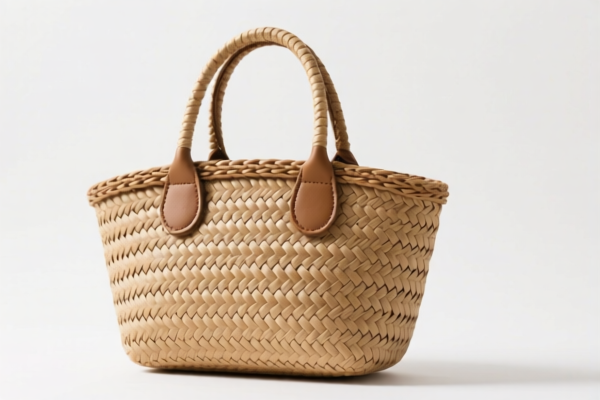
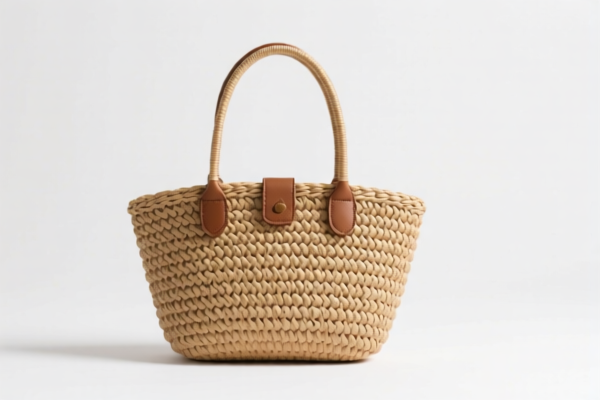
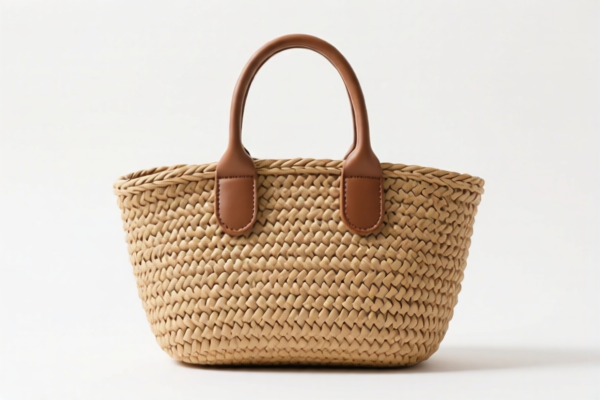
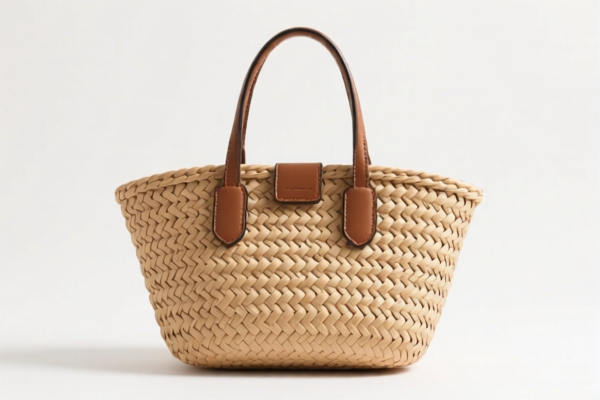
AI Analysis
🧺 Woven Handbags – Retro Style (Handbags, Travel, Satchels and Similar Containers)
🌐 HS Code Reference & Customs Clearance Guide | 2026 Latest Tariff Full Analysis | Professional Clearance Strategy
📌 1. Product Definition & Classification: What exactly is a "Retro Woven Handbag"?
A "Woven Handbag" is a general term for bags made by interlacing strips of material. The classification depends entirely on the raw material and the manufacturing technique. "Retro style" is a marketing term and holds no weight in customs classification; it refers only to the aesthetic design.
In international trade, these are primarily classified under Chapter 42 (Articles of Leather) or Chapter 46 (Articles of Plaiting Materials).
⚠️ Key Distinction Point:
- If the weaving material is plastic thread, synthetic fiber, or textile fabric → Classified under 4202 (Articles of Leather/Plastic/Textile).
- If the weaving material is natural vegetable material (Bamboo, Rattan, Straw, Wicker) → Classified under 4602 (Articles of Plaiting Materials).
📦 2. HS Code Classification Details (2026 Latest Tariff Authority Comparison)
| HS Code | Product Description | Material Type | Key Feature |
|---|---|---|---|
4202.22.40.20 |
Woven Handbag, material is woven material (non-textile/non-plastic specific) | Non-textile woven material | General woven synthetic or mixed material |
4602.19.29.20 |
Woven Handbag, material is plant material woven product | Vegetable material (straw, etc.) | General plant-based weaving |
4602.11.21.00 |
Woven Handbag, material is bamboo, rattan, etc. | Bamboo, Rattan, Reeds | Specific natural plant fibers |
4202.22.89.80 |
Woven Handbag, material is other textile materials | Textile fabric | Textile-based weaving or lining dominant |
🔍 Important Reminder:
- Chapter 42 items are generally treated as "articles of leather" (broadly defined) or plastic/textile goods, often subject to higher base tariffs.
- Chapter 46 items are treated as "plaiting materials" and often have lower base tariffs but are still heavily affected by trade policy surcharges.
- The term "Retro" does not change the HS Code. It is the material composition that dictates the code.
💰 3. 2026 Latest Tariff Rate Details (Including Surcharges & Policy Add-ons)
✅ Applicable Country: United States (US)
✅ Origin: China (CN)
✅ Effective Date: From November 10, 2025 (including subsequent imports)
🎯 1. 4202.22.40.20 —— Woven Handbag, Material is Woven Material
| Item | Content |
|---|---|
| Base Tariff | 7.4% (ad valorem) |
| Section 301 Surcharge | +25.0% (From USITC Footnote 9903.88.01) |
| Section 122 Surcharge | +10.0% (Targeting China/HK products, effective 2025/11/10) |
| Total Tariff Rate | 42.4% |
| Tax Calculation | CIF Value × 42.4% |
| De Minimis Eligibility | ❌ Not Eligible (deny_de_minimis) |
| Legal Basis Path | Section 122 → Section 301 → USITC:4202.22.40.20 |
📌 Explanation:
- "Base Tariff 7.4%" is the standard MFN rate for this woven good;
- "Section 301 Surcharge 25%" is the retaliatory tariff under the Trade Act;
- "Section 122 Surcharge 10%" is a new import surcharge under Section 232/122 powers targeting specific Chinese goods;
- Total 42.4% is a high cost, requiring precise calculation.
🎯 2. 4602.19.29.20 —— Woven Handbag, Material is Plant Material Woven Product
| Item | Content |
|---|---|
| Base Tariff | 5.3% (ad valorem) |
| Section 301 Surcharge | +25.0% |
| Section 122 Surcharge | +10.0% |
| Total Tariff Rate | 40.3% |
| Tax Calculation | CIF Value × 40.3% |
| De Minimis Eligibility | ❌ Not Eligible |
| Legal Basis Path | Section 122 → Section 301 → USITC:4602.19.29.20 |
📌 Note:
- Compared to textile-based bags, plant-based woven goods have a slightly lower base rate (5.3% vs 7.4%);
- However, the Section 301 and Section 122 surcharges remain the same (+35%), so the total rate is only 2.1% lower.
- Applies to straw hats, rattan boxes, and woven bags made of non-bamboo/rattan plant fibers.
🎯 3. 4602.11.21.00 —— Woven Handbag, Material is Bamboo, Rattan, etc.
| Item | Content |
|---|---|
| Base Tariff | 6.2% (ad valorem) |
| Section 301 Surcharge | +25.0% |
| Section 122 Surcharge | +10.0% |
| Total Tariff Rate | 41.2% |
| Tax Calculation | CIF Value × 41.2% |
| De Minimis Eligibility | ❌ Not Eligible |
| Legal Basis Path | Section 122 → Section 301 → USITC:4602.11.21.00 |
📌 Attention:
- Bamboo and rattan are considered "plaiting materials" but are often subject to stricter scrutiny due to phytosanitary regulations;
- The base rate is 6.2%, higher than other plant materials (5.3%) but lower than textiles (17.6%);
- Ensure the product is truly 100% natural bamboo/rattan and not mixed with synthetic frames.
🎯 4. 4202.22.89.80 —— Woven Handbag, Material is Other Textile Materials
| Item | Content |
|---|---|
| Base Tariff | 17.6% (ad valorem) |
| Section 301 Surcharge | +25.0% |
| Section 122 Surcharge | +10.0% |
| Total Tariff Rate | 52.6% |
| Tax Calculation | CIF Value × 52.6% |
| De Minimis Eligibility | ❌ Not Eligible |
| Legal Basis Path | Section 122 → Section 301 → USITC:4202.22.89.80 |
📌 Warning:
- This is the highest tax bracket among all woven handbag categories;
- If your bag is made of woven polyester, nylon, cotton fabric, or has a textile lining that defines its character, it falls here;
- 52.6% is extremely high and may eliminate profit margins completely. Consider alternative materials or markets.
🛠️ 4. Customs Clearance Practical Advice (Battlefield Pit-avoidance Guide)
✅ 1. Preparation Material Checklist (None Missing)
| Material | Must Provide | Explanation |
|---|---|---|
| ✅ Product Spec Sheet | ✔️ | Include size, shape, closure type (zipper/button), interior pockets |
| ✅ Material Composition Chart | ✔️ | Critical: Specify percentage of bamboo, rattan, straw, plastic, or textile |
| ✅ Product Photos | ✔️ | Clear shots of the weave pattern, brand logo, and hardware (zippers, clasps) |
| ✅ Commercial Invoice | ✔️ | Must state "Woven Handbag" and specify material (e.g., "Bamboo Woven") |
| ✅ Packing List | ✔️ | Detail net/gross weight, quantity per carton |
| ✅ Phytosanitary Certificate | ✔️ | Required if material is natural plant-based (Bamboo/Rattan/Straw) |
| ✅ Origin Certificate | ✔️ | If not from China, to prove origin and avoid surcharges |
✅ 2. Declaration Tips (Key Mantras)
🔥 "Material Defines Code, Style is Irrelevant!"
| Scenario | Correct Declaration | Wrong Practice |
|---|---|---|
| Bamboo/Rattan Bag | 4602.11.21.00 (Bamboo/Rattan) |
Misdeclare as "Plastic Woven" → Audit Risk |
| Straw/Plastic Bag | 4602.19.29.20 (Other Plant) |
Misdeclare as "Textile" → Tax Jump to 52.6% |
| Synthetic/Textile Bag | 4202.22.40.20 or .89.80 |
Misdeclare as "Plant Material" → Claim Falsification |
| Mixed Material Bag | Most Significant Material | Vague description "Fashion Bag" → Seizure/Delay |
✅ 3. Special Handling
| Scenario | Handling Advice |
|---|---|
| OEM Custom Bags | Provide design sketches showing weave pattern to prove material nature |
| Bags with Metal/Leather Hardware | Still classified by main weaving material; hardware is incidental |
| Bamboo Bags with Lining | If lining is textile, but outer is bamboo → Still 4602 (Plant material dominates) |
| Plastic Imitation Bamboo | Must declare as 4202 (Plastic/Textile), NOT 4602. Falsification leads to penalties. |
🌍 5. Global Main Market Clearance Comparison (2026 Latest)
| Country/Region | Recommended HS Code | Tariff (China Origin) | Certification Requirements | Remarks |
|---|---|---|---|---|
| 🇺🇸 USA | 4602.11.21.00 / 4202.22... |
40.3% - 52.6% | Phytosanitary (if plant) | Highest Surcharges |
| 🇨🇳 China | 4602 / 4202 |
5% - 10% | None | No additional surcharges |
| 🇪🇺 EU | 4602 / 4202 |
0% - 6% | REACH (if plastic/textile) | Generally low tariffs |
| 🇬🇧 UK | 4602 / 4202 |
0% - 6% | UKCA (if applicable) | Post-Brexit rules apply |
| 🇦🇺 Australia | 4602 / 4202 |
5% - 10% | Biosecurity Declaration | Strict plant inspection |
📌 Conclusion:
- USA is the only major market with heavy surcharges (35-45%) on woven goods;
- Plant-based materials (Bamboo/Rattan) require Phytosanitary Certificates;
- Textile-based bags face the highest total tax (52.6%).
📌 6. Common Errors & Pitfall Guide (Lessons Learned)
❌ Error 1: Calling a "Plastic Woven Bag" a "Bamboo Bag"
👉 Consequence: Customs Fraud. Seizure, fines, and loss of import privileges.
❌ Error 2: Ignoring the Phytosanitary Certificate for Bamboo Bags
👉 Consequence: Detention at Port. Risk of destruction if pests are found.
❌ Error 3: Using "Retro" or "Fashion" as the HS Description
👉 Consequence: Customs Audit. Customs will reject vague terms and assign a code based on material, potentially with penalties for misdeclaration.
❌ Error 4: Assuming "Woven" means 4602 only
👉 Consequence: Underpayment of Tax. If it's textile woven, tax is 52.6%, not 40.3%.
✅ Correct Practice:
"Handbag, Woven, Made of Natural Bamboo Strips, with Cotton Lining, Style: Retro, Model: XYZ"
🎯 7. Conclusion: Precise Declaration, Save Money, Avoid Risks!
🎯 Remember the Mantra:
🔹 "Material Rules All: Plant 40%, Textile 52%, Bamboo Needs Cert!"
🔹 "Don't Guess the Code: A 2% Difference in Base Rate Means Thousands in Savings!"
📌 Pro Tip:
If your product is plastic imitating bamboo, declare it as 4202 (Plastic/Textile) to avoid phytosanitary delays, but be aware of the higher tax rate (52.6% or 42.4%).
Pre-ruling (Advance Ruling) is highly recommended for mixed-material bags.
📣 Immediate Action:
📞 Contact a professional customs broker + Provide material spec sheet + Apply for HS Code Pre-ruling
🚀 Let your woven handbags clear customs smoothly, maximize profit, and expand global sales!
✨ Professional Clearance Starts with Precise Classification!
💼 Every cent of tax is worth calculating accurately!
Customer Reviews
About HS Code Classification
The Harmonized System (HS) is an internationally standardized nomenclature developed by the World Customs Organization (WCO) to classify traded products. Over 200 countries use the HS system as the basis for customs tariffs, trade statistics, and import/export regulations.
Each HS code follows a hierarchical structure:
- Chapter (2 digits) — Broad category of goods (e.g., Chapter 84: Machinery and Mechanical Appliances)
- Heading (4 digits) — More specific grouping within the chapter
- Subheading (6 digits) — Internationally standardized breakdown, used by all WCO member countries
- National subdivisions (8-10 digits) — Country-specific extensions for further classification, such as US HTSUS 10-digit codes
Correct HS code classification is essential for smooth customs clearance, accurate duty payment, and compliance with trade regulations. Misclassification can lead to customs delays, overpayment of duties, or penalties.
When importing from CN to US, the applicable tariff rates may include:
- Most-Favored-Nation (MFN) rate — The standard duty rate applied to WTO members
- General rate — Applied to countries without trade agreements
- Trade remedy duties — Additional tariffs such as Section 301 (anti-dumping), Section 232 (national security), or countervailing duties
The information provided on this page is for reference purposes only. For official classification, please consult with your local customs authority or a licensed customs broker.