Woven Handbag (Small Capacity)
CN → US| HS编码 | 关税税率 | 原产国 | 目的国 | 文档 |
|---|---|---|---|---|
| 4202228930 | 52.6% | CN | US | 官方文档 |
| 4602192920 | 40.3% | CN | US | 官方文档 |
| 3926909989 | 22.8% | CN | US | 官方文档 |
| 4202223500 | 43.4% | CN | US | 官方文档 |
| 4202224020 | 42.4% | CN | US | 官方文档 |
商品图片
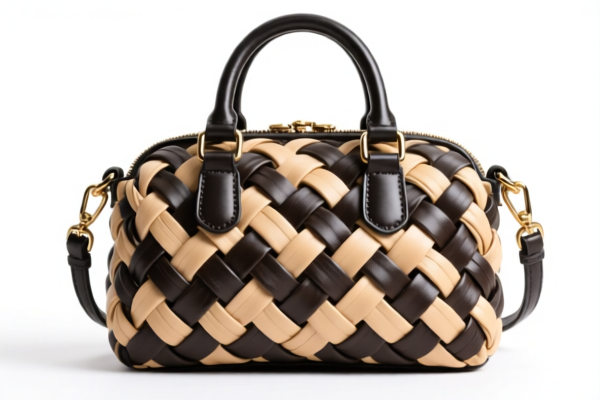
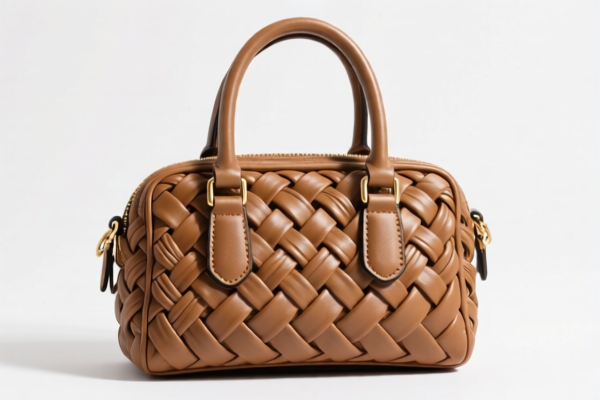
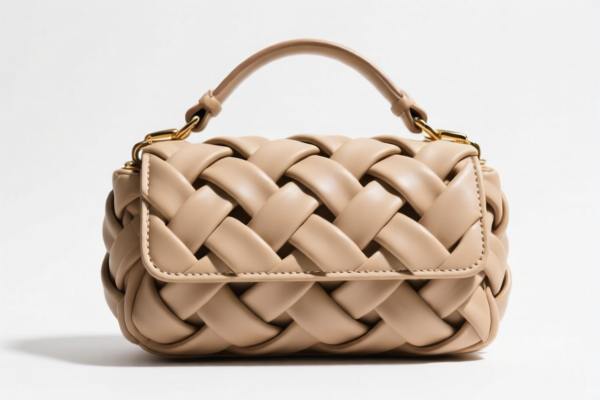
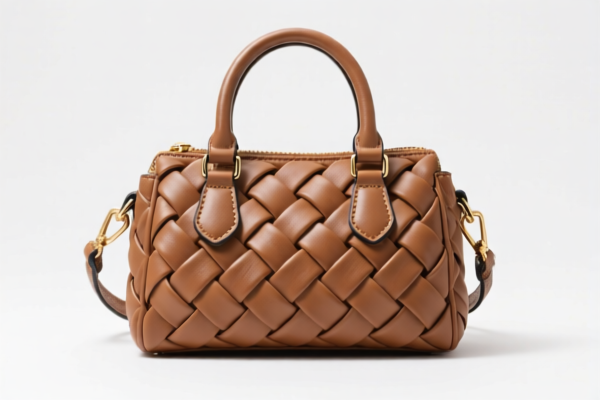
AI分析
👜 Woven Handbag (Small Capacity)
🌐 HS Code Reference & Customs Clearance Guide | 2026 Latest Tariff Analysis | Professional Entry Strategies
📌 I. Product Definition & Classification: Do You Really Understand "Woven Handbags"?
A Woven Handbag (Small Capacity) is a fashion accessory designed for carrying small personal items (keys, phone, cosmetics). In international trade, its classification hinges on two critical factors:
1. Material Composition: Is the "weave" natural fiber, synthetic textile, or plastic-like polymer?
2. Construction: Is it a finished bag with lining/hardware, or a raw woven piece?
⚠️ Key Distinction Points:
- If the exterior is made of textile materials (cotton, polyester, jute weave) → It generally falls under Chapter 42 (Articles of leather; saddlery and harness).
- If the exterior is made of plastic materials (synthetic fiber weave that behaves like plastic) → It may fall under Chapter 39 (Plastics and articles thereof).
- If the material is natural vegetable materials (straw, rattan, reed) → It falls under Chapter 46 (Man-made cellulosic fiber paper; weaving materials).
📦 II. HS Code Classification Details (2026 Latest Tariff Authority Comparison)
Based on the provided data, here are the five most relevant HS Codes for Woven Handbags, categorized by material inference:
| HS Code | Product Description | Material Inference | Application Scenario | Tax Profile |
|---|---|---|---|---|
4602.19.29.20 |
Woven Handbags | Natural/Cellulosic Weaving Materials (Straw, Rattan, Reed, etc.) |
Straw bags, rattan totes, eco-friendly woven fashion | 40.3% |
4202.22.35.00 |
Woven Handbags | Textile Weave (Inferred woven textile material) |
Standard woven fabric handbags, cotton/poly blend | 43.4% |
4202.22.40.20 |
Woven Handbags | Textile Weave (No material conflict, textile assumption) |
General textile handbags, fashion accessories | 42.4% |
4202.22.89.30 |
Woven Handbags | Woven Textile Material (Outer layer is textile) |
Other woven handbags not specified in above codes | 52.6% |
3926.90.99.89 |
Woven Handbags | Plastic/Polymer (Synthetic fiber weave, plastic-like) |
Synthetic woven bags, plastic-straw alternatives | 22.8% |
🔍 Critical Reminder:
- Chapter 46 (4602...) applies only if the weave is from natural vegetable materials (e.g., straw). This is a premium niche with moderate taxes.
- Chapter 42 (4202...) is the most common for fashion handbags. The subheading4202.22specifically refers to handbags with an outer surface of textile materials.
- Chapter 39 (3926...) applies if the "woven" appearance is created by plastic strips or synthetic fibers that are classified as plastics. This often yields the lowest tariff.
- Misclassification Risk: Declaring a plastic-woven bag as4202(textile) will result in a massive tax overpayment (40%+ vs 22%). Conversely, declaring a textile bag as3926may trigger a customs audit for "false declaration of material."
💰 III. 2026 Latest Tariff Rate Breakdown (Including Surcharges & Policy Add-ons)
✅ Applicable Country: United States (US)
✅ Country of Origin: China (CN)
✅ Effective Date: Post-November 10, 2025 (Includes subsequent imports)
🎯 1. 4602.19.29.20 —— Woven Handbags (Natural Vegetable Materials)
| Item | Content |
|---|---|
| Base Tariff | 5.3% |
| Section 301 Surcharge | +25.0% |
| IEEPA Surcharge (122 Clause) | +10.0% |
| Total Effective Rate | 40.3% |
| Tax Calculation | CIF Value × 40.3% |
| De Minimis Exemption | ❌ Not Eligible (denied_de_minimis) |
| Legal Basis Path | USITC:4602.19.29.20 → FOOTNOTE:301 → IEEPA:122 |
📌 Explanation:
- This code benefits from the lowest base tariff (5.3%) among the "woven" options because natural weaving materials are considered less industrial.
- However, Section 301 (25%) and IEEPA (10%) still apply, resulting in a 40.3% total burden.
- Strategy: Ideal if you can source natural straw/rattan from non-China origins (e.g., Vietnam, India) to avoid Section 301.
🎯 2. 4202.22.35.00 & 4202.22.40.20 —— Woven Handbags (Textile Materials)
| Item | Content |
|---|---|
| Base Tariff | 7.4% - 8.4% |
| Section 301 Surcharge | +25.0% |
| IEEPA Surcharge (122 Clause) | +10.0% |
| Total Effective Rate | 42.4% - 43.4% |
| Tax Calculation | CIF Value × ~43% |
| De Minimis Exemption | ❌ Not Eligible (denied_de_minimis) |
| Legal Basis Path | USITC:4202.22.xx.xx → FOOTNOTE:301 → IEEPA:122 |
📌 Note:
- These codes are standard for textile handbags. The slight difference in base tariff (7.4% vs 8.4%) depends on the specific textile composition details.
- High Tax Burden: With a ~43% total rate, cost control is critical.
- Material Proof: Customs will require proof that the outer layer is textile (e.g., fabric swatch, weaving diagram).
🎯 3. 4202.22.89.30 —— Other Woven Handbags (Textile)
| Item | Content |
|---|---|
| Base Tariff | 17.6% |
| Section 301 Surcharge | +25.0% |
| IEEPA Surcharge (122 Clause) | +10.0% |
| Total Effective Rate | 52.6% |
| Tax Calculation | CIF Value × 52.6% |
| De Minimis Exemption | ❌ Not Eligible (denied_de_minimis) |
| Legal Basis Path | USITC:4202.22.89.30 → FOOTNOTE:301 → IEEPA:122 |
📌 Warning:
- This is the highest tax bracket for woven handbags. It applies to textile handbags that do not fit into the specific subcategories of4202.22.35or4202.22.40.
- Avoidance Strategy: Try to classify your product under4202.22.35or4202.22.40by providing detailed material specifications that fit those narrower definitions.
🎯 4. 3926.90.99.89 —— Woven Handbags (Plastic/Polymer)
| Item | Content |
|---|---|
| Base Tariff | 5.3% |
| Section 301 Surcharge | +7.5% (Note: Lower than standard 301 for some plastic goods) |
| IEEPA Surcharge (122 Clause) | +10.0% |
| Total Effective Rate | 22.8% |
| Tax Calculation | CIF Value × 22.8% |
| De Minimis Exemption | ❌ Not Eligible (denied_de_minimis) |
| Legal Basis Path | USITC:3926.90.99.89 → FOOTNOTE:301 → IEEPA:122 |
📌 Opportunity:
- Lowest Tax Rate: At 22.8%, this is significantly cheaper than textile/natural options.
- Condition: This ONLY applies if the woven material is legally classified as plastic (e.g., PVC strips, polypropylene weave, synthetic "straw").
- Risk: If the product is actually cotton or polyester, declaring it as3926is illegal and risks severe penalties. Use this only if the material is genuinely plastic-based.
🛠️ IV. Customs Clearance Practical Advice (Battle-Tested Pitfall Guide)
✅ 1. Document Checklist (Non-Negotiable)
| Document | Required | Explanation |
|---|---|---|
| ✅ Product Photo | ✔️ | Clear shot of the weave pattern, showing if it’s straw, fabric, or plastic strip. |
| ✅ Material Swatch | ✔️ | A small piece of the outer material for customs lab testing if requested. |
| ✅ Composition Certificate | ✔️ | States: "100% Cotton Weave," "100% Straw," or "100% Polypropylene." |
| ✅ Commercial Invoice | ✔️ | Must specify: "Woven Handbag, Material: [XXX], Capacity: Small." |
| ✅ Packing List | ✔️ | Weight and dimensions are crucial for duty calculation. |
| ✅ Lining/Hardware Details | ✔️ | Confirm if lining is textile, leather, or plastic (affects Chapter 42 vs 39). |
✅ 2. Declaration Tips (Key Mantra)
🔥 "Material Defines Code, Plastic Saves Money, Textile is Standard, Straw is Niche!"
| Scenario | Correct Declaration | Wrong Action |
|---|---|---|
| Cotton/Polyester Woven | 4202.22.35.00 or 4202.22.40.20 |
Declare as 3926 → Audit for false material |
| Natural Straw/Rattan | 4602.19.29.20 |
Declare as 4202 → Misclassification |
| Plastic Strip Woven | 3926.90.99.89 |
Declare as 4202 → Overpay ~20% tax |
| Mixed Materials | Analyze outer layer | Guessing → Random high tax |
✅ 3. Special Situations
| Situation | Handling Advice |
|---|---|
| OEM/Custom Design | Provide design sketches showing the weave type to justify 4202 vs 3926. |
| "Eco-Friendly" Marketing | If using PLA (Polylactic Acid), it is still plastic. Declare as 3926 (22.8%) unless it’s certified as natural vegetable fiber (then 4602). |
| Small Capacity | Emphasize "Handbag" not "Pouch" or "Wallet" to avoid Chapter 43 (Fur) or 49 (Travel Goods) ambiguities. |
| Origin Diversification | If using Vietnamese Straw, you may avoid Section 301 (25%) if eligible, reducing 4602 tax significantly. |
🌍 V. Global Market Comparison (2026 Latest)
| Country/Region | Recommended HS Code | Tariff (China Origin) | Certification Requirements | Notes |
|---|---|---|---|---|
| 🇺🇸 USA | 3926.90.99.89 (if plastic) |
22.8% | IEEPA 122 Compliance | Best tax rate if material is plastic. |
| 🇺🇸 USA | 4202.22.40.20 (if textile) |
42.4% | IEEPA 122 Compliance | Standard for fashion bags. |
| 🇨🇳 China | 4202.22.40.20 |
~10-15% | N/A | Lower base rates, no Section 301. |
| 🇪🇺 EU | 4202.22.40.20 |
10-12% | CE (if applicable) | No anti-dumping on handbags generally. |
| 🇬🇧 UK | 4202.22.40.20 |
12% | UKCA (if applicable) | Post-Brexit tariffs apply. |
📌 Conclusion:
- USA is the most tax-sensitive market due to Section 301 and IEEPA 122.
- Plastic-based woven bags (3926) offer the biggest savings in the US market (22.8% vs 43%+).
- Textile bags (4202) are the safest default for fashion brands but carry higher tax.
📌 VI. Common Errors & Pitfall Guide (Lessons Learned)
❌ Error 1: Declaring a Cotton Woven bag as 3926 (Plastic)
👉 Consequence: Customs Penalty + Back Tax + Rejection. Labs will detect the natural fiber.
❌ Error 2: Declaring a Plastic Woven bag as 4202 (Textile)
👉 Consequence: Overpayment of ~20% tax. No penalty, but lost profit.
❌ Error 3: Vague Description: "Woven Bag"
👉 Consequence: Customs holds shipment to determine material. Delay costs money.
✅ Correct: "Woven Handbag, Outer Material: 100% Polypropylene Strips, Lining: Polyester"
❌ Error 4: Ignoring the "Small Capacity" Aspect
👉 Consequence: If it’s too large, it might be classified as "Travel Goods" (4202.90) with different rates. Ensure dimensions align with "Handbag."
✅ Correct Declaration Example:
"Woven Handbag, Small Size, 100% Synthetic Plastic Strips, Unlined, Brand: XYZ, HS: 3926.90.99.89"
🎯 VII. Conclusion: Professional Classification, Cost Savings!
🎯 Remember the Mantra:
🔹 "Plastic Woven? Go 3926 (22.8%). Textile Woven? Go 4202 (43%). Straw Woven? Go 4602 (40.3%)."
🔹 "Material Proof is King. No Paper, No Clearance."
🔹 "IEEPA 122 applies to ALL Chinese Origin Handbags. Budget for 10% on top!"
📌 Pro Tip:
If your product is 100% Plastic (even if it looks like straw), ALWAYS declare under 3926.90.99.89 for the US market. The 20%+ tax savings justifies the slight risk of providing material test reports.
For Textile bags, try to fit 4202.22.40.20 (42.4%) rather than 4202.22.89.30 (52.6%) by providing specific textile composition details.
📣 Action Required:
📞 Confirm Material: Is your "woven" bag Cotton, Straw, or Plastic?
📄 Get Test Report: Obtain a material composition certificate from your supplier.
🚀 Optimize HS Code: Choose the lowest legal rate based on material.
✨ Professional Customs Clearance Starts with Precise Classification!
💼 Every Percentage Point Saved is Pure Profit!
用户评价
关于 HS 编码归类
协调制度(HS)是由世界海关组织(WCO)制定的国际贸易商品分类标准。全球 200 多个国家采用 HS 系统作为海关关税、贸易统计和进出口监管的基础。
每个 HS 编码遵循以下层级结构:
- 章(2 位)——商品大类(例如:第 84 章:机器和机械设备)
- 品目(4 位)——章内的更具体分类
- 子目(6 位)——国际通用细分,所有 WCO 成员国统一使用
- 本国细分(8-10 位)——各国自行扩展的细分编码,如美国 HTSUS 10 位编码
正确的 HS 编码归类对于顺利通关、准确缴纳关税和遵守贸易法规至关重要。错误归类可能导致海关延误、多缴关税或罚款。
从CN进口到US时,适用的关税税率可能包括:
- 最惠国(MFN)税率——适用于 WTO 成员国的标准关税税率
- 普通税率——适用于无贸易协定国家
- 贸易救济关税——附加关税,如 301 条款(反倾销)、232 条款(国家安全)或反补贴税
本页内容仅供参考。如需正式归类,请咨询当地海关或持牌报关代理。