X ray Protection Acrylic Sheet
CN → US| HS编码 | 关税税率 | 原产国 | 目的国 | 文档 |
|---|---|---|---|---|
| 9022906000 | 35.0% | CN | US | 官方文档 |
| 3920515050 | 41.5% | CN | US | 官方文档 |
| 3920515090 | 41.5% | CN | US | 官方文档 |
| 9022909500 | 36.4% | CN | US | 官方文档 |
商品图片
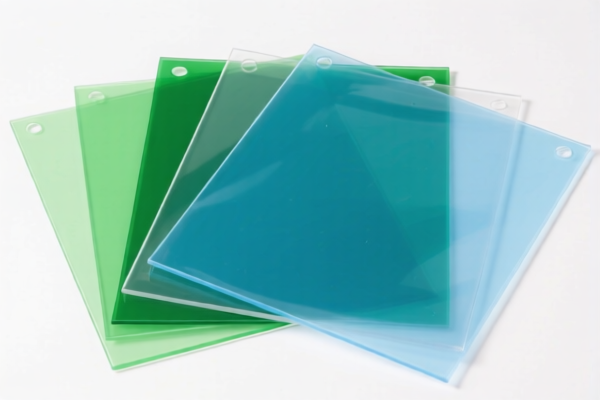
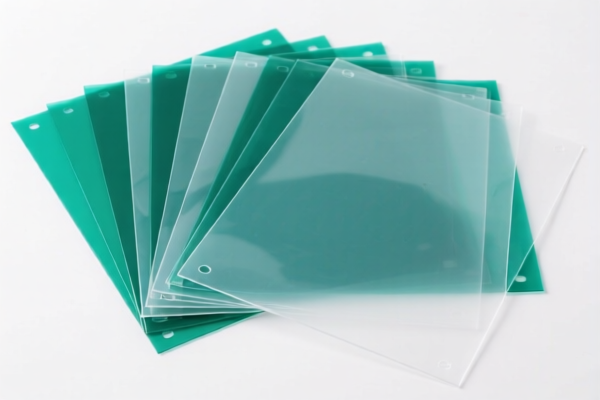
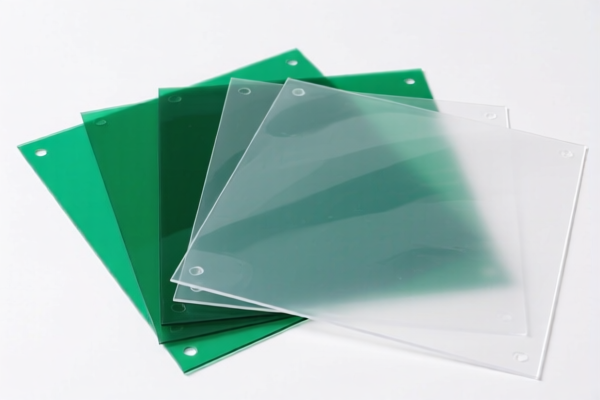

AI分析
🛡️ X-Ray Protection Acrylic Sheet (Radiation Shielding Panel)
🌐 HS Code Reference & Customs Clearance Guide | 2026 Latest Tariff Analysis | Professional Compliance Strategy
📌 1. Product Definition & Classification: What Exactly is "X-Ray Protection Acrylic"?
Acrylic sheets used for X-ray protection are composite or modified polymethyl methacrylate (PMMA) materials. They are designed to attenuate ionizing radiation (X-rays, Gamma rays) in medical, dental, and industrial imaging environments.
In international trade, these sheets face a critical classification dilemma: * Are they "Plastic Sheets"? If classified under Chapter 39, they are treated as raw materials. However, due to their specific function, they often attract Section 301 tariffs (25%) and Section 122 tariffs (10%). * Are they "Parts of Medical Apparatus"? If classified under Chapter 90, they are considered integral components of X-ray machines. This often leads to lower base tariffs but still incurs the same Section 301/122 penalties.
⚠️ Key Distinction:
- If the sheet is sold as a raw material to be fabricated by the buyer → Likely Chapter 39 (Higher Base Duty).
- If the sheet is custom-fitted/specified for a specific X-ray room/wall system → Likely Chapter 90 (Lower Base Duty).
- Both categories currently suffer from heavy US trade remedies.
📦 2. HS Code Classification Details (2026 Latest Tariff Authority Match)
Based on the provided dataset, here are the four possible HS Code classifications and their corresponding tax structures.
| HS Code | Product Description | Summary / Rationale | Total Tax Rate | Tax Breakdown |
|---|---|---|---|---|
9022.90.60.00 |
Parts and Accessories of X-Ray Apparatus | Based on radiation protection purpose and acrylic material, classified as parts for X-ray instruments. | 35.0% | Base: 0.0% Section 301: 25.0% Section 122: 10% |
3920.51.50.50 |
Plates, Sheets, of Acrylic Polymers | Based on acrylic material and plate form, classified as acrylic polymer sheets. Note: Potential conflict if flame retardants are present. | 41.5% | Base: 6.5% Section 301: 25.0% Section 122: 10% |
3920.51.50.90 |
Plates, Sheets, of Acrylic Polymers | Based on acrylic material and plate form. Explicitly states no flame retardant conflict. | 41.5% | Base: 6.5% Section 301: 25.0% Section 122: 10% |
9022.90.95.00 |
Other Parts/Accessories of X-Ray Instruments | Based on acrylic material/plate form, classified under "Other" parts/accessories category in Ch. 90. | 36.4% | Base: 1.4% Section 301: 25.0% Section 122: 10% |
🔍 Critical Insight:
- Chapter 39 Codes (3920.51.50.xx) have a 6.5% base duty. This results in the highest total tax (41.5%) because the base duty is added to the 35% penalties.
- Chapter 90 Codes (9022.90.xx) have lower base duties (0.0% or 1.4%). This results in lower total taxes (35.0% or 36.4%).
- Conclusion: Classifying as "Parts of X-Ray Apparatus" (Ch. 90) is significantly more cost-effective than classifying as "Acrylic Sheets" (Ch. 39).
💰 3. 2026 Tariff Rate Details (Including Penalties & Policy Surcharges)
✅ Applicable Country: United States (US)
✅ Origin: China (CN)
✅ Effective Date: From November 10, 2025 (including subsequent imports)
🎯 1. 9022.90.60.00 — X-Ray Apparatus Parts (Optimal for Specialized Use)
| Item | Detail |
|---|---|
| Base Duty Rate | 0% (ad valorem) |
| USITC Add-on Duty | +25% (Section 301, Footnote 9903.88.01) |
| IEEPA Add-on Duty | +10% (Section 122, targeting specific Chinese industrial goods) |
| Total Effective Rate | 35.0% |
| Tax Calculation | CIF Value × 35% |
| De Minimis Exemption | ❌ Not Applicable (Denied) |
| Legal Basis Path | IEEPA:9903.01.25 → IEEPA:9903.01.24 → USITC:9022.90.60.00 → FOOTNOTE:9903.88.01 |
📌 Explanation:
- The 0% base duty makes this the most tariff-efficient option if the product can be justified as a "part" rather than a general sheet.
- The 25% + 10% penalties are mandatory for Chinese origin goods in this category.
🎯 2. 9022.90.95.00 — Other X-Ray Instrument Parts/Accessories
| Item | Detail |
|---|---|
| Base Duty Rate | 1.4% (ad valorem) |
| USITC Add-on Duty | +25% |
| IEEPA Add-on Duty | +10% |
| Total Effective Rate | 36.4% |
| Tax Calculation | CIF Value × 36.4% |
| De Minimis Exemption | ❌ Not Applicable |
| Legal Basis Path | IEEPA:9903.01.25 → IEEPA:9903.01.24 → USITC:9022.90.95.00 → FOOTNOTE:9903.88.01 |
📌 Note:
- Only 1.4% higher than9022.90.60.00.
- Use this if the sheet is considered a generic accessory rather than a specific part defined in9022.90.60.00.
🎯 3. 3920.51.50.50 / 3920.51.50.90 — Acrylic Polymer Sheets
| Item | Detail |
|---|---|
| Base Duty Rate | 6.5% (ad valorem) |
| USITC Add-on Duty | +25% |
| IEEPA Add-on Duty | +10% |
| Total Effective Rate | 41.5% |
| Tax Calculation | CIF Value × 41.5% |
| De Minimis Exemption | ❌ Not Applicable |
| Legal Basis Path | IEEPA:9903.01.25 → IEEPA:9903.01.24 → USITC:3920.51.50.xx → FOOTNOTE:9903.88.01 |
📌 Warning:
- This is the most expensive option.
-3920.51.50.50may trigger additional scrutiny if flame retardants are detected (conflict).
-3920.51.50.90is safer if no flame retardants are used, but the cost remains high.
🛠️ 4. Customs Clearance Practical Advice (Avoiding Pitfalls)
✅ 1. Documentation Checklist (Mandatory)
| Document | Required? | Notes |
|---|---|---|
| ✅ Product Specification Sheet | ✔️ | Must detail lead content (%), density, and radiation attenuation coefficient (e.g., "Provides 1mm Pb equivalent"). |
| ✅ Certificate of Origin | ✔️ | Crucial for proving Chinese origin to apply correct penalties. |
| ✅ Commercial Invoice | ✔️ | Clearly state: "Acrylic Sheet for X-Ray Protection, Not for General Plastic Use". |
| ✅ Packaging List | ✔️ | Indicate dimensions and weight. |
| ✅ Third-Party Test Report | ✔️ | IEC 61331 or similar standard proving radiation shielding efficacy. |
✅ 2. Classification Strategy (Key Mantra)
🔥 "Function Defines Code, Not Just Material!"
| Scenario | Recommended HS Code | Why? |
|---|---|---|
| Sold as bulk rolls/sheets to be cut by installer | 3920.51.50.90 |
Generic plastic sheet. Higher tax (41.5%). |
| Pre-cut/Fitted panels for specific X-ray rooms | 9022.90.60.00 |
Considered "Part" of the X-ray system. Lower tax (35.0%). |
| Generic Acrylic with Lead (No specific shape) | 3920.51.50.50 |
Risky due to potential flame retardant conflict. Avoid if possible. |
| Accessory Kit (Mounts + Sheet) | 9022.90.95.00 |
"Other" parts. Moderate tax (36.4%). |
📌 Pro Tip:
- If you can provide installation drawings or customer-specific orders showing the sheet is integral to an X-ray machine/room, fight for Chapter 90.
- If selling to general plastic distributors, expect Chapter 39 and the higher 41.5% tax.
✅ 3. Special Cases & Handling
| Situation | Handling Advice |
|---|---|
| Lead Content > 0% | Must declare "Contains Lead" on invoice. May require additional environmental disclosures (TSCA). |
| Flame Retardant Added | Avoid 3920.51.50.50. Use 3920.51.50.90 if no retardant, or reclassify to 9022 if possible. |
| Small Samples (< $800) | Do not rely on De Minimis. The data shows deny_de_minimis is enforced for these HS codes due to Section 301/122. |
| Mixed Containers | If mixed with non-restricted goods, the entire shipment may be audited. Declare accurately per line item. |
🌍 5. Global Market Comparison (2026 Update)
| Country/Region | Recommended HS Code | Est. Duty | Certification | Notes |
|---|---|---|---|---|
| 🇺🇸 USA | 9022.90.60.00 |
35.0% | IEC 61331 | Highest compliance cost due to 301/122 tariffs. |
| 🇨🇳 China | 3920.51.50.00 |
~6.5% | CCC (if electrical) | Lower tax, but domestic use varies. |
| 🇪🇺 EU | 3920.51.00.00 |
~6.5% | CE + RoHS | No Section 301/122 equivalent. |
| 🇦🇺 Australia | 3920.51.00.00 |
~5% | TGA (if medical) | Lower tariff burden. |
📌 Conclusion:
- The US market is significantly more expensive due to trade policies.
- Chapter 90 classification is the only viable way to mitigate costs in the US.
📌 6. Common Mistakes & Pitfalls (Lessons Learned)
❌ Mistake 1: Classifying as "General Plastic Sheet" (3920) when it is a specialized medical accessory.
👉 Result: Paying 41.5% instead of 35.0%. Loss of 6.5% profit margin.
❌ Mistake 2: Assuming "De Minimis" applies to small shipments.
👉 Result: Seizure or forced entry filing. The data explicitly denies de minimis for these codes.
❌ Mistake 3: Mislabeling as "Acrylic" without declaring "X-Ray Protection".
👉 Result: Customs may reclassify to a more generic (and potentially restricted) code, or delay clearance for testing.
✅ Correct Approach:
"Radiation Shielding Acrylic Sheet, Pre-cut for Dental X-Ray Room, Contains Lead Equivalent to 1mm Pb, Model: XR-100"
🎯 7. Conclusion: Professional Classification Saves Money!
🎯 Remember the Mantra:
🔹 "Function Over Material: Ch. 90 is Cheaper Than Ch. 39!"
🔹 "35% vs 41.5%: A 6.5% Difference is Huge on Large Volumes!"
🔹 "No De Minimis for X-Ray Acrylic from China!"
📌 Small Tip:
If your acrylic sheet is not made in China (e.g., Vietnam, Thailand), check for IEEPA Exemptions. Duties could drop to 0%-5%.
Recommend Advance Ruling if importing large volumes to secure the 9022.90.60.00 classification.
📣 Immediate Action:
📞 Contact a licensed customs broker + Provide Product Specs + Request HS Code Pre-Ruling.
🚀 Ensure your X-Ray Acrylic Sheets clear customs smoothly, avoid penalties, and maximize profit!
✨ Professional Clearance Starts with Accurate Classification!
💼 Every percentage point of tax saved is pure profit!
用户评价
关于 HS 编码归类
协调制度(HS)是由世界海关组织(WCO)制定的国际贸易商品分类标准。全球 200 多个国家采用 HS 系统作为海关关税、贸易统计和进出口监管的基础。
每个 HS 编码遵循以下层级结构:
- 章(2 位)——商品大类(例如:第 84 章:机器和机械设备)
- 品目(4 位)——章内的更具体分类
- 子目(6 位)——国际通用细分,所有 WCO 成员国统一使用
- 本国细分(8-10 位)——各国自行扩展的细分编码,如美国 HTSUS 10 位编码
正确的 HS 编码归类对于顺利通关、准确缴纳关税和遵守贸易法规至关重要。错误归类可能导致海关延误、多缴关税或罚款。
从CN进口到US时,适用的关税税率可能包括:
- 最惠国(MFN)税率——适用于 WTO 成员国的标准关税税率
- 普通税率——适用于无贸易协定国家
- 贸易救济关税——附加关税,如 301 条款(反倾销)、232 条款(国家安全)或反补贴税
本页内容仅供参考。如需正式归类,请咨询当地海关或持牌报关代理。