X ray Protection Acrylic Sheet
CN → US| HS Code | Tariff Rate | Origin | Destination | Doc |
|---|---|---|---|---|
| 9022906000 | 35.0% | CN | US | Official Doc |
| 3920515050 | 41.5% | CN | US | Official Doc |
| 3920515090 | 41.5% | CN | US | Official Doc |
| 9022909500 | 36.4% | CN | US | Official Doc |
Product Images
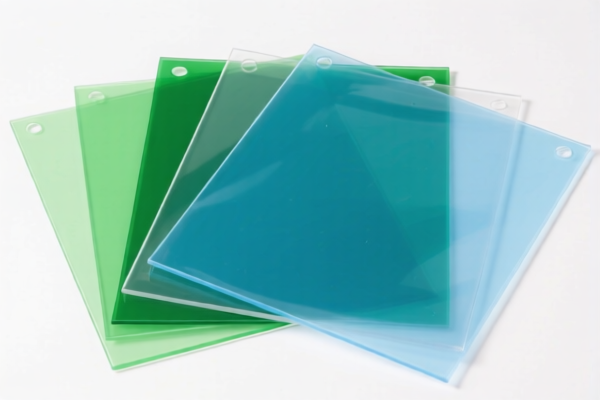
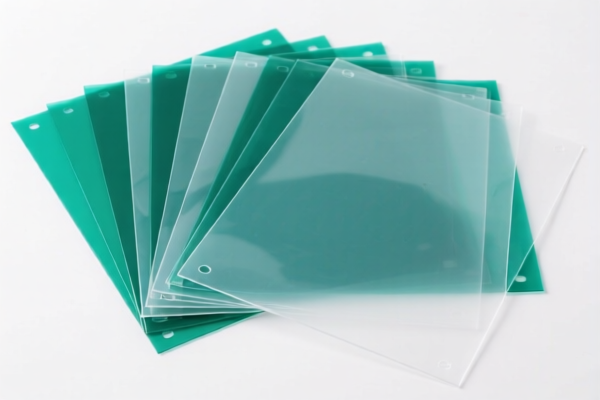
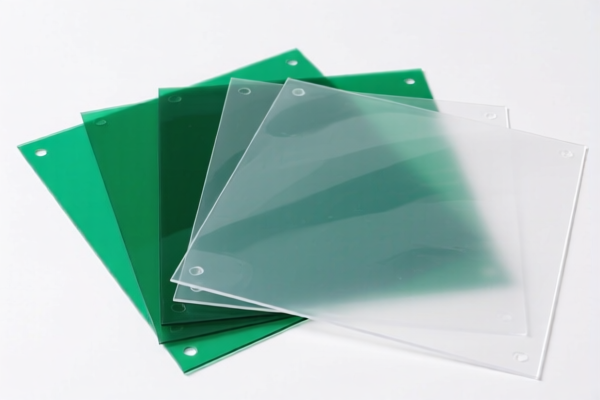

AI Analysis
🛡️ X-Ray Protection Acrylic Sheet (Radiation Shielding Panel)
🌐 HS Code Reference & Customs Clearance Guide | 2026 Latest Tariff Analysis | Professional Compliance Strategy
📌 1. Product Definition & Classification: What Exactly is "X-Ray Protection Acrylic"?
Acrylic sheets used for X-ray protection are composite or modified polymethyl methacrylate (PMMA) materials. They are designed to attenuate ionizing radiation (X-rays, Gamma rays) in medical, dental, and industrial imaging environments.
In international trade, these sheets face a critical classification dilemma: * Are they "Plastic Sheets"? If classified under Chapter 39, they are treated as raw materials. However, due to their specific function, they often attract Section 301 tariffs (25%) and Section 122 tariffs (10%). * Are they "Parts of Medical Apparatus"? If classified under Chapter 90, they are considered integral components of X-ray machines. This often leads to lower base tariffs but still incurs the same Section 301/122 penalties.
⚠️ Key Distinction:
- If the sheet is sold as a raw material to be fabricated by the buyer → Likely Chapter 39 (Higher Base Duty).
- If the sheet is custom-fitted/specified for a specific X-ray room/wall system → Likely Chapter 90 (Lower Base Duty).
- Both categories currently suffer from heavy US trade remedies.
📦 2. HS Code Classification Details (2026 Latest Tariff Authority Match)
Based on the provided dataset, here are the four possible HS Code classifications and their corresponding tax structures.
| HS Code | Product Description | Summary / Rationale | Total Tax Rate | Tax Breakdown |
|---|---|---|---|---|
9022.90.60.00 |
Parts and Accessories of X-Ray Apparatus | Based on radiation protection purpose and acrylic material, classified as parts for X-ray instruments. | 35.0% | Base: 0.0% Section 301: 25.0% Section 122: 10% |
3920.51.50.50 |
Plates, Sheets, of Acrylic Polymers | Based on acrylic material and plate form, classified as acrylic polymer sheets. Note: Potential conflict if flame retardants are present. | 41.5% | Base: 6.5% Section 301: 25.0% Section 122: 10% |
3920.51.50.90 |
Plates, Sheets, of Acrylic Polymers | Based on acrylic material and plate form. Explicitly states no flame retardant conflict. | 41.5% | Base: 6.5% Section 301: 25.0% Section 122: 10% |
9022.90.95.00 |
Other Parts/Accessories of X-Ray Instruments | Based on acrylic material/plate form, classified under "Other" parts/accessories category in Ch. 90. | 36.4% | Base: 1.4% Section 301: 25.0% Section 122: 10% |
🔍 Critical Insight:
- Chapter 39 Codes (3920.51.50.xx) have a 6.5% base duty. This results in the highest total tax (41.5%) because the base duty is added to the 35% penalties.
- Chapter 90 Codes (9022.90.xx) have lower base duties (0.0% or 1.4%). This results in lower total taxes (35.0% or 36.4%).
- Conclusion: Classifying as "Parts of X-Ray Apparatus" (Ch. 90) is significantly more cost-effective than classifying as "Acrylic Sheets" (Ch. 39).
💰 3. 2026 Tariff Rate Details (Including Penalties & Policy Surcharges)
✅ Applicable Country: United States (US)
✅ Origin: China (CN)
✅ Effective Date: From November 10, 2025 (including subsequent imports)
🎯 1. 9022.90.60.00 — X-Ray Apparatus Parts (Optimal for Specialized Use)
| Item | Detail |
|---|---|
| Base Duty Rate | 0% (ad valorem) |
| USITC Add-on Duty | +25% (Section 301, Footnote 9903.88.01) |
| IEEPA Add-on Duty | +10% (Section 122, targeting specific Chinese industrial goods) |
| Total Effective Rate | 35.0% |
| Tax Calculation | CIF Value × 35% |
| De Minimis Exemption | ❌ Not Applicable (Denied) |
| Legal Basis Path | IEEPA:9903.01.25 → IEEPA:9903.01.24 → USITC:9022.90.60.00 → FOOTNOTE:9903.88.01 |
📌 Explanation:
- The 0% base duty makes this the most tariff-efficient option if the product can be justified as a "part" rather than a general sheet.
- The 25% + 10% penalties are mandatory for Chinese origin goods in this category.
🎯 2. 9022.90.95.00 — Other X-Ray Instrument Parts/Accessories
| Item | Detail |
|---|---|
| Base Duty Rate | 1.4% (ad valorem) |
| USITC Add-on Duty | +25% |
| IEEPA Add-on Duty | +10% |
| Total Effective Rate | 36.4% |
| Tax Calculation | CIF Value × 36.4% |
| De Minimis Exemption | ❌ Not Applicable |
| Legal Basis Path | IEEPA:9903.01.25 → IEEPA:9903.01.24 → USITC:9022.90.95.00 → FOOTNOTE:9903.88.01 |
📌 Note:
- Only 1.4% higher than9022.90.60.00.
- Use this if the sheet is considered a generic accessory rather than a specific part defined in9022.90.60.00.
🎯 3. 3920.51.50.50 / 3920.51.50.90 — Acrylic Polymer Sheets
| Item | Detail |
|---|---|
| Base Duty Rate | 6.5% (ad valorem) |
| USITC Add-on Duty | +25% |
| IEEPA Add-on Duty | +10% |
| Total Effective Rate | 41.5% |
| Tax Calculation | CIF Value × 41.5% |
| De Minimis Exemption | ❌ Not Applicable |
| Legal Basis Path | IEEPA:9903.01.25 → IEEPA:9903.01.24 → USITC:3920.51.50.xx → FOOTNOTE:9903.88.01 |
📌 Warning:
- This is the most expensive option.
-3920.51.50.50may trigger additional scrutiny if flame retardants are detected (conflict).
-3920.51.50.90is safer if no flame retardants are used, but the cost remains high.
🛠️ 4. Customs Clearance Practical Advice (Avoiding Pitfalls)
✅ 1. Documentation Checklist (Mandatory)
| Document | Required? | Notes |
|---|---|---|
| ✅ Product Specification Sheet | ✔️ | Must detail lead content (%), density, and radiation attenuation coefficient (e.g., "Provides 1mm Pb equivalent"). |
| ✅ Certificate of Origin | ✔️ | Crucial for proving Chinese origin to apply correct penalties. |
| ✅ Commercial Invoice | ✔️ | Clearly state: "Acrylic Sheet for X-Ray Protection, Not for General Plastic Use". |
| ✅ Packaging List | ✔️ | Indicate dimensions and weight. |
| ✅ Third-Party Test Report | ✔️ | IEC 61331 or similar standard proving radiation shielding efficacy. |
✅ 2. Classification Strategy (Key Mantra)
🔥 "Function Defines Code, Not Just Material!"
| Scenario | Recommended HS Code | Why? |
|---|---|---|
| Sold as bulk rolls/sheets to be cut by installer | 3920.51.50.90 |
Generic plastic sheet. Higher tax (41.5%). |
| Pre-cut/Fitted panels for specific X-ray rooms | 9022.90.60.00 |
Considered "Part" of the X-ray system. Lower tax (35.0%). |
| Generic Acrylic with Lead (No specific shape) | 3920.51.50.50 |
Risky due to potential flame retardant conflict. Avoid if possible. |
| Accessory Kit (Mounts + Sheet) | 9022.90.95.00 |
"Other" parts. Moderate tax (36.4%). |
📌 Pro Tip:
- If you can provide installation drawings or customer-specific orders showing the sheet is integral to an X-ray machine/room, fight for Chapter 90.
- If selling to general plastic distributors, expect Chapter 39 and the higher 41.5% tax.
✅ 3. Special Cases & Handling
| Situation | Handling Advice |
|---|---|
| Lead Content > 0% | Must declare "Contains Lead" on invoice. May require additional environmental disclosures (TSCA). |
| Flame Retardant Added | Avoid 3920.51.50.50. Use 3920.51.50.90 if no retardant, or reclassify to 9022 if possible. |
| Small Samples (< $800) | Do not rely on De Minimis. The data shows deny_de_minimis is enforced for these HS codes due to Section 301/122. |
| Mixed Containers | If mixed with non-restricted goods, the entire shipment may be audited. Declare accurately per line item. |
🌍 5. Global Market Comparison (2026 Update)
| Country/Region | Recommended HS Code | Est. Duty | Certification | Notes |
|---|---|---|---|---|
| 🇺🇸 USA | 9022.90.60.00 |
35.0% | IEC 61331 | Highest compliance cost due to 301/122 tariffs. |
| 🇨🇳 China | 3920.51.50.00 |
~6.5% | CCC (if electrical) | Lower tax, but domestic use varies. |
| 🇪🇺 EU | 3920.51.00.00 |
~6.5% | CE + RoHS | No Section 301/122 equivalent. |
| 🇦🇺 Australia | 3920.51.00.00 |
~5% | TGA (if medical) | Lower tariff burden. |
📌 Conclusion:
- The US market is significantly more expensive due to trade policies.
- Chapter 90 classification is the only viable way to mitigate costs in the US.
📌 6. Common Mistakes & Pitfalls (Lessons Learned)
❌ Mistake 1: Classifying as "General Plastic Sheet" (3920) when it is a specialized medical accessory.
👉 Result: Paying 41.5% instead of 35.0%. Loss of 6.5% profit margin.
❌ Mistake 2: Assuming "De Minimis" applies to small shipments.
👉 Result: Seizure or forced entry filing. The data explicitly denies de minimis for these codes.
❌ Mistake 3: Mislabeling as "Acrylic" without declaring "X-Ray Protection".
👉 Result: Customs may reclassify to a more generic (and potentially restricted) code, or delay clearance for testing.
✅ Correct Approach:
"Radiation Shielding Acrylic Sheet, Pre-cut for Dental X-Ray Room, Contains Lead Equivalent to 1mm Pb, Model: XR-100"
🎯 7. Conclusion: Professional Classification Saves Money!
🎯 Remember the Mantra:
🔹 "Function Over Material: Ch. 90 is Cheaper Than Ch. 39!"
🔹 "35% vs 41.5%: A 6.5% Difference is Huge on Large Volumes!"
🔹 "No De Minimis for X-Ray Acrylic from China!"
📌 Small Tip:
If your acrylic sheet is not made in China (e.g., Vietnam, Thailand), check for IEEPA Exemptions. Duties could drop to 0%-5%.
Recommend Advance Ruling if importing large volumes to secure the 9022.90.60.00 classification.
📣 Immediate Action:
📞 Contact a licensed customs broker + Provide Product Specs + Request HS Code Pre-Ruling.
🚀 Ensure your X-Ray Acrylic Sheets clear customs smoothly, avoid penalties, and maximize profit!
✨ Professional Clearance Starts with Accurate Classification!
💼 Every percentage point of tax saved is pure profit!
Customer Reviews
About HS Code Classification
The Harmonized System (HS) is an internationally standardized nomenclature developed by the World Customs Organization (WCO) to classify traded products. Over 200 countries use the HS system as the basis for customs tariffs, trade statistics, and import/export regulations.
Each HS code follows a hierarchical structure:
- Chapter (2 digits) — Broad category of goods (e.g., Chapter 84: Machinery and Mechanical Appliances)
- Heading (4 digits) — More specific grouping within the chapter
- Subheading (6 digits) — Internationally standardized breakdown, used by all WCO member countries
- National subdivisions (8-10 digits) — Country-specific extensions for further classification, such as US HTSUS 10-digit codes
Correct HS code classification is essential for smooth customs clearance, accurate duty payment, and compliance with trade regulations. Misclassification can lead to customs delays, overpayment of duties, or penalties.
When importing from CN to US, the applicable tariff rates may include:
- Most-Favored-Nation (MFN) rate — The standard duty rate applied to WTO members
- General rate — Applied to countries without trade agreements
- Trade remedy duties — Additional tariffs such as Section 301 (anti-dumping), Section 232 (national security), or countervailing duties
The information provided on this page is for reference purposes only. For official classification, please consult with your local customs authority or a licensed customs broker.