Yarn
CN → US| HS编码 | 关税税率 | 原产国 | 目的国 | 文档 |
|---|---|---|---|---|
| 5006001000 | 35.0% | CN | US | 官方文档 |
| 5004000000 | 35.0% | CN | US | 官方文档 |
| 5006009000 | 35.0% | CN | US | 官方文档 |
| 5106100090 | 41.0% | CN | US | 官方文档 |
| 5107103000 | 41.0% | CN | US | 官方文档 |
商品图片
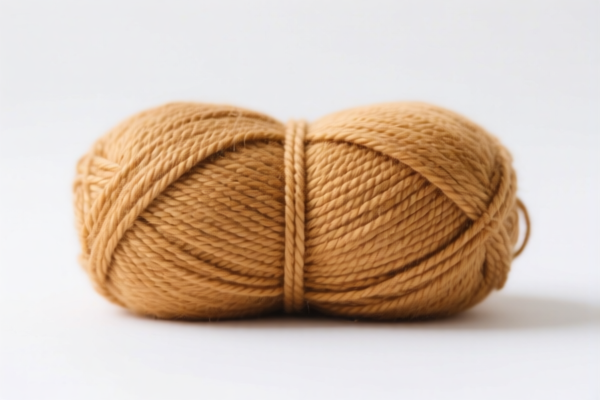
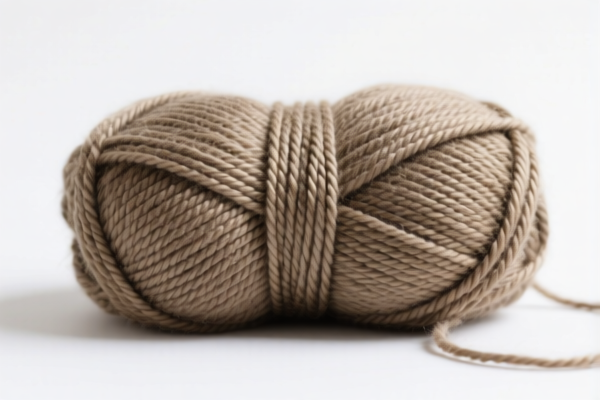
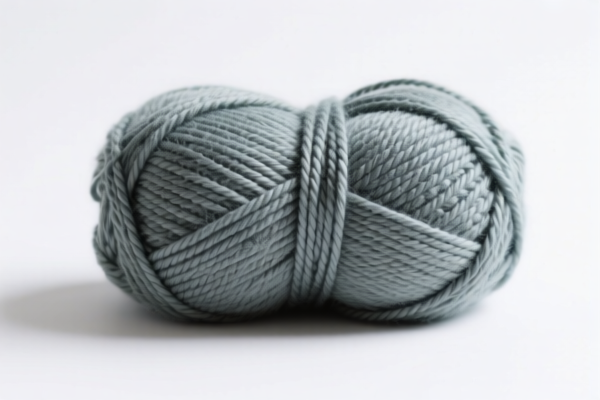
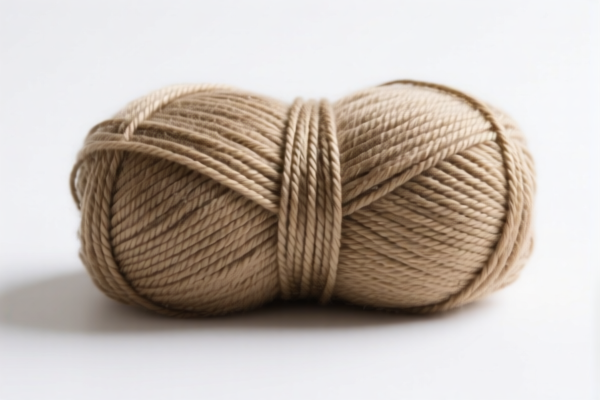
AI分析
🌟 Yarn (Textile Yarns)
🌐 HS Code Classification & Tariff Guide | 2026 Updated Customs Compliance | Pro-Level Clearance Strategy
📌 One-Stop Reference for Silk & Wool Yarns Exporting to the U.S.
🧵 一、Product Definition & Classification: What Exactly Is "Yarn"?
In international trade, yarn refers to continuous strands of textile fibers used in weaving, knitting, or sewing. It is classified based on:
- Material: Silk, wool, cotton, synthetic, etc.
- Form: Spun yarn, filament yarn, waste-derived yarn
- Processing: Combed (fine), uncombed, twisted, or non-twisted
⚠️ Critical Distinction: - Silk yarn ≠ Wool yarn → Different HS codes, different tariffs
- Yarn made from silk waste → Still falls under silk category
- Knitted yarn → Classified by material, not end-use (e.g., knitting)
📦 二、HS Code Breakdown (2026 U.S. Tariff Schedule – Authorized by USITC & IEEPA)
| HS Code | Product Description | Material | Form | Key Feature |
|---|---|---|---|---|
5006.00.10.00 |
Silk yarn, pure silk, in the form of yarn | Silk | Yarn | Standard silk yarn |
5004.00.00.00 |
Silk yarn, material: genuine silk, form: yarn | Silk | Yarn | Identical to 5006.00.10.00 |
5006.00.90.00 |
Silk yarn, material: silk, form: silk yarn or yarn from silk waste | Silk | Yarn / Waste-derived | Includes recycled silk fibers |
5106.10.00.90 |
Wool knitting yarn, material: wool, form: yarn | Wool | Yarn | General wool yarn |
5107.10.30.00 |
Combed wool yarn, material: wool, form: fine knitting yarn | Wool | Yarn | High-quality, smooth finish |
🔍 Important Note:
-5006.00.10.00and5004.00.00.00are functionally identical – both refer to pure silk yarn.
-5006.00.90.00includes waste-derived silk yarn, which may be lower cost but still subject to full tariff.
- Wool yarns (5106.10.00.90 & 5107.10.30.00) are taxed higher due to higher base duty.
💰 三、2026 U.S. Tariff Breakdown (Detailed & Compliant)
✅ Applicable Country: United States (U.S.)
✅ Origin: China (CN)
✅ Effective Date: November 10, 2025 (and ongoing)
✅ Legal Basis: USITC Section 301 + IEEPA (International Emergency Economic Powers Act)
🎯 1. 5006.00.10.00 – Silk Yarn (Pure Silk, Yarn Form)
| Item | Details |
|---|---|
| Base Duty | 0.0% (ad valorem) |
| USITC 301 Tariff | +25.0% (Section 301 – China-specific) |
| IEEPA Tariff | +10.0% (Emergency powers – China/HK products) |
| Total Effective Tariff | 35.0% |
| Tax Calculation | CIF Value × 35.0% |
| De Minimis Threshold | ❌ Not applicable (denied) |
| Legal Pathway | IEEPA:9903.01.25 → IEEPA:9903.01.24 → USITC:5006.00.10.00 → FOOTNOTE:9903.88.01 |
📌 Explanation: - 25% USITC Tariff: From the U.S. Trade Representative’s Section 301 investigation on Chinese goods. - 10% IEEPA Tariff: Imposed under emergency powers for national security concerns. - Total = 35% – One of the highest tariffs for textile inputs.
🎯 2. 5004.00.00.00 – Silk Yarn (Genuine Silk, Yarn Form)
| Item | Details |
|---|---|
| Base Duty | 0.0% |
| USITC 301 Tariff | +25.0% |
| IEEPA Tariff | +10.0% |
| Total Effective Tariff | 35.0% |
| Tax Calculation | CIF × 35.0% |
| De Minimis | ❌ Not allowed |
| Legal Pathway | IEEPA:9903.01.25 → IEEPA:9903.01.24 → USITC:5004.00.00.00 → FOOTNOTE:9903.88.01 |
📌 Note:
- This code is functionally identical to5006.00.10.00– both are pure silk yarns. - Do not confuse with5006.00.90.00, which includes waste.
🎯 3. 5006.00.90.00 – Silk Yarn (Silk or Silk Waste-Derived Yarn)
| Item | Details |
|---|---|
| Base Duty | 0.0% |
| USITC 301 Tariff | +25.0% |
| IEEPA Tariff | +10.0% |
| Total Effective Tariff | 35.0% |
| Tax Calculation | CIF × 35.0% |
| De Minimis | ❌ Not allowed |
| Legal Pathway | IEEPA:9903.01.25 → IEEPA:9903.01.24 → USITC:5006.00.90.00 → FOOTNOTE:9903.88.01 |
📌 Key Insight: - Even yarn made from silk waste is subject to full 35% tariff. - No reduction for recycled or lower-grade material. - Must declare "yarn from silk waste" in commercial invoice.
🎯 4. 5106.10.00.90 – Wool Knitting Yarn (General Wool Yarn)
| Item | Details |
|---|---|
| Base Duty | 6.0% (ad valorem) |
| USITC 301 Tariff | +25.0% |
| IEEPA Tariff | +10.0% |
| Total Effective Tariff | 41.0% |
| Tax Calculation | CIF × 41.0% |
| De Minimis | ❌ Not allowed |
| Legal Pathway | IEEPA:9903.01.25 → IEEPA:9903.01.24 → USITC:5106.10.00.90 → FOOTNOTE:9903.88.01 |
📌 Why Higher? - 6% base duty on wool yarns (not zero like silk). - Plus 25% + 10% from trade actions → 41% total.
🎯 5. 5107.10.30.00 – Combed Wool Yarn (Fine, High-Quality Wool Yarn)
| Item | Details |
|---|---|
| Base Duty | 6.0% |
| USITC 301 Tariff | +25.0% |
| IEEPA Tariff | +10.0% |
| Total Effective Tariff | 41.0% |
| Tax Calculation | CIF × 41.0% |
| De Minimis | ❌ Not allowed |
| Legal Pathway | IEEPA:9903.01.25 → IEEPA:9903.01.24 → USITC:5107.10.30.00 → FOOTNOTE:9903.88.01 |
📌 Note:
- Combed wool (finer, smoother) is still taxed at 41%. - No tariff relief for quality or processing level.
🛠️ 四、Customs Clearance Best Practices (Pro Tips to Avoid Penalties)
✅ 1. Required Documentation (Must-Have List)
| Document | Required? | Why It Matters |
|---|---|---|
| ✅ Commercial Invoice | ✔️ | Must specify HS Code, material, form, origin |
| ✅ Packing List | ✔️ | Show quantity, weight, and packaging type |
| ✅ Bill of Lading / Air Waybill | ✔️ | Proof of shipment and carrier |
| ✅ Certificate of Origin (CO) | ✔️ | Critical for tariff eligibility |
| ✅ Product Specifications / Tech Sheet | ✔️ | Prove material (e.g., “100% Mulberry Silk”) |
| ✅ Test Report (e.g., fiber analysis) | ✔️ | Prevent misclassification |
| ✅ Label/Tag Photos | ✔️ | Show brand, model, material info |
✅ 2.申报技巧(申报口诀)
🔥 “材质定码,形态定型,废料不降税,羊毛更贵!”
| Scenario | Correct HS Code | Wrong Practice |
|---|---|---|
| Pure silk yarn | 5006.00.10.00 or 5004.00.00.00 |
Use 5006.00.90.00 → no benefit |
| Silk from waste | 5006.00.90.00 |
Claim “pure silk” → audit risk |
| Combed wool yarn | 5107.10.30.00 |
Use 5106.10.00.90 → under-tariff risk |
| Knitting yarn (wool) | 5106.10.00.90 |
Use 5107.10.30.00 → no difference in tariff |
✅ 3. Special Cases & Risk Mitigation
| Situation | Recommended Action |
|---|---|
| Yarn from recycled silk | Declare as 5006.00.90.00 – still 35% tariff |
| Mixed silk/wool yarn | Do NOT split – must classify by dominant material (e.g., >50% silk → silk code) |
| Custom or private label | Include “Private Label” in invoice – avoid “generic” labeling |
| Pre-shipment inspection | Highly recommended – avoid CBP rejection |
| Request Advance Ruling (AR) | For high-value shipments – get legal certainty before shipment |
🌍 五、Global Market Tariff Comparison (2026)
| Country | Recommended HS Code | Base Duty | Additional Taxes | Total Effective Tariff | Notes |
|---|---|---|---|---|---|
| 🇺🇸 United States | 5006.00.10.00, 5107.10.30.00 |
0%–6% | +25% +10% | 35%–41% | No de minimis |
| 🇨🇳 China | 5006.00.10.00 |
5% | None | 5% | No extra tariffs |
| 🇪🇺 European Union | 5006.00.10.00 |
0% (if origin) | None | 0% | No IEEPA/301 |
| 🇦🇺 Australia | 5006.00.10.00 |
5% | None | 5% | No extra taxes |
| 🇯🇵 Japan | 5006.00.10.00 |
0% | None | 0% | No additional duties |
📌 Key Takeaway: - U.S. is the only market with 35%–41% tariffs on silk and wool yarns from China. - China, EU, Australia, Japan offer much lower or zero additional tariffs.
📌 六、Common Mistakes & How to Avoid Them (Real-World Risks)
❌ Mistake 1: Using “Silk Yarn” without specifying form or origin
👉 Result: CBP may reclassify → higher tariff + penalties
❌ Mistake 2: Claiming “waste yarn” as “recycled” to reduce tariff
👉 Result: Still taxed at 35% – no relief
❌ Mistake 3: Misclassifying wool yarn as “general textile”
👉 Result: Wrong HS Code → 41% vs. 0% → massive overpayment
❌ Mistake 4: Not providing fiber test report
👉 Result: CBP may hold shipment for inspection → delays + storage fees
✅ Correct Declaration Example:
"Silk Yarn, 100% Mulberry Silk, 20/20 Dtex, in the form of yarn, Origin: China, HS Code: 5006.00.10.00"
🎯 七、Final Verdict: Precision Pays Off!
🎯 Remember the Golden Rule:
🔹 "Silk = 35%, Wool = 41%, Waste = 35%, No De Minimis, No Excuses!"
🔹 "HS Code is not a guess – it’s a legal contract!"
📌 Pro Tips: - Use a U.S.-based customs broker with experience in textile tariffs. - Apply for Advance Ruling (AR) for shipments over $50,000. - Consider shifting origin to Vietnam, India, or Thailand to avoid 301/IEEPA tariffs. - Use tariff optimization software to auto-select correct HS codes.
📣 Act Now!
📞 Contact a licensed customs broker + submit product specs + request HS Code pre-determination
🚀 Avoid delays, penalties, and overpayment – ship smarter, not harder!
✨ Expert Clearance Starts with Accurate Classification!
💼 Your Profit Margin Depends on the Right HS Code.
用户评价
关于 HS 编码归类
协调制度(HS)是由世界海关组织(WCO)制定的国际贸易商品分类标准。全球 200 多个国家采用 HS 系统作为海关关税、贸易统计和进出口监管的基础。
每个 HS 编码遵循以下层级结构:
- 章(2 位)——商品大类(例如:第 84 章:机器和机械设备)
- 品目(4 位)——章内的更具体分类
- 子目(6 位)——国际通用细分,所有 WCO 成员国统一使用
- 本国细分(8-10 位)——各国自行扩展的细分编码,如美国 HTSUS 10 位编码
正确的 HS 编码归类对于顺利通关、准确缴纳关税和遵守贸易法规至关重要。错误归类可能导致海关延误、多缴关税或罚款。
从CN进口到US时,适用的关税税率可能包括:
- 最惠国(MFN)税率——适用于 WTO 成员国的标准关税税率
- 普通税率——适用于无贸易协定国家
- 贸易救济关税——附加关税,如 301 条款(反倾销)、232 条款(国家安全)或反补贴税
本页内容仅供参考。如需正式归类,请咨询当地海关或持牌报关代理。