Yarn
CN → US| HS Code | Tariff Rate | Origin | Destination | Doc |
|---|---|---|---|---|
| 5006001000 | 35.0% | CN | US | Official Doc |
| 5004000000 | 35.0% | CN | US | Official Doc |
| 5006009000 | 35.0% | CN | US | Official Doc |
| 5106100090 | 41.0% | CN | US | Official Doc |
| 5107103000 | 41.0% | CN | US | Official Doc |
Product Images
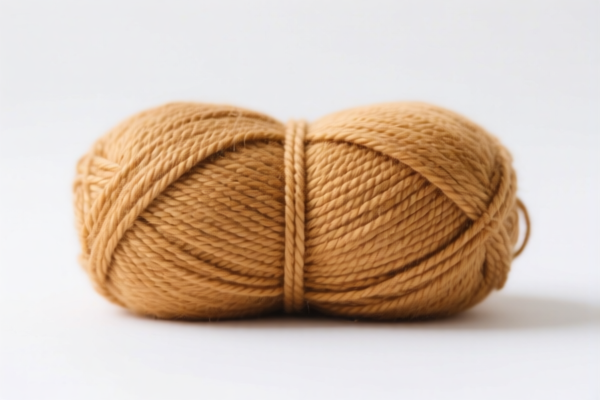
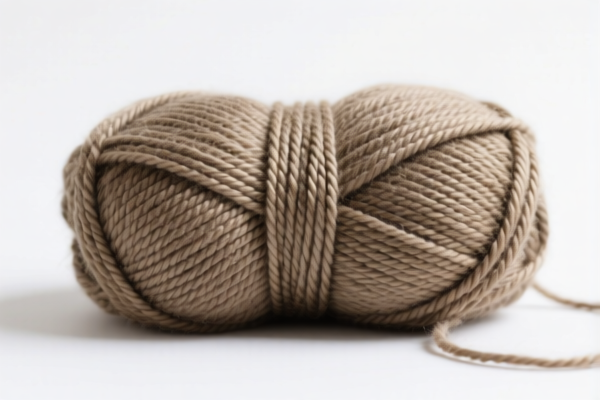
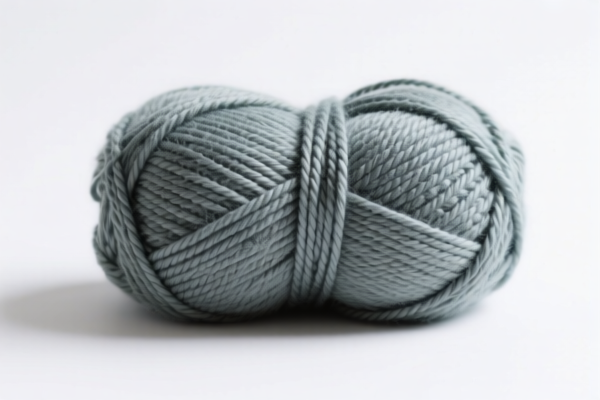
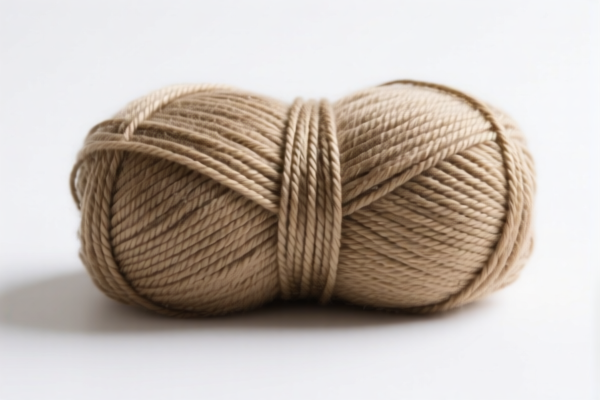
AI Analysis
🌟 Yarn (Textile Yarns)
🌐 HS Code Classification & Tariff Guide | 2026 Updated Customs Compliance | Pro-Level Clearance Strategy
📌 One-Stop Reference for Silk & Wool Yarns Exporting to the U.S.
🧵 一、Product Definition & Classification: What Exactly Is "Yarn"?
In international trade, yarn refers to continuous strands of textile fibers used in weaving, knitting, or sewing. It is classified based on:
- Material: Silk, wool, cotton, synthetic, etc.
- Form: Spun yarn, filament yarn, waste-derived yarn
- Processing: Combed (fine), uncombed, twisted, or non-twisted
⚠️ Critical Distinction: - Silk yarn ≠ Wool yarn → Different HS codes, different tariffs
- Yarn made from silk waste → Still falls under silk category
- Knitted yarn → Classified by material, not end-use (e.g., knitting)
📦 二、HS Code Breakdown (2026 U.S. Tariff Schedule – Authorized by USITC & IEEPA)
| HS Code | Product Description | Material | Form | Key Feature |
|---|---|---|---|---|
5006.00.10.00 |
Silk yarn, pure silk, in the form of yarn | Silk | Yarn | Standard silk yarn |
5004.00.00.00 |
Silk yarn, material: genuine silk, form: yarn | Silk | Yarn | Identical to 5006.00.10.00 |
5006.00.90.00 |
Silk yarn, material: silk, form: silk yarn or yarn from silk waste | Silk | Yarn / Waste-derived | Includes recycled silk fibers |
5106.10.00.90 |
Wool knitting yarn, material: wool, form: yarn | Wool | Yarn | General wool yarn |
5107.10.30.00 |
Combed wool yarn, material: wool, form: fine knitting yarn | Wool | Yarn | High-quality, smooth finish |
🔍 Important Note:
-5006.00.10.00and5004.00.00.00are functionally identical – both refer to pure silk yarn.
-5006.00.90.00includes waste-derived silk yarn, which may be lower cost but still subject to full tariff.
- Wool yarns (5106.10.00.90 & 5107.10.30.00) are taxed higher due to higher base duty.
💰 三、2026 U.S. Tariff Breakdown (Detailed & Compliant)
✅ Applicable Country: United States (U.S.)
✅ Origin: China (CN)
✅ Effective Date: November 10, 2025 (and ongoing)
✅ Legal Basis: USITC Section 301 + IEEPA (International Emergency Economic Powers Act)
🎯 1. 5006.00.10.00 – Silk Yarn (Pure Silk, Yarn Form)
| Item | Details |
|---|---|
| Base Duty | 0.0% (ad valorem) |
| USITC 301 Tariff | +25.0% (Section 301 – China-specific) |
| IEEPA Tariff | +10.0% (Emergency powers – China/HK products) |
| Total Effective Tariff | 35.0% |
| Tax Calculation | CIF Value × 35.0% |
| De Minimis Threshold | ❌ Not applicable (denied) |
| Legal Pathway | IEEPA:9903.01.25 → IEEPA:9903.01.24 → USITC:5006.00.10.00 → FOOTNOTE:9903.88.01 |
📌 Explanation: - 25% USITC Tariff: From the U.S. Trade Representative’s Section 301 investigation on Chinese goods. - 10% IEEPA Tariff: Imposed under emergency powers for national security concerns. - Total = 35% – One of the highest tariffs for textile inputs.
🎯 2. 5004.00.00.00 – Silk Yarn (Genuine Silk, Yarn Form)
| Item | Details |
|---|---|
| Base Duty | 0.0% |
| USITC 301 Tariff | +25.0% |
| IEEPA Tariff | +10.0% |
| Total Effective Tariff | 35.0% |
| Tax Calculation | CIF × 35.0% |
| De Minimis | ❌ Not allowed |
| Legal Pathway | IEEPA:9903.01.25 → IEEPA:9903.01.24 → USITC:5004.00.00.00 → FOOTNOTE:9903.88.01 |
📌 Note:
- This code is functionally identical to5006.00.10.00– both are pure silk yarns. - Do not confuse with5006.00.90.00, which includes waste.
🎯 3. 5006.00.90.00 – Silk Yarn (Silk or Silk Waste-Derived Yarn)
| Item | Details |
|---|---|
| Base Duty | 0.0% |
| USITC 301 Tariff | +25.0% |
| IEEPA Tariff | +10.0% |
| Total Effective Tariff | 35.0% |
| Tax Calculation | CIF × 35.0% |
| De Minimis | ❌ Not allowed |
| Legal Pathway | IEEPA:9903.01.25 → IEEPA:9903.01.24 → USITC:5006.00.90.00 → FOOTNOTE:9903.88.01 |
📌 Key Insight: - Even yarn made from silk waste is subject to full 35% tariff. - No reduction for recycled or lower-grade material. - Must declare "yarn from silk waste" in commercial invoice.
🎯 4. 5106.10.00.90 – Wool Knitting Yarn (General Wool Yarn)
| Item | Details |
|---|---|
| Base Duty | 6.0% (ad valorem) |
| USITC 301 Tariff | +25.0% |
| IEEPA Tariff | +10.0% |
| Total Effective Tariff | 41.0% |
| Tax Calculation | CIF × 41.0% |
| De Minimis | ❌ Not allowed |
| Legal Pathway | IEEPA:9903.01.25 → IEEPA:9903.01.24 → USITC:5106.10.00.90 → FOOTNOTE:9903.88.01 |
📌 Why Higher? - 6% base duty on wool yarns (not zero like silk). - Plus 25% + 10% from trade actions → 41% total.
🎯 5. 5107.10.30.00 – Combed Wool Yarn (Fine, High-Quality Wool Yarn)
| Item | Details |
|---|---|
| Base Duty | 6.0% |
| USITC 301 Tariff | +25.0% |
| IEEPA Tariff | +10.0% |
| Total Effective Tariff | 41.0% |
| Tax Calculation | CIF × 41.0% |
| De Minimis | ❌ Not allowed |
| Legal Pathway | IEEPA:9903.01.25 → IEEPA:9903.01.24 → USITC:5107.10.30.00 → FOOTNOTE:9903.88.01 |
📌 Note:
- Combed wool (finer, smoother) is still taxed at 41%. - No tariff relief for quality or processing level.
🛠️ 四、Customs Clearance Best Practices (Pro Tips to Avoid Penalties)
✅ 1. Required Documentation (Must-Have List)
| Document | Required? | Why It Matters |
|---|---|---|
| ✅ Commercial Invoice | ✔️ | Must specify HS Code, material, form, origin |
| ✅ Packing List | ✔️ | Show quantity, weight, and packaging type |
| ✅ Bill of Lading / Air Waybill | ✔️ | Proof of shipment and carrier |
| ✅ Certificate of Origin (CO) | ✔️ | Critical for tariff eligibility |
| ✅ Product Specifications / Tech Sheet | ✔️ | Prove material (e.g., “100% Mulberry Silk”) |
| ✅ Test Report (e.g., fiber analysis) | ✔️ | Prevent misclassification |
| ✅ Label/Tag Photos | ✔️ | Show brand, model, material info |
✅ 2.申报技巧(申报口诀)
🔥 “材质定码,形态定型,废料不降税,羊毛更贵!”
| Scenario | Correct HS Code | Wrong Practice |
|---|---|---|
| Pure silk yarn | 5006.00.10.00 or 5004.00.00.00 |
Use 5006.00.90.00 → no benefit |
| Silk from waste | 5006.00.90.00 |
Claim “pure silk” → audit risk |
| Combed wool yarn | 5107.10.30.00 |
Use 5106.10.00.90 → under-tariff risk |
| Knitting yarn (wool) | 5106.10.00.90 |
Use 5107.10.30.00 → no difference in tariff |
✅ 3. Special Cases & Risk Mitigation
| Situation | Recommended Action |
|---|---|
| Yarn from recycled silk | Declare as 5006.00.90.00 – still 35% tariff |
| Mixed silk/wool yarn | Do NOT split – must classify by dominant material (e.g., >50% silk → silk code) |
| Custom or private label | Include “Private Label” in invoice – avoid “generic” labeling |
| Pre-shipment inspection | Highly recommended – avoid CBP rejection |
| Request Advance Ruling (AR) | For high-value shipments – get legal certainty before shipment |
🌍 五、Global Market Tariff Comparison (2026)
| Country | Recommended HS Code | Base Duty | Additional Taxes | Total Effective Tariff | Notes |
|---|---|---|---|---|---|
| 🇺🇸 United States | 5006.00.10.00, 5107.10.30.00 |
0%–6% | +25% +10% | 35%–41% | No de minimis |
| 🇨🇳 China | 5006.00.10.00 |
5% | None | 5% | No extra tariffs |
| 🇪🇺 European Union | 5006.00.10.00 |
0% (if origin) | None | 0% | No IEEPA/301 |
| 🇦🇺 Australia | 5006.00.10.00 |
5% | None | 5% | No extra taxes |
| 🇯🇵 Japan | 5006.00.10.00 |
0% | None | 0% | No additional duties |
📌 Key Takeaway: - U.S. is the only market with 35%–41% tariffs on silk and wool yarns from China. - China, EU, Australia, Japan offer much lower or zero additional tariffs.
📌 六、Common Mistakes & How to Avoid Them (Real-World Risks)
❌ Mistake 1: Using “Silk Yarn” without specifying form or origin
👉 Result: CBP may reclassify → higher tariff + penalties
❌ Mistake 2: Claiming “waste yarn” as “recycled” to reduce tariff
👉 Result: Still taxed at 35% – no relief
❌ Mistake 3: Misclassifying wool yarn as “general textile”
👉 Result: Wrong HS Code → 41% vs. 0% → massive overpayment
❌ Mistake 4: Not providing fiber test report
👉 Result: CBP may hold shipment for inspection → delays + storage fees
✅ Correct Declaration Example:
"Silk Yarn, 100% Mulberry Silk, 20/20 Dtex, in the form of yarn, Origin: China, HS Code: 5006.00.10.00"
🎯 七、Final Verdict: Precision Pays Off!
🎯 Remember the Golden Rule:
🔹 "Silk = 35%, Wool = 41%, Waste = 35%, No De Minimis, No Excuses!"
🔹 "HS Code is not a guess – it’s a legal contract!"
📌 Pro Tips: - Use a U.S.-based customs broker with experience in textile tariffs. - Apply for Advance Ruling (AR) for shipments over $50,000. - Consider shifting origin to Vietnam, India, or Thailand to avoid 301/IEEPA tariffs. - Use tariff optimization software to auto-select correct HS codes.
📣 Act Now!
📞 Contact a licensed customs broker + submit product specs + request HS Code pre-determination
🚀 Avoid delays, penalties, and overpayment – ship smarter, not harder!
✨ Expert Clearance Starts with Accurate Classification!
💼 Your Profit Margin Depends on the Right HS Code.
Customer Reviews
About HS Code Classification
The Harmonized System (HS) is an internationally standardized nomenclature developed by the World Customs Organization (WCO) to classify traded products. Over 200 countries use the HS system as the basis for customs tariffs, trade statistics, and import/export regulations.
Each HS code follows a hierarchical structure:
- Chapter (2 digits) — Broad category of goods (e.g., Chapter 84: Machinery and Mechanical Appliances)
- Heading (4 digits) — More specific grouping within the chapter
- Subheading (6 digits) — Internationally standardized breakdown, used by all WCO member countries
- National subdivisions (8-10 digits) — Country-specific extensions for further classification, such as US HTSUS 10-digit codes
Correct HS code classification is essential for smooth customs clearance, accurate duty payment, and compliance with trade regulations. Misclassification can lead to customs delays, overpayment of duties, or penalties.
When importing from CN to US, the applicable tariff rates may include:
- Most-Favored-Nation (MFN) rate — The standard duty rate applied to WTO members
- General rate — Applied to countries without trade agreements
- Trade remedy duties — Additional tariffs such as Section 301 (anti-dumping), Section 232 (national security), or countervailing duties
The information provided on this page is for reference purposes only. For official classification, please consult with your local customs authority or a licensed customs broker.