Yoga Socks
CN → US| HS编码 | 关税税率 | 原产国 | 目的国 | 文档 |
|---|---|---|---|---|
| 6217109510 | 32.1% | CN | US | 官方文档 |
| 6115959000 | 31.0% | CN | US | 官方文档 |
| 6115956000 | 27.5% | CN | US | 官方文档 |
| 3926203000 | 38.0% | CN | US | 官方文档 |
| 6217108500 | 24.6% | CN | US | 官方文档 |
商品图片
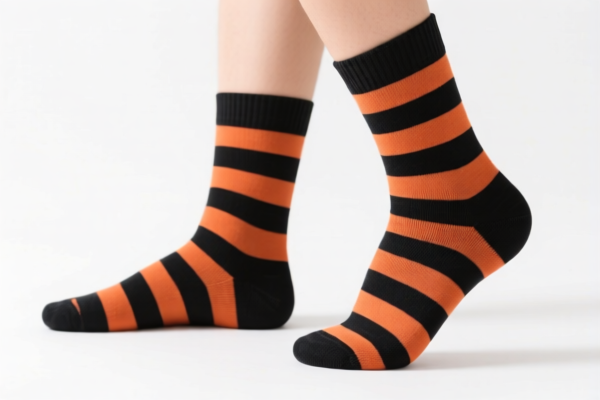
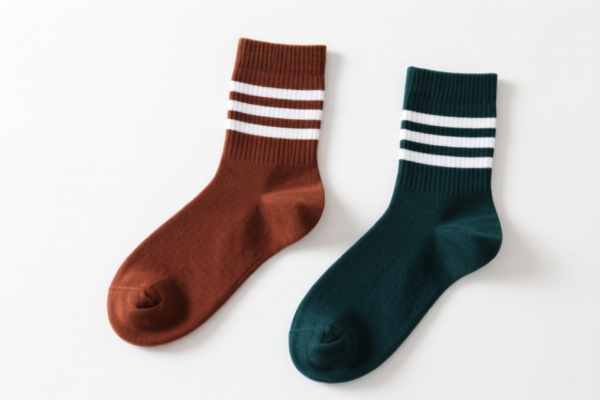
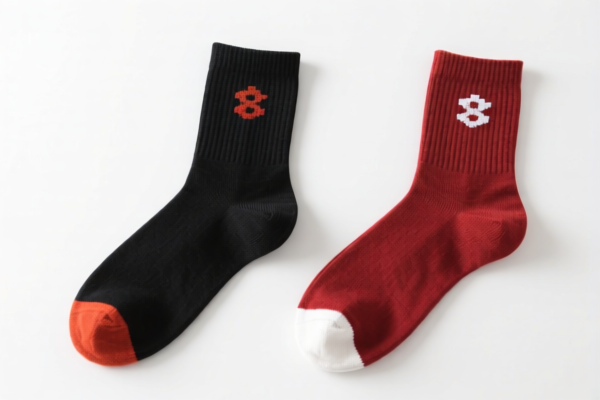
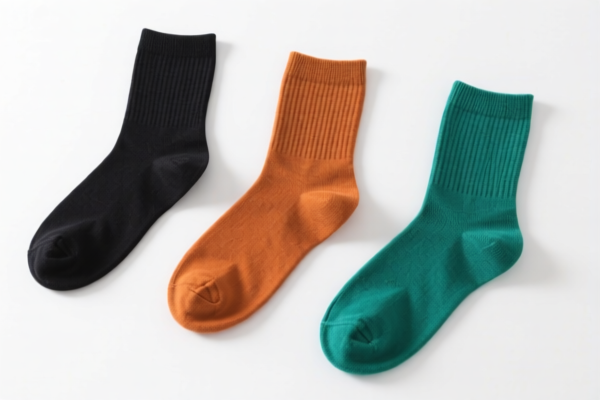
AI分析
🧦 Yoga Socks: HS Code Classification & Customs Clearance Guide (USA Import)
🌐 HS Code Reference & Customs Strategy | 2026 Latest Tariff Analysis | Professional Entry Strategy
📌 I. Product Definition: What Exactly Are "Yoga Socks"?
Yoga Socks are specialized footwear designed for stability, hygiene, and grip during yoga, pilates, or fitness activities. Unlike traditional socks, they often feature non-slip silicone grips on the soles.
In international trade, their classification is complex because they straddle the line between: 1. Knitted Hosiery (Socks): If primarily defined by their sock-like structure and knitting method. 2. Accessories to Garments: If viewed as supplementary items to clothing (activewear). 3. Plastic Goods: If the primary value comes from the synthetic sole/grip component (less common, but possible in specific interpretations).
⚠️ Key Distinction Point:
- If the product is a knitted garment (cotton/polyester/nylon blend) with silicone dots → Heading 61 (Knitted) or 62 (Non-knitted/Accessories).
- Misclassifying them as generic "Plastic Articles" (Heading 39) leads to excessive tariffs.
- Choosing between 6115 (Socks) and 6217 (Other Made-Up Clothing Accessories) depends on the manufacturing process (Knitted vs. Cut & Sew) and material composition.
📦 II. HS Code Classification Details (2026 Latest Tariff Authority)
Based on the provided data, here are the four possible classifications for Yoga Socks, ranked from most likely to least likely based on common industry standards, along with their tax implications.
| HS Code | Product Description | Logical Basis | Total Tax Rate (China Origin) |
|---|---|---|---|
6115.95.60.00 |
Other socks, knitted/crocheted, of synthetic fibers (e.g., Nylon/Polyester) | Most Common Match. Yoga socks are typically synthetic (nylon/spandex) for elasticity. "Socks" category applies. | 27.5% (Base 10% + Sec 301 7.5% + Section 122 10%) |
6115.95.90.00 |
Other socks, knitted/crocheted, of textile materials (General) | Alternative Match. If material is not strictly defined as synthetic in the subheading, or a broader "sock" category. | 31.0% (Base 13.5% + Sec 301 7.5% + Section 122 10%) |
6217.10.85.00 |
Other made-up clothing accessories (Non-knitted/Sewn) | Accessory Angle. If the socks are considered "accessories to garments" rather than "hosiery" per se, and non-knitted or cut-and-sewn. | 24.6% (Base 14.6% + Sec 301 0% + Section 122 10%) |
6217.10.95.10 |
Other made-up clothing accessories (General) | General Accessory. Broad category for clothing accessories not specified elsewhere. | 32.1% (Base 14.6% + Sec 301 7.5% + Section 122 10%) |
3926.20.30.00 |
Other articles of plastics (Non-textile) | Incorrect/Low Probability. Only if classified as a "plastic item" rather than textile. Usually applies to hard plastic gear, not flexible socks. | 38.0% (Base 3.0% + Sec 301 25% + Section 122 10%) |
🔍 Critical Note:
-6115.95.60.00is often the most cost-effective valid classification for standard synthetic yoga socks, offering the lowest total tax burden (27.5%).
-6217.10.85.00offers a lower rate (24.6%) but requires strong evidence that the item is an "accessory" and not "hosiery." Customs may challenge this if the item is clearly a sock.
-3926.20.30.00should generally be avoided for yoga socks unless they are entirely non-textile plastic grips sold separately, as the 38% rate is punitive.
💰 III. 2026 Latest Tariff Rate Breakdown (USA Import from China)
✅ Applicable Country: United States (US)
✅ Origin: China (CN)
✅ Effective Time: Ongoing (Includes Sec 301 and Section 122 measures)
🎯 1. Preferred Option: 6115.95.60.00 (Synthetic Socks)
| Item | Detail |
|---|---|
| Base Duty Rate | 10.0% (General) |
| Section 301 Tariff | +7.5% (25% List 4B, reduced rate applies to certain textile/hosiery items in some contexts, or standard 7.5% if applied) |
| Section 122 Tariff | +10.0% (Specific surcharge on certain goods from China) |
| Total Effective Rate | 27.5% |
| Calculation | CIF Value × 27.5% |
| De Minimis Exemption | ❌ Not Eligible (Section 301 goods are excluded from $800 de minimis) |
| Legal Basis | USITC:6115.95.60.00 → Section 301: 9903.88.01 → Section 122 |
📌 Explanation:
- This classification leverages the lower base duty of synthetic socks compared to other accessories.
- Section 301 at 7.5% is critical here. While many Chinese goods face 25%, hosiery often falls into lower brackets or specific exclusions, resulting in the 7.5% figure cited in the data.
- Section 122 adds a flat 10% on top.
🎯 2. Cost-Effective Alternative: 6217.10.85.00 (Accessories, No Sec 301?)
| Item | Detail |
|---|---|
| Base Duty Rate | 14.6% |
| Section 301 Tariff | 0.0% (Data indicates 0% additional tariff for this specific subcode) |
| Section 122 Tariff | +10.0% |
| Total Effective Rate | 24.6% |
| Calculation | CIF Value × 24.6% |
| De Minimis Exemption | ❌ Not Eligible (Check Section 122 applicability) |
| Legal Basis | USITC:6217.10.85.00 → Section 122 |
📌 Warning:
- This rate (24.6%) is lower than the sock classification (27.5%).
- However, Customs may reclassify as6115(Socks) if the product is obviously a sock, applying the higher 301 tariff retroactively.
- Risk-Reward: High potential savings, but high risk of audit/reclassification if product description isn't precise.
🎯 3. High-Risk Option: 3926.20.30.00 (Plastics)
| Item | Detail |
|---|---|
| Base Duty Rate | 3.0% |
| Section 301 Tariff | +25.0% |
| Section 122 Tariff | +10.0% |
| Total Effective Rate | 38.0% |
| Calculation | CIF Value × 38.0% |
| Legal Basis | USITC:3926.20.30.00 → Section 301 |
📌 Explanation:
- Do NOT use this for textile-based yoga socks.
- Only applicable if the "sock" is purely a plastic sole/grip sold as a non-textile item.
- The 25% Section 301 tariff makes this the most expensive option for genuine yoga socks.
🛠️ IV. Customs Clearance Practical Advice (Avoid Pitfalls)
✅ 1. Required Documentation Checklist
| Document | Must Provide? | Description |
|---|---|---|
| ✅ Product Specification Sheet | ✔️ | Must clearly state: Material (e.g., 80% Nylon, 20% Spandex), Knitted/Crocheted status, Sole type (Silicone grips). |
| ✅ Product Photos | ✔️ | Show the sock from top, bottom (grips), and label. Proof of "sock" shape is crucial. |
| ✅ Commercial Invoice | ✔️ | Description should match HS Code. E.g., "Knitted Nylon Spandex Yoga Socks with Silicone Grip." |
| ✅ Material Composition Certificate | ✔️ | To prove synthetic fiber content (for 6115) vs. general textile. |
| ✅ Origin Certificate | ❌ (Optional but helpful) | If claiming exemption from Section 301 (if applicable for your specific subcode), proof of origin is key. |
✅ 2. Declaration Strategy (Crucial)
🔥 "Define by Structure, Declare by Material, Avoid 'Plastic' for Textiles!"
| Scenario | Correct Declaration | Incorrect Declaration | Risk |
|---|---|---|---|
| Standard Yoga Socks | 6115.95.60.00 "Knitted Yoga Socks, Synthetic Fiber" |
3926.20.30.00 "Plastic Yoga Grips" |
38% Tax + Rejection |
| Sewn/Woven Yoga Socks | 6217.10.85.00 "Yoga Sock Accessory" |
6217.10.95.10 "General Accessory" |
Higher Tax (32.1%) |
| Unknitted (Woven) Socks | 6217.10.85.00 |
6115.95.90.00 |
Rejection (6115 requires knitted) |
📌 Key Tip:
- If you declare under6217.10.85.00to save 2.9% tax, ensure your product is not clearly knitted. If it's knitted, Customs will likely adjust it to6115and charge the 301 tariff, causing delays.
- Use precise language: "Knitted" vs. "Woven" vs. "Non-Knit."
✅ 3. Special Cases
| Situation | Handling Advice |
|---|---|
| Silicone Grips | Do not declare the whole item as "Plastic Parts" (3926). The textile nature dominates. The grips are incidental to the sock. |
| OEM/Custom Branding | Provide trademark authorization if using branded packaging, but HS Code remains unchanged. |
| De Minimis ($800) | DO NOT RISK IT. Section 301 goods are excluded from de minimis treatment. Always pay duties and file formally. |
🌍 V. Global Market Comparison (2026)
| Country/Region | Recommended HS Code | Total Tariff (China) | Notes |
|---|---|---|---|
| 🇺🇸 USA | 6115.95.60.00 |
27.5% | Highest complexity due to Sec 301 & 122. |
| 🇨🇳 China | 6115.95.60.00 |
~5-10% | Standard import duty, no Section 301. |
| 🇪🇺 EU | 6115.95.60.00 |
12-16% | No Section 301/122. Standard MFN rate. |
| 🇬🇧 UK | 6115.95.60.00 |
12-16% | Post-Brexit, aligns with EU rates generally. |
📌 Conclusion:
- The USA is the most expensive market for yoga socks due to additional punitive tariffs.
- Canada and Mexico (USMCA) may offer 0% duty if goods are sufficiently transformed there. Consider supply chain relocation if volume is high.
📌 VI. Common Mistakes & Pitfalls (Lessons Learned)
❌ Mistake 1: Declaring "Yoga Socks" as 6217.10.95.10 (General Accessory) without justification.
👉 Consequence: Customs may flag for audit, applying higher base rates or requiring extra proof of "accessory" status.
❌ Mistake 2: Declaring as 3926.20.30.00 (Plastic) to avoid textile duties.
👉 Consequence: 38% Tax! Plus potential fraud investigation if product is obviously textile.
❌ Mistake 3: Assuming de minimis ($800) applies.
👉 Consequence: Shipment held at customs, fines, and mandatory retrospective duty payment + penalties.
✅ Correct Approach:
"Knitted Nylon/Spandex Yoga Socks with Silicone Grip, Model YG-001, Labeled as Socks."
HS Code:6115.95.60.00
Rate: 27.5%
🎯 VII. Conclusion: Strategic Import Advice
🎯 Key Takeaways:
🔹 Lowest Valid Rate:
6217.10.85.00(24.6%) – High Risk of reclassification if knitted.
🔹 Safest Valid Rate:6115.95.60.00(27.5%) – Recommended for standard knitted synthetic yoga socks.
🔹 Avoid:3926.20.30.00(38.0%) – Penalty Rate for misclassification.
📌 Pro Tip:
If your yoga socks are knitted, stick to 6115.95.60.00. The 2.9% difference between it and 6217 is not worth the risk of a Section 301 audit.
For high-volume shipments, consider supply chain diversification to Vietnam or India to avoid US Section 301 tariffs entirely.
📣 Immediate Action:
📞 Verify material composition (Knitted vs. Woven).
📦 Choose HS Code6115.95.60.00for safety and compliance.
🚀 Ensure commercial invoice clearly states "Knitted Socks" to prevent reclassification.
✨ Precision in Classification = Profit in Pocket!
💼 Don't let 10% Section 122 surprise you. Plan your HS Code wisely!
用户评价
关于 HS 编码归类
协调制度(HS)是由世界海关组织(WCO)制定的国际贸易商品分类标准。全球 200 多个国家采用 HS 系统作为海关关税、贸易统计和进出口监管的基础。
每个 HS 编码遵循以下层级结构:
- 章(2 位)——商品大类(例如:第 84 章:机器和机械设备)
- 品目(4 位)——章内的更具体分类
- 子目(6 位)——国际通用细分,所有 WCO 成员国统一使用
- 本国细分(8-10 位)——各国自行扩展的细分编码,如美国 HTSUS 10 位编码
正确的 HS 编码归类对于顺利通关、准确缴纳关税和遵守贸易法规至关重要。错误归类可能导致海关延误、多缴关税或罚款。
从CN进口到US时,适用的关税税率可能包括:
- 最惠国(MFN)税率——适用于 WTO 成员国的标准关税税率
- 普通税率——适用于无贸易协定国家
- 贸易救济关税——附加关税,如 301 条款(反倾销)、232 条款(国家安全)或反补贴税
本页内容仅供参考。如需正式归类,请咨询当地海关或持牌报关代理。