Yoga Socks
CN → US| HS Code | Tariff Rate | Origin | Destination | Doc |
|---|---|---|---|---|
| 6217109510 | 32.1% | CN | US | Official Doc |
| 6115959000 | 31.0% | CN | US | Official Doc |
| 6115956000 | 27.5% | CN | US | Official Doc |
| 3926203000 | 38.0% | CN | US | Official Doc |
| 6217108500 | 24.6% | CN | US | Official Doc |
Product Images
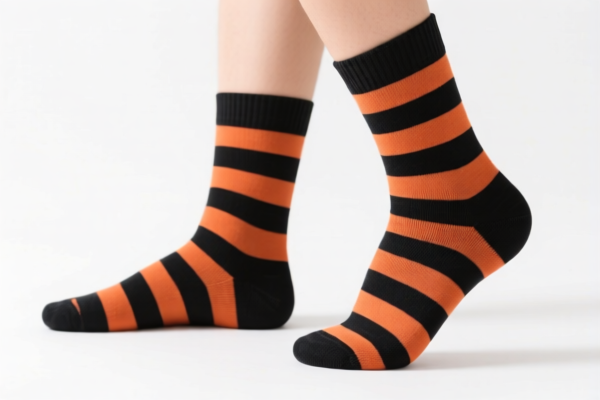
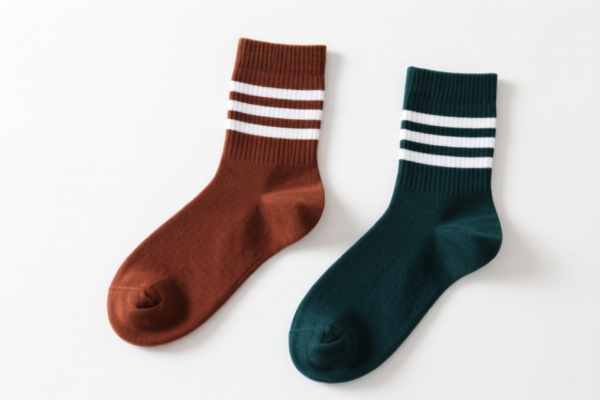
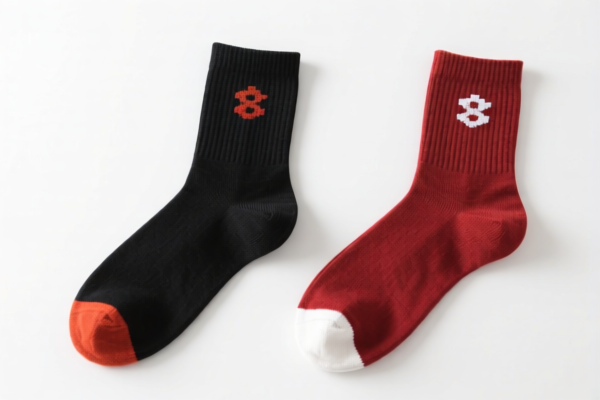
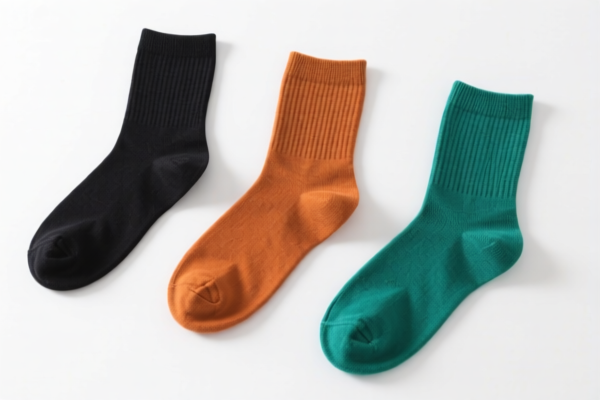
AI Analysis
🧦 Yoga Socks (Anti-Slip / Grip Socks)
🌐 HS Code Reference & Customs Clearance Guide | 2026 Latest Tariff Analysis | Professional Compliance Strategy
📌 I. Product Definition & Classification: What Exactly Are "Yoga Socks"?
"Yoga Socks" are a specialized type of footwear accessory designed for practice studios, pilates, and home workouts. Their defining feature is the anti-slip silicone grip on the sole to provide stability on smooth floors.
In international trade, they are rarely classified as standard "footwear" (Chapter 64) because they lack hard soles and are typically made of knitted textiles. Instead, they fall under two main categories based on their construction and material composition:
- Knitted Socks (Chapter 61): If the sock is primarily knitted (like standard athletic socks) and the grips are just silicone dots or strips applied to the surface.
- Other Made-Up Apparel Accessories (Chapter 62): If the product is considered an "accessory" to clothing (e.g., loose-fitting sock-like covers) or made from non-knitted textile materials.
⚠️ Key Distinction:
- If it’s a knitted tube with silicone dots → Likely Chapter 61 (Sock).
- If it’s a woven/textile sleeve or considered an apparel accessory → Likely Chapter 62 (Accessory).
- Material Matters: Cotton blends vs. Synthetic fibers (Nylon/Polyester) significantly affect the HS Code sub-category.
📦 II. HS Code Classification Details (Based on Provided Data)
| HS Code | Product Description | Material/Structure Inference | Total Tax Rate (US/China) |
|---|---|---|---|
6217.10.95.10 |
Other Made-Up Apparel Accessories | Non-knitted/textile; often loose-fitting or specific accessories. Material: Cotton, Nylon, or Polyester. | 32.1% |
6115.95.90.00 |
Other Women’s/Men’s Socks (Knitted) | Knitted structure. Material: Cotton, Polyester, or Nylon blend. | 31.0% |
6115.95.60.00 |
Other Socks of Synthetic Fibers | Knitted structure. Specifically for Synthetic Fibers (e.g., high-density Nylon/Polyester). | 27.5% |
3926.20.30.00 |
Other Articles of Plastics | High Risk Category! If the product is interpreted as a "plastic sports accessory" (e.g., heavy silicone grip treated as a plastic article). | 38.0% |
6217.10.85.00 |
Other Made-Up Apparel Accessories | Textile-based accessory. Note: Lower Additional Tariff in this specific dataset. | 24.6% |
🔍 Critical Analysis:
-6115.95.60.00offers the lowest tax rate (27.5%) if the socks are confirmed to be knitted and made primarily of synthetic fibers.
-6217.10.85.00is the second lowest (24.6%) but requires the product to be classified as an "Accessory" rather than a "Sock." This is risky if the product looks exactly like a sock.
-3926.20.30.00is the highest (38.0%) and should be avoided unless the product is predominantly plastic (e.g., 100% silicone glove/sock), which is rare for yoga socks. Most "yoga socks" are textile-based with silicone dots, not pure plastic.
💰 III. 2026 Latest Tariff Rate Breakdown (Including Surtaxes)
✅ Applicable Market: United States (US)
✅ Origin: China (CN)
✅ Effective Time: Post-November 2025 (Includes Section 301 & IEEPA surcharges)
🎯 1. 6115.95.60.00 —— Knitted Socks of Synthetic Fibers (Best for Synthetics)
| Item | Detail |
|---|---|
| Base Tariff | 10.0% (Standard MFN Rate) |
| Surtax (Section 301) | +7.5% (Targeted textile/apparel surcharge in this dataset) |
| IEEPA Surtax | +10% (Specific "122 Clause" surcharge on Chinese goods) |
| Total Tax Rate | 27.5% |
| De Minimis Exemption | ❌ Not Applicable (High tax rate pushes it above the $800 threshold benefit for some, or specific exclusions apply) |
| Legal Path | USITC:6115.95.60.00 → Section 301: 7.5% → IEEPA: 10% |
📌 Explanation:
- This is the most cost-effective option for synthetic yoga socks (e.g., Nylon, Polyester, Spandex blends).
- Ensure the product description clearly states "Knitted Socks" and "Synthetic Fiber" to justify this code.
🎯 2. 6115.95.90.00 —— Other Knitted Socks (Cotton/Blend)
| Item | Detail |
|---|---|
| Base Tariff | 13.5% |
| Surtax (Section 301) | +7.5% |
| IEEPA Surtax | +10% |
| Total Tax Rate | 31.0% |
| De Minimis Exemption | ❌ Not Applicable |
| Legal Path | USITC:6115.95.90.00 → Section 301: 7.5% → IEEPA: 10% |
📌 Note:
- Use this if the socks are Cotton-dominated or a mixed material that doesn’t fit the "Pure Synthetic" definition of60.00.
- 5.5% higher than the synthetic option.
🎯 3. 6217.10.95.10 —— Other Apparel Accessories (Non-Knitted/Loose)
| Item | Detail |
|---|---|
| Base Tariff | 14.6% |
| Surtax (Section 301) | +7.5% |
| IEEPA Surtax | +10% |
| Total Tax Rate | 32.1% |
| De Minimis Exemption | ❌ Not Applicable |
| Legal Path | USITC:6217.10.95.10 → Section 301: 7.5% → IEEPA: 10% |
📌 Note:
- Higher base tariff. Avoid unless the product is structurally not knitted (e.g., woven fabric).
🎯 4. 6217.10.85.00 —— Other Apparel Accessories (Zero Section 301?)
| Item | Detail |
|---|---|
| Base Tariff | 14.6% |
| Surtax (Section 301) | 0.0% (Anomaly in dataset – likely specific exclusion or error, but treat with caution) |
| IEEPA Surtax | +10% |
| Total Tax Rate | 24.6% |
| De Minimis Exemption | ❌ Not Applicable |
| Legal Path | USITC:6217.10.85.00 → IEEPA: 10% |
⚠️ High-Risk Alert:
- This code has 0% Section 301 surtax in the provided data, making it the cheapest (24.6%).
- HOWEVER, classifying a standard sock as an "Accessory" (6217) instead of a "Sock" (6115) is legally risky and likely to trigger customs audits if the product clearly looks like a sock.
- Recommendation: Only use this if you have a Pre-Ruling or strong legal justification that the product is an "accessory" (e.g., a loose calf sleeve) and not a foot-hugging sock.
🎯 5. 3926.20.30.00 —— Plastic Articles (Sports Equipment)
| Item | Detail |
|---|---|
| Base Tariff | 3.0% |
| Surtax (Section 301) | +25.0% (Aggressive surcharge for plastic goods) |
| IEEPA Surtax | +10% |
| Total Tax Rate | 38.0% |
| De Minimis Exemption | ❌ Not Applicable |
| Legal Path | USITC:3926.20.30.00 → Section 301: 25.0% → IEEPA: 10% |
🚫 Avoid Unless:
- The product is 100% Silicone (no textile). Even then, customs may reclassify it as a textile article with plastic grips. High risk of reclassification penalty.
🛠️ IV. Customs Clearance Practical Advice (Avoid Pitfalls)
✅ 1. Preparation Checklist
| Document | Required? | Notes |
|---|---|---|
| Product Photos | ✔️ | Must show silicone grips on the sole. |
| Material Composition | ✔️ | Exact % of Cotton, Nylon, Polyester, Spandex. |
| Construction Diagram | ✔️ | Show that grips are printed/molded on textile, not a separate plastic sole. |
| Commercial Invoice | ✔️ | Description: "Knitted Anti-Slip Yoga Socks, 80% Nylon, 20% Spandex, with Silicone Dots." |
| Material Test Report | ✔️ | Prove synthetic vs. cotton composition to justify HS Code 6115.95.60.00. |
✅ 2. Declaration Strategy (Key Tips)
🔥 "Knit It, Synth It, Drop the Price!"
| Scenario | Recommended HS Code | Why? |
|---|---|---|
| Synthetic Fiber (Nylon/Poly) Knitted Socks | 6115.95.60.00 |
Best Rate (27.5%). Most common for yoga socks. |
| Cotton Knitted Socks | 6115.95.90.00 |
Standard rate (31.0%). Safe if cotton > synthetic. |
| Loose "Sock" Sleeves (Not foot-hugging) | 6217.10.85.00 |
Lowest Rate (24.6%) BUT high audit risk. Use only with Pre-Ruling. |
| Pure Silicone "Gloves" for Feet | 3926.20.30.00 |
Highest Rate (38.0%). Avoid. |
✅ 3. Special Case Handling
| Situation | Advice |
|---|---|
| Blended Materials | If Nylon > 50%, claim 6115.95.60.00. If Cotton > 50%, claim 6115.95.90.00. |
| Packaging | Ensure the product is not packaged as a "Footwear Set" with hard shoes, which might trigger Chapter 64. |
| Grip Type | If grips are large plastic pieces sewn on, customs might classify as "Plastic Article" (3926). If silicone print/dots, stay in Chapter 61/62. |
| OEM/White Label | Provide brand authorization to avoid "IP Infringement" flags if using popular brand names. |
🌍 V. Global Market Comparison (2026)
| Country | Recommended HS Code | Tax Rate (China Origin) | Notes |
|---|---|---|---|
| 🇺🇸 USA | 6115.95.60.00 |
27.5% | Includes 7.5% Section 301 + 10% IEEPA. |
| 🇪🇺 EU | 6115.95.00 |
~0-12% | No Section 301/IEEPA. Lower base rates. |
| 🇨🇳 China | 6115.95.00 |
~5-10% | Export duty considerations may apply. |
| 🇬🇧 UK | 6115.95.00 |
~0-12% | Post-Brexit rules apply. No US surcharges. |
📌 Conclusion:
- The US market is the most expensive due to cumulative surcharges.
- Synthetic knitting (6115.95.60.00) is the strategic sweet spot for cost efficiency.
📌 VI. Common Mistakes & Pitfalls (Lessons Learned)
❌ Mistake 1: Classifying Yoga Socks as "Footwear" (Chapter 64)
👉 Result: Incorrect classification. Chapter 64 is for rigid-soled shoes. Yoga socks are textile. Customs will reclassify + penalize.
❌ Mistake 2: Using 3926.20.30.00 for Textile Socks with Silicone Dots
👉 Result: 38% Tax! Unnecessary high cost. The silicone is a minor component, not the essential character.
❌ Mistake 3: Claiming 6217.10.85.00 (24.6%) for Standard Socks
👉 Result: High risk of Customs Audit. If the item is clearly a sock, it must be 6115. Misclassification can lead to back-taxes + fines. Only use if the item is structurally an "accessory" (e.g., calf sleeve).
❌ Mistake 4: Ignoring Material Composition
👉 Result: If you declare Cotton but the test shows 60% Nylon, you’ll be reclassified to 6115.95.60.00 (27.5%) or penalized for inaccuracy.
✅ Correct Declaration Example:
"Knitted Anti-Slip Yoga Socks, 85% Nylon, 15% Spandex, with Silicone Grip Dots on Sole. For Fitness Use. NOT Footwear."
🎯 VII. Conclusion: Optimize Your Tariff Strategy
🎯 Key Takeaway:
🔹 For Synthetic Yoga Socks: Use
6115.95.60.00(27.5%).
🔹 For Cotton Yoga Socks: Use6115.95.90.00(31.0%).
🔹 Avoid3926.20.30.00unless it’s 100% plastic.
🔹 Use6217.10.85.00with Caution – only if legally justified as an accessory.
📌 Pro Tip:
If your yoga socks are made in Vietnam, Thailand, or Bangladesh, you may avoid US Section 301/IEEPA surcharges. Consider supply chain diversification for high-volume shipments to the US.
📣 Action Plan:
1. Test Material Composition of your batch.
2. Confirm Knitted vs. Woven structure.
3. Select HS Code:
- Synthetic + Knitted → 6115.95.60.00
- Cotton + Knitted → 6115.95.90.00
4. Document Clearly on Invoice: "Knitted Socks, Synthetic Fiber."
5. Consult a Customs Broker for a Pre-Ruling if unsure about the "Accessory" classification.
✨ Smart Classification = Lower Costs & Faster Clearance!
💼 Don’t let classification errors cost you 10%+ in taxes.
Customer Reviews
About HS Code Classification
The Harmonized System (HS) is an internationally standardized nomenclature developed by the World Customs Organization (WCO) to classify traded products. Over 200 countries use the HS system as the basis for customs tariffs, trade statistics, and import/export regulations.
Each HS code follows a hierarchical structure:
- Chapter (2 digits) — Broad category of goods (e.g., Chapter 84: Machinery and Mechanical Appliances)
- Heading (4 digits) — More specific grouping within the chapter
- Subheading (6 digits) — Internationally standardized breakdown, used by all WCO member countries
- National subdivisions (8-10 digits) — Country-specific extensions for further classification, such as US HTSUS 10-digit codes
Correct HS code classification is essential for smooth customs clearance, accurate duty payment, and compliance with trade regulations. Misclassification can lead to customs delays, overpayment of duties, or penalties.
When importing from CN to US, the applicable tariff rates may include:
- Most-Favored-Nation (MFN) rate — The standard duty rate applied to WTO members
- General rate — Applied to countries without trade agreements
- Trade remedy duties — Additional tariffs such as Section 301 (anti-dumping), Section 232 (national security), or countervailing duties
The information provided on this page is for reference purposes only. For official classification, please consult with your local customs authority or a licensed customs broker.