Zinc Lignosulfonate
CN → US| HS编码 | 关税税率 | 原产国 | 目的国 | 文档 |
|---|---|---|---|---|
| 3824999397 | 40.0% | CN | US | 官方文档 |
| 3824997550 | 38.7% | CN | US | 官方文档 |
| 1302199140 | 17.5% | CN | US | 官方文档 |
| 1302199120 | 17.5% | CN | US | 官方文档 |
| 3913902090 | 40.8% | CN | US | 官方文档 |
商品图片
AI分析
🧪 Zinc Lignosulfonate (Industrial Grade)
🌐 HS Code Classification & Customs Clearance Guide | 2026 Latest Tariff Analysis | Strategic Compliance Strategy
📌 I. Product Definition & Chemical Nature: What is "Zinc Lignosulfonate"?
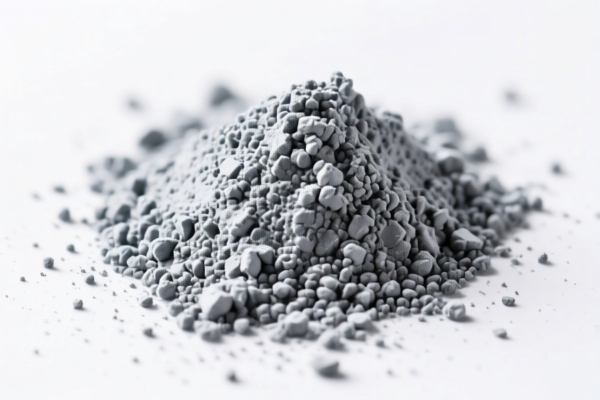
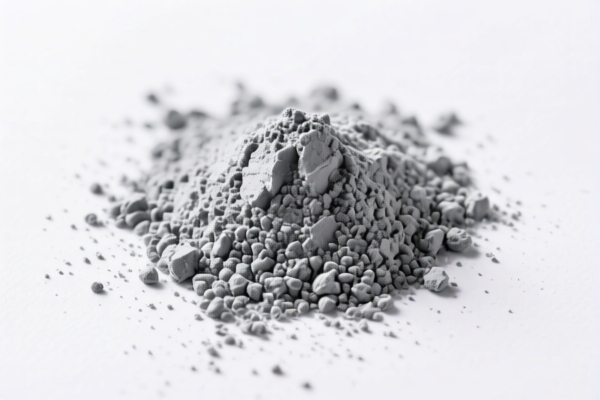
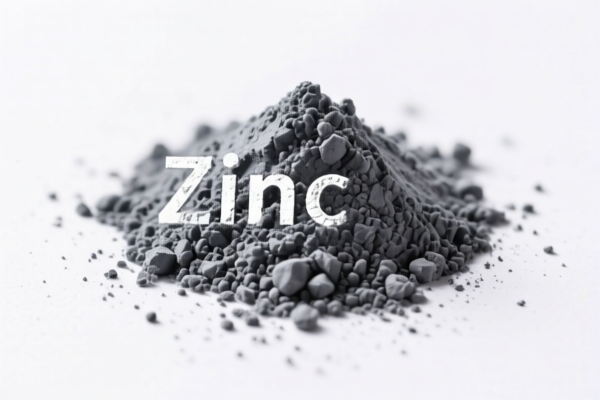
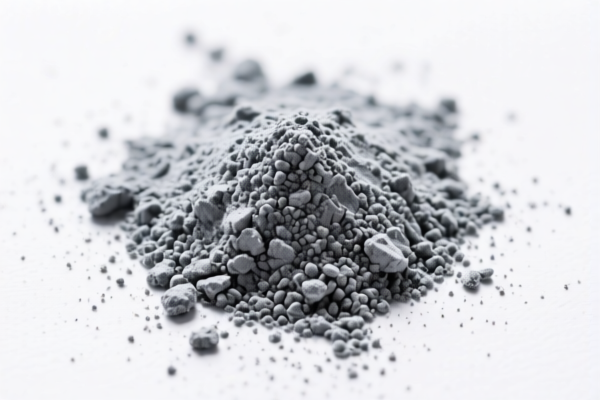
Zinc Lignosulfonate is a complex organic-inorganic salt derived from lignin, a natural polymer found in wood pulp. It is produced by reacting lignosulfonic acid (a byproduct of paper manufacturing) with zinc salts.
Key Characteristics: * Appearance: Usually a brownish-yellow powder or liquid. * Function: Acts as a surfactant, dispersant, binder, or corrosion inhibitor. * Classification Ambiguity: It sits at the intersection of Organic Chemicals (derived from plants/wood), Inorganic Salts (contains Zinc), and Chemical Preparations (industrial formulation). This ambiguity leads to multiple potential HS Code classifications, each with significantly different tax implications.
⚠️ Critical Distinction:
- Is it primarily a plant extract (organic origin) → Chapter 13?
- Is it primarily a metal salt (chemical preparation) → Chapter 38?
- Is it a derived polymer (plastic precursor) → Chapter 39?
📦 II. HS Code Classification Matrix (2026 Latest Tariff Authority)
| HS Code | Product Description | Basis for Classification | Total Tax Rate |
|---|---|---|---|
1302.19.91.20 |
Zinc Salts of Plant Extracts | Classified as a "Chemical Extract" where the zinc salt is derived from plant juice/extract. | 17.5% |
1302.19.91.40 |
Other Plant Juices & Extracts | Classified broadly under "Non-specific Plant Extracts." | 17.5% |
3824.99.93.97 |
Other Chemical Preparations | Classified as an industrial chemical product not specified elsewhere. | 40.0% |
3824.99.75.50 |
Metal Salts (Cyclo-Naphthenic Category) | Misclassification risk: Classified under "Metal Salts" broadly, though technically inaccurate for lignosulfonates. | 38.7% |
3913.90.20.90 |
Polysaccharide Derivatives | Classified as a "Polysaccharide Derivative" due to lignin's polymeric nature. | 40.8% |
🔍 Key Insight:
- The lowest tax rate (17.5%) is available if classified under Chapter 13 (Plant Extracts).
- The highest tax rates (38.7% - 40.8%) apply if classified under Chapter 38 (Chemical Preparations) or Chapter 39 (Polymers).
- Risk: Misclassification can lead to severe penalties, retroactive duties, and shipment delays.
💰 III. 2026 Latest Tariff Rate Details (Including Surcharges & Policy Add-ons)
✅ Applicable Country: United States (US)
✅ Country of Origin: China (CN)
✅ Effective Date: November 10, 2025 onwards (for subsequent imports)
🎯 1. 1302.19.91.20 & 1302.19.91.40 —— Plant Extracts (Recommended for Low Tax)
| Item | Details |
|---|---|
| Base Duty Rate | 0.0% (Ad Valorem) |
| Section 301 Surcharge | +7.5% (Added to base duty) |
| IEEPA Surcharge | +10% (Against Chinese goods) |
| Total Tax Rate | 17.5% |
| Tax Calculation | CIF Value × 17.5% |
| De Minimis Eligibility | ❌ Not Eligible (Subject to strict scrutiny) |
| Legal Authority Path | USITC:1302.19.91.20 → FOOTNOTE:301 → IEEPA:9903.01.10 |
📌 Explanation:
- Base Duty 0%: Plant extracts often enjoy low base duties.
- Section 301 (7.5%): Additional tariff on specific chemical/extract categories from China.
- IEEPA (10%): Broad surcharge on Chinese imports under International Emergency Economic Powers Act.
- Total 17.5%: This is the most favorable classification if the product can be legally argued as a "plant extract."
🎯 2. 3824.99.75.50 —— Chemical Preparations (Metal Salts Category)
| Item | Details |
|---|---|
| Base Duty Rate | 3.7% |
| Section 301 Surcharge | +25.0% |
| IEEPA Surcharge | +10% |
| Total Tax Rate | 38.7% |
| Tax Calculation | CIF Value × 38.7% |
| De Minimis Eligibility | ❌ Not Eligible |
| Legal Authority Path | USITC:3824.99.75.50 → FOOTNOTE:301 → IEEPA:9903.01.10 |
📌 Explanation:
- Base Duty 3.7%: Standard duty for miscellaneous chemical preparations.
- Section 301 (25%): High surcharge on industrial chemicals from China.
- IEEPA (10%): Additional surcharge.
- Total 38.7%: Significantly higher than plant extract classification.
🎯 3. 3824.99.93.97 & 3913.90.20.90 —— Other Chemical/Polysaccharide Preparations
| Item | Details |
|---|---|
| Base Duty Rate | 5.0% (~3824) / 5.8% (~3913) |
| Section 301 Surcharge | +25.0% |
| IEEPA Surcharge | +10% |
| Total Tax Rate | 40.0% (~3824) / 40.8% (~3913) |
| Tax Calculation | CIF Value × Total Rate |
| De Minimis Eligibility | ❌ Not Eligible |
| Legal Authority Path | USITC:3824.99.93.97 / USITC:3913.90.20.90 → FOOTNOTE:301 → IEEPA:9903.01.10 |
📌 Explanation:
- These classifications attract the maximum surcharge (25%) under Section 301.
- Total Rate ~40%: This is the least favorable outcome, potentially eroding profit margins significantly.
- 3913.90.20.90 is particularly risky as lignosulfonates are not true polysaccharide derivatives in the polymer sense, making this classification legally vulnerable.
🛠️ IV. Customs Clearance Practical Advice (Battle-Tested Pitfall Avoidance)
✅ 1. Document Checklist (Non-Negotiable)
| Document | Required? | Explanation |
|---|---|---|
| ✅ Technical Data Sheet (TDS) | ✔️ | Must specify composition: % Lignin, % Zinc, % Water. Proves organic origin. |
| ✅ Certificate of Analysis (COA) | ✔️ | Confirms chemical structure, ruling out pure inorganic zinc salts. |
| ✅ Formula/Composition Breakdown | ✔️ | Critical for arguing Chapter 13 vs. Chapter 38 classification. |
| ✅ Commercial Invoice | ✔️ | Must describe as "Zinc Lignosulfonate" NOT "Zinc Salt" alone. |
| ✅ Bill of Lading / Packing List | ✔️ | Ensure consistency with invoice description. |
| ✅ Pre-Classification Ruling (Optional but Recommended) | ✔️ | Request from CBP to lock in the 17.5% rate. |
✅ 2. Declaration Strategy (Key Mantra)
🔥 “Emphasize Plant Origin, Downplay Inorganic Salt, Avoid Polymer Claims!”
| Scenario | Correct Declaration | Wrong Declaration |
|---|---|---|
| Argument for Low Tax | "Zinc Lignosulfonate, Derived from Wood Pulp Lignin, Used as a Detergent Aid" | "Zinc Salt, Industrial Chemical" |
| Risk of High Tax | "Chemical Preparation, Miscellaneous" | "Polysaccharide Derivative" (if not technically accurate) |
| Documentation Focus | Highlight Lignin Source (Wood/Paper Mill By-product) | Highlight Zinc Content only |
✅ 3. Special Case Handling
| Situation | Recommendation |
|---|---|
| High Zinc Content (>50%) | CBP may reclassify as "Inorganic Salt" (Chapter 28 or 38) → Higher Tax. Need to prove lignin is the primary functional component. |
| Liquid vs. Powder | Ensure TDS matches. Liquid may have different handling codes but same tax classification logic. |
| OEM/Private Label | Provide manufacturer’s letter confirming raw material source (Wood Pulp). |
| Dispute with CBP | If CBP challenges Chapter 13, prepare GASTEC (Gas Chromatography) reports to prove lignin presence. |
🌍 V. Global Market Comparison (2026 Latest)
| Country/Region | Recommended HS Code | Duty Rate | Certification | Notes |
|---|---|---|---|---|
| 🇺🇸 USA | 1302.19.91.20 |
17.5% (Best Case) | SDS, TDS | Avoid 3824 unless necessary; 25% Section 301 applies. |
| 🇨🇳 China | 3824.99.99 |
~7-10% | No special | Domestic trade simpler; focus on quality standards. |
| 🇪🇺 EU | 1302.19 |
0-2% | REACH Compliance | EU often favors plant extracts; check REACH registration. |
| 🇯🇵 Japan | 1302.19 |
2-3% | JIS Standards | Similar to EU; favorable for organic derivations. |
📌 Conclusion:
- USA is the highest-cost market due to Section 301 and IEEPA surcharges.
- EU/Japan are more favorable for plant-derived chemicals.
- Proving "Plant Origin" is the single most important factor for reducing US tariffs.
📌 VI. Common Errors & Pitfall Guide (Lessons Learned)
❌ Mistake 1: Declaring as "Zinc Chloride" or "Inorganic Zinc Salt"
👉 Consequence: Reclassified under Chapter 28/38 → 38.7%-40% Tax.
❌ Mistake 2: Providing no Technical Data Sheet
👉 Consequence: CBP assumes worst-case classification (Chapter 38) → 40% Tax + Delays.
❌ Mistake 3: Claiming it is a "Polymer" (Chapter 39)
👉 Consequence: Legally inaccurate for lignosulfonates → 40.8% Tax + Penalties.
❌ Mistake 4: Using vague description "Chemical Additive"
👉 Consequence: CBP applies "Residual Category" rates → High Duty.
✅ Correct Approach:
“Zinc Lignosulfonate, Industrial Grade, Derived from Kraft Lignin, Used as a Dust Control Agent and Concrete Retarder.”
🎯 VII. Conclusion: Precise Classification Saves Money!
🎯 Remember the Mantra:
🔹 “Plant Origin is King, Lignin is King!”
🔹 “Chapter 13 = 17.5%, Chapter 38 = 40%+!”
🔹 “Document the Wood Pulp Source to Save 20% in Duties!”
📌 Pro Tip:
If your shipment value is high, apply for a CBP Binding Ruling before shipping. This legally locks in the 17.5% rate under 1302.19.91.20 and protects you from audits.
📣 Immediate Action:
📞 Contact a Customs Broker + Provide TDS & COA + Request CBP Ruling
🚀 Secure the 17.5% Rate, Avoid 40% Pitfalls, Maximize Profit!
✨ Professional Clearance Starts with Accurate Classification!
💼 Every Dollar Saved in Duty is Pure Profit!
用户评价
关于 HS 编码归类
协调制度(HS)是由世界海关组织(WCO)制定的国际贸易商品分类标准。全球 200 多个国家采用 HS 系统作为海关关税、贸易统计和进出口监管的基础。
每个 HS 编码遵循以下层级结构:
- 章(2 位)——商品大类(例如:第 84 章:机器和机械设备)
- 品目(4 位)——章内的更具体分类
- 子目(6 位)——国际通用细分,所有 WCO 成员国统一使用
- 本国细分(8-10 位)——各国自行扩展的细分编码,如美国 HTSUS 10 位编码
正确的 HS 编码归类对于顺利通关、准确缴纳关税和遵守贸易法规至关重要。错误归类可能导致海关延误、多缴关税或罚款。
从CN进口到US时,适用的关税税率可能包括:
- 最惠国(MFN)税率——适用于 WTO 成员国的标准关税税率
- 普通税率——适用于无贸易协定国家
- 贸易救济关税——附加关税,如 301 条款(反倾销)、232 条款(国家安全)或反补贴税
本页内容仅供参考。如需正式归类,请咨询当地海关或持牌报关代理。