Zinc Lignosulfonate
CN → US| HS Code | Tariff Rate | Origin | Destination | Doc |
|---|---|---|---|---|
| 3824999397 | 40.0% | CN | US | Official Doc |
| 3824997550 | 38.7% | CN | US | Official Doc |
| 1302199140 | 17.5% | CN | US | Official Doc |
| 1302199120 | 17.5% | CN | US | Official Doc |
| 3913902090 | 40.8% | CN | US | Official Doc |
Product Images
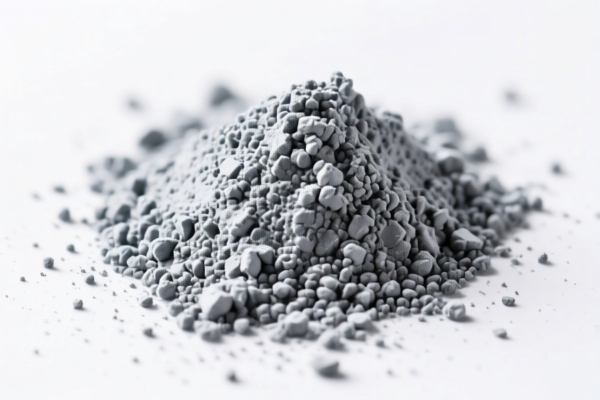
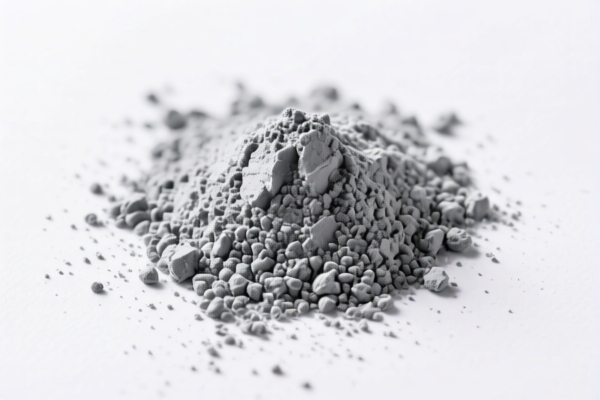
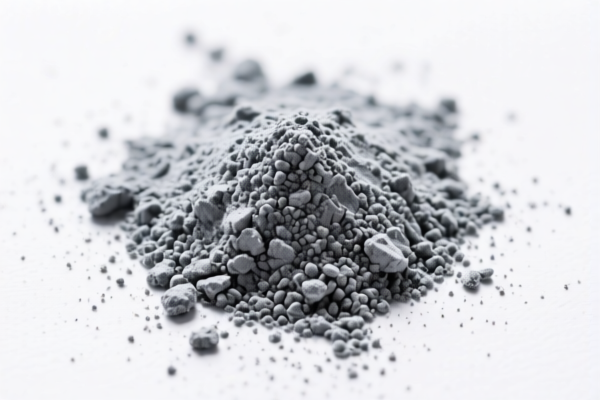
AI Analysis
🧪 Zinc Lignosulfonate (Industrial Grade)
🌐 HS Code Classification & Customs Clearance Guide | 2026 Latest Tariff Analysis | Strategic Compliance Strategy
📌 I. Product Definition & Chemical Nature: What is "Zinc Lignosulfonate"?
Zinc Lignosulfonate is a complex organic-inorganic salt derived from lignin, a natural polymer found in wood pulp. It is produced by reacting lignosulfonic acid (a byproduct of paper manufacturing) with zinc salts.
Key Characteristics: * Appearance: Usually a brownish-yellow powder or liquid. * Function: Acts as a surfactant, dispersant, binder, or corrosion inhibitor. * Classification Ambiguity: It sits at the intersection of Organic Chemicals (derived from plants/wood), Inorganic Salts (contains Zinc), and Chemical Preparations (industrial formulation). This ambiguity leads to multiple potential HS Code classifications, each with significantly different tax implications.
⚠️ Critical Distinction:
- Is it primarily a plant extract (organic origin) → Chapter 13?
- Is it primarily a metal salt (chemical preparation) → Chapter 38?
- Is it a derived polymer (plastic precursor) → Chapter 39?
📦 II. HS Code Classification Matrix (2026 Latest Tariff Authority)
| HS Code | Product Description | Basis for Classification | Total Tax Rate |
|---|---|---|---|
1302.19.91.20 |
Zinc Salts of Plant Extracts | Classified as a "Chemical Extract" where the zinc salt is derived from plant juice/extract. | 17.5% |
1302.19.91.40 |
Other Plant Juices & Extracts | Classified broadly under "Non-specific Plant Extracts." | 17.5% |
3824.99.93.97 |
Other Chemical Preparations | Classified as an industrial chemical product not specified elsewhere. | 40.0% |
3824.99.75.50 |
Metal Salts (Cyclo-Naphthenic Category) | Misclassification risk: Classified under "Metal Salts" broadly, though technically inaccurate for lignosulfonates. | 38.7% |
3913.90.20.90 |
Polysaccharide Derivatives | Classified as a "Polysaccharide Derivative" due to lignin's polymeric nature. | 40.8% |
🔍 Key Insight:
- The lowest tax rate (17.5%) is available if classified under Chapter 13 (Plant Extracts).
- The highest tax rates (38.7% - 40.8%) apply if classified under Chapter 38 (Chemical Preparations) or Chapter 39 (Polymers).
- Risk: Misclassification can lead to severe penalties, retroactive duties, and shipment delays.
💰 III. 2026 Latest Tariff Rate Details (Including Surcharges & Policy Add-ons)
✅ Applicable Country: United States (US)
✅ Country of Origin: China (CN)
✅ Effective Date: November 10, 2025 onwards (for subsequent imports)
🎯 1. 1302.19.91.20 & 1302.19.91.40 —— Plant Extracts (Recommended for Low Tax)
| Item | Details |
|---|---|
| Base Duty Rate | 0.0% (Ad Valorem) |
| Section 301 Surcharge | +7.5% (Added to base duty) |
| IEEPA Surcharge | +10% (Against Chinese goods) |
| Total Tax Rate | 17.5% |
| Tax Calculation | CIF Value × 17.5% |
| De Minimis Eligibility | ❌ Not Eligible (Subject to strict scrutiny) |
| Legal Authority Path | USITC:1302.19.91.20 → FOOTNOTE:301 → IEEPA:9903.01.10 |
📌 Explanation:
- Base Duty 0%: Plant extracts often enjoy low base duties.
- Section 301 (7.5%): Additional tariff on specific chemical/extract categories from China.
- IEEPA (10%): Broad surcharge on Chinese imports under International Emergency Economic Powers Act.
- Total 17.5%: This is the most favorable classification if the product can be legally argued as a "plant extract."
🎯 2. 3824.99.75.50 —— Chemical Preparations (Metal Salts Category)
| Item | Details |
|---|---|
| Base Duty Rate | 3.7% |
| Section 301 Surcharge | +25.0% |
| IEEPA Surcharge | +10% |
| Total Tax Rate | 38.7% |
| Tax Calculation | CIF Value × 38.7% |
| De Minimis Eligibility | ❌ Not Eligible |
| Legal Authority Path | USITC:3824.99.75.50 → FOOTNOTE:301 → IEEPA:9903.01.10 |
📌 Explanation:
- Base Duty 3.7%: Standard duty for miscellaneous chemical preparations.
- Section 301 (25%): High surcharge on industrial chemicals from China.
- IEEPA (10%): Additional surcharge.
- Total 38.7%: Significantly higher than plant extract classification.
🎯 3. 3824.99.93.97 & 3913.90.20.90 —— Other Chemical/Polysaccharide Preparations
| Item | Details |
|---|---|
| Base Duty Rate | 5.0% (~3824) / 5.8% (~3913) |
| Section 301 Surcharge | +25.0% |
| IEEPA Surcharge | +10% |
| Total Tax Rate | 40.0% (~3824) / 40.8% (~3913) |
| Tax Calculation | CIF Value × Total Rate |
| De Minimis Eligibility | ❌ Not Eligible |
| Legal Authority Path | USITC:3824.99.93.97 / USITC:3913.90.20.90 → FOOTNOTE:301 → IEEPA:9903.01.10 |
📌 Explanation:
- These classifications attract the maximum surcharge (25%) under Section 301.
- Total Rate ~40%: This is the least favorable outcome, potentially eroding profit margins significantly.
- 3913.90.20.90 is particularly risky as lignosulfonates are not true polysaccharide derivatives in the polymer sense, making this classification legally vulnerable.
🛠️ IV. Customs Clearance Practical Advice (Battle-Tested Pitfall Avoidance)
✅ 1. Document Checklist (Non-Negotiable)
| Document | Required? | Explanation |
|---|---|---|
| ✅ Technical Data Sheet (TDS) | ✔️ | Must specify composition: % Lignin, % Zinc, % Water. Proves organic origin. |
| ✅ Certificate of Analysis (COA) | ✔️ | Confirms chemical structure, ruling out pure inorganic zinc salts. |
| ✅ Formula/Composition Breakdown | ✔️ | Critical for arguing Chapter 13 vs. Chapter 38 classification. |
| ✅ Commercial Invoice | ✔️ | Must describe as "Zinc Lignosulfonate" NOT "Zinc Salt" alone. |
| ✅ Bill of Lading / Packing List | ✔️ | Ensure consistency with invoice description. |
| ✅ Pre-Classification Ruling (Optional but Recommended) | ✔️ | Request from CBP to lock in the 17.5% rate. |
✅ 2. Declaration Strategy (Key Mantra)
🔥 “Emphasize Plant Origin, Downplay Inorganic Salt, Avoid Polymer Claims!”
| Scenario | Correct Declaration | Wrong Declaration |
|---|---|---|
| Argument for Low Tax | "Zinc Lignosulfonate, Derived from Wood Pulp Lignin, Used as a Detergent Aid" | "Zinc Salt, Industrial Chemical" |
| Risk of High Tax | "Chemical Preparation, Miscellaneous" | "Polysaccharide Derivative" (if not technically accurate) |
| Documentation Focus | Highlight Lignin Source (Wood/Paper Mill By-product) | Highlight Zinc Content only |
✅ 3. Special Case Handling
| Situation | Recommendation |
|---|---|
| High Zinc Content (>50%) | CBP may reclassify as "Inorganic Salt" (Chapter 28 or 38) → Higher Tax. Need to prove lignin is the primary functional component. |
| Liquid vs. Powder | Ensure TDS matches. Liquid may have different handling codes but same tax classification logic. |
| OEM/Private Label | Provide manufacturer’s letter confirming raw material source (Wood Pulp). |
| Dispute with CBP | If CBP challenges Chapter 13, prepare GASTEC (Gas Chromatography) reports to prove lignin presence. |
🌍 V. Global Market Comparison (2026 Latest)
| Country/Region | Recommended HS Code | Duty Rate | Certification | Notes |
|---|---|---|---|---|
| 🇺🇸 USA | 1302.19.91.20 |
17.5% (Best Case) | SDS, TDS | Avoid 3824 unless necessary; 25% Section 301 applies. |
| 🇨🇳 China | 3824.99.99 |
~7-10% | No special | Domestic trade simpler; focus on quality standards. |
| 🇪🇺 EU | 1302.19 |
0-2% | REACH Compliance | EU often favors plant extracts; check REACH registration. |
| 🇯🇵 Japan | 1302.19 |
2-3% | JIS Standards | Similar to EU; favorable for organic derivations. |
📌 Conclusion:
- USA is the highest-cost market due to Section 301 and IEEPA surcharges.
- EU/Japan are more favorable for plant-derived chemicals.
- Proving "Plant Origin" is the single most important factor for reducing US tariffs.
📌 VI. Common Errors & Pitfall Guide (Lessons Learned)
❌ Mistake 1: Declaring as "Zinc Chloride" or "Inorganic Zinc Salt"
👉 Consequence: Reclassified under Chapter 28/38 → 38.7%-40% Tax.
❌ Mistake 2: Providing no Technical Data Sheet
👉 Consequence: CBP assumes worst-case classification (Chapter 38) → 40% Tax + Delays.
❌ Mistake 3: Claiming it is a "Polymer" (Chapter 39)
👉 Consequence: Legally inaccurate for lignosulfonates → 40.8% Tax + Penalties.
❌ Mistake 4: Using vague description "Chemical Additive"
👉 Consequence: CBP applies "Residual Category" rates → High Duty.
✅ Correct Approach:
“Zinc Lignosulfonate, Industrial Grade, Derived from Kraft Lignin, Used as a Dust Control Agent and Concrete Retarder.”
🎯 VII. Conclusion: Precise Classification Saves Money!
🎯 Remember the Mantra:
🔹 “Plant Origin is King, Lignin is King!”
🔹 “Chapter 13 = 17.5%, Chapter 38 = 40%+!”
🔹 “Document the Wood Pulp Source to Save 20% in Duties!”
📌 Pro Tip:
If your shipment value is high, apply for a CBP Binding Ruling before shipping. This legally locks in the 17.5% rate under 1302.19.91.20 and protects you from audits.
📣 Immediate Action:
📞 Contact a Customs Broker + Provide TDS & COA + Request CBP Ruling
🚀 Secure the 17.5% Rate, Avoid 40% Pitfalls, Maximize Profit!
✨ Professional Clearance Starts with Accurate Classification!
💼 Every Dollar Saved in Duty is Pure Profit!
Customer Reviews
About HS Code Classification
The Harmonized System (HS) is an internationally standardized nomenclature developed by the World Customs Organization (WCO) to classify traded products. Over 200 countries use the HS system as the basis for customs tariffs, trade statistics, and import/export regulations.
Each HS code follows a hierarchical structure:
- Chapter (2 digits) — Broad category of goods (e.g., Chapter 84: Machinery and Mechanical Appliances)
- Heading (4 digits) — More specific grouping within the chapter
- Subheading (6 digits) — Internationally standardized breakdown, used by all WCO member countries
- National subdivisions (8-10 digits) — Country-specific extensions for further classification, such as US HTSUS 10-digit codes
Correct HS code classification is essential for smooth customs clearance, accurate duty payment, and compliance with trade regulations. Misclassification can lead to customs delays, overpayment of duties, or penalties.
When importing from CN to US, the applicable tariff rates may include:
- Most-Favored-Nation (MFN) rate — The standard duty rate applied to WTO members
- General rate — Applied to countries without trade agreements
- Trade remedy duties — Additional tariffs such as Section 301 (anti-dumping), Section 232 (national security), or countervailing duties
The information provided on this page is for reference purposes only. For official classification, please consult with your local customs authority or a licensed customs broker.