Zipper
CN → US| HS编码 | 关税税率 | 原产国 | 目的国 | 文档 |
|---|---|---|---|---|
| 9607190020 | 48.0% | CN | US | 官方文档 |
| 9607190060 | 48.0% | CN | US | 官方文档 |
| 5609004000 | 38.9% | CN | US | 官方文档 |
| 6203439011 | 45.4% | CN | US | 官方文档 |
| 6103421020 | 33.6% | CN | US | 官方文档 |
商品图片


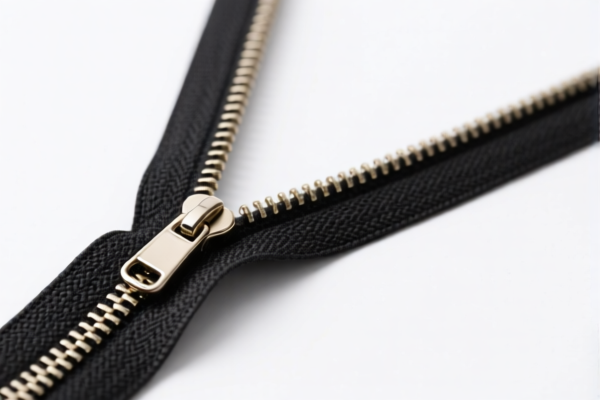
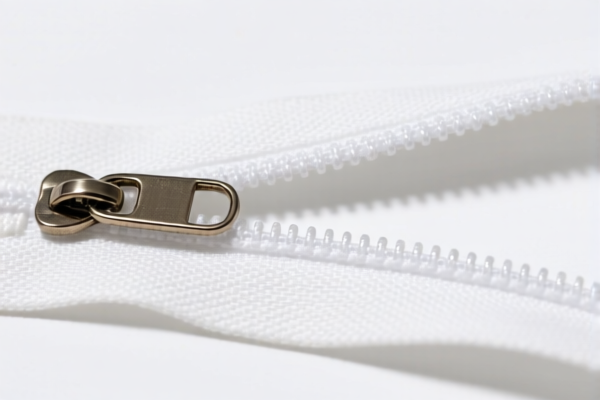
AI分析
🧵 Zipper (Zippers & Zippered Garments)
🌐 HS Code Reference & Customs Clearance Guide | 2026 Latest Tariff Analysis | Professional Strategy
📌 I. Product Definition & Classification: Do You Really Understand "Zippers"?
In international trade, "zippers" are not a single monolithic category. They are bifurcated into two distinct classifications based on their physical state:
- Zipper Elements (The Raw Material): Individual slider mechanisms, teeth, tapes, or chains not yet integrated into a final garment. These fall under Chapter 96 (Miscellaneous Manufactured Articles).
- Zippered Garments (The Final Product): Trousers, pants, or shorts that feature zippers as a functional component. These fall under Chapter 61 (Knitted/Crocheted) or Chapter 62 (Non-Knitted/Woven).
⚠️ Key Distinction Point:
- If the item is a loose zipper chain, tape, or slider intended for manufacturing →归入 9607 or 5609.
- If the item is a finished pair of trousers/pants with a zipper →归入 6203 or 6103.
- Misclassification Risk: Declaring a finished pair of pants as "zipper elements" to avoid higher garment tariffs is a major compliance violation.
📦 II. HS Code Classification Details (2026 Latest Tariff Authoritative Comparison)
Based on the provided data, here is the breakdown for Zipper components vs. Zippered Garments:
| HS Code | Product Description | Application Scenario | Classification Logic |
|---|---|---|---|
9607.19.00.20 |
Zipper, material unspecified, classified as "Other" | Generic zipper components where chain tooth material is not specified | ❌ Not a Garment |
9607.19.00.60 |
Zipper, consistent use, classified as "Other" | Generic zipper components, specific use but generic material | ❌ Not a Garment |
5609.00.40.00 |
Garment Zipper, material fits "Belt/Strap" description | Zippers explicitly described as textile tapes/straps for apparel | ❌ Component Only |
6203.43.90.11 |
Zipper Pants, Form: Trousers, Material: Synthetic Fiber or Cotton | Woven trousers with zippers, material inferred as synthetic/cotton blend | ✅ Finished Garment |
6103.42.10.20 |
Zipper Pants, Form: Long Pants, Material: Cotton Knitted | Knitted/Crocheted long pants with zippers, material inferred as cotton knit | ✅ Finished Garment |
🔍 Key Reminder:
- Component vs. Final Product: The HS Code changes drastically from 9607/5609 (accessories) to 6203/6103 (apparel).
- Material Matters: For garments, whether it is Woven (Ch 62) or Knitted (Ch 61) determines the base tariff rate significantly.
💰 III. 2026 Latest Tariff Rate Breakdown (Including Surcharges & Policy Add-ons)
✅ Applicable Country: United States (US)
✅ Origin: China (CN)
✅ Effective Time: Including imports from Nov 2025 onwards
🎯 1. 9607.19.00.20 & 9607.19.00.60 —— Zipper Components (Unspecified/Other)
| Item | Content |
|---|---|
| Base Tariff | 13.0% (Ad valorem) |
| USITC Surcharge (Section 301) | +25.0% |
| IEEPA Surcharge (Section 122) | +10.0% |
| Total Tax Rate | 48.0% |
| Tax Calculation | CIF Value × 48.0% |
| De Minimis Exemption | ❌ Not Eligible (deny_de_minimis) |
| Legal Basis Path | Section 301 → Section 122 → USITC:9607.19.00.20/60 |
📌 Explanation:
- These codes apply to loose zipper components.
- The total tariff is extremely high at 48%, driven by the 13% base + 25% Section 301 + 10% Section 122.
- Strategic Insight: If you are exporting finished pants, do not ship them as "loose zippers" to avoid this. However, if you are exporting the zippers themselves, this is the unavoidable cost.
🎯 2. 5609.00.40.00 —— Garment Zipper (Textile/Belt Description)
| Item | Content |
|---|---|
| Base Tariff | 3.9% (Ad valorem) |
| USITC Surcharge (Section 301) | +25.0% |
| IEEPA Surcharge (Section 122) | +10.0% |
| Total Tax Rate | 38.9% |
| Tax Calculation | CIF Value × 38.9% |
| De Minimis Exemption | ❌ Not Eligible (deny_de_minimis) |
| Legal Basis Path | Section 301 → Section 122 → USITC:5609.00.40.00 |
📌 Note:
- This code is for zippers that fit the description of textile belts or straps.
- The base tariff is lower (3.9% vs 13.0%), resulting in a lower total rate of 38.9% compared to the generic9607codes.
- Optimization Tip: If your product description allows, classifying zippers under 5609 rather than 9607 saves 9.1% on the total tax burden.
🎯 3. 6203.43.90.11 —— Zipper Pants (Woven/Synthetic or Cotton)
| Item | Content |
|---|---|
| Base Tariff | 27.9% (Ad valorem) |
| USITC Surcharge (Section 301) | +7.5% |
| IEEPA Surcharge (Section 122) | +10.0% |
| Total Tax Rate | 45.4% |
| Tax Calculation | CIF Value × 45.4% |
| De Minimis Exemption | ❌ Not Eligible (deny_de_minimis) |
| Legal Basis Path | Section 301 → Section 122 → USITC:6203.43.90.11 |
📌 Explanation:
- This applies to finished woven trousers (e.g., denim, khakis, synthetic blends).
- Despite being a final garment, the base tariff is high (27.9%), but the Section 301 surcharge is reduced to 7.5% (lower than the 25% for components).
- Total Cost: 45.4%.
🎯 4. 6103.42.10.20 —— Zipper Pants (Knitted/Cotton Long Pants)
| Item | Content |
|---|---|
| Base Tariff | 16.1% (Ad valorem) |
| USITC Surcharge (Section 301) | +7.5% |
| IEEPA Surcharge (Section 122) | +10.0% |
| Total Tax Rate | 33.6% |
| Tax Calculation | CIF Value × 33.6% |
| De Minimis Exemption | ❌ Not Eligible (deny_de_minimis) |
| Legal Basis Path | Section 301 → Section 122 → USITC:6103.42.10.20 |
📌 Strategic Advantage:
- This is the most cost-effective classification among all options provided.
- It applies to knitted/crocheted long pants (e.g., sweatpants, knit trousers) made of cotton or synthetic fiber.
- Why so low? The base tariff for knitted apparel is significantly lower (16.1%) than woven apparel (27.9%) or zipper components (13%+high surcharges logic).
- Optimization Tip: If your product can be described as "Knitted Cotton Pants" rather than "Woven Pants," you save 11.8% compared to woven pants and 15.3% compared to generic zippers.
🛠️ IV. Customs Clearance Practical Advice (Battle-Tested Pitfall Avoidance)
✅ 1. Required Documentation Checklist (Non-Negotiable)
| Material | Mandatory | Explanation |
|---|---|---|
| ✅ Product Specification Sheet | ✔️ | Must detail: Material composition (Knit vs. Woven), Type of Zipper (Metal/Plastic), Dimensions |
| ✅ Material Composition Test Report | ✔️ | Critical for distinguishing Chapter 61 (Knit) vs. Chapter 62 (Woven). Without this, customs may assign the higher "Other" tariff. |
| ✅ Product Photos (Clear Label) | ✔️ | Show the zipper slider, teeth, and overall garment fit to distinguish "Component" vs. "Garment" |
| ✅ Commercial Invoice | ✔️ | Accurate description: "Men's Cotton Knit Long Pants with Zipper Fly" vs. "Zipper Chain" |
| ✅ Packing List | ✔️ | Ensure no mixing of components and finished goods in one shipment to avoid complex dual-clearance issues |
✅ 2. Declaration Strategy (Key Mantra)
🔥 "Garment Not Component, Knit Saves Cost, Description Must Match Material!"
| Scenario | Correct Declaration | Wrong Practice |
|---|---|---|
| Finished Pants | 6103.42.10.20 (if Knit) or 6203.43.90.11 (if Woven) |
Declaring as "Zipper" (9607) → Customs Rejection & Penalty |
| Loose Zipper Chain | 5609.00.40.00 (if Textile Tape) |
Declaring as "Garment" → Wrong Classification |
| Generic Zipper | 9607.19.00.20 |
Declaring as 5609 without textile tape proof → Audit Risk |
| Knit Pants | 6103.42.10.20 |
Declaring as 6203 (Woven) → Higher Tax (45.4% vs 33.6%) |
✅ 3. Special Situation Handling
| Situation | Handling Advice |
|---|---|
| Mixed Materials | If the pants are 60% Cotton Knit and 40% Synthetic Woven, consult a specialist. Usually, the principal character determines the HS Code. |
| Zipper as a Gift | If shipped separately, declare as 9607 or 5609. Do not bundle value with pants if customs separates them. |
| Origin Fraud | Do not mislabel Chinese goods as "Vietnam Origin" to avoid Section 301. US Customs is actively cracking down on this. |
| Section 122 Exemption | Currently, no general exemption exists for Section 122 (10%) for these goods. Factor this into your margin. |
🌍 V. Global Market Customs Comparison (2026 Latest)
| Country/Region | Recommended HS Code | Tariff Rate | Certification Requirements | Notes |
|---|---|---|---|---|
| 🇺🇸 USA | 6103.42.10.20 |
33.6% (Knit Pants) | None specific for zipper | Highest tax burden globally due to 301+122 |
| 🇺🇸 USA | 9607.19.00.20 |
48.0% (Zipper Comp) | None | Avoid if possible; too expensive |
| 🇨🇳 China | 6103.42.10.20 |
16.1% + Import Duty | CCC (if applicable) | No Section 301/122 surcharges |
| 🇪🇺 EU | 6103.42.00 |
0% - 12% | CE (if safety gear), REACH | No Section 301/122 surcharges |
| 🇦🇺 Australia | 6103.42.00 |
5% - 10% | None | Competitive for apparel |
📌 Conclusion:
- The US market is the most expensive due to the叠加 (stacking) of Base Tariff + Section 301 + Section 122.
- Knitted Garments (6103) are significantly cheaper to import into the US than Woven Garments (6203) or Zipper Components (9607).
- Strategy: If you are an exporter, optimize your product design. Can the pants be made using knit fabric instead of woven? This single change saves 11.8% in duties.
📌 VI. Common Errors & Pitfall Guide (Blood-Learnings)
❌ Mistake 1: Declaring finished pants as "Zipper Parts" (9607)
👉 Consequence: Customs will reject the declaration, force re-classification to 6203/6103, and charge penalties + storage fees.
👉 Correct: Declare as "Men's Cotton Knit Pants".
❌ Mistake 2: Ignoring the "Knit vs. Woven" distinction
👉 Consequence: If you declare Knit Pants as Woven Pants (6203), you pay 45.4% instead of 33.6%.
👉 Correct: Provide fabric composition test reports to prove it is Knitted.
❌ Mistake 3: Misusing 5609 for non-textile zippers
👉 Consequence: If the zipper has metal teeth and plastic tape, it may not fit 5609 (Textile/Belt). Customs may shift it to 9607 (48%).
👉 Correct: Ensure the product description emphasizes Textile Tape/Belt nature for 5609.
❌ Mistake 4: Assuming De Minimis Applies
👉 Consequence: Under Section 301/122, goods from China do NOT qualify for the $800 De Minimis exemption.
👉 Correct: Plan for full duty payment even for small samples.
🎯 VII. Conclusion: Professional Classification, Cost Reduction & Efficiency
🎯 Remember the Mantra:
🔹 "Knit Pants 33.6%, Woven 45.4%, Zipper Parts 48%!"
🔹 "Material Defines Category, Category Defines Cost!"
🔹 "Don't Ship Pants as Zippers; The Penalty is Not Worth It!"
📌 Pro Tip:
If your zipper is not made in China (e.g., Vietnam, Bangladesh), the Section 301 (25%) and Section 122 (10%) surcharges DO NOT APPLY.
👉 Action: For raw zipper components, sourcing from non-China origins can reduce the tariff from 48% to just the Base Rate (e.g., 5-8%). This is a massive saving for B2B suppliers.
📣 Immediate Action:
📞 Verify Fabric Type: Knit or Woven?
📦 Check Origin: China or Non-China?
📝 Document Accuracy: Ensure Invoice Matches Physical Product.
🚀 Optimize Your Supply Chain: Choose the lowest HS Code path legally!
✨ Professional Customs Clearance Starts with Accurate Classification!
💼 Your Every Penny of Cost Deserves Precise Calculation!
用户评价
关于 HS 编码归类
协调制度(HS)是由世界海关组织(WCO)制定的国际贸易商品分类标准。全球 200 多个国家采用 HS 系统作为海关关税、贸易统计和进出口监管的基础。
每个 HS 编码遵循以下层级结构:
- 章(2 位)——商品大类(例如:第 84 章:机器和机械设备)
- 品目(4 位)——章内的更具体分类
- 子目(6 位)——国际通用细分,所有 WCO 成员国统一使用
- 本国细分(8-10 位)——各国自行扩展的细分编码,如美国 HTSUS 10 位编码
正确的 HS 编码归类对于顺利通关、准确缴纳关税和遵守贸易法规至关重要。错误归类可能导致海关延误、多缴关税或罚款。
从CN进口到US时,适用的关税税率可能包括:
- 最惠国(MFN)税率——适用于 WTO 成员国的标准关税税率
- 普通税率——适用于无贸易协定国家
- 贸易救济关税——附加关税,如 301 条款(反倾销)、232 条款(国家安全)或反补贴税
本页内容仅供参考。如需正式归类,请咨询当地海关或持牌报关代理。