Zipper
CN → US| HS Code | Tariff Rate | Origin | Destination | Doc |
|---|---|---|---|---|
| 9607190020 | 48.0% | CN | US | Official Doc |
| 9607190060 | 48.0% | CN | US | Official Doc |
| 5609004000 | 38.9% | CN | US | Official Doc |
| 6203439011 | 45.4% | CN | US | Official Doc |
| 6103421020 | 33.6% | CN | US | Official Doc |
Product Images


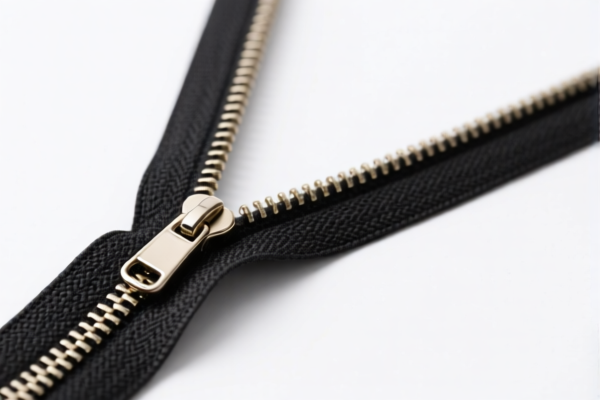
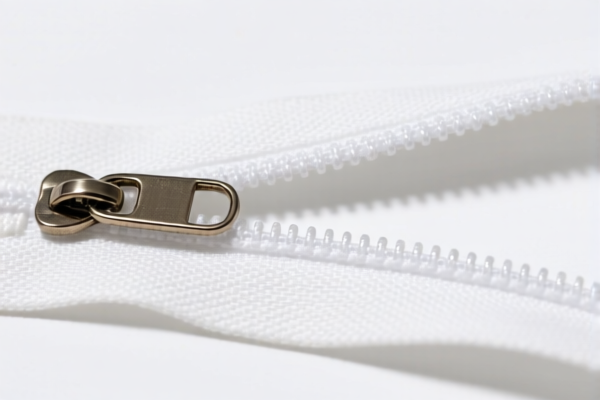
AI Analysis
🧵 Zipper (Zippers & Zippered Garments)
🌐 HS Code Reference & Customs Clearance Guide | 2026 Latest Tariff Analysis | Professional Strategy
📌 I. Product Definition & Classification: Do You Really Understand "Zippers"?
In international trade, "zippers" are not a single monolithic category. They are bifurcated into two distinct classifications based on their physical state:
- Zipper Elements (The Raw Material): Individual slider mechanisms, teeth, tapes, or chains not yet integrated into a final garment. These fall under Chapter 96 (Miscellaneous Manufactured Articles).
- Zippered Garments (The Final Product): Trousers, pants, or shorts that feature zippers as a functional component. These fall under Chapter 61 (Knitted/Crocheted) or Chapter 62 (Non-Knitted/Woven).
⚠️ Key Distinction Point:
- If the item is a loose zipper chain, tape, or slider intended for manufacturing →归入 9607 or 5609.
- If the item is a finished pair of trousers/pants with a zipper →归入 6203 or 6103.
- Misclassification Risk: Declaring a finished pair of pants as "zipper elements" to avoid higher garment tariffs is a major compliance violation.
📦 II. HS Code Classification Details (2026 Latest Tariff Authoritative Comparison)
Based on the provided data, here is the breakdown for Zipper components vs. Zippered Garments:
| HS Code | Product Description | Application Scenario | Classification Logic |
|---|---|---|---|
9607.19.00.20 |
Zipper, material unspecified, classified as "Other" | Generic zipper components where chain tooth material is not specified | ❌ Not a Garment |
9607.19.00.60 |
Zipper, consistent use, classified as "Other" | Generic zipper components, specific use but generic material | ❌ Not a Garment |
5609.00.40.00 |
Garment Zipper, material fits "Belt/Strap" description | Zippers explicitly described as textile tapes/straps for apparel | ❌ Component Only |
6203.43.90.11 |
Zipper Pants, Form: Trousers, Material: Synthetic Fiber or Cotton | Woven trousers with zippers, material inferred as synthetic/cotton blend | ✅ Finished Garment |
6103.42.10.20 |
Zipper Pants, Form: Long Pants, Material: Cotton Knitted | Knitted/Crocheted long pants with zippers, material inferred as cotton knit | ✅ Finished Garment |
🔍 Key Reminder:
- Component vs. Final Product: The HS Code changes drastically from 9607/5609 (accessories) to 6203/6103 (apparel).
- Material Matters: For garments, whether it is Woven (Ch 62) or Knitted (Ch 61) determines the base tariff rate significantly.
💰 III. 2026 Latest Tariff Rate Breakdown (Including Surcharges & Policy Add-ons)
✅ Applicable Country: United States (US)
✅ Origin: China (CN)
✅ Effective Time: Including imports from Nov 2025 onwards
🎯 1. 9607.19.00.20 & 9607.19.00.60 —— Zipper Components (Unspecified/Other)
| Item | Content |
|---|---|
| Base Tariff | 13.0% (Ad valorem) |
| USITC Surcharge (Section 301) | +25.0% |
| IEEPA Surcharge (Section 122) | +10.0% |
| Total Tax Rate | 48.0% |
| Tax Calculation | CIF Value × 48.0% |
| De Minimis Exemption | ❌ Not Eligible (deny_de_minimis) |
| Legal Basis Path | Section 301 → Section 122 → USITC:9607.19.00.20/60 |
📌 Explanation:
- These codes apply to loose zipper components.
- The total tariff is extremely high at 48%, driven by the 13% base + 25% Section 301 + 10% Section 122.
- Strategic Insight: If you are exporting finished pants, do not ship them as "loose zippers" to avoid this. However, if you are exporting the zippers themselves, this is the unavoidable cost.
🎯 2. 5609.00.40.00 —— Garment Zipper (Textile/Belt Description)
| Item | Content |
|---|---|
| Base Tariff | 3.9% (Ad valorem) |
| USITC Surcharge (Section 301) | +25.0% |
| IEEPA Surcharge (Section 122) | +10.0% |
| Total Tax Rate | 38.9% |
| Tax Calculation | CIF Value × 38.9% |
| De Minimis Exemption | ❌ Not Eligible (deny_de_minimis) |
| Legal Basis Path | Section 301 → Section 122 → USITC:5609.00.40.00 |
📌 Note:
- This code is for zippers that fit the description of textile belts or straps.
- The base tariff is lower (3.9% vs 13.0%), resulting in a lower total rate of 38.9% compared to the generic9607codes.
- Optimization Tip: If your product description allows, classifying zippers under 5609 rather than 9607 saves 9.1% on the total tax burden.
🎯 3. 6203.43.90.11 —— Zipper Pants (Woven/Synthetic or Cotton)
| Item | Content |
|---|---|
| Base Tariff | 27.9% (Ad valorem) |
| USITC Surcharge (Section 301) | +7.5% |
| IEEPA Surcharge (Section 122) | +10.0% |
| Total Tax Rate | 45.4% |
| Tax Calculation | CIF Value × 45.4% |
| De Minimis Exemption | ❌ Not Eligible (deny_de_minimis) |
| Legal Basis Path | Section 301 → Section 122 → USITC:6203.43.90.11 |
📌 Explanation:
- This applies to finished woven trousers (e.g., denim, khakis, synthetic blends).
- Despite being a final garment, the base tariff is high (27.9%), but the Section 301 surcharge is reduced to 7.5% (lower than the 25% for components).
- Total Cost: 45.4%.
🎯 4. 6103.42.10.20 —— Zipper Pants (Knitted/Cotton Long Pants)
| Item | Content |
|---|---|
| Base Tariff | 16.1% (Ad valorem) |
| USITC Surcharge (Section 301) | +7.5% |
| IEEPA Surcharge (Section 122) | +10.0% |
| Total Tax Rate | 33.6% |
| Tax Calculation | CIF Value × 33.6% |
| De Minimis Exemption | ❌ Not Eligible (deny_de_minimis) |
| Legal Basis Path | Section 301 → Section 122 → USITC:6103.42.10.20 |
📌 Strategic Advantage:
- This is the most cost-effective classification among all options provided.
- It applies to knitted/crocheted long pants (e.g., sweatpants, knit trousers) made of cotton or synthetic fiber.
- Why so low? The base tariff for knitted apparel is significantly lower (16.1%) than woven apparel (27.9%) or zipper components (13%+high surcharges logic).
- Optimization Tip: If your product can be described as "Knitted Cotton Pants" rather than "Woven Pants," you save 11.8% compared to woven pants and 15.3% compared to generic zippers.
🛠️ IV. Customs Clearance Practical Advice (Battle-Tested Pitfall Avoidance)
✅ 1. Required Documentation Checklist (Non-Negotiable)
| Material | Mandatory | Explanation |
|---|---|---|
| ✅ Product Specification Sheet | ✔️ | Must detail: Material composition (Knit vs. Woven), Type of Zipper (Metal/Plastic), Dimensions |
| ✅ Material Composition Test Report | ✔️ | Critical for distinguishing Chapter 61 (Knit) vs. Chapter 62 (Woven). Without this, customs may assign the higher "Other" tariff. |
| ✅ Product Photos (Clear Label) | ✔️ | Show the zipper slider, teeth, and overall garment fit to distinguish "Component" vs. "Garment" |
| ✅ Commercial Invoice | ✔️ | Accurate description: "Men's Cotton Knit Long Pants with Zipper Fly" vs. "Zipper Chain" |
| ✅ Packing List | ✔️ | Ensure no mixing of components and finished goods in one shipment to avoid complex dual-clearance issues |
✅ 2. Declaration Strategy (Key Mantra)
🔥 "Garment Not Component, Knit Saves Cost, Description Must Match Material!"
| Scenario | Correct Declaration | Wrong Practice |
|---|---|---|
| Finished Pants | 6103.42.10.20 (if Knit) or 6203.43.90.11 (if Woven) |
Declaring as "Zipper" (9607) → Customs Rejection & Penalty |
| Loose Zipper Chain | 5609.00.40.00 (if Textile Tape) |
Declaring as "Garment" → Wrong Classification |
| Generic Zipper | 9607.19.00.20 |
Declaring as 5609 without textile tape proof → Audit Risk |
| Knit Pants | 6103.42.10.20 |
Declaring as 6203 (Woven) → Higher Tax (45.4% vs 33.6%) |
✅ 3. Special Situation Handling
| Situation | Handling Advice |
|---|---|
| Mixed Materials | If the pants are 60% Cotton Knit and 40% Synthetic Woven, consult a specialist. Usually, the principal character determines the HS Code. |
| Zipper as a Gift | If shipped separately, declare as 9607 or 5609. Do not bundle value with pants if customs separates them. |
| Origin Fraud | Do not mislabel Chinese goods as "Vietnam Origin" to avoid Section 301. US Customs is actively cracking down on this. |
| Section 122 Exemption | Currently, no general exemption exists for Section 122 (10%) for these goods. Factor this into your margin. |
🌍 V. Global Market Customs Comparison (2026 Latest)
| Country/Region | Recommended HS Code | Tariff Rate | Certification Requirements | Notes |
|---|---|---|---|---|
| 🇺🇸 USA | 6103.42.10.20 |
33.6% (Knit Pants) | None specific for zipper | Highest tax burden globally due to 301+122 |
| 🇺🇸 USA | 9607.19.00.20 |
48.0% (Zipper Comp) | None | Avoid if possible; too expensive |
| 🇨🇳 China | 6103.42.10.20 |
16.1% + Import Duty | CCC (if applicable) | No Section 301/122 surcharges |
| 🇪🇺 EU | 6103.42.00 |
0% - 12% | CE (if safety gear), REACH | No Section 301/122 surcharges |
| 🇦🇺 Australia | 6103.42.00 |
5% - 10% | None | Competitive for apparel |
📌 Conclusion:
- The US market is the most expensive due to the叠加 (stacking) of Base Tariff + Section 301 + Section 122.
- Knitted Garments (6103) are significantly cheaper to import into the US than Woven Garments (6203) or Zipper Components (9607).
- Strategy: If you are an exporter, optimize your product design. Can the pants be made using knit fabric instead of woven? This single change saves 11.8% in duties.
📌 VI. Common Errors & Pitfall Guide (Blood-Learnings)
❌ Mistake 1: Declaring finished pants as "Zipper Parts" (9607)
👉 Consequence: Customs will reject the declaration, force re-classification to 6203/6103, and charge penalties + storage fees.
👉 Correct: Declare as "Men's Cotton Knit Pants".
❌ Mistake 2: Ignoring the "Knit vs. Woven" distinction
👉 Consequence: If you declare Knit Pants as Woven Pants (6203), you pay 45.4% instead of 33.6%.
👉 Correct: Provide fabric composition test reports to prove it is Knitted.
❌ Mistake 3: Misusing 5609 for non-textile zippers
👉 Consequence: If the zipper has metal teeth and plastic tape, it may not fit 5609 (Textile/Belt). Customs may shift it to 9607 (48%).
👉 Correct: Ensure the product description emphasizes Textile Tape/Belt nature for 5609.
❌ Mistake 4: Assuming De Minimis Applies
👉 Consequence: Under Section 301/122, goods from China do NOT qualify for the $800 De Minimis exemption.
👉 Correct: Plan for full duty payment even for small samples.
🎯 VII. Conclusion: Professional Classification, Cost Reduction & Efficiency
🎯 Remember the Mantra:
🔹 "Knit Pants 33.6%, Woven 45.4%, Zipper Parts 48%!"
🔹 "Material Defines Category, Category Defines Cost!"
🔹 "Don't Ship Pants as Zippers; The Penalty is Not Worth It!"
📌 Pro Tip:
If your zipper is not made in China (e.g., Vietnam, Bangladesh), the Section 301 (25%) and Section 122 (10%) surcharges DO NOT APPLY.
👉 Action: For raw zipper components, sourcing from non-China origins can reduce the tariff from 48% to just the Base Rate (e.g., 5-8%). This is a massive saving for B2B suppliers.
📣 Immediate Action:
📞 Verify Fabric Type: Knit or Woven?
📦 Check Origin: China or Non-China?
📝 Document Accuracy: Ensure Invoice Matches Physical Product.
🚀 Optimize Your Supply Chain: Choose the lowest HS Code path legally!
✨ Professional Customs Clearance Starts with Accurate Classification!
💼 Your Every Penny of Cost Deserves Precise Calculation!
Customer Reviews
About HS Code Classification
The Harmonized System (HS) is an internationally standardized nomenclature developed by the World Customs Organization (WCO) to classify traded products. Over 200 countries use the HS system as the basis for customs tariffs, trade statistics, and import/export regulations.
Each HS code follows a hierarchical structure:
- Chapter (2 digits) — Broad category of goods (e.g., Chapter 84: Machinery and Mechanical Appliances)
- Heading (4 digits) — More specific grouping within the chapter
- Subheading (6 digits) — Internationally standardized breakdown, used by all WCO member countries
- National subdivisions (8-10 digits) — Country-specific extensions for further classification, such as US HTSUS 10-digit codes
Correct HS code classification is essential for smooth customs clearance, accurate duty payment, and compliance with trade regulations. Misclassification can lead to customs delays, overpayment of duties, or penalties.
When importing from CN to US, the applicable tariff rates may include:
- Most-Favored-Nation (MFN) rate — The standard duty rate applied to WTO members
- General rate — Applied to countries without trade agreements
- Trade remedy duties — Additional tariffs such as Section 301 (anti-dumping), Section 232 (national security), or countervailing duties
The information provided on this page is for reference purposes only. For official classification, please consult with your local customs authority or a licensed customs broker.