Zipperless Polypropylene Woven Bag
CN → US| HS编码 | 关税税率 | 原产国 | 目的国 | 文档 |
|---|---|---|---|---|
| 6305330010 | 25.9% | CN | US | 官方文档 |
| 6305330080 | 25.9% | CN | US | 官方文档 |
| 3923290000 | 38.0% | CN | US | 官方文档 |
| 3923210080 | 38.0% | CN | US | 官方文档 |
| 6305330010 | 25.9% | CN | US | 官方文档 |
商品图片
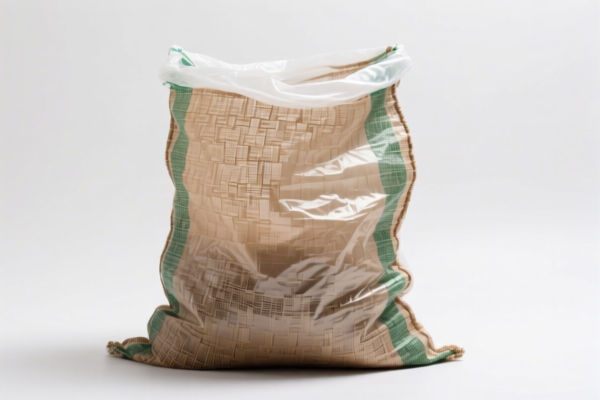
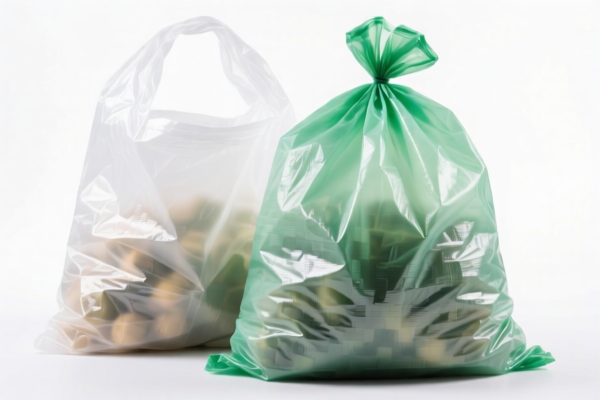
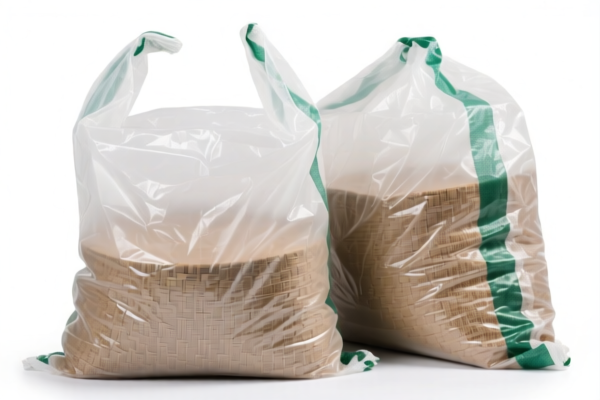
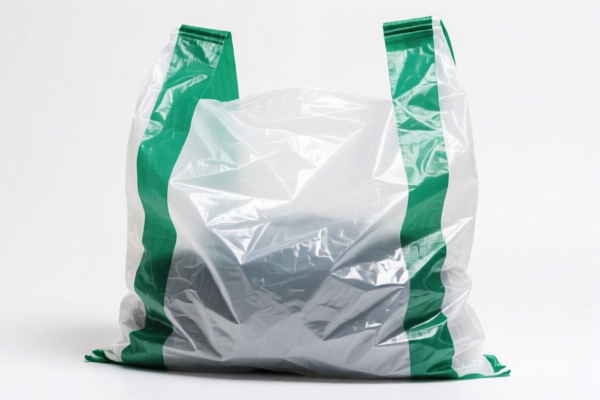
AI分析
🛍️ Zipperless Polypropylene Woven Bag
🌐 HS Code Reference & Customs Clearance Guide | 2026 Latest Tariff Analysis | Professional Clearance Strategy
📌 I. Product Definition and Classification: Do You Really Understand "Zipperless Polypropylene Woven Bag"?
A Zipperless Polypropylene Woven Bag is a packaging solution made from woven polypropylene (PP) strips. In international trade, its classification depends heavily on material composition, structure, and intended use. It falls primarily into two categories:
Category A: Textile-Type Woven Bags
Bags made from polypropylene strips, behaving more like textile containers. These are classified under Chapter 63 (Other Made Up Textile Articles).
Category B: Plastic Packaging Articles
Bags made from polypropylene plastic, treated as plastic packaging materials. These are classified under Chapter 39 (Plastics and Articles Thereof).
⚠️ Key Distinction Point:
- If the bag is explicitly described as "woven" and made from PP strips (textile-like structure) → Classify under 6305.33
- If the bag is viewed broadly as a "plastic bag/sack" regardless of weaving → Classify under 3923
📦 II. HS Code Classification Details (2026 Latest Tariff Authoritative Comparison)
| HS Code | Product Description | Application Scenario | Material/Structure Logic |
|---|---|---|---|
6305.33.00.10 |
Bags made of polypropylene strips or the like, zipperless, unlined | Standard industrial PP woven sacks, no liner, no zipper | ✅ Textile-type woven bag (PP strips) |
6305.33.00.80 |
Other bags made of polyethylene or polypropylene strips, for packaging | Packaging bags meeting PP strip definition | ✅ Textile-type woven bag (Packaging focus) |
3923.29.00.00 |
Sacs and bags (including cones), of plastics, other than those of heading 39.21 or 39.22 | Plastic-type packaging sacks, loose classification | ✅ Plastic bag logic (General plastic) |
3923.21.00.80 |
Sacs and bags, of polymers of ethylene, other | Bags classified under ethylene/polymer plastic logic | ✅ Plastic bag logic (Polymer type) |
🔍 Key Reminder:
- 6305.33 is typically preferred for woven PP bags because "woven" implies a textile manufacturing process.
- 3923 is used when the bag is considered a generic plastic article, even if woven.
- Both classifications result in high tariffs due to "Section 301" and "Section 122" provisions for Chinese-origin goods.
💰 III. 2026 Latest Tariff Rate Detailed Breakdown (Including Additional Taxes & Policy Surcharges)
✅ Applicable Country: United States (US)
✅ Origin: China (CN)
✅ Effective Date: Current (Including 2026 projections based on existing policies)
🎯 1. 6305.33.00.10 & 6305.33.00.80 —— Polypropylene Woven Bags (Textile Type)
| Item | Content |
|---|---|
| Base Tariff Rate | 8.4% (ad valorem) |
| Additional Tariff (Section 301) | +7.5% |
| Section 122 Tariff | +10% |
| Total Tariff Rate | 25.9% |
| Tax Calculation | CIF Value × 25.9% |
| De Minimis Exemption | ❌ Not Eligible (High-value industrial packaging) |
| Legal Basis Path | HTSUS:6305.33 → Section 301: 7.5% → Section 122: 10% |
📌 Explanation:
- The 8.4% is the standard MFN (Most Favored Nation) duty for woven PP bags under Chapter 63.
- The 7.5% is the additional duty under Section 301 for Chinese-origin goods in this category.
- The 10% is the Section 122 tariff, which applies to certain industrial materials.
- Total: 25.9%. This is a high tariff bracket. Accurate classification is critical to avoid misclassification penalties.
🎯 2. 3923.29.00.00 & 3923.21.00.80 —— Plastic Packaging Bags (Plastic Type)
| Item | Content |
|---|---|
| Base Tariff Rate | 3.0% (ad valorem) |
| Additional Tariff (Section 301) | +25.0% |
| Section 122 Tariff | +10% |
| Total Tariff Rate | 38.0% |
| Tax Calculation | CIF Value × 38.0% |
| De Minimis Exemption | ❌ Not Eligible |
| Legal Basis Path | HTSUS:3923 → Section 301: 25.0% → Section 122: 10% |
📌 Explanation:
- The 3.0% is the base duty for plastic bags/sacks.
- The 25.0% is a much higher Section 301 additional duty compared to the 7.5% for textile-type bags.
- The 10% Section 122 tariff still applies.
- Total: 38.0%. This is an extremely high tariff bracket.
- Critical Insight: Classifying as3923results in a 12.1% higher total tax than classifying as6305.33. Therefore, 6305.33 is the preferred classification for woven PP bags to minimize duty, provided the "woven" structure is clearly documented.
🛠️ IV. Customs Clearance Practical Advice (Real-World Pitfall Avoidance Guide)
✅ 1. Required Documentation List (All Are Mandatory)
| Document | Must Provide | Description |
|---|---|---|
| ✅ Product Specification Sheet | ✔️ | Material: 100% PP; Structure: Woven; Type: Zipperless; Capacity; Weight |
| ✅ Product Photos | ✔️ | Clear images showing the woven texture, seams, and lack of zipper/liner |
| ✅ Commercial Invoice | ✔️ | Clearly state "Polypropylene Woven Bag, Zipperless, Unlined" |
| ✅ Packing List | ✔️ | Include quantity, weight, and dimensions |
| ✅ Manufacturer’s Declaration | ✔️ | Confirm material is polypropylene and process is weaving (not non-woven or extruded film) |
✅ 2. Declaration Tips (Key Mnemonic)
🔥 "Woven is Textile, Not Plastic; 6305 saves you 12%! Zippers change nothing, but liners might!"
| Scenario | Correct Declaration | Incorrect Action |
|---|---|---|
| Plain Woven PP Bag (Unlined, No Zipper) | 6305.33.00.10 or 6305.33.00.80 |
Misclassify as 3923 → 38.0% Tax |
| Lined Woven PP Bag | Check if it becomes "Plastic-lined" → May shift to 3923 |
Assume 6305 still applies |
| Non-Woven PP Bag | Not 6305.33; may fall under 5603 or 3923 |
Call it "woven" when it's not |
| Bag with Zipper | Not "Zipperless"; may fall under 6305.31 (different subheading) |
Declare as "Zipperless" when it has one |
✅ 3. Special Circumstances Handling
| Situation | Handling Advice |
|---|---|
| OEM Custom Bags | Provide design specs to prove "woven" structure. Avoid terms like "plastic sack" in docs. |
| Multi-Layer Bags | If inner layer is plastic, clarify if it affects "unlined" status. Unlined = No separate inner lining. |
| Reused/Second-hand | May fall under different heading (e.g., 6305.32). Declare as "Used" if applicable. |
| Small Sample Shipments | Still subject to 25.9% or 38.0% tariff. No de minimis exemption for this HS Code. |
🌍 V. Global Market Clearance Comparison (2026 Latest)
| Country/Region | Recommended HS Code | Tariff (China Origin) | Certification | Remarks |
|---|---|---|---|---|
| 🇺🇸 USA | 6305.33.00.10/80 |
25.9% | None Specific | Avoid 3923 (38.0%) to save cost |
| 🇨🇳 China | 6305.33 |
Low (Import Duty) | CCC (if applicable) | Domestic consumption |
| 🇪🇺 EU | 6305.33 |
Varies (often 0-2.5%) | CE (if applicable) | No Section 301/122 equivalents |
| 🇬🇧 UK | 6305.33 |
Varies | UKCA | Post-Brexit rules apply |
| 🇨🇦 Canada | 6305.33 |
Low (FTA if applicable) | None | Check CUSMA eligibility |
📌 Conclusion:
- USA has the highest tariff impact due to Section 301 and Section 122.
- Classifying as6305.33(Textile-type) is strategically better than3923(Plastic-type) for woven PP bags, saving 12.1% in duty.
- Documentation must prove "woven" structure to justify6305.33.
📌 VI. Common Mistakes & Pitfall Guide (Lessons Learned)
❌ Mistake 1: Declaring "PP Bag" generically, leading Customs to classify under 3923
👉 Consequence: 38.0% tariff instead of 25.9% → Overpayment of 12.1%!
❌ Mistake 2: Claiming "Zipperless" when the bag actually has a zipper or heat seal
👉 Consequence: Misdeclaration, potential fines, or detention at customs.
❌ Mistake 3: Not providing photos of the woven texture
👉 Consequence: Customs officer may assume it's a non-woven or extruded plastic bag → Re-classification to 3923.
❌ Mistake 4: Ignoring Section 122 Tariff
👉 Consequence: Underpayment of the 10% Section 122 duty → Penalties and interest.
✅ Correct Practice:
"Polypropylene Woven Sack, Zipperless, Unlined, 50kg Capacity, Woven Structure, PP Strip Material, Model XYZ, For Industrial Packaging"
🎯 VII. Conclusion: Professional Declaration Saves Money!
🎯 Remember the Mnemonic:
🔹 "Woven = 6305, Plastic = 3923; 25.9% vs 38.0%, Choose Wisely!"
🔹 "Zipperless means no closure, but make sure it’s truly unlined!"
🔹 "HS Code Determines Duty, 12.1% Difference is Real Money!"
📌 Tips:
- If your bags are non-woven (not woven from strips), they may fall under different HS Codes (e.g., 5603).
- Always provide high-resolution photos of the weave pattern to support 6305.33 classification.
- Consider Applying for a Binding Tariff Ruling (BTR) from US Customs if you import large volumes, to lock in the 25.9% rate and avoid future disputes.
📣 Immediate Action:
📞 Consult a Professional Customs Broker
📸 Provide Product Photos Showing Woven Texture
📄 Prepare Spec Sheets Confirming "Unlined, Zipperless, Woven PP"
🚀 Clear Customs Smoothly, Reduce Costs, Maximize Profits!
✨ Professional Clearance Starts with Accurate Classification!
💼 Every Percent of Duty Saved is Pure Profit!
用户评价
关于 HS 编码归类
协调制度(HS)是由世界海关组织(WCO)制定的国际贸易商品分类标准。全球 200 多个国家采用 HS 系统作为海关关税、贸易统计和进出口监管的基础。
每个 HS 编码遵循以下层级结构:
- 章(2 位)——商品大类(例如:第 84 章:机器和机械设备)
- 品目(4 位)——章内的更具体分类
- 子目(6 位)——国际通用细分,所有 WCO 成员国统一使用
- 本国细分(8-10 位)——各国自行扩展的细分编码,如美国 HTSUS 10 位编码
正确的 HS 编码归类对于顺利通关、准确缴纳关税和遵守贸易法规至关重要。错误归类可能导致海关延误、多缴关税或罚款。
从CN进口到US时,适用的关税税率可能包括:
- 最惠国(MFN)税率——适用于 WTO 成员国的标准关税税率
- 普通税率——适用于无贸易协定国家
- 贸易救济关税——附加关税,如 301 条款(反倾销)、232 条款(国家安全)或反补贴税
本页内容仅供参考。如需正式归类,请咨询当地海关或持牌报关代理。