Zipperless Polypropylene Woven Bag
CN → US| HS Code | Tariff Rate | Origin | Destination | Doc |
|---|---|---|---|---|
| 6305330010 | 25.9% | CN | US | Official Doc |
| 6305330080 | 25.9% | CN | US | Official Doc |
| 3923290000 | 38.0% | CN | US | Official Doc |
| 3923210080 | 38.0% | CN | US | Official Doc |
| 6305330010 | 25.9% | CN | US | Official Doc |
Product Images
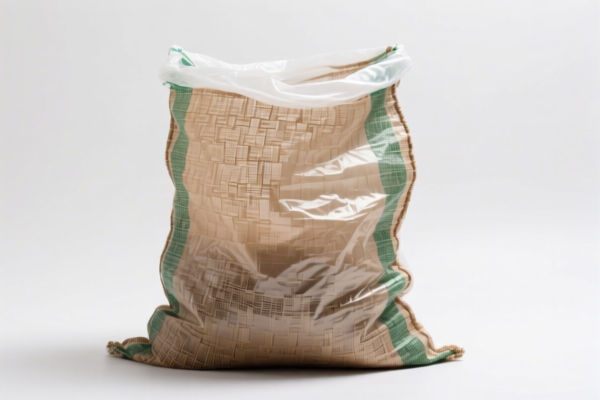
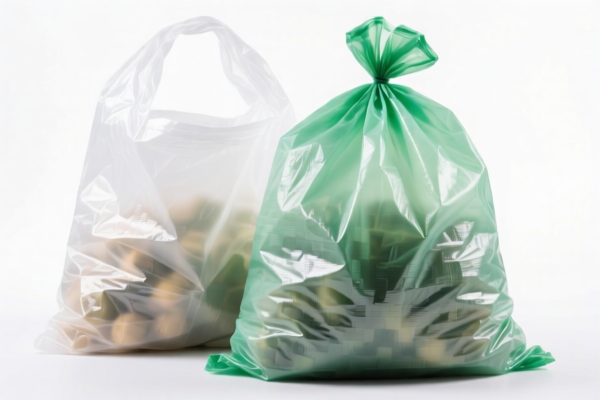
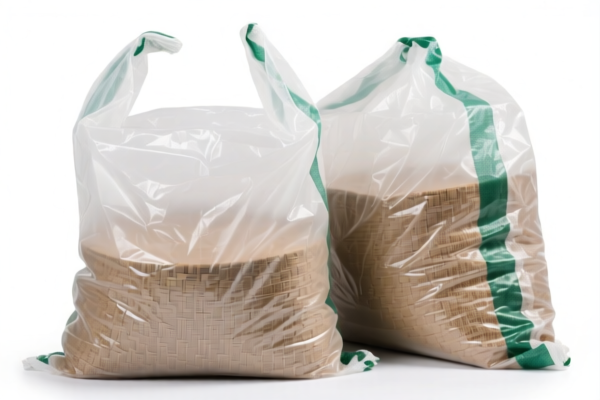
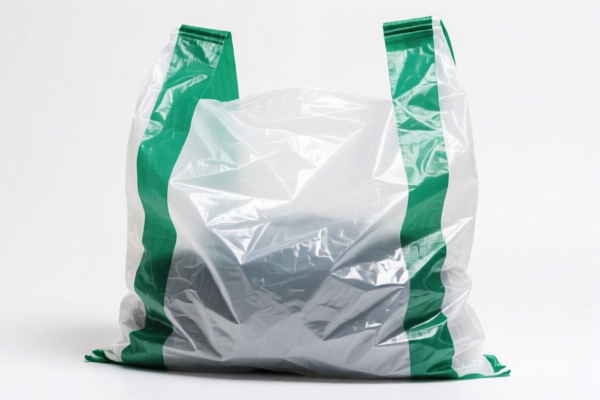
AI Analysis
🛍️ Zipperless Polypropylene Woven Bag
🌐 HS Code Reference & Customs Clearance Guide | 2026 Latest Tariff Analysis | Professional Clearance Strategy
📌 I. Product Definition and Classification: Do You Really Understand "Zipperless Polypropylene Woven Bag"?
A Zipperless Polypropylene Woven Bag is a packaging solution made from woven polypropylene (PP) strips. In international trade, its classification depends heavily on material composition, structure, and intended use. It falls primarily into two categories:
Category A: Textile-Type Woven Bags
Bags made from polypropylene strips, behaving more like textile containers. These are classified under Chapter 63 (Other Made Up Textile Articles).
Category B: Plastic Packaging Articles
Bags made from polypropylene plastic, treated as plastic packaging materials. These are classified under Chapter 39 (Plastics and Articles Thereof).
⚠️ Key Distinction Point:
- If the bag is explicitly described as "woven" and made from PP strips (textile-like structure) → Classify under 6305.33
- If the bag is viewed broadly as a "plastic bag/sack" regardless of weaving → Classify under 3923
📦 II. HS Code Classification Details (2026 Latest Tariff Authoritative Comparison)
| HS Code | Product Description | Application Scenario | Material/Structure Logic |
|---|---|---|---|
6305.33.00.10 |
Bags made of polypropylene strips or the like, zipperless, unlined | Standard industrial PP woven sacks, no liner, no zipper | ✅ Textile-type woven bag (PP strips) |
6305.33.00.80 |
Other bags made of polyethylene or polypropylene strips, for packaging | Packaging bags meeting PP strip definition | ✅ Textile-type woven bag (Packaging focus) |
3923.29.00.00 |
Sacs and bags (including cones), of plastics, other than those of heading 39.21 or 39.22 | Plastic-type packaging sacks, loose classification | ✅ Plastic bag logic (General plastic) |
3923.21.00.80 |
Sacs and bags, of polymers of ethylene, other | Bags classified under ethylene/polymer plastic logic | ✅ Plastic bag logic (Polymer type) |
🔍 Key Reminder:
- 6305.33 is typically preferred for woven PP bags because "woven" implies a textile manufacturing process.
- 3923 is used when the bag is considered a generic plastic article, even if woven.
- Both classifications result in high tariffs due to "Section 301" and "Section 122" provisions for Chinese-origin goods.
💰 III. 2026 Latest Tariff Rate Detailed Breakdown (Including Additional Taxes & Policy Surcharges)
✅ Applicable Country: United States (US)
✅ Origin: China (CN)
✅ Effective Date: Current (Including 2026 projections based on existing policies)
🎯 1. 6305.33.00.10 & 6305.33.00.80 —— Polypropylene Woven Bags (Textile Type)
| Item | Content |
|---|---|
| Base Tariff Rate | 8.4% (ad valorem) |
| Additional Tariff (Section 301) | +7.5% |
| Section 122 Tariff | +10% |
| Total Tariff Rate | 25.9% |
| Tax Calculation | CIF Value × 25.9% |
| De Minimis Exemption | ❌ Not Eligible (High-value industrial packaging) |
| Legal Basis Path | HTSUS:6305.33 → Section 301: 7.5% → Section 122: 10% |
📌 Explanation:
- The 8.4% is the standard MFN (Most Favored Nation) duty for woven PP bags under Chapter 63.
- The 7.5% is the additional duty under Section 301 for Chinese-origin goods in this category.
- The 10% is the Section 122 tariff, which applies to certain industrial materials.
- Total: 25.9%. This is a high tariff bracket. Accurate classification is critical to avoid misclassification penalties.
🎯 2. 3923.29.00.00 & 3923.21.00.80 —— Plastic Packaging Bags (Plastic Type)
| Item | Content |
|---|---|
| Base Tariff Rate | 3.0% (ad valorem) |
| Additional Tariff (Section 301) | +25.0% |
| Section 122 Tariff | +10% |
| Total Tariff Rate | 38.0% |
| Tax Calculation | CIF Value × 38.0% |
| De Minimis Exemption | ❌ Not Eligible |
| Legal Basis Path | HTSUS:3923 → Section 301: 25.0% → Section 122: 10% |
📌 Explanation:
- The 3.0% is the base duty for plastic bags/sacks.
- The 25.0% is a much higher Section 301 additional duty compared to the 7.5% for textile-type bags.
- The 10% Section 122 tariff still applies.
- Total: 38.0%. This is an extremely high tariff bracket.
- Critical Insight: Classifying as3923results in a 12.1% higher total tax than classifying as6305.33. Therefore, 6305.33 is the preferred classification for woven PP bags to minimize duty, provided the "woven" structure is clearly documented.
🛠️ IV. Customs Clearance Practical Advice (Real-World Pitfall Avoidance Guide)
✅ 1. Required Documentation List (All Are Mandatory)
| Document | Must Provide | Description |
|---|---|---|
| ✅ Product Specification Sheet | ✔️ | Material: 100% PP; Structure: Woven; Type: Zipperless; Capacity; Weight |
| ✅ Product Photos | ✔️ | Clear images showing the woven texture, seams, and lack of zipper/liner |
| ✅ Commercial Invoice | ✔️ | Clearly state "Polypropylene Woven Bag, Zipperless, Unlined" |
| ✅ Packing List | ✔️ | Include quantity, weight, and dimensions |
| ✅ Manufacturer’s Declaration | ✔️ | Confirm material is polypropylene and process is weaving (not non-woven or extruded film) |
✅ 2. Declaration Tips (Key Mnemonic)
🔥 "Woven is Textile, Not Plastic; 6305 saves you 12%! Zippers change nothing, but liners might!"
| Scenario | Correct Declaration | Incorrect Action |
|---|---|---|
| Plain Woven PP Bag (Unlined, No Zipper) | 6305.33.00.10 or 6305.33.00.80 |
Misclassify as 3923 → 38.0% Tax |
| Lined Woven PP Bag | Check if it becomes "Plastic-lined" → May shift to 3923 |
Assume 6305 still applies |
| Non-Woven PP Bag | Not 6305.33; may fall under 5603 or 3923 |
Call it "woven" when it's not |
| Bag with Zipper | Not "Zipperless"; may fall under 6305.31 (different subheading) |
Declare as "Zipperless" when it has one |
✅ 3. Special Circumstances Handling
| Situation | Handling Advice |
|---|---|
| OEM Custom Bags | Provide design specs to prove "woven" structure. Avoid terms like "plastic sack" in docs. |
| Multi-Layer Bags | If inner layer is plastic, clarify if it affects "unlined" status. Unlined = No separate inner lining. |
| Reused/Second-hand | May fall under different heading (e.g., 6305.32). Declare as "Used" if applicable. |
| Small Sample Shipments | Still subject to 25.9% or 38.0% tariff. No de minimis exemption for this HS Code. |
🌍 V. Global Market Clearance Comparison (2026 Latest)
| Country/Region | Recommended HS Code | Tariff (China Origin) | Certification | Remarks |
|---|---|---|---|---|
| 🇺🇸 USA | 6305.33.00.10/80 |
25.9% | None Specific | Avoid 3923 (38.0%) to save cost |
| 🇨🇳 China | 6305.33 |
Low (Import Duty) | CCC (if applicable) | Domestic consumption |
| 🇪🇺 EU | 6305.33 |
Varies (often 0-2.5%) | CE (if applicable) | No Section 301/122 equivalents |
| 🇬🇧 UK | 6305.33 |
Varies | UKCA | Post-Brexit rules apply |
| 🇨🇦 Canada | 6305.33 |
Low (FTA if applicable) | None | Check CUSMA eligibility |
📌 Conclusion:
- USA has the highest tariff impact due to Section 301 and Section 122.
- Classifying as6305.33(Textile-type) is strategically better than3923(Plastic-type) for woven PP bags, saving 12.1% in duty.
- Documentation must prove "woven" structure to justify6305.33.
📌 VI. Common Mistakes & Pitfall Guide (Lessons Learned)
❌ Mistake 1: Declaring "PP Bag" generically, leading Customs to classify under 3923
👉 Consequence: 38.0% tariff instead of 25.9% → Overpayment of 12.1%!
❌ Mistake 2: Claiming "Zipperless" when the bag actually has a zipper or heat seal
👉 Consequence: Misdeclaration, potential fines, or detention at customs.
❌ Mistake 3: Not providing photos of the woven texture
👉 Consequence: Customs officer may assume it's a non-woven or extruded plastic bag → Re-classification to 3923.
❌ Mistake 4: Ignoring Section 122 Tariff
👉 Consequence: Underpayment of the 10% Section 122 duty → Penalties and interest.
✅ Correct Practice:
"Polypropylene Woven Sack, Zipperless, Unlined, 50kg Capacity, Woven Structure, PP Strip Material, Model XYZ, For Industrial Packaging"
🎯 VII. Conclusion: Professional Declaration Saves Money!
🎯 Remember the Mnemonic:
🔹 "Woven = 6305, Plastic = 3923; 25.9% vs 38.0%, Choose Wisely!"
🔹 "Zipperless means no closure, but make sure it’s truly unlined!"
🔹 "HS Code Determines Duty, 12.1% Difference is Real Money!"
📌 Tips:
- If your bags are non-woven (not woven from strips), they may fall under different HS Codes (e.g., 5603).
- Always provide high-resolution photos of the weave pattern to support 6305.33 classification.
- Consider Applying for a Binding Tariff Ruling (BTR) from US Customs if you import large volumes, to lock in the 25.9% rate and avoid future disputes.
📣 Immediate Action:
📞 Consult a Professional Customs Broker
📸 Provide Product Photos Showing Woven Texture
📄 Prepare Spec Sheets Confirming "Unlined, Zipperless, Woven PP"
🚀 Clear Customs Smoothly, Reduce Costs, Maximize Profits!
✨ Professional Clearance Starts with Accurate Classification!
💼 Every Percent of Duty Saved is Pure Profit!
Customer Reviews
About HS Code Classification
The Harmonized System (HS) is an internationally standardized nomenclature developed by the World Customs Organization (WCO) to classify traded products. Over 200 countries use the HS system as the basis for customs tariffs, trade statistics, and import/export regulations.
Each HS code follows a hierarchical structure:
- Chapter (2 digits) — Broad category of goods (e.g., Chapter 84: Machinery and Mechanical Appliances)
- Heading (4 digits) — More specific grouping within the chapter
- Subheading (6 digits) — Internationally standardized breakdown, used by all WCO member countries
- National subdivisions (8-10 digits) — Country-specific extensions for further classification, such as US HTSUS 10-digit codes
Correct HS code classification is essential for smooth customs clearance, accurate duty payment, and compliance with trade regulations. Misclassification can lead to customs delays, overpayment of duties, or penalties.
When importing from CN to US, the applicable tariff rates may include:
- Most-Favored-Nation (MFN) rate — The standard duty rate applied to WTO members
- General rate — Applied to countries without trade agreements
- Trade remedy duties — Additional tariffs such as Section 301 (anti-dumping), Section 232 (national security), or countervailing duties
The information provided on this page is for reference purposes only. For official classification, please consult with your local customs authority or a licensed customs broker.