ball joint assembly
CN → US| HS编码 | 关税税率 | 原产国 | 目的国 | 文档 |
|---|---|---|---|---|
| 8483308090 | 39.5% | CN | US | 官方文档 |
| 7326190080 | 87.9% | CN | US | 官方文档 |
| 7326908688 | 87.9% | CN | US | 官方文档 |
商品图片
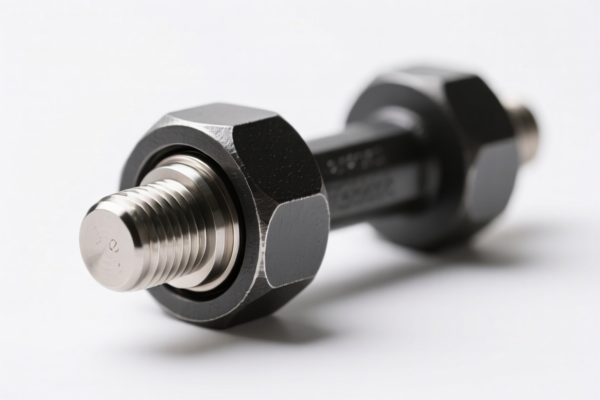
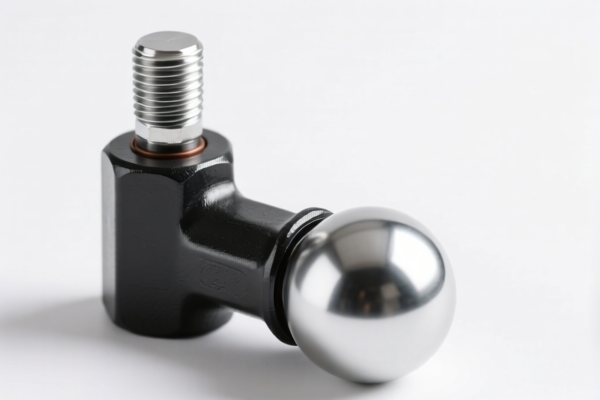
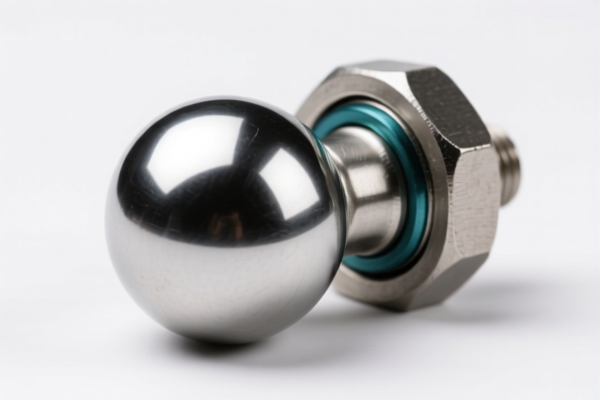
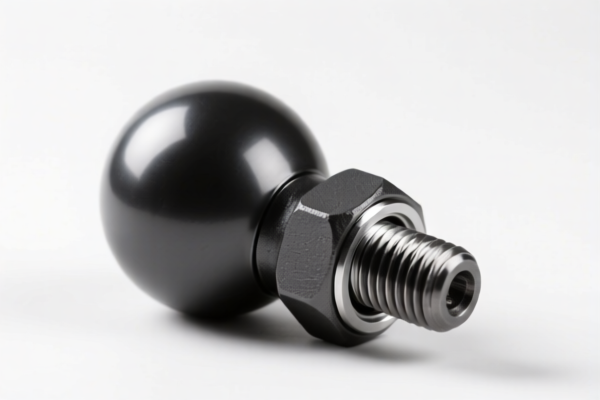
AI分析
🛠️ Ball Joint Assembly (球头组件)
🌐 HS Code Reference & Customs Clearance Guide | 2026 Latest Tariff Analysis | Professional Compliance Strategy
📌 Part 1: Product Definition & Classification Logic: What is a "Ball Joint Assembly"?
A Ball Joint Assembly is a critical mechanical component used in steering systems and suspension systems of vehicles and machinery. It allows for multi-directional movement between connected parts, similar to the human hip or shoulder joint.
In international trade classification, the key distinction lies in function vs. material: 1. Functional Classification (HS 8483): If the component is specifically designed as a ball joint (a type of bearing/spherical bearing mechanism for transmitting motion), it falls under machinery parts. 2. Generic Material Classification (HS 7326/7329): If customs authorities deem it a generic metal fastener/fitting without specific bearing function documentation, it defaults to general iron/steel articles.
⚠️ Critical Distinction:
- HS 8483: Recognizes the functional mechanics (ball joint/spherical bearing). Lower Duty.
- HS 7326/7329: Recognizes only the material (Steel/Iron) and generic form (fitting/fixture). Higher Duty.
📦 Part 2: HS Code Classification Details (2026 Latest Tariff Reference)
Based on the provided data, here are the two primary classification paths and their implications:
| HS Code | Product Description | Logic Basis | Duty Implication |
|---|---|---|---|
8483.30.80.90 |
Ball Joint Assembly / Spherical Bearing Component Classified as a mechanical bearing component ("Ball joints or screw threads"). |
Functional: Fits the category of "Ball joints or ball screws." No material conflict with plain bearings without seats. | Total: 39.5% (Base 4.5% + Sec 301 25% + Section 122 10%) |
7326.19.00.80 |
Other Articles of Iron or Steel Classified as a generic steel component/assembly. |
Material: Inferred as Steel. Falls under the "catch-all" category for other steel articles. | Total: 87.9% (Base 2.9% + Sec 301 25% + Sec 122 10% + Section 232/Al-Cu 50%) |
7326.90.86.88 |
Other Articles of Iron or Steel Classified as a generic mechanical part (shaft/housing/assembly). |
Material: Inferred as Steel. Falls under "Other iron/steel articles" catch-all. | Total: 87.9% (Base 2.9% + Sec 301 25% + Sec 122 10% + Section 232/Al-Cu 50%) |
🔍 Key Insight:
- Path A (8483): Lower tariff because it recognizes the engineering function (bearing/joint).
- Path B (7326/7329): Higher tariff because it treats the part as a generic steel item, triggering additional anti-dumping/counter-vailing duties on steel products.
💰 Part 3: 2026 Latest Tariff Rate Breakdown (Detailed Tax Clauses)
✅ Applicable Country: United States (US)
✅ Origin: China (CN)
✅ Effective Date: 2025–2026 (Current Trade War Tariffs)
🎯 1. 8483.30.80.90 – Ball Joints / Spherical Bearings (Preferred Classification)
| Item | Detail |
|---|---|
| Base Tariff | 4.5% (Standard MFN Rate) |
| Section 301 Tariff | +25.0% (Trade Act Section 301) |
| Section 122 Tariff | +10.0% (Specific Section 122 Levy) |
| Total Tax Rate | 39.5% |
| Tax Calculation | CIF Value × 39.5% |
| De Minimis Exemption | ❌ Not Applicable (High tariffs block de minimis) |
| Legal Basis Path | USITC:8483.30.80.90 → Section 301: Footnote 9903 → Section 122 |
📌 Explanation:
- This is the most favorable classification if the product is clearly identified as a ball joint or spherical bearing.
- The "Base 4.5%" is standard for machinery parts.
- The "25% + 10%" are punitive trade tariffs applied to Chinese machinery/components.
🎯 2. 7326.19.00.80 – Other Articles of Iron or Steel (High Risk)
| Item | Detail |
|---|---|
| Base Tariff | 2.9% |
| Section 301 Tariff | +25.0% |
| Section 122 Tariff | +10.0% |
| Steel/Al/Cu Surcharge | +50.0% (Specific levy on steel/aluminum/copper articles) |
| Total Tax Rate | 87.9% |
| Tax Calculation | CIF Value × 87.9% |
| De Minimis Exemption | ❌ Not Applicable |
| Legal Basis Path | USITC:7326.19.00.80 → Section 301 → Section 122 → Steel Surcharge |
📌 Explanation:
- This classification triggers the maximum punitive tariff.
- The +50% surcharge is specific to steel products under recent trade policies.
- Total 87.9% makes this route economically unviable for most standard exports.
🎯 3. 7326.90.86.88 – Other Articles of Iron or Steel (Alternative High Risk)
| Item | Detail |
|---|---|
| Base Tariff | 2.9% |
| Section 301 Tariff | +25.0% |
| Section 122 Tariff | +10.0% |
| Steel/Al/Cu Surcharge | +50.0% |
| Total Tax Rate | 87.9% |
| Tax Calculation | CIF Value × 87.9% |
| Legal Basis Path | USITC:7326.90.86.88 → Section 301 → Section 122 → Steel Surcharge |
📌 Explanation:
- Same tax structure as7326.19.
- Used if the component is considered a "general assembly" rather than a specific steel article like fasteners.
- Avoid this classification if possible due to the 87.9% rate.
🛠️ Part 4: Customs Clearance Practical Advice (Avoiding Pitfalls)
✅ 1. Documentation Checklist (Must-Haves)
| Document | Required? | Purpose |
|---|---|---|
| Product Specification Sheet | ✅ | Must explicitly state "Ball Joint Assembly" and its function in steering/suspension. |
| Engineering Drawings | ✅ | Show the spherical bearing mechanism, not just a metal rod. |
| Material Certification | ✅ | Confirm steel grade, but emphasize mechanical function over material. |
| Commercial Invoice | ✅ | Description: "Ball Joint Assembly for Automotive Steering System" (Avoid generic terms like "Metal Part"). |
| Photo of Product | ✅ | Show the ball joint housing and stem clearly. |
✅ 2. Declaration Strategy (Key Tips)
🔥 “Define Function, Not Just Material!”
| Scenario | Correct Declaration | Incorrect Declaration | Consequence |
|---|---|---|---|
| Clear Ball Joint | 8483.30.80.90Desc: "Ball Joint Assembly" |
7326.19.00.80Desc: "Steel Fitting" |
Savings: 48.4% (39.5% vs 87.9%) |
| Unclear Function | Provide technical data to justify 8483 |
Guess 7326 |
Risk of 87.9% + Penalties |
| Mixed Shipment | Separate ball joints from other steel parts | Lump sum declaration | Audit risk |
✅ 3. Special Considerations
| Situation | Advice |
|---|---|
| OEM Parts | Ensure the buyer’s PO specifies "Ball Joint" to support 8483 classification. |
| Aftermarket Parts | Clearly label as "Ball Joint" in catalog; avoid "Steel Connector." |
| Customs Audit | If challenged, provide a technical explanation of how it acts as a spherical bearing. |
| Origin Marking | Must clearly mark "Made in China" to avoid origin fraud issues. |
🌍 Part 5: Market Comparison (2026 Outlook)
| Market | Recommended HS Code | Estimated Duty | Notes |
|---|---|---|---|
| 🇺🇸 USA | 8483.30.80.90 |
39.5% | Avoid 7326 (87.9%) at all costs. |
| 🇨🇳 China | 8483.30.80.90 |
~4.5% | Low duty for import into China. |
| 🇪🇺 EU | 8483.30.90 |
~3.7% | No Section 301/122 tariffs. |
| 🇲🇽 Mexico | 8483.30.80 |
~0-5% (USMCA) | Preferential if meets rules of origin. |
📌 Conclusion:
- The USA market is the highest risk due to Section 301 and 122 tariffs.
- Classification as8483saves nearly 50% in duties compared to generic steel codes.
- Proper technical documentation is the only way to justify8483.
📌 Part 6: Common Mistakes & Avoidance Guide (Lessons Learned)
❌ Mistake 1: Declaring as "Steel Rod" or "Metal Fitting"
👉 Result: Customs applies 7326 → 87.9% Duty.
👉 Fix: Use precise terms: "Ball Joint," "Spherical Bearing," "Steering Component."
❌ Mistake 2: No Technical Drawings Provided
👉 Result: Customs defaults to highest generic duty (7326).
👉 Fix: Submit engineering specs showing the spherical joint mechanism.
❌ Mistake 3: Ignoring Section 122 Tariffs
👉 Result: Underpayment of duties.
👉 Fix: Account for the 10% Section 122 surcharge in all cost calculations.
🎯 Part 7: Conclusion & Action Plan
🎯 Key Takeaway:
🔹 "Function Over Material": Always argue for
8483(Machinery Parts) over7326(Steel Articles).
🔹 Tariff Gap: The difference between 39.5% and 87.9% is massive.
🔹 Documentation: Your invoice and description must match the8483logic.
✅ Action Steps:
1. Review Product Description: Change "Steel Ball" to "Ball Joint Assembly."
2. Prepare Tech Specs: Have drawings ready to prove bearing function.
3. Apply for Advance Ruling (if possible): Secure 8483 classification before shipment.
4. Calculate Costs: Budget for 39.5% total duty, not 87.9%.
📣 Immediate Action:
📞 Contact Customs Broker: Provide "Ball Joint" specs.
📄 Update Invoice: Use precise HS-aligned language.
🚀 Avoid the 87.9% Trap: One word ("Assembly" vs "Joint") can change your duty rate by 48.4%.
✨ Precision Classification = Profit Protection
💼 Don’t let generic descriptions cost you half your margin!
用户评价
关于 HS 编码归类
协调制度(HS)是由世界海关组织(WCO)制定的国际贸易商品分类标准。全球 200 多个国家采用 HS 系统作为海关关税、贸易统计和进出口监管的基础。
每个 HS 编码遵循以下层级结构:
- 章(2 位)——商品大类(例如:第 84 章:机器和机械设备)
- 品目(4 位)——章内的更具体分类
- 子目(6 位)——国际通用细分,所有 WCO 成员国统一使用
- 本国细分(8-10 位)——各国自行扩展的细分编码,如美国 HTSUS 10 位编码
正确的 HS 编码归类对于顺利通关、准确缴纳关税和遵守贸易法规至关重要。错误归类可能导致海关延误、多缴关税或罚款。
从CN进口到US时,适用的关税税率可能包括:
- 最惠国(MFN)税率——适用于 WTO 成员国的标准关税税率
- 普通税率——适用于无贸易协定国家
- 贸易救济关税——附加关税,如 301 条款(反倾销)、232 条款(国家安全)或反补贴税
本页内容仅供参考。如需正式归类,请咨询当地海关或持牌报关代理。