ball joint assembly
CN → US| HS Code | Tariff Rate | Origin | Destination | Doc |
|---|---|---|---|---|
| 8483308090 | 39.5% | CN | US | Official Doc |
| 7326190080 | 87.9% | CN | US | Official Doc |
| 7326908688 | 87.9% | CN | US | Official Doc |
Product Images
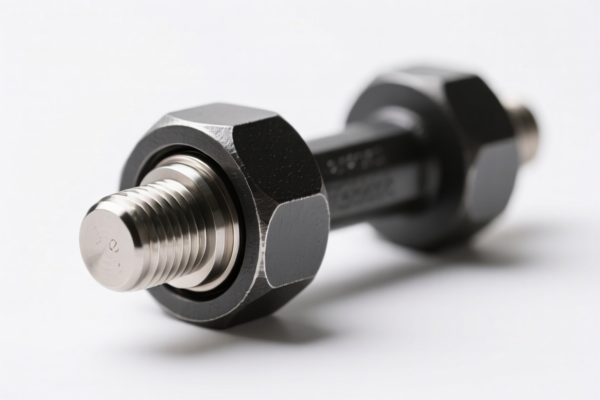
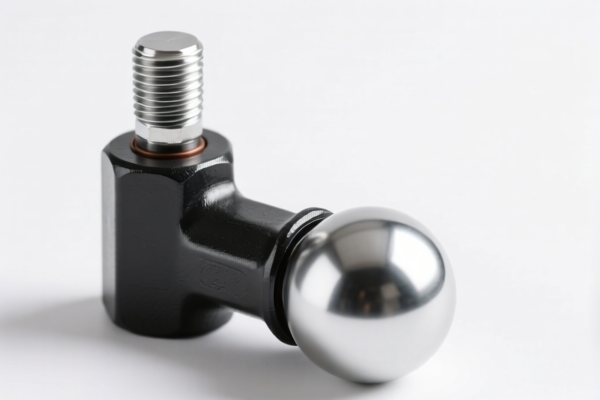
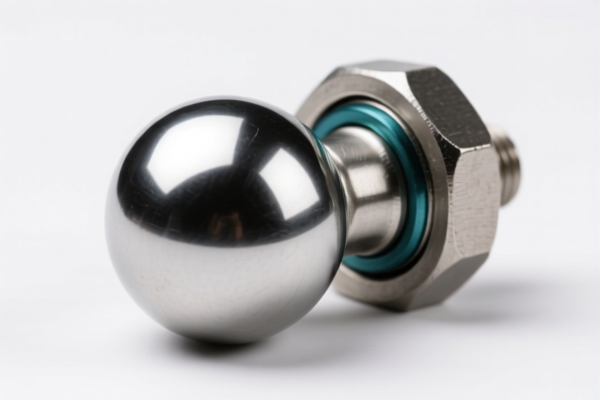
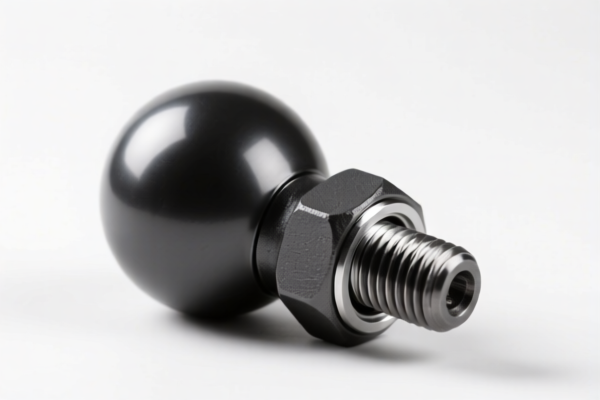
AI Analysis
🛠️ Ball Joint Assembly (球头组件)
🌐 HS Code Reference & Customs Clearance Guide | 2026 Latest Tariff Analysis | Professional Compliance Strategy
📌 Part 1: Product Definition & Classification Logic: What is a "Ball Joint Assembly"?
A Ball Joint Assembly is a critical mechanical component used in steering systems and suspension systems of vehicles and machinery. It allows for multi-directional movement between connected parts, similar to the human hip or shoulder joint.
In international trade classification, the key distinction lies in function vs. material: 1. Functional Classification (HS 8483): If the component is specifically designed as a ball joint (a type of bearing/spherical bearing mechanism for transmitting motion), it falls under machinery parts. 2. Generic Material Classification (HS 7326/7329): If customs authorities deem it a generic metal fastener/fitting without specific bearing function documentation, it defaults to general iron/steel articles.
⚠️ Critical Distinction:
- HS 8483: Recognizes the functional mechanics (ball joint/spherical bearing). Lower Duty.
- HS 7326/7329: Recognizes only the material (Steel/Iron) and generic form (fitting/fixture). Higher Duty.
📦 Part 2: HS Code Classification Details (2026 Latest Tariff Reference)
Based on the provided data, here are the two primary classification paths and their implications:
| HS Code | Product Description | Logic Basis | Duty Implication |
|---|---|---|---|
8483.30.80.90 |
Ball Joint Assembly / Spherical Bearing Component Classified as a mechanical bearing component ("Ball joints or screw threads"). |
Functional: Fits the category of "Ball joints or ball screws." No material conflict with plain bearings without seats. | Total: 39.5% (Base 4.5% + Sec 301 25% + Section 122 10%) |
7326.19.00.80 |
Other Articles of Iron or Steel Classified as a generic steel component/assembly. |
Material: Inferred as Steel. Falls under the "catch-all" category for other steel articles. | Total: 87.9% (Base 2.9% + Sec 301 25% + Sec 122 10% + Section 232/Al-Cu 50%) |
7326.90.86.88 |
Other Articles of Iron or Steel Classified as a generic mechanical part (shaft/housing/assembly). |
Material: Inferred as Steel. Falls under "Other iron/steel articles" catch-all. | Total: 87.9% (Base 2.9% + Sec 301 25% + Sec 122 10% + Section 232/Al-Cu 50%) |
🔍 Key Insight:
- Path A (8483): Lower tariff because it recognizes the engineering function (bearing/joint).
- Path B (7326/7329): Higher tariff because it treats the part as a generic steel item, triggering additional anti-dumping/counter-vailing duties on steel products.
💰 Part 3: 2026 Latest Tariff Rate Breakdown (Detailed Tax Clauses)
✅ Applicable Country: United States (US)
✅ Origin: China (CN)
✅ Effective Date: 2025–2026 (Current Trade War Tariffs)
🎯 1. 8483.30.80.90 – Ball Joints / Spherical Bearings (Preferred Classification)
| Item | Detail |
|---|---|
| Base Tariff | 4.5% (Standard MFN Rate) |
| Section 301 Tariff | +25.0% (Trade Act Section 301) |
| Section 122 Tariff | +10.0% (Specific Section 122 Levy) |
| Total Tax Rate | 39.5% |
| Tax Calculation | CIF Value × 39.5% |
| De Minimis Exemption | ❌ Not Applicable (High tariffs block de minimis) |
| Legal Basis Path | USITC:8483.30.80.90 → Section 301: Footnote 9903 → Section 122 |
📌 Explanation:
- This is the most favorable classification if the product is clearly identified as a ball joint or spherical bearing.
- The "Base 4.5%" is standard for machinery parts.
- The "25% + 10%" are punitive trade tariffs applied to Chinese machinery/components.
🎯 2. 7326.19.00.80 – Other Articles of Iron or Steel (High Risk)
| Item | Detail |
|---|---|
| Base Tariff | 2.9% |
| Section 301 Tariff | +25.0% |
| Section 122 Tariff | +10.0% |
| Steel/Al/Cu Surcharge | +50.0% (Specific levy on steel/aluminum/copper articles) |
| Total Tax Rate | 87.9% |
| Tax Calculation | CIF Value × 87.9% |
| De Minimis Exemption | ❌ Not Applicable |
| Legal Basis Path | USITC:7326.19.00.80 → Section 301 → Section 122 → Steel Surcharge |
📌 Explanation:
- This classification triggers the maximum punitive tariff.
- The +50% surcharge is specific to steel products under recent trade policies.
- Total 87.9% makes this route economically unviable for most standard exports.
🎯 3. 7326.90.86.88 – Other Articles of Iron or Steel (Alternative High Risk)
| Item | Detail |
|---|---|
| Base Tariff | 2.9% |
| Section 301 Tariff | +25.0% |
| Section 122 Tariff | +10.0% |
| Steel/Al/Cu Surcharge | +50.0% |
| Total Tax Rate | 87.9% |
| Tax Calculation | CIF Value × 87.9% |
| Legal Basis Path | USITC:7326.90.86.88 → Section 301 → Section 122 → Steel Surcharge |
📌 Explanation:
- Same tax structure as7326.19.
- Used if the component is considered a "general assembly" rather than a specific steel article like fasteners.
- Avoid this classification if possible due to the 87.9% rate.
🛠️ Part 4: Customs Clearance Practical Advice (Avoiding Pitfalls)
✅ 1. Documentation Checklist (Must-Haves)
| Document | Required? | Purpose |
|---|---|---|
| Product Specification Sheet | ✅ | Must explicitly state "Ball Joint Assembly" and its function in steering/suspension. |
| Engineering Drawings | ✅ | Show the spherical bearing mechanism, not just a metal rod. |
| Material Certification | ✅ | Confirm steel grade, but emphasize mechanical function over material. |
| Commercial Invoice | ✅ | Description: "Ball Joint Assembly for Automotive Steering System" (Avoid generic terms like "Metal Part"). |
| Photo of Product | ✅ | Show the ball joint housing and stem clearly. |
✅ 2. Declaration Strategy (Key Tips)
🔥 “Define Function, Not Just Material!”
| Scenario | Correct Declaration | Incorrect Declaration | Consequence |
|---|---|---|---|
| Clear Ball Joint | 8483.30.80.90Desc: "Ball Joint Assembly" |
7326.19.00.80Desc: "Steel Fitting" |
Savings: 48.4% (39.5% vs 87.9%) |
| Unclear Function | Provide technical data to justify 8483 |
Guess 7326 |
Risk of 87.9% + Penalties |
| Mixed Shipment | Separate ball joints from other steel parts | Lump sum declaration | Audit risk |
✅ 3. Special Considerations
| Situation | Advice |
|---|---|
| OEM Parts | Ensure the buyer’s PO specifies "Ball Joint" to support 8483 classification. |
| Aftermarket Parts | Clearly label as "Ball Joint" in catalog; avoid "Steel Connector." |
| Customs Audit | If challenged, provide a technical explanation of how it acts as a spherical bearing. |
| Origin Marking | Must clearly mark "Made in China" to avoid origin fraud issues. |
🌍 Part 5: Market Comparison (2026 Outlook)
| Market | Recommended HS Code | Estimated Duty | Notes |
|---|---|---|---|
| 🇺🇸 USA | 8483.30.80.90 |
39.5% | Avoid 7326 (87.9%) at all costs. |
| 🇨🇳 China | 8483.30.80.90 |
~4.5% | Low duty for import into China. |
| 🇪🇺 EU | 8483.30.90 |
~3.7% | No Section 301/122 tariffs. |
| 🇲🇽 Mexico | 8483.30.80 |
~0-5% (USMCA) | Preferential if meets rules of origin. |
📌 Conclusion:
- The USA market is the highest risk due to Section 301 and 122 tariffs.
- Classification as8483saves nearly 50% in duties compared to generic steel codes.
- Proper technical documentation is the only way to justify8483.
📌 Part 6: Common Mistakes & Avoidance Guide (Lessons Learned)
❌ Mistake 1: Declaring as "Steel Rod" or "Metal Fitting"
👉 Result: Customs applies 7326 → 87.9% Duty.
👉 Fix: Use precise terms: "Ball Joint," "Spherical Bearing," "Steering Component."
❌ Mistake 2: No Technical Drawings Provided
👉 Result: Customs defaults to highest generic duty (7326).
👉 Fix: Submit engineering specs showing the spherical joint mechanism.
❌ Mistake 3: Ignoring Section 122 Tariffs
👉 Result: Underpayment of duties.
👉 Fix: Account for the 10% Section 122 surcharge in all cost calculations.
🎯 Part 7: Conclusion & Action Plan
🎯 Key Takeaway:
🔹 "Function Over Material": Always argue for
8483(Machinery Parts) over7326(Steel Articles).
🔹 Tariff Gap: The difference between 39.5% and 87.9% is massive.
🔹 Documentation: Your invoice and description must match the8483logic.
✅ Action Steps:
1. Review Product Description: Change "Steel Ball" to "Ball Joint Assembly."
2. Prepare Tech Specs: Have drawings ready to prove bearing function.
3. Apply for Advance Ruling (if possible): Secure 8483 classification before shipment.
4. Calculate Costs: Budget for 39.5% total duty, not 87.9%.
📣 Immediate Action:
📞 Contact Customs Broker: Provide "Ball Joint" specs.
📄 Update Invoice: Use precise HS-aligned language.
🚀 Avoid the 87.9% Trap: One word ("Assembly" vs "Joint") can change your duty rate by 48.4%.
✨ Precision Classification = Profit Protection
💼 Don’t let generic descriptions cost you half your margin!
Customer Reviews
About HS Code Classification
The Harmonized System (HS) is an internationally standardized nomenclature developed by the World Customs Organization (WCO) to classify traded products. Over 200 countries use the HS system as the basis for customs tariffs, trade statistics, and import/export regulations.
Each HS code follows a hierarchical structure:
- Chapter (2 digits) — Broad category of goods (e.g., Chapter 84: Machinery and Mechanical Appliances)
- Heading (4 digits) — More specific grouping within the chapter
- Subheading (6 digits) — Internationally standardized breakdown, used by all WCO member countries
- National subdivisions (8-10 digits) — Country-specific extensions for further classification, such as US HTSUS 10-digit codes
Correct HS code classification is essential for smooth customs clearance, accurate duty payment, and compliance with trade regulations. Misclassification can lead to customs delays, overpayment of duties, or penalties.
When importing from CN to US, the applicable tariff rates may include:
- Most-Favored-Nation (MFN) rate — The standard duty rate applied to WTO members
- General rate — Applied to countries without trade agreements
- Trade remedy duties — Additional tariffs such as Section 301 (anti-dumping), Section 232 (national security), or countervailing duties
The information provided on this page is for reference purposes only. For official classification, please consult with your local customs authority or a licensed customs broker.