bleached fabric square meter
CN → US| HS编码 | 关税税率 | 原产国 | 目的国 | 文档 |
|---|---|---|---|---|
| 5212126090 | 42.8% | CN | US | 官方文档 |
| 5407410030 | 48.6% | CN | US | 官方文档 |
| 5407691010 | 49.9% | CN | US | 官方文档 |
| 5212226090 | 42.8% | CN | US | 官方文档 |
| 5208212040 | 43.4% | CN | US | 官方文档 |
商品图片
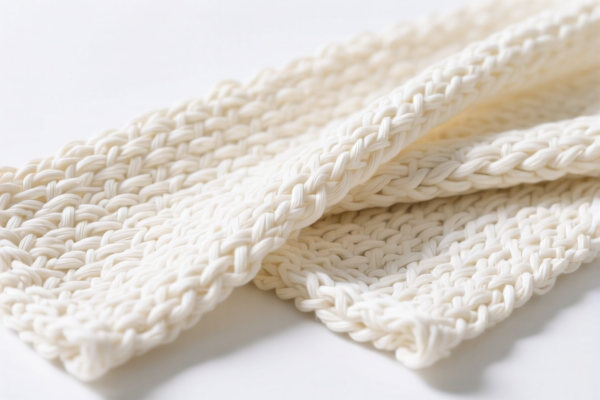
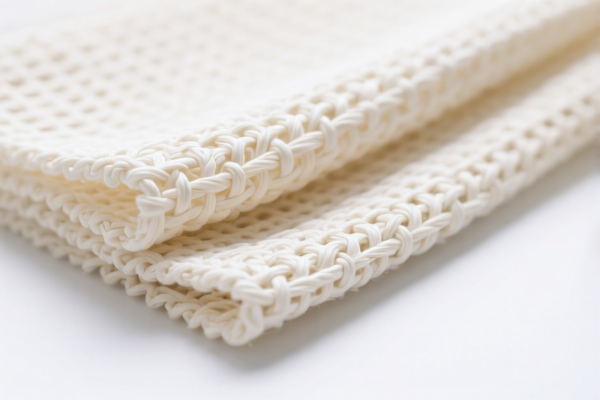
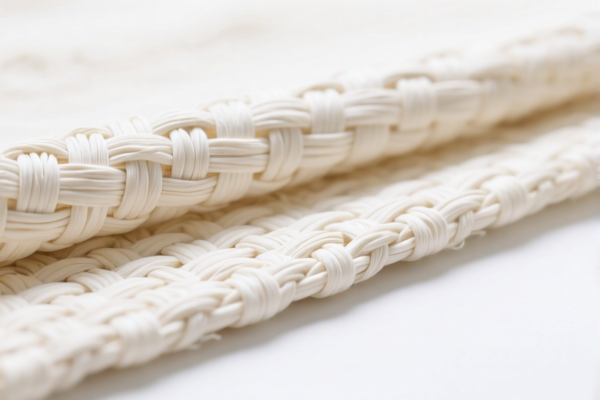

AI分析
🌟 Bleached Fabric (Per Square Meter) – HS Code & Tariff Guide 2026 | Expert Customs Clearance Strategy
🌐 HS Code Reference & Customs Clearance Blueprint | 2026 Updated Tariff Analysis | Pro-Level Import Planning
📌 I. Product Definition & Classification: What Exactly Is "Bleached Fabric"?
Bleached fabric refers to textile materials that have undergone a chemical bleaching process to remove natural colorants, impurities, or dyes—resulting in a white or near-white appearance. These fabrics are commonly used in apparel, home textiles, industrial applications, and apparel linings.
In international trade, bleached fabric is classified under HS Codes based on: - Fiber composition (e.g., cotton, polyester, rayon, blended fibers) - Weaving method (e.g., plain weave, satin, twill) - Structure (e.g., woven, knitted, non-woven) - Whether it’s a "general catch-all" category for undetermined fabrics
⚠️ Critical Distinction: - Cotton-based fabrics → fall under 5212.x.x.x (Cotton Textiles) - Synthetic/fiber-based fabrics → fall under 5407.x.x.x (Man-made fibers) - Polyester filament fabrics → specifically 5407.69.10.10
📦 II. HS Code Classification Breakdown (2026 Official Tariff Table)
| HS Code | Product Description | Material Type | Key Features | Tax Rate |
|---|---|---|---|---|
5212.12.60.90 |
Bleached fabric, cotton or fiber-based woven fabric | Cotton / Mixed Fiber | General catch-all for bleached cotton or fiber fabrics | 42.8% |
5407.41.00.30 |
Bleached fabric, man-made fiber woven fabric | Man-made fibers (e.g., rayon, viscose) | Non-polyester synthetic fiber fabric | 48.6% |
5407.69.10.10 |
Bleached fabric, polyester filament woven fabric | 100% Polyester Long Filament | High-performance, smooth, durable fabric | 49.9% |
5212.22.60.90 |
Bleached fabric, other cotton or fiber woven fabrics | Cotton / Fiber (catch-all) | Applies when no specific subheading fits | 42.8% |
5208.21.20.40 |
Bleached cotton plain weave fabric | 100% Cotton, Plain Weave | Standard cotton fabric, commonly used in shirts, linens | 43.4% |
🔍 Key Insight:
- "Bleached" alone is not enough for classification — fiber type and weave are decisive. - Polyester filament fabrics (e.g.,5407.69.10.10) face the highest tariff due to U.S. trade policy on synthetic textiles.
💰 III. 2026 U.S. Tariff Breakdown (Detailed & Compliant)
✅ Applicable Country: United States (US)
✅ Origin: China (CN)
✅ Effective Date: November 10, 2025 (and ongoing)
✅ Legal Basis: Section 301, IEEPA, and Section 122 of the Trade Act
🎯 1. 5212.12.60.90 – Bleached Cotton/Fiber Woven Fabric
| Item | Detail |
|---|---|
| Base Duty | 7.8% (ad valorem) |
| Section 301 (USITC) Additional Duty | +25.0% |
| Section 122 (IEEPA) Additional Duty | +10.0% |
| Total Effective Tariff | 42.8% |
| Tax Calculation | CIF Value × 42.8% |
| De Minimis Exemption | ❌ Not applicable (denied) |
| Legal Pathway | IEEPA:9903.01.25 → IEEPA:9903.01.24 → USITC:5212.12.60.90 → FOOTNOTE:9903.88.01 |
📌 Explanation:
- Section 301 (25%): Imposed under the U.S. Trade Representative’s (USTR) investigation into Chinese overcapacity and unfair trade practices. - IEEPA (10%): Enacted under the International Emergency Economic Powers Act for national security concerns related to textile imports. - Total: 42.8% — Highly punitive, especially for bulk cotton fabrics.
🎯 2. 5407.41.00.30 – Bleached Man-Made Fiber Woven Fabric
| Item | Detail |
|---|---|
| Base Duty | 13.6% |
| Section 301 (USITC) Additional Duty | +25.0% |
| Section 122 (IEEPA) Additional Duty | +10.0% |
| Total Effective Tariff | 48.6% |
| Tax Calculation | CIF × 48.6% |
| De Minimis Exemption | ❌ Not applicable |
| Legal Pathway | IEEPA:9901.25 → IEEPA:9903.01.24 → USITC:5407.41.00.30 → FOOTNOTE:9903.88.01 |
📌 Note:
- Applies to rayon, viscose, acetate, or other regenerated man-made fibers. - Despite being "natural-origin" in production, these are treated as synthetic textiles under U.S. trade law. - Higher base duty (13.6%) → reflects U.S. policy favoring domestic cotton over synthetic alternatives.
🎯 3. 5407.69.10.10 – Bleached Polyester Filament Woven Fabric
| Item | Detail |
|---|---|
| Base Duty | 14.9% |
| Section 301 (USITC) Additional Duty | +25.0% |
| Section 122 (IEEPA) Additional Duty | +10.0% |
| Total Effective Tariff | 49.9% |
| Tax Calculation | CIF × 49.9% |
| De Minimis Exemption | ❌ Not applicable |
| Legal Pathway | IEEPA:9901.25 → IEEPA:9903.01.24 → USITC:5407.69.10.10 → FOOTNOTE:9903.88.01 |
📌 Critical Insight:
- Polyester filament fabrics are most heavily penalized due to: - High U.S. import volume from China - Perceived threat to domestic textile manufacturing - Strategic concern over supply chain dependency - 49.9% is among the highest tariffs on any textile category.
🎯 4. 5212.22.60.90 – Bleached Fabric (Other Cotton/Fiber Woven)
| Item | Detail |
|---|---|
| Base Duty | 7.8% |
| Section 301 (USITC) Additional Duty | +25.0% |
| Section 122 (IEEPA) Additional Duty | +10.0% |
| Total Effective Tariff | 42.8% |
| Tax Calculation | CIF × 42.8% |
| De Minimis Exemption | ❌ Not applicable |
| Legal Pathway | IEEPA:9903.01.25 → IEEPA:9903.01.24 → USITC:5212.22.60.90 → FOOTNOTE:9903.88.01 |
📌 When to Use This Code:
- When the fabric is not specifically covered by5212.12.60.90(e.g., unusual blend, non-standard weave). - Often used as a "catch-all" for fabrics that don’t fit precise subheadings.
🎯 5. 5208.21.20.40 – Bleached Cotton Plain Weave Fabric
| Item | Detail |
|---|---|
| Base Duty | 8.4% |
| Section 301 (USITC) Additional Duty | +25.0% |
| Section 122 (IEEPA) Additional Duty | +10.0% |
| Total Effective Tariff | 43.4% |
| Tax Calculation | CIF × 43.4% |
| De Minimis Exemption | ❌ Not applicable |
| Legal Pathway | IEEPA:9903.01.25 → IEEPA:9903.01.24 → USITC:5208.21.20.40 → FOOTNOTE:9903.88.01 |
📌 Why It’s Important:
- Plain weave is the most common cotton fabric structure (e.g., shirts, bed sheets). - Higher base duty (8.4%) than other cotton codes → reflects special attention to cotton textiles under U.S. trade policy.
🛠️ IV. Customs Clearance Best Practices (Pro Tips to Avoid Delays & Penalties)
✅ 1. Must-Have Documentation (No Exceptions!)
| Document | Required? | Purpose |
|---|---|---|
| ✅ Product Specification Sheet | ✔️ | Fiber content, weave type, GSM, width, length |
| ✅ Technical Drawings / Fabric Structure Diagram | ✔️ | Prove weave type (e.g., plain, satin) |
| ✅ High-Resolution Product Photos | ✔️ | Show fabric texture, color, and edge finish |
| ✅ Third-Party Lab Report (e.g., AATCC, ISO) | ✔️ | Confirm fiber composition and bleaching process |
| ✅ Commercial Invoice | ✔️ | Must state: “Bleached Cotton/Man-Made Fiber Woven Fabric, Plain Weave, 100% Polyester Filament” |
| ✅ Certificate of Origin (CO) | ✔️ | Critical for tariff eligibility |
| ✅ Packing List (per roll/meter) | ✔️ | Track quantity and unit price |
✅ 2.申报技巧 (Key Rules to Remember)
🔥 "Fiber First, Weave Second, Name Last – Tax Depends on the Truth!"
| Scenario | Correct HS Code | Wrong Code | Risk |
|---|---|---|---|
| 100% cotton, plain weave | 5208.21.20.40 |
5212.12.60.90 |
Underpay → audit risk |
| 100% polyester filament, woven | 5407.69.10.10 |
5407.41.00.30 |
Overpay or misclassification |
| Mixed cotton & rayon, plain weave | 5212.12.60.90 |
5208.21.20.40 |
Wrong base duty |
| Unspecified fabric, no clear fiber | 5212.22.60.90 |
5407.69.10.10 |
High risk of penalty |
✅ 3. Special Cases & Solutions
| Situation | Recommended Action |
|---|---|
| Fabric is partially bleached (not fully white) | Declare as “bleached” only if ≥90% color removal; otherwise, may be classified as “dyed” → lower tariff |
| Fabric is pre-shrunk or mercerized | Include in specs — may affect classification |
| Fabric is used in medical textiles (e.g., surgical gowns) | Apply for non-commercial exemption or medical device classification |
| Fabric is exported from Vietnam/Mexico | Apply for IEEPA exemption — tariffs drop to 0%–5% |
| Bulk shipment (e.g., 100,000 sqm) | Request Advance Ruling (Pre-Approval) from U.S. CBP |
🌍 V. Global Customs Comparison (2026 Update)
| Country | Recommended HS Code | Base Tariff | Additional Taxes | Notes |
|---|---|---|---|---|
| 🇺🇸 United States | 5208.21.20.40 etc. |
7.8%–14.9% | +25% +10% = 42.8%–49.9% | Highest tariffs globally |
| 🇨🇳 China | 5208.21.20.40 |
5% | None | No IEEPA/301 |
| 🇪🇺 European Union | 5208.21.20.40 |
0% (if origin EU/UK) | None | No 301/IEEPA |
| 🇦🇺 Australia | 5208.21.20.40 |
5% | None | No additional duties |
| 🇯🇵 Japan | 5208.21.20.40 |
0% | None | No extra tariffs |
📌 Conclusion:
- U.S. is the only market imposing 301 + IEEPA tariffs on bleached fabrics. - China-origin fabrics face maximum penalties. - Vietnam/Mexico origin fabrics may qualify for 0% tariff under trade agreements.
📌 VI. Common Mistakes & Real-World Pitfalls (Learn from Others' Errors)
❌ Mistake 1: Declaring polyester filament fabric as 5407.41.00.30 (rayon-type)
👉 Result: Underpaid tariff → back taxes + 20% penalty
❌ Mistake 2: Using “bleached fabric” as a generic name without specifying fiber
👉 Result: Customs assigns the highest-risk code → 49.9% tax
❌ Mistake 3: Not including fiber composition in invoice
👉 Result: Delayed release, request for clarification, possible seizure
❌ Mistake 4: Shipping 100,000 sqm in one container without pre-ruling
👉 Result: High risk of random audit or detention
✅ Correct Way to Declare:
“Bleached 100% Polyester Filament Woven Fabric, Plain Weave, 150 GSM, 1.5m Width, 500m Roll, CO: Vietnam, AATCC Test Report Attached”
🎯 VII. Final Verdict: Win the Game with Precision
🎯 Remember the Golden Rule:
🔹 “Fiber First, Weave Second, Name Last – The Tax Follows the Truth!”
🔹 “One wrong HS Code = 49.9% tax on 10,000 sqm = $499,000 in extra cost!”
📌 Pro Tips: - ✅ Apply for Advance Ruling before shipment (CBP pre-approval) - ✅ Use Vietnam/Mexico origin to avoid 301/IEEPA - ✅ Label every roll with fiber content & HS Code - ✅ Partner with a U.S.-licensed customs broker
📣 Take Action Now!
📞 Contact a U.S. Customs Broker + HS Code Pre-Ruling Service
🚀 Get your tariff confirmed before shipping
💼 Avoid $100k+ in unexpected duties
✨ Your Fabric’s Future Starts with One Correct HS Code.
💼 Precision Today = Profit Tomorrow.
用户评价
关于 HS 编码归类
协调制度(HS)是由世界海关组织(WCO)制定的国际贸易商品分类标准。全球 200 多个国家采用 HS 系统作为海关关税、贸易统计和进出口监管的基础。
每个 HS 编码遵循以下层级结构:
- 章(2 位)——商品大类(例如:第 84 章:机器和机械设备)
- 品目(4 位)——章内的更具体分类
- 子目(6 位)——国际通用细分,所有 WCO 成员国统一使用
- 本国细分(8-10 位)——各国自行扩展的细分编码,如美国 HTSUS 10 位编码
正确的 HS 编码归类对于顺利通关、准确缴纳关税和遵守贸易法规至关重要。错误归类可能导致海关延误、多缴关税或罚款。
从CN进口到US时,适用的关税税率可能包括:
- 最惠国(MFN)税率——适用于 WTO 成员国的标准关税税率
- 普通税率——适用于无贸易协定国家
- 贸易救济关税——附加关税,如 301 条款(反倾销)、232 条款(国家安全)或反补贴税
本页内容仅供参考。如需正式归类,请咨询当地海关或持牌报关代理。