blends dresses
CN → US| HS编码 | 关税税率 | 原产国 | 目的国 | 文档 |
|---|---|---|---|---|
| 6104491000 | 18.4% | CN | US | 官方文档 |
| 6104499060 | 23.1% | CN | US | 官方文档 |
| 6204491000 | 24.4% | CN | US | 官方文档 |
| 6204432000 | 24.6% | CN | US | 官方文档 |
商品图片

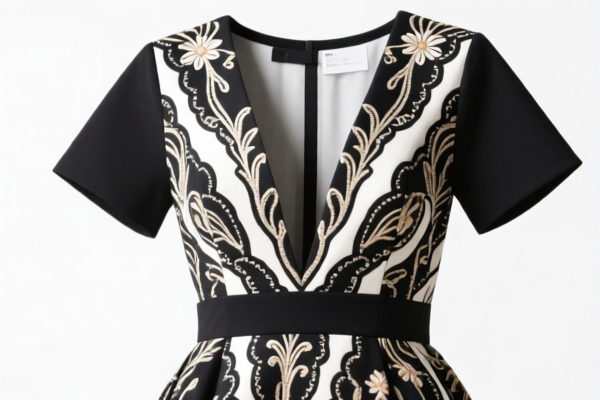
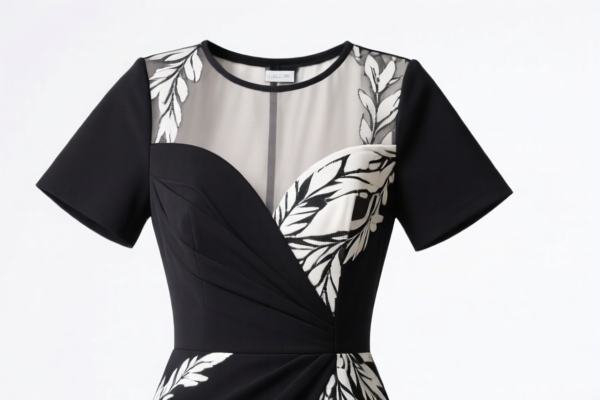
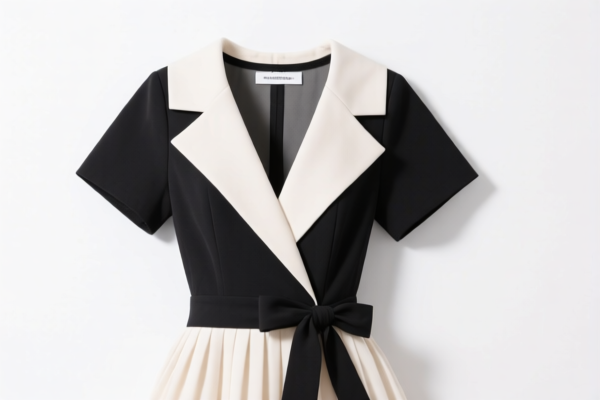
AI分析
Here is the comprehensive Wiki-style guide for Silk-Blend Dresses (丝混纺女式连衣裙), tailored to the specific HS Codes and Tax Data provided in your request.
🧵 Silk-Blend Dresses (Women's Knitted & Woven)
🌐 HS Code Reference & US Customs Clearance Guide | 2026 Tax Rate Breakdown | Strategic Entry Strategy
📌 I. Product Definition: What exactly is a "Silk-Blend Dress"?
A Silk-Blend Dress refers to women's outerwear where the fabric composition includes silk (or regenerated silk) combined with other textile materials (synthetic or natural fibers). The classification depends strictly on:
1. Construction Method: Knitted (6104...) vs. Woven (6204...)
2. Material Composition: Whether silk is the primary defining feature or if other fibers dominate the weight/structure.
3. Tariff Liability: Whether it falls under specific "Silk" sub-codes or "Other Textiles" sub-codes.
⚠️ Critical Distinction for Customs:
- Knitted vs. Woven: Knitted items (stretchy, jersey, knit) fall under Chapter 61. Woven items (structured, non-stretch, woven fabric) fall under Chapter 62. - Material Hierarchy: Even if silk is present, if the dress is primarily "Other Textile Materials" (e.g., synthetic), it may fall under the "Other" sub-codes with higher tariffs than pure silk.
📦 II. HS Code Classification Matrix (Based on Provided Data)
Based on your specific dataset, here is the precise classification for Silk-Blend Women's Dresses:
| HS Code | Product Description (Summary) | Composition Key | Knitted/Woven |
|---|---|---|---|
| 6104.49.10.00 | Silk-Blend Dress, Silk Range | Primary material falls within the "Silk" category definition | Knitted |
| 6104.49.90.60 | Silk-Blend Dress, Other Textile Materials | Silk + Other Textiles (Silk not dominant or defined as "other") | Knitted |
| 6204.49.10.00 | Silk-Blend Dress, Other Textile Materials | Silk + Other Textiles (Woven) | Woven |
| 6204.43.20.00 | Silk-Blend Dress, Synthetic Fibers Dominant | Contains Silk but Main Composition is Synthetic | Woven |
🔍 Classification Logic: - 6104.49.10.00: Only applies if the dress is Knitted AND the specific HS definition classifies the blend as "Silk". - 6104.49.90.60: Knitted, contains silk, but categorized under "Other" due to specific fiber ratios or manufacturing standards. - 6204.49.10.00: Woven blend, "Other" category (non-synthetic dominant). - 6204.43.20.00: Woven, Explicitly contains synthetic fibers as the main component (even if silk is present), triggering a specific synthetic sub-code.
💰 III. 2026 US Tariff Rate Breakdown (Detailed Analysis)
✅ Applicable Market: USA (Import from China)
✅ Tariff Structure: Base Duty + Section 301 (Added) + Section 122 (Countervailing)
✅ Total Tax Range: 18.4% – 24.6%
🎯 Scenario A: Knitted Silk-Blend (Category: Silk Range)
HS Code: 6104.49.10.00
* Total Tax Rate: 18.4% (Lowest in this set)
* Tax Composition:
* Base Duty: 0.9% (Standard MFN rate for silk).
* Section 301 Added Duty: 7.5% (Retaliatory tariffs on Chinese textiles).
* Section 122 Duty: 10% (Countervailing/Section 122 specific to this category).
* 💡 Strategy: This is the most cost-effective classification for knitted dresses if the product strictly meets the "Silk Range" criteria.
🎯 Scenario B: Knitted Silk-Blend (Category: Other Textiles)
HS Code: 6104.49.90.60
* Total Tax Rate: 23.1%
* Tax Composition:
* Base Duty: 5.6% (Higher base rate for "Other" fibers).
* Section 301 Added Duty: 7.5%.
* Section 122 Duty: 10%.
* 💡 Strategy: If the blend ratio shifts such that the fabric is no longer classified as "Silk" under US customs rules, the base duty jumps significantly.
🎯 Scenario C: Woven Silk-Blend (Category: Other Textiles)
HS Code: 6204.49.10.00
* Total Tax Rate: 24.4%
* Tax Composition:
* Base Duty: 6.9% (Woven fabrics often carry higher base duties).
* Section 301 Added Duty: 7.5%.
* Section 122 Duty: 10%.
* 💡 Strategy: Woven items generally face slightly higher base tariffs than knitted equivalents in this specific dataset.
🎯 Scenario D: Woven Synthetic-Dominant Blend
HS Code: 6204.43.20.00
* Total Tax Rate: 24.6% (Highest in this set)
* Tax Composition:
* Base Duty: 7.1% (High base duty for synthetic-heavy blends).
* Section 301 Added Duty: 7.5%.
* Section 122 Duty: 10%.
* 💡 Strategy: Critical! Even if silk is present, if the main component (by weight) is synthetic (e.g., Polyester), it falls here. This incurs the highest base duty.
🛠️ IV. Customs Clearance Strategy & Action Plan
✅ 1. Material Declaration Checklist (The "Silk-Blend" Trap)
To avoid misclassification penalties, ensure your Commercial Invoice and Packing List explicitly state:
* Fiber Content: e.g., "60% Silk, 40% Polyester" OR "55% Rayon, 45% Silk".
* Construction Method: Clearly state "Knitted" (Jersey, Knit) or "Woven" (Poplin, Chiffon).
* HS Code Justification:
* If claiming 6104.49.10.00, provide lab reports proving the fiber composition aligns with the "Silk Range" definition.
* If the dress is Synthetic-Dominant, do NOT claim 6104.49.10.00. Use 6204.43.20.00 immediately to avoid penalties.
⚠️ WARNING: Misdeclaring a synthetic-heavy blend as "Silk Range" can lead to CBP audits, seizure, and back-tariffing at the highest rate (24.6%) + fines.
✅ 2. Duty Calculation Example (CIF Value = $10,000)
| HS Code | Scenario | Base (0.9%~7.1%) | Sec 301 (7.5%) | Sec 122 (10%) | Total Duty |
|---|---|---|---|---|---|
6104.49.10.00 |
Knitted, Silk Range | $90 | $750 | $1,000 | $1,840 (18.4%) |
6104.49.90.60 |
Knitted, Other | $560 | $750 | $1,000 | $2,310 (23.1%) |
6204.49.10.00 |
Woven, Other | $690 | $750 | $1,000 | $2,440 (24.4%) |
6204.43.20.00 |
Woven, Synthetic | $710 | $750 | $1,000 | $2,460 (24.6%) |
✅ 3. Documentation Requirements
- Fiber Content Lab Report: Must be from an ISO-accredited lab to prove silk vs. synthetic ratio.
- Design Sketches: Show if the dress is knit (loops) or woven (interlaced threads).
- Country of Origin Certificate: Mandatory for Section 301/122 applicability.
🚀 V. Pro Tips for Importers (Cost Saving Strategy)
- Material Audit: Before shipping, verify if your "Silk Blend" is actually Synthetic-Dominant. If synthetic > 50% (by weight), you must use
6204.43.20.00. Trying to force a lower tariff on a synthetic blend is a major compliance risk. - Knitted vs. Woven: If your design allows, switching from Woven to Knitted might save ~1.2% to 6.2% in base duty (0.9% vs 6.9% or 7.1%).
- Avoid the "Other" Trap: If your dress is Knitted and can be proven to be "Silk Range,"
6104.49.10.00saves you 4.7% compared to6104.49.90.60. Ensure the lab report supports this specific classification. - Pre-Arrival Ruling: Given the complexity of "Silk Blend" definitions, consider applying for a Binding Ruling from CBP before the first shipment to lock in the correct HS Code and avoid surprises at the border.
📌 VI. Summary & Final Warning
| Key Takeaway | Action |
|---|---|
| Lowest Tax | Target 6104.49.10.00 (Knitted, Silk Range) @ 18.4% |
| Highest Tax | Avoid 6204.43.20.00 (Woven, Synthetic) @ 24.6% |
| Critical Risk | Fiber Ratio: If the dress is mostly polyester/synthetic, do NOT use the "Silk" code. |
| Tax Components | Remember: Base + 7.5% (301) + 10% (122) = Total |
🎯 Final Advice: "Classification is not just about description; it's about fiber weight and construction. A wrong HS Code costs you 6.2% in potential tax savings and risks customs penalties."
✨ Ready to Ship?
📞 Consult a Broker: Verify your fiber blend report against the 6104.49.10.00 definition before loading the container.
💼 Precision Imports = Maximum Profit.
用户评价
关于 HS 编码归类
协调制度(HS)是由世界海关组织(WCO)制定的国际贸易商品分类标准。全球 200 多个国家采用 HS 系统作为海关关税、贸易统计和进出口监管的基础。
每个 HS 编码遵循以下层级结构:
- 章(2 位)——商品大类(例如:第 84 章:机器和机械设备)
- 品目(4 位)——章内的更具体分类
- 子目(6 位)——国际通用细分,所有 WCO 成员国统一使用
- 本国细分(8-10 位)——各国自行扩展的细分编码,如美国 HTSUS 10 位编码
正确的 HS 编码归类对于顺利通关、准确缴纳关税和遵守贸易法规至关重要。错误归类可能导致海关延误、多缴关税或罚款。
从CN进口到US时,适用的关税税率可能包括:
- 最惠国(MFN)税率——适用于 WTO 成员国的标准关税税率
- 普通税率——适用于无贸易协定国家
- 贸易救济关税——附加关税,如 301 条款(反倾销)、232 条款(国家安全)或反补贴税
本页内容仅供参考。如需正式归类,请咨询当地海关或持牌报关代理。