blends dresses
CN → US| HS Code | Tariff Rate | Origin | Destination | Doc |
|---|---|---|---|---|
| 6104491000 | 18.4% | CN | US | Official Doc |
| 6104499060 | 23.1% | CN | US | Official Doc |
| 6204491000 | 24.4% | CN | US | Official Doc |
| 6204432000 | 24.6% | CN | US | Official Doc |
Product Images

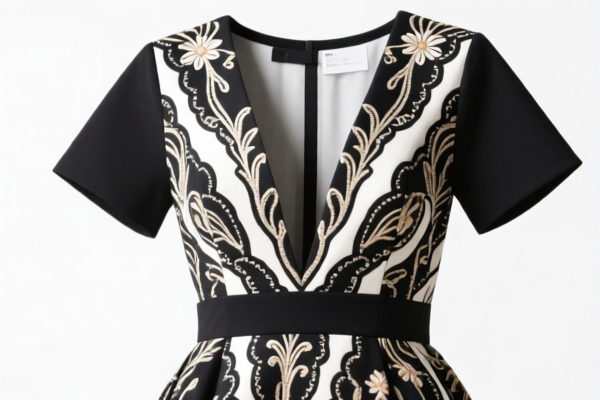
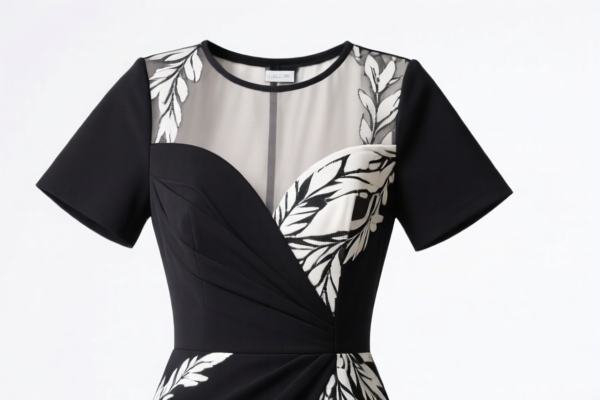
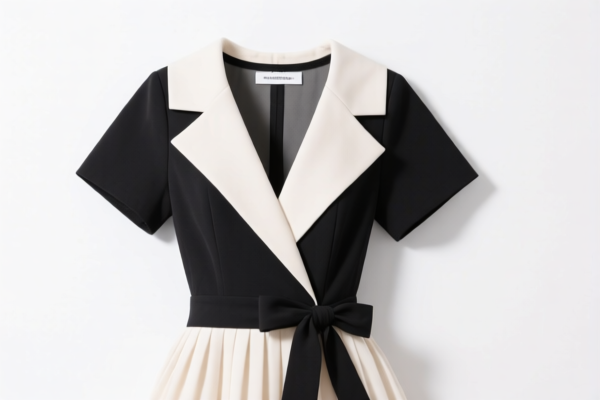
AI Analysis
Here is the comprehensive Wiki-style guide for Silk-Blend Dresses (丝混纺女式连衣裙), tailored to the specific HS Codes and Tax Data provided in your request.
🧵 Silk-Blend Dresses (Women's Knitted & Woven)
🌐 HS Code Reference & US Customs Clearance Guide | 2026 Tax Rate Breakdown | Strategic Entry Strategy
📌 I. Product Definition: What exactly is a "Silk-Blend Dress"?
A Silk-Blend Dress refers to women's outerwear where the fabric composition includes silk (or regenerated silk) combined with other textile materials (synthetic or natural fibers). The classification depends strictly on:
1. Construction Method: Knitted (6104...) vs. Woven (6204...)
2. Material Composition: Whether silk is the primary defining feature or if other fibers dominate the weight/structure.
3. Tariff Liability: Whether it falls under specific "Silk" sub-codes or "Other Textiles" sub-codes.
⚠️ Critical Distinction for Customs:
- Knitted vs. Woven: Knitted items (stretchy, jersey, knit) fall under Chapter 61. Woven items (structured, non-stretch, woven fabric) fall under Chapter 62. - Material Hierarchy: Even if silk is present, if the dress is primarily "Other Textile Materials" (e.g., synthetic), it may fall under the "Other" sub-codes with higher tariffs than pure silk.
📦 II. HS Code Classification Matrix (Based on Provided Data)
Based on your specific dataset, here is the precise classification for Silk-Blend Women's Dresses:
| HS Code | Product Description (Summary) | Composition Key | Knitted/Woven |
|---|---|---|---|
| 6104.49.10.00 | Silk-Blend Dress, Silk Range | Primary material falls within the "Silk" category definition | Knitted |
| 6104.49.90.60 | Silk-Blend Dress, Other Textile Materials | Silk + Other Textiles (Silk not dominant or defined as "other") | Knitted |
| 6204.49.10.00 | Silk-Blend Dress, Other Textile Materials | Silk + Other Textiles (Woven) | Woven |
| 6204.43.20.00 | Silk-Blend Dress, Synthetic Fibers Dominant | Contains Silk but Main Composition is Synthetic | Woven |
🔍 Classification Logic: - 6104.49.10.00: Only applies if the dress is Knitted AND the specific HS definition classifies the blend as "Silk". - 6104.49.90.60: Knitted, contains silk, but categorized under "Other" due to specific fiber ratios or manufacturing standards. - 6204.49.10.00: Woven blend, "Other" category (non-synthetic dominant). - 6204.43.20.00: Woven, Explicitly contains synthetic fibers as the main component (even if silk is present), triggering a specific synthetic sub-code.
💰 III. 2026 US Tariff Rate Breakdown (Detailed Analysis)
✅ Applicable Market: USA (Import from China)
✅ Tariff Structure: Base Duty + Section 301 (Added) + Section 122 (Countervailing)
✅ Total Tax Range: 18.4% – 24.6%
🎯 Scenario A: Knitted Silk-Blend (Category: Silk Range)
HS Code: 6104.49.10.00
* Total Tax Rate: 18.4% (Lowest in this set)
* Tax Composition:
* Base Duty: 0.9% (Standard MFN rate for silk).
* Section 301 Added Duty: 7.5% (Retaliatory tariffs on Chinese textiles).
* Section 122 Duty: 10% (Countervailing/Section 122 specific to this category).
* 💡 Strategy: This is the most cost-effective classification for knitted dresses if the product strictly meets the "Silk Range" criteria.
🎯 Scenario B: Knitted Silk-Blend (Category: Other Textiles)
HS Code: 6104.49.90.60
* Total Tax Rate: 23.1%
* Tax Composition:
* Base Duty: 5.6% (Higher base rate for "Other" fibers).
* Section 301 Added Duty: 7.5%.
* Section 122 Duty: 10%.
* 💡 Strategy: If the blend ratio shifts such that the fabric is no longer classified as "Silk" under US customs rules, the base duty jumps significantly.
🎯 Scenario C: Woven Silk-Blend (Category: Other Textiles)
HS Code: 6204.49.10.00
* Total Tax Rate: 24.4%
* Tax Composition:
* Base Duty: 6.9% (Woven fabrics often carry higher base duties).
* Section 301 Added Duty: 7.5%.
* Section 122 Duty: 10%.
* 💡 Strategy: Woven items generally face slightly higher base tariffs than knitted equivalents in this specific dataset.
🎯 Scenario D: Woven Synthetic-Dominant Blend
HS Code: 6204.43.20.00
* Total Tax Rate: 24.6% (Highest in this set)
* Tax Composition:
* Base Duty: 7.1% (High base duty for synthetic-heavy blends).
* Section 301 Added Duty: 7.5%.
* Section 122 Duty: 10%.
* 💡 Strategy: Critical! Even if silk is present, if the main component (by weight) is synthetic (e.g., Polyester), it falls here. This incurs the highest base duty.
🛠️ IV. Customs Clearance Strategy & Action Plan
✅ 1. Material Declaration Checklist (The "Silk-Blend" Trap)
To avoid misclassification penalties, ensure your Commercial Invoice and Packing List explicitly state:
* Fiber Content: e.g., "60% Silk, 40% Polyester" OR "55% Rayon, 45% Silk".
* Construction Method: Clearly state "Knitted" (Jersey, Knit) or "Woven" (Poplin, Chiffon).
* HS Code Justification:
* If claiming 6104.49.10.00, provide lab reports proving the fiber composition aligns with the "Silk Range" definition.
* If the dress is Synthetic-Dominant, do NOT claim 6104.49.10.00. Use 6204.43.20.00 immediately to avoid penalties.
⚠️ WARNING: Misdeclaring a synthetic-heavy blend as "Silk Range" can lead to CBP audits, seizure, and back-tariffing at the highest rate (24.6%) + fines.
✅ 2. Duty Calculation Example (CIF Value = $10,000)
| HS Code | Scenario | Base (0.9%~7.1%) | Sec 301 (7.5%) | Sec 122 (10%) | Total Duty |
|---|---|---|---|---|---|
6104.49.10.00 |
Knitted, Silk Range | $90 | $750 | $1,000 | $1,840 (18.4%) |
6104.49.90.60 |
Knitted, Other | $560 | $750 | $1,000 | $2,310 (23.1%) |
6204.49.10.00 |
Woven, Other | $690 | $750 | $1,000 | $2,440 (24.4%) |
6204.43.20.00 |
Woven, Synthetic | $710 | $750 | $1,000 | $2,460 (24.6%) |
✅ 3. Documentation Requirements
- Fiber Content Lab Report: Must be from an ISO-accredited lab to prove silk vs. synthetic ratio.
- Design Sketches: Show if the dress is knit (loops) or woven (interlaced threads).
- Country of Origin Certificate: Mandatory for Section 301/122 applicability.
🚀 V. Pro Tips for Importers (Cost Saving Strategy)
- Material Audit: Before shipping, verify if your "Silk Blend" is actually Synthetic-Dominant. If synthetic > 50% (by weight), you must use
6204.43.20.00. Trying to force a lower tariff on a synthetic blend is a major compliance risk. - Knitted vs. Woven: If your design allows, switching from Woven to Knitted might save ~1.2% to 6.2% in base duty (0.9% vs 6.9% or 7.1%).
- Avoid the "Other" Trap: If your dress is Knitted and can be proven to be "Silk Range,"
6104.49.10.00saves you 4.7% compared to6104.49.90.60. Ensure the lab report supports this specific classification. - Pre-Arrival Ruling: Given the complexity of "Silk Blend" definitions, consider applying for a Binding Ruling from CBP before the first shipment to lock in the correct HS Code and avoid surprises at the border.
📌 VI. Summary & Final Warning
| Key Takeaway | Action |
|---|---|
| Lowest Tax | Target 6104.49.10.00 (Knitted, Silk Range) @ 18.4% |
| Highest Tax | Avoid 6204.43.20.00 (Woven, Synthetic) @ 24.6% |
| Critical Risk | Fiber Ratio: If the dress is mostly polyester/synthetic, do NOT use the "Silk" code. |
| Tax Components | Remember: Base + 7.5% (301) + 10% (122) = Total |
🎯 Final Advice: "Classification is not just about description; it's about fiber weight and construction. A wrong HS Code costs you 6.2% in potential tax savings and risks customs penalties."
✨ Ready to Ship?
📞 Consult a Broker: Verify your fiber blend report against the 6104.49.10.00 definition before loading the container.
💼 Precision Imports = Maximum Profit.
Customer Reviews
About HS Code Classification
The Harmonized System (HS) is an internationally standardized nomenclature developed by the World Customs Organization (WCO) to classify traded products. Over 200 countries use the HS system as the basis for customs tariffs, trade statistics, and import/export regulations.
Each HS code follows a hierarchical structure:
- Chapter (2 digits) — Broad category of goods (e.g., Chapter 84: Machinery and Mechanical Appliances)
- Heading (4 digits) — More specific grouping within the chapter
- Subheading (6 digits) — Internationally standardized breakdown, used by all WCO member countries
- National subdivisions (8-10 digits) — Country-specific extensions for further classification, such as US HTSUS 10-digit codes
Correct HS code classification is essential for smooth customs clearance, accurate duty payment, and compliance with trade regulations. Misclassification can lead to customs delays, overpayment of duties, or penalties.
When importing from CN to US, the applicable tariff rates may include:
- Most-Favored-Nation (MFN) rate — The standard duty rate applied to WTO members
- General rate — Applied to countries without trade agreements
- Trade remedy duties — Additional tariffs such as Section 301 (anti-dumping), Section 232 (national security), or countervailing duties
The information provided on this page is for reference purposes only. For official classification, please consult with your local customs authority or a licensed customs broker.