boys short dressing gowns other materials
CN → US| HS编码 | 关税税率 | 原产国 | 目的国 | 文档 |
|---|---|---|---|---|
| 6201906960 | 21.7% | CN | US | 官方文档 |
| 6111909000 | 23.1% | CN | US | 官方文档 |
| 6111905070 | 24.9% | CN | US | 官方文档 |
| 6201902960 | 20.3% | CN | US | 官方文档 |
| 6110909090 | 23.5% | CN | US | 官方文档 |
商品图片
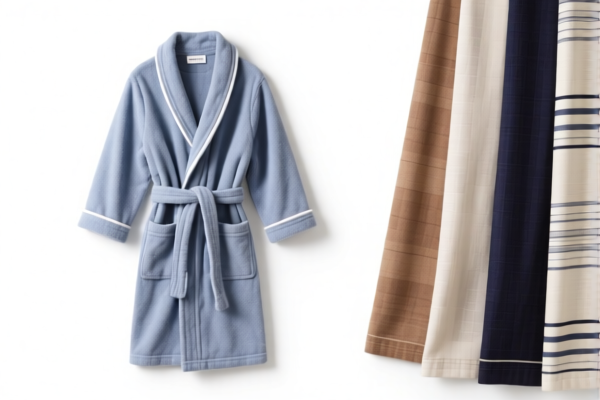
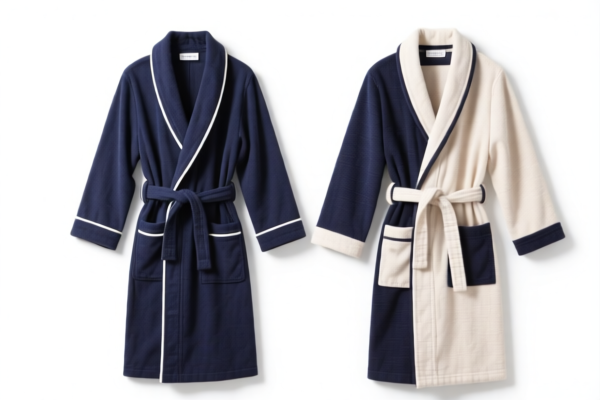
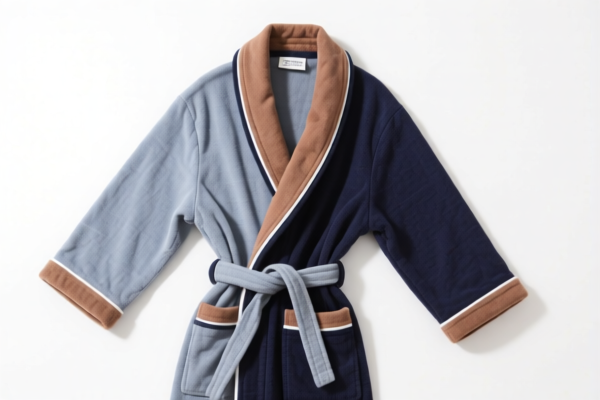
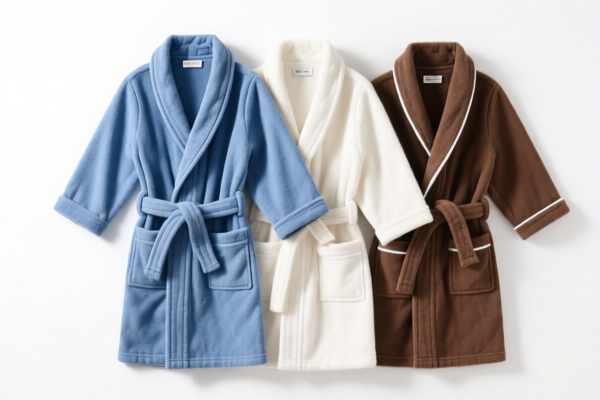
AI分析
🧒👦 Boys' Short Dressing Gowns – Other Materials
🌐 HS Code Reference & Customs Clearance Guide | 2026 Updated Tariff Analysis | Expert Import Strategy
📌 One-Stop Clarity for High-Value Kids’ Apparel Importers
📦 1. Product Definition & Classification: What Exactly Is a “Boys’ Short Dressing Gown”?
A boys’ short dressing gown refers to a loose-fitting, robe-style garment worn by young male children (typically under 12 years old), often used after bathing or for lounging. It is not a full-length robe but a short-length variant, typically ending at the hips or mid-thigh.
In international trade, these garments are classified based on: - Material composition (e.g., other textile materials) - Construction method (knitted, woven, or non-woven) - Design features (e.g., open-front, belt, hood, or sleeveless)
⚠️ Critical Distinction:
- If the garment is knitted or crocheted, it falls under knitted clothing (HS 6111).
- If it is woven or made from other textile materials, it falls under woven garments (HS 6201).
- "Other materials" means non-cotton, non-wool, non-silk, non-rayon — such as polyester blends, nylon, viscose, or synthetic fibers.
📊 2. HS Code Classification Breakdown (2026 Updated Tariff Matrix)
| HS Code | Product Description | Material Type | Key Feature | Tax Rate |
|---|---|---|---|---|
6201.90.69.60 |
Boys’ short dressing gowns, other materials, woven | Other textile materials | Not knitted, open front, short length | 21.7% |
6111.90.90.00 |
Boys’ short dressing gowns, knitted or crocheted, other materials | Other textile materials | Stretchy fabric, elastic cuffs, soft texture | 23.1% |
6111.90.50.70 |
Boys’ short dressing gowns, knitted or crocheted, accessories or parts | Other textile materials | May include detachable hoods, belts, or trimmings | 24.9% |
6201.90.29.60 |
Boys’ short dressing gowns, other woven garments, similar to capes | Other textile materials | Cape-like design, no sleeves, open back | 20.3% |
6110.90.90.90 |
Boys’ short dressing gowns, knitted or crocheted, similar to robes | Other textile materials | Often includes hood, drawstring, soft lining | 23.5% |
🔍 Why the Differences?
- Knitted garments (6111) are taxed higher due to higher value-added processing and perceived premium quality.
- Accessories or parts (6111.90.50.70) attract the highest rate — 24.9% — because they are treated as value-added components.
- Cape-like designs (6201.90.29.60) are taxed lowest — 20.3% — due to lower material cost and simpler construction.
💰 3. 2026 Updated Tariff Breakdown (U.S. Customs – China Origin)
✅ Applicable Country: United States (US)
✅ Origin: China (CN)
✅ Effective Date: November 10, 2025 (and ongoing)
🎯 1. 6201.90.69.60 – Woven Boys’ Short Dressing Gowns (Other Materials)
| Component | Details |
|---|---|
| Base Duty | 4.2% (ad valorem) |
| Section 301 (USITC) Additional Tariff | +7.5% |
| Section 122 (IEEPA) Emergency Tariff | +10.0% |
| Total Effective Duty | 21.7% |
| Tax Calculation | CIF Value × 21.7% |
| De Minimis Threshold | ❌ Not applicable (denied under U.S. 2025 rule) |
| Legal Basis Path | IEEPA:9903.01.25 → USITC:6201.90.69.60 → FOOTNOTE:9903.88.01 |
📌 Explanation:
- This is a woven garment, not knitted, so it avoids the higher knitted rate.
- Still subject to all three layers: base duty + 301 + IEEPA.
- No duty-free status — even for small shipments.
🎯 2. 6111.90.90.00 – Knitted Boys’ Short Dressing Gowns (Other Materials)
| Component | Details |
|---|---|
| Base Duty | 5.6% |
| Section 301 (USITC) Additional Tariff | +7.5% |
| Section 122 (IEEPA) Emergency Tariff | +10.0% |
| Total Effective Duty | 23.1% |
| Tax Calculation | CIF × 23.1% |
| De Minimis | ❌ Not allowed |
| Legal Basis Path | IEEPA:9903.01.25 → USITC:6111.90.90.00 → FOOTNOTE:9903.88.01 |
📌 Why Higher?
- Knitted garments are more labor-intensive and often higher margin.
- Subject to same 301 + IEEPA but with higher base rate (5.6% vs 4.2%).
🎯 3. 6111.90.50.70 – Knitted Accessories or Parts (e.g., Hood, Belt, Trim)
| Component | Details |
|---|---|
| Base Duty | 14.9% |
| Section 301 (USITC) Additional Tariff | +0.0% |
| Section 122 (IEEPA) Emergency Tariff | +10.0% |
| Total Effective Duty | 24.9% |
| Tax Calculation | CIF × 24.9% |
| De Minimis | ❌ Not applicable |
| Legal Basis Path | IEEPA:9903.01.25 → USITC:6111.90.50.70 → FOOTNOTE:9903.88.01 |
📌 Critical Insight:
- This is not a full garment — it’s a component (e.g., detachable hood or drawstring belt).
- Highest tax rate because accessories are treated as value-added items.
- No 301 tariff — but 10% IEEPA still applies.
- Do NOT ship parts separately — risk of misclassification and penalties.
🎯 4. 6201.90.29.60 – Cape-Like Woven Garments (Other Materials)
| Component | Details |
|---|---|
| Base Duty | 2.8% |
| Section 301 (USITC) Additional Tariff | +7.5% |
| Section 122 (IEEPA) Emergency Tariff | +10.0% |
| Total Effective Duty | 20.3% |
| Tax Calculation | CIF × 20.3% |
| De Minimis | ❌ Not allowed |
| Legal Basis Path | IEEPA:9903.01.25 → USITC:6201.90.29.60 → FOOTNOTE:9903.88.01 |
📌 Why Lowest?
- Cape-like design is considered lower-value and less complex.
- Lowest base duty (2.8%) + same 301 + IEEPA → lowest total among all five codes.
🎯 5. 6110.90.90.90 – Knitted or Crocheted Similar Garments (Other Materials)
| Component | Details |
|---|---|
| Base Duty | 6.0% |
| Section 301 (USITC) Additional Tariff | +7.5% |
| Section 122 (IEEPA) Emergency Tariff | +10.0% |
| Total Effective Duty | 23.5% |
| Tax Calculation | CIF × 23.5% |
| De Minimis | ❌ Not allowed |
| Legal Basis Path | IEEPA:9903.01.25 → USITC:6110.90.90.90 → FOOTNOTE:9903.88.01 |
📌 Note:
- This code covers similar garments that are knitted or crocheted, even if not strictly called “dressing gowns”.
- Often used for hooded robes, lounge sets, or playwear.
- Higher than woven, but lower than accessory parts.
🛠️ 4. Customs Clearance Best Practices (Pro Tips for Success)
✅ 1. Essential Documentation Checklist
| Document | Required? | Why It Matters |
|---|---|---|
| ✅ Commercial Invoice | ✔️ | Must clearly state: “Boys’ Short Dressing Gown, Knitted/Woven, Other Materials, Model XYZ” |
| ✅ Product Photos (Front/Back/Side) | ✔️ | Show construction, material, sleeves, hood, belt |
| ✅ Material Composition Certificate | ✔️ | Prove “other materials” (e.g., polyester 80%, spandex 20%) |
| ✅ HS Code Pre-Ruling Request | ✔️ | Highly recommended — avoid disputes |
| ✅ Packing List | ✔️ | Show full garment vs. parts |
| ✅ Certificate of Origin (CO) | ✔️ | Required for tariff eligibility |
| ✅ Test Report (e.g., CPSIA, flammability) | ✔️ | Mandatory for children’s wear |
✅ 2.申报技巧(Key Rules to Remember)
🔥 "Full garment, not parts — knitted or woven, know the code!"
| Scenario | Correct HS Code | Common Mistake |
|---|---|---|
| Full robe, knitted, with hood | 6111.90.90.00 |
Misreported as 6201.90.69.60 |
| Detachable hood only | 6111.90.50.70 |
Treated as full garment → higher tax |
| Cape-style, no sleeves | 6201.90.29.60 |
Misclassified as knitted → higher rate |
| Hood + belt as separate items | Do NOT ship separately! | Each item taxed at 24.9% → total 49.8%! |
✅ 3. Special Cases & Risk Mitigation
| Situation | Recommended Action |
|---|---|
| OEM or Private Label | Provide design specs + fabric bill — avoid “generic” labels |
| Mixed Materials (e.g., cotton + polyester) | Classify by dominant material (≥50%) |
| Garment with printed logo | Still falls under same HS code — no change |
| Importing from Vietnam/Mexico | Can qualify for IEEPA exemption — 0% on Section 122 |
| Sample shipments | Still subject to 20.3%–24.9% — no exemption |
🌍 5. Global Market Comparison (2026 Tariff Snapshot)
| Country | Recommended HS Code | Base Duty | Additional Taxes | Notes |
|---|---|---|---|---|
| 🇺🇸 USA | 6201.90.69.60 (woven) |
4.2% | +7.5% +10% | Total: 21.7% |
| 🇨🇳 China | 6201.90.69.60 |
5% | None | No IEEPA/301 |
| 🇪🇺 EU | 6201.90.69.60 |
0% | CE + REACH | No extra tariffs |
| 🇦🇺 Australia | 6201.90.69.60 |
5% | None | No extra tariffs |
| 🇯🇵 Japan | 6201.90.69.60 |
0% | None | No extra tariffs |
📌 Insight:
- U.S. is the only market with 301 + IEEPA tariffs on these items.
- China, EU, Japan, Australia have no extra tariffs — ideal for export hubs.
📌 6. Common Mistakes & How to Avoid Them
❌ Mistake 1: Shipping a hood separately from the robe
👉 Result: 6111.90.50.70 at 24.9% each → 49.8% total!
❌ Mistake 2: Calling a knitted gown a “woven” garment
👉 Result: Incorrect HS code → duty underpayment → penalties + delays
❌ Mistake 3: Not declaring “other materials”
👉 Result: Misclassified as cotton/wool → lower base duty, but higher risk of audit
❌ Mistake 4: Using generic name like “kids’ robe”
👉 Result: Customs may assume higher value → higher scrutiny
✅ Correct Labeling Example:
“Boys’ Short Dressing Gown, Knitted, 100% Polyester, Hooded, Elastic Waist, Size 4T, Model BG-2025”
🎯 7. Final Verdict: Smart Importing Starts with the Right HS Code
🎯 Key Takeaways:
🔹 Woven = Lower tax (20.3–21.7%)
🔹 Knitted = Higher tax (23.1–23.5%)
🔹 Accessories = Highest tax (24.9%)
🔹 Cape-style = Best value
🔹 Never split garments into parts
🔹 Always request HS Code pre-ruling
📌 Pro Tip:
If your product is made in Vietnam, Mexico, or Thailand, you may qualify for IEEPA exemption — 0% on Section 122 → total tax drops to 12.1%–14.9%.
📣 Act Now!
📞 Contact a U.S. Customs Broker + Submit HS Code Pre-Ruling Request
🚀 Avoid penalties, delays, and overpaying by 25%+
✨ Your Success Starts with Precision.
💼 One wrong code = thousands in extra cost. One right code = smooth, fast, low-cost clearance.
✅ Professional Customs, Accurate Classification, Zero Surprises.
📦 Import with Confidence — Ship Smart, Save Big!
用户评价
关于 HS 编码归类
协调制度(HS)是由世界海关组织(WCO)制定的国际贸易商品分类标准。全球 200 多个国家采用 HS 系统作为海关关税、贸易统计和进出口监管的基础。
每个 HS 编码遵循以下层级结构:
- 章(2 位)——商品大类(例如:第 84 章:机器和机械设备)
- 品目(4 位)——章内的更具体分类
- 子目(6 位)——国际通用细分,所有 WCO 成员国统一使用
- 本国细分(8-10 位)——各国自行扩展的细分编码,如美国 HTSUS 10 位编码
正确的 HS 编码归类对于顺利通关、准确缴纳关税和遵守贸易法规至关重要。错误归类可能导致海关延误、多缴关税或罚款。
从CN进口到US时,适用的关税税率可能包括:
- 最惠国(MFN)税率——适用于 WTO 成员国的标准关税税率
- 普通税率——适用于无贸易协定国家
- 贸易救济关税——附加关税,如 301 条款(反倾销)、232 条款(国家安全)或反补贴税
本页内容仅供参考。如需正式归类,请咨询当地海关或持牌报关代理。