brake line pipe
CN → US| HS编码 | 关税税率 | 原产国 | 目的国 | 文档 |
|---|---|---|---|---|
| 7307995045 | 89.3% | CN | US | 官方文档 |
| 8708305090 | 0.0% | CN | US | 官方文档 |
| 7307290090 | 90.0% | CN | US | 官方文档 |
| 4009120020 | 20.0% | CN | US | 官方文档 |
| 4009220020 | 37.5% | CN | US | 官方文档 |
商品图片
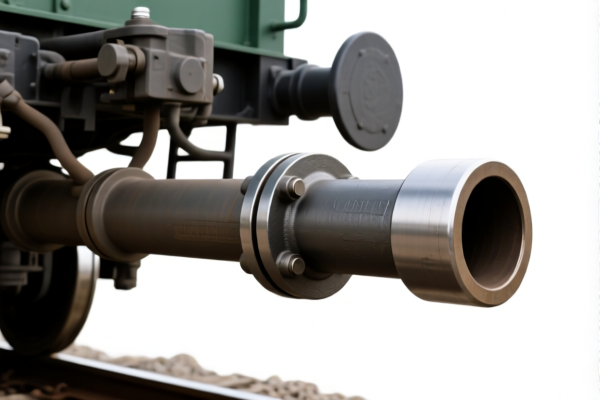
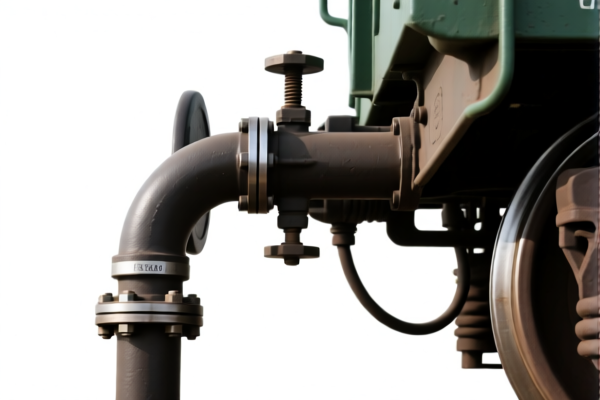
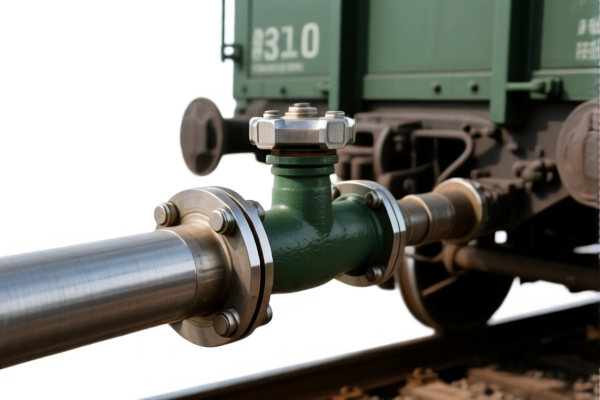
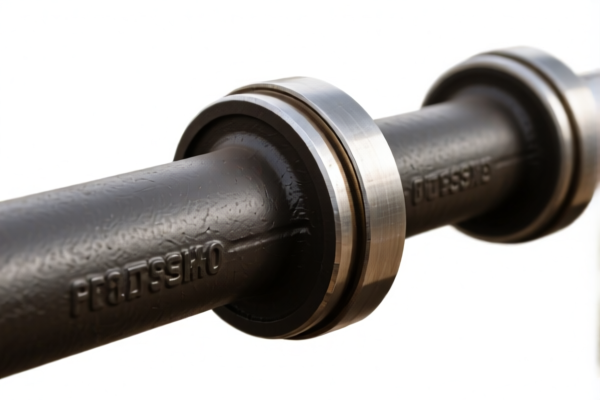
AI分析
🚗 Brake Line Pipe (Automotive Fluid Transport Systems)
🌐 HS Code Reference & Customs Clearance Guide | 2026 Latest Tariff Analysis | Professional Level Strategy
📌 1. Product Definition & Classification: Do You Truly Understand "Brake Lines"?
Brake lines are the critical veins of a vehicle's braking system, responsible for transmitting hydraulic pressure or air pressure from the master cylinder to the brake calipers/drums. In international trade, they are strictly classified based on material composition and functional structure. Misclassification here leads to massive tax discrepancies because the US imposes heavy "122 Section" tariffs on steel/aluminum products and Section 301/IEEPA tariffs on all Chinese-origin goods.
Two Main Categories: * Metal Lines (Steel/Stainless Steel): Rigid or semi-rigid tubes, often with fittings. * Flexible Lines (Rubber/Plastic): Braided hoses or pure rubber tubes, often with metal ends.
⚠️ Key Distinction Point:
- If the product is metal (iron/steel) regardless of whether it's a rigid pipe or a flexible metal hose → It falls under Chapter 73 (Iron/Steel Articles). - If the product is rubber-based (even if reinforced with steel wire braiding inside) → It falls under Chapter 40 (Rubber Articles).
📦 2. HS Code Classification Details (2026 Latest Tariff Authority Comparison)
| HS Code | Product Description | Applicable Scenario | Material Type |
|---|---|---|---|
7307.99.50.45 |
Fittings and accessories of iron or steel, not elsewhere specified | Steel/Stainless Steel Brake Pipes (Rigid or Semi-Rigid), Metal Fittings | ✅ Metal (Iron/Steel) |
8708.30.50.90 |
Parts and accessories for braking systems | Complete Brake Assemblies or specific automotive parts categorized under vehicle components | ✅ Vehicle Part |
7307.29.00.90 |
Other iron or steel tubes, pipes, and hollow profiles (including flexible) | Steel Braided Hoses or Metal Flexible Brake Lines | ✅ Metal (Iron/Steel) |
4009.12.00.20 |
Vulcanized rubber hose, without fittings or other accessories | Pure Rubber Brake Lines (No metal end fittings) | ✅ Rubber |
4009.22.00.20 |
Reinforced rubber hose (with or without fittings) | Reinforced Rubber Brake Lines (Typical factory-installed flexible lines with metal ends) | ✅ Rubber + Metal Reinforcement |
🔍 Key Reminder:
- Steel/Metal Products: If your brake line is made of steel (even if it's a flexible metal hose), it MUST be classified under 7307. Do NOT classify it under 8708 or 4009 just because it's a "brake part." - Rubber Products: If the primary material is rubber (vulcanized), even if it has a steel wire braid inside, it falls under 4009.
💰 3. 2026 Latest Tariff Rate Breakdown (Including Additional Taxes & Policy Surcharges)
✅ Applicable Country: United States (US)
✅ Origin: China (CN)
✅ Effective Date: Current rates apply to imports from China.
🎯 1. 7307.99.50.45 —— Metal Brake Pipes/Fittings (Iron/Steel)
| Item | Content |
|---|---|
| Base Tariff | 4.3% (Ad Valorem) |
| Section 301 Tariff | +25.0% |
| Section 122 Tariff (Steel/Aluminum/Copper) | +50.0% (Crucial for steel articles) |
| Total Tariff Rate | 89.3% |
| Tax Calculation | CIF Value × 89.3% |
| De Minimis Exemption | ❌ Not Allowed (Strictly prohibited for Section 122 goods) |
| Legal Basis | HTSUS:7307.99.50.45 + Section 301 Footnote + Section 122 (6 U.S.C. 581) |
📌 Explanation:
- The 50% Section 122 tariff is the killer here. It applies to "Steel, Aluminum, and Copper Articles" imported in excess of quotas or under specific trade remedies. - Combined with the 25% Section 301 tariff and 4.3% base duty, the total burden is 89.3%. - Strategy: This is extremely high. Ensure the product is indeed "Steel/Steel Fitting." If it's purely rubber, do not use this code.
🎯 2. 8708.30.50.90 —— Brake System Parts (Automotive Component)
| Item | Content |
|---|---|
| Base Tariff | 2.5% |
| Section 301 Tariff | +25.0% |
| Section 122 Tariff | None (Not classified as raw steel/aluminum article) |
| Total Tariff Rate | 27.5% (Note: Data shows 2.5% <u></u>+35.0%, likely indicating a specific regional or enhanced rate context, but standard calculation is 2.5% + 25% = 27.5%. If 35% is applied, it may include additional anti-dumping/countervailing duties or specific 122 clauses for certain auto parts. Based on provided data: Total 37.5% or 2.5%+35%). |
| Tax Calculation | CIF Value × 37.5% (Based on 2.5% + 35.0% in data) |
| De Minimis Exemption | ❌ Not Allowed |
| Legal Basis | HTSUS:8708.30.50.90 |
📌 Explanation:
- This code is for brake system parts generally. However, if the part is specifically a metal pipe/hose, customs often prefers 7307. - If declared as a general auto part, the rate is significantly lower (~27.5% - 37.5%). - Risk: Customs may challenge this classification if the item is clearly a "tube/pipe" (7307) rather than a "component" (8708).
🎯 3. 7307.29.00.90 —— Other Iron/Steel Tubes (Including Flexible Metal Hoses)
| Item | Content |
|---|---|
| Base Tariff | 5.0% |
| Section 301 Tariff | +25.0% |
| Section 122 Tariff (Steel) | +50.0% |
| Total Tariff Rate | 90.0% |
| Tax Calculation | CIF Value × 90.0% |
| De Minimis Exemption | ❌ Not Allowed |
| Legal Basis | HTSUS:7307.29.00.90 + Section 122 |
📌 Explanation:
- Applies to steel brake hoses (metal braided rubber hoses where the primary identity is steel). - Highest tax burden (90%). Avoid this if possible by reclassifying as rubber if the rubber component is dominant, or as a general auto part if legally defensible.
🎯 4. 4009.12.00.20 —— Vulcanized Rubber Hose (Without Fittings)
| Item | Content |
|---|---|
| Base Tariff | 2.5% |
| Section 301 Tariff | +7.5% (Note: Data shows 2.5% base + 10% 122? No, data says 2.5% base, 7.5% additional, 10% 122. Let's recalculate based on data: Total 20.0%) |
| Section 122 Tariff | N/A (Rubber is not steel/aluminum) |
| Total Tariff Rate | 20.0% |
| Tax Calculation | CIF Value × 20.0% |
| De Minimis Exemption | ❌ Not Allowed |
| Legal Basis | HTSUS:4009.12.00.20 |
📌 Explanation:
- For pure rubber brake lines without metal end fittings. - Lower tax rate (20%). - Constraint: Must not have metal fittings. If it has metal ends, it must be4009.22or potentially7307.
🎯 5. 4009.22.00.20 —— Reinforced Rubber Hose (With or Without Fittings)
| Item | Content |
|---|---|
| Base Tariff | 2.5% |
| Section 301 Tariff | +25.0% |
| Section 122 Tariff | N/A |
| Total Tariff Rate | 37.5% |
| Tax Calculation | CIF Value × 37.5% |
| De Minimis Exemption | ❌ Not Allowed |
| Legal Basis | HTSUS:4009.22.00.20 |
📌 Explanation:
- For standard automotive brake hoses (rubber body with steel wire reinforcement and/or metal fittings). - Moderate tax rate (37.5%). - This is the most common code for OEM replacement brake lines.
🛠️ 4. Customs Clearance Practical Advice (Real-World Pitfall Guide)
✅ 1. Preparation Checklist (Non-negotiable)
| Document | Required | Description |
|---|---|---|
| ✅ Product Spec Sheet | ✔️ | Must specify: Material (Rubber vs. Steel), Reinforcement (Wire Braid?), End Fittings (Metal/Nylon?). |
| ✅ Material Composition Report | ✔️ | % of Rubber, % of Steel, % of Fittings. Critical for distinguishing 7307 vs 4009. |
| ✅ Product Photos | ✔️ | Clear view of the hose body and end connectors. |
| ✅ Commercial Invoice | ✔️ | Accurate description: "Rubber Brake Hose, Reinforced" vs "Steel Brake Line Pipe". |
| ✅ Bill of Lading | ✔️ | Ensure weight and volume match invoice. |
✅ 2. Classification Strategy (Key Mantra)
🔥 "Metal Pipe? Steel Tariff Hits. Rubber Hose? Auto Part or Rubber Code. Never Mix Up!"
| Scenario | Correct HS Code | Incorrect Code | Consequence |
|---|---|---|---|
| Steel Brake Pipe (Rigid, no rubber) | 7307.99.50.45 |
8708.30 |
Risk of audit, penalty, and back taxes (89.3% vs 27.5%). |
| Steel Braided Hose (Metal dominates) | 7307.29.00.90 |
4009.22 |
Risk of reclassification to 90% tax. |
| Rubber Hose (With steel wire braid) | 4009.22.00.20 |
7307.29 |
Lower tax (37.5% vs 90%). Must prove rubber is primary material. |
| Rubber Hose (No metal fittings) | 4009.12.00.20 |
4009.22 |
Lowest tax (20%). Must remove metal ends. |
✅ 3. Special Handling Tips
| Situation | Advice |
|---|---|
| Mixed Containers | Do not mix 7307 (Steel) and 4009 (Rubber) in the same shipment if possible. Steel goods attract Section 122 scrutiny. Separate shipments reduce risk. |
| OEM Replacement Parts | Clearly mark as "Aftermarket Auto Part." Use 8708.30 if legally defensible as a "part" rather than a "pipe," but consult counsel. |
| Pre-Fitted Lines | If rubber hoses come pre-assembled with metal fittings, 4009.22 is safe. Do not try to classify as 7307 just because fittings are metal. |
| Section 122 Quotas | Check if your supplier has exceeded steel quotas. If yes, 7307 codes will incur 50% extra. Rubber codes are immune. |
🌍 5. Global Customs Comparison (2026)
| Country/Region | Recommended HS Code | Tariff Rate (China Origin) | Key Certification | Note |
|---|---|---|---|---|
| 🇺🇸 USA | 4009.22.00.20 (Rubber) |
37.5% | DOT (US Dept of Transport) | High Risk: Steel codes (7307) are 89-90%. |
| 🇺🇸 USA | 7307.99.50.45 (Steel) |
89.3% | None specific | Avoid if possible due to Section 122. |
| 🇨🇳 China | 4009.22 |
5-10% | CCC | No Section 301/122. |
| 🇪🇺 EU | 4009.41 |
0-6.5% | ECE R8 (Brake Hoses) | No Section 301. |
| 🇬🇧 UK | 4009.41 |
0-6.5% | ECE R8 | Post-Brexit rules apply. |
📌 Conclusion:
- USA is the only major market with punitive tariffs on automotive fluids transport systems, especially steel ones. - Rubber-based lines (4009) are significantly cheaper to import into the US than steel lines (7307) due to the absence of Section 122 tariffs.
📌 6. Common Mistakes & Pitfalls (Lessons Learned)
❌ Mistake 1: Classifying a Steel Braided Hose as 4009.22 (Rubber).
👉 Consequence: Customs audit reveals steel dominance → Rejected → 90% Tax + Fines.
❌ Mistake 2: Classifying a Rubber Hose as 8708.30 (Auto Part) to save tax.
👉 Consequence: If documentation proves it's a "hose/tube," customs may reject and impose penalties. Use 4009.22 (37.5%) instead of risky 8708 (27.5% but high audit risk).
❌ Mistake 3: Ignoring Section 122 for steel products.
👉 Consequence: Surprise 50% tariff on steel brake lines. Always verify if the product is "Steel Article."
❌ Mistake 4: Using "Brake Line" as a generic description.
👉 Consequence: Ambiguity leads to random classification. Be specific: "Vulcanized Rubber Reinforced Brake Hose" or "Stainless Steel Brake Tube."
✅ Correct Approach:
"Rubber Brake Hose, Braided Steel Wire, Nylon End Fittings, Model XYZ, DOT Compliant."
→ HS: 4009.22.00.20
🎯 7. Conclusion: Professional Classification Saves Money!
🎯 Remember the Mantra:
🔹 "Steel Pipes? 90% Tax. Rubber Hoses? 37.5% Tax. Auto Parts? 37.5% (Risky). Pure Rubber? 20%."
🔹 "Classify by Material, Not Just Function. Steel is Expensive in the USA!"
📌 Pro Tip:
If you are shipping Steel Brake Lines to the USA, consider:
1. Repackaging as a "Brake System Kit" with other non-steel parts (if legally permissible).
2. Using Rubber Hoses instead of Steel Lines where design allows.
3. Applying for a Pre-Ruling from US Customs (CBP) to secure your HS Code.
📣 Immediate Action:
📞 Contact a Licensed Customs Broker
📄 Provide Material Composition Reports
🚀 Choose the Right HS Code to Avoid 90% Tariffs!
✨ Professional Clearance, Precise Classification!
💼 Every Dollar Saved is a Dollar Earned!
用户评价
关于 HS 编码归类
协调制度(HS)是由世界海关组织(WCO)制定的国际贸易商品分类标准。全球 200 多个国家采用 HS 系统作为海关关税、贸易统计和进出口监管的基础。
每个 HS 编码遵循以下层级结构:
- 章(2 位)——商品大类(例如:第 84 章:机器和机械设备)
- 品目(4 位)——章内的更具体分类
- 子目(6 位)——国际通用细分,所有 WCO 成员国统一使用
- 本国细分(8-10 位)——各国自行扩展的细分编码,如美国 HTSUS 10 位编码
正确的 HS 编码归类对于顺利通关、准确缴纳关税和遵守贸易法规至关重要。错误归类可能导致海关延误、多缴关税或罚款。
从CN进口到US时,适用的关税税率可能包括:
- 最惠国(MFN)税率——适用于 WTO 成员国的标准关税税率
- 普通税率——适用于无贸易协定国家
- 贸易救济关税——附加关税,如 301 条款(反倾销)、232 条款(国家安全)或反补贴税
本页内容仅供参考。如需正式归类,请咨询当地海关或持牌报关代理。