brake line pipe
CN → US| HS Code | Tariff Rate | Origin | Destination | Doc |
|---|---|---|---|---|
| 7307995045 | 89.3% | CN | US | Official Doc |
| 8708305090 | 0.0% | CN | US | Official Doc |
| 7307290090 | 90.0% | CN | US | Official Doc |
| 4009120020 | 20.0% | CN | US | Official Doc |
| 4009220020 | 37.5% | CN | US | Official Doc |
Product Images
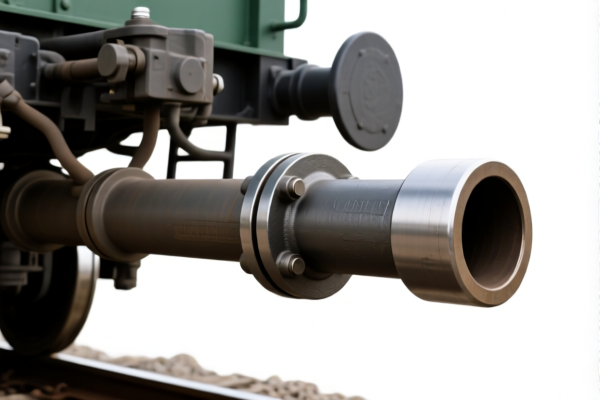
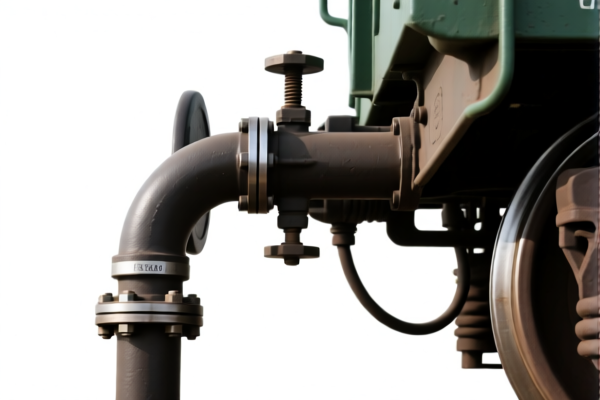
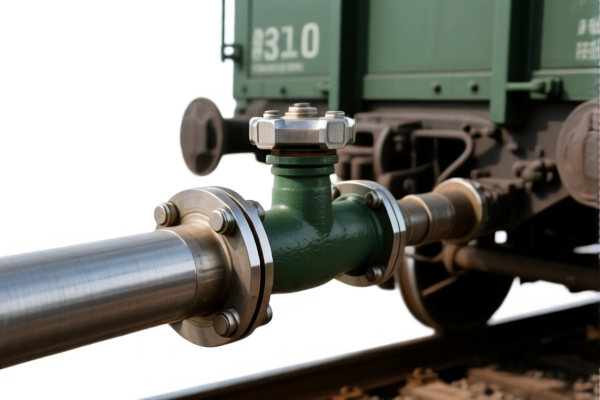
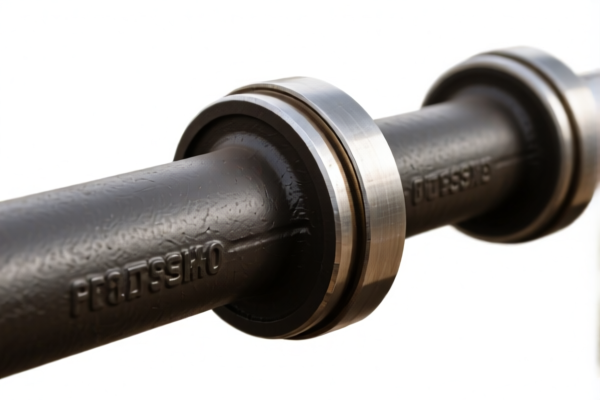
AI Analysis
🚗 Brake Line Pipe (Automotive Fluid Transport Systems)
🌐 HS Code Reference & Customs Clearance Guide | 2026 Latest Tariff Analysis | Professional Level Strategy
📌 1. Product Definition & Classification: Do You Truly Understand "Brake Lines"?
Brake lines are the critical veins of a vehicle's braking system, responsible for transmitting hydraulic pressure or air pressure from the master cylinder to the brake calipers/drums. In international trade, they are strictly classified based on material composition and functional structure. Misclassification here leads to massive tax discrepancies because the US imposes heavy "122 Section" tariffs on steel/aluminum products and Section 301/IEEPA tariffs on all Chinese-origin goods.
Two Main Categories: * Metal Lines (Steel/Stainless Steel): Rigid or semi-rigid tubes, often with fittings. * Flexible Lines (Rubber/Plastic): Braided hoses or pure rubber tubes, often with metal ends.
⚠️ Key Distinction Point:
- If the product is metal (iron/steel) regardless of whether it's a rigid pipe or a flexible metal hose → It falls under Chapter 73 (Iron/Steel Articles). - If the product is rubber-based (even if reinforced with steel wire braiding inside) → It falls under Chapter 40 (Rubber Articles).
📦 2. HS Code Classification Details (2026 Latest Tariff Authority Comparison)
| HS Code | Product Description | Applicable Scenario | Material Type |
|---|---|---|---|
7307.99.50.45 |
Fittings and accessories of iron or steel, not elsewhere specified | Steel/Stainless Steel Brake Pipes (Rigid or Semi-Rigid), Metal Fittings | ✅ Metal (Iron/Steel) |
8708.30.50.90 |
Parts and accessories for braking systems | Complete Brake Assemblies or specific automotive parts categorized under vehicle components | ✅ Vehicle Part |
7307.29.00.90 |
Other iron or steel tubes, pipes, and hollow profiles (including flexible) | Steel Braided Hoses or Metal Flexible Brake Lines | ✅ Metal (Iron/Steel) |
4009.12.00.20 |
Vulcanized rubber hose, without fittings or other accessories | Pure Rubber Brake Lines (No metal end fittings) | ✅ Rubber |
4009.22.00.20 |
Reinforced rubber hose (with or without fittings) | Reinforced Rubber Brake Lines (Typical factory-installed flexible lines with metal ends) | ✅ Rubber + Metal Reinforcement |
🔍 Key Reminder:
- Steel/Metal Products: If your brake line is made of steel (even if it's a flexible metal hose), it MUST be classified under 7307. Do NOT classify it under 8708 or 4009 just because it's a "brake part." - Rubber Products: If the primary material is rubber (vulcanized), even if it has a steel wire braid inside, it falls under 4009.
💰 3. 2026 Latest Tariff Rate Breakdown (Including Additional Taxes & Policy Surcharges)
✅ Applicable Country: United States (US)
✅ Origin: China (CN)
✅ Effective Date: Current rates apply to imports from China.
🎯 1. 7307.99.50.45 —— Metal Brake Pipes/Fittings (Iron/Steel)
| Item | Content |
|---|---|
| Base Tariff | 4.3% (Ad Valorem) |
| Section 301 Tariff | +25.0% |
| Section 122 Tariff (Steel/Aluminum/Copper) | +50.0% (Crucial for steel articles) |
| Total Tariff Rate | 89.3% |
| Tax Calculation | CIF Value × 89.3% |
| De Minimis Exemption | ❌ Not Allowed (Strictly prohibited for Section 122 goods) |
| Legal Basis | HTSUS:7307.99.50.45 + Section 301 Footnote + Section 122 (6 U.S.C. 581) |
📌 Explanation:
- The 50% Section 122 tariff is the killer here. It applies to "Steel, Aluminum, and Copper Articles" imported in excess of quotas or under specific trade remedies. - Combined with the 25% Section 301 tariff and 4.3% base duty, the total burden is 89.3%. - Strategy: This is extremely high. Ensure the product is indeed "Steel/Steel Fitting." If it's purely rubber, do not use this code.
🎯 2. 8708.30.50.90 —— Brake System Parts (Automotive Component)
| Item | Content |
|---|---|
| Base Tariff | 2.5% |
| Section 301 Tariff | +25.0% |
| Section 122 Tariff | None (Not classified as raw steel/aluminum article) |
| Total Tariff Rate | 27.5% (Note: Data shows 2.5% <u></u>+35.0%, likely indicating a specific regional or enhanced rate context, but standard calculation is 2.5% + 25% = 27.5%. If 35% is applied, it may include additional anti-dumping/countervailing duties or specific 122 clauses for certain auto parts. Based on provided data: Total 37.5% or 2.5%+35%). |
| Tax Calculation | CIF Value × 37.5% (Based on 2.5% + 35.0% in data) |
| De Minimis Exemption | ❌ Not Allowed |
| Legal Basis | HTSUS:8708.30.50.90 |
📌 Explanation:
- This code is for brake system parts generally. However, if the part is specifically a metal pipe/hose, customs often prefers 7307. - If declared as a general auto part, the rate is significantly lower (~27.5% - 37.5%). - Risk: Customs may challenge this classification if the item is clearly a "tube/pipe" (7307) rather than a "component" (8708).
🎯 3. 7307.29.00.90 —— Other Iron/Steel Tubes (Including Flexible Metal Hoses)
| Item | Content |
|---|---|
| Base Tariff | 5.0% |
| Section 301 Tariff | +25.0% |
| Section 122 Tariff (Steel) | +50.0% |
| Total Tariff Rate | 90.0% |
| Tax Calculation | CIF Value × 90.0% |
| De Minimis Exemption | ❌ Not Allowed |
| Legal Basis | HTSUS:7307.29.00.90 + Section 122 |
📌 Explanation:
- Applies to steel brake hoses (metal braided rubber hoses where the primary identity is steel). - Highest tax burden (90%). Avoid this if possible by reclassifying as rubber if the rubber component is dominant, or as a general auto part if legally defensible.
🎯 4. 4009.12.00.20 —— Vulcanized Rubber Hose (Without Fittings)
| Item | Content |
|---|---|
| Base Tariff | 2.5% |
| Section 301 Tariff | +7.5% (Note: Data shows 2.5% base + 10% 122? No, data says 2.5% base, 7.5% additional, 10% 122. Let's recalculate based on data: Total 20.0%) |
| Section 122 Tariff | N/A (Rubber is not steel/aluminum) |
| Total Tariff Rate | 20.0% |
| Tax Calculation | CIF Value × 20.0% |
| De Minimis Exemption | ❌ Not Allowed |
| Legal Basis | HTSUS:4009.12.00.20 |
📌 Explanation:
- For pure rubber brake lines without metal end fittings. - Lower tax rate (20%). - Constraint: Must not have metal fittings. If it has metal ends, it must be4009.22or potentially7307.
🎯 5. 4009.22.00.20 —— Reinforced Rubber Hose (With or Without Fittings)
| Item | Content |
|---|---|
| Base Tariff | 2.5% |
| Section 301 Tariff | +25.0% |
| Section 122 Tariff | N/A |
| Total Tariff Rate | 37.5% |
| Tax Calculation | CIF Value × 37.5% |
| De Minimis Exemption | ❌ Not Allowed |
| Legal Basis | HTSUS:4009.22.00.20 |
📌 Explanation:
- For standard automotive brake hoses (rubber body with steel wire reinforcement and/or metal fittings). - Moderate tax rate (37.5%). - This is the most common code for OEM replacement brake lines.
🛠️ 4. Customs Clearance Practical Advice (Real-World Pitfall Guide)
✅ 1. Preparation Checklist (Non-negotiable)
| Document | Required | Description |
|---|---|---|
| ✅ Product Spec Sheet | ✔️ | Must specify: Material (Rubber vs. Steel), Reinforcement (Wire Braid?), End Fittings (Metal/Nylon?). |
| ✅ Material Composition Report | ✔️ | % of Rubber, % of Steel, % of Fittings. Critical for distinguishing 7307 vs 4009. |
| ✅ Product Photos | ✔️ | Clear view of the hose body and end connectors. |
| ✅ Commercial Invoice | ✔️ | Accurate description: "Rubber Brake Hose, Reinforced" vs "Steel Brake Line Pipe". |
| ✅ Bill of Lading | ✔️ | Ensure weight and volume match invoice. |
✅ 2. Classification Strategy (Key Mantra)
🔥 "Metal Pipe? Steel Tariff Hits. Rubber Hose? Auto Part or Rubber Code. Never Mix Up!"
| Scenario | Correct HS Code | Incorrect Code | Consequence |
|---|---|---|---|
| Steel Brake Pipe (Rigid, no rubber) | 7307.99.50.45 |
8708.30 |
Risk of audit, penalty, and back taxes (89.3% vs 27.5%). |
| Steel Braided Hose (Metal dominates) | 7307.29.00.90 |
4009.22 |
Risk of reclassification to 90% tax. |
| Rubber Hose (With steel wire braid) | 4009.22.00.20 |
7307.29 |
Lower tax (37.5% vs 90%). Must prove rubber is primary material. |
| Rubber Hose (No metal fittings) | 4009.12.00.20 |
4009.22 |
Lowest tax (20%). Must remove metal ends. |
✅ 3. Special Handling Tips
| Situation | Advice |
|---|---|
| Mixed Containers | Do not mix 7307 (Steel) and 4009 (Rubber) in the same shipment if possible. Steel goods attract Section 122 scrutiny. Separate shipments reduce risk. |
| OEM Replacement Parts | Clearly mark as "Aftermarket Auto Part." Use 8708.30 if legally defensible as a "part" rather than a "pipe," but consult counsel. |
| Pre-Fitted Lines | If rubber hoses come pre-assembled with metal fittings, 4009.22 is safe. Do not try to classify as 7307 just because fittings are metal. |
| Section 122 Quotas | Check if your supplier has exceeded steel quotas. If yes, 7307 codes will incur 50% extra. Rubber codes are immune. |
🌍 5. Global Customs Comparison (2026)
| Country/Region | Recommended HS Code | Tariff Rate (China Origin) | Key Certification | Note |
|---|---|---|---|---|
| 🇺🇸 USA | 4009.22.00.20 (Rubber) |
37.5% | DOT (US Dept of Transport) | High Risk: Steel codes (7307) are 89-90%. |
| 🇺🇸 USA | 7307.99.50.45 (Steel) |
89.3% | None specific | Avoid if possible due to Section 122. |
| 🇨🇳 China | 4009.22 |
5-10% | CCC | No Section 301/122. |
| 🇪🇺 EU | 4009.41 |
0-6.5% | ECE R8 (Brake Hoses) | No Section 301. |
| 🇬🇧 UK | 4009.41 |
0-6.5% | ECE R8 | Post-Brexit rules apply. |
📌 Conclusion:
- USA is the only major market with punitive tariffs on automotive fluids transport systems, especially steel ones. - Rubber-based lines (4009) are significantly cheaper to import into the US than steel lines (7307) due to the absence of Section 122 tariffs.
📌 6. Common Mistakes & Pitfalls (Lessons Learned)
❌ Mistake 1: Classifying a Steel Braided Hose as 4009.22 (Rubber).
👉 Consequence: Customs audit reveals steel dominance → Rejected → 90% Tax + Fines.
❌ Mistake 2: Classifying a Rubber Hose as 8708.30 (Auto Part) to save tax.
👉 Consequence: If documentation proves it's a "hose/tube," customs may reject and impose penalties. Use 4009.22 (37.5%) instead of risky 8708 (27.5% but high audit risk).
❌ Mistake 3: Ignoring Section 122 for steel products.
👉 Consequence: Surprise 50% tariff on steel brake lines. Always verify if the product is "Steel Article."
❌ Mistake 4: Using "Brake Line" as a generic description.
👉 Consequence: Ambiguity leads to random classification. Be specific: "Vulcanized Rubber Reinforced Brake Hose" or "Stainless Steel Brake Tube."
✅ Correct Approach:
"Rubber Brake Hose, Braided Steel Wire, Nylon End Fittings, Model XYZ, DOT Compliant."
→ HS: 4009.22.00.20
🎯 7. Conclusion: Professional Classification Saves Money!
🎯 Remember the Mantra:
🔹 "Steel Pipes? 90% Tax. Rubber Hoses? 37.5% Tax. Auto Parts? 37.5% (Risky). Pure Rubber? 20%."
🔹 "Classify by Material, Not Just Function. Steel is Expensive in the USA!"
📌 Pro Tip:
If you are shipping Steel Brake Lines to the USA, consider:
1. Repackaging as a "Brake System Kit" with other non-steel parts (if legally permissible).
2. Using Rubber Hoses instead of Steel Lines where design allows.
3. Applying for a Pre-Ruling from US Customs (CBP) to secure your HS Code.
📣 Immediate Action:
📞 Contact a Licensed Customs Broker
📄 Provide Material Composition Reports
🚀 Choose the Right HS Code to Avoid 90% Tariffs!
✨ Professional Clearance, Precise Classification!
💼 Every Dollar Saved is a Dollar Earned!
Customer Reviews
About HS Code Classification
The Harmonized System (HS) is an internationally standardized nomenclature developed by the World Customs Organization (WCO) to classify traded products. Over 200 countries use the HS system as the basis for customs tariffs, trade statistics, and import/export regulations.
Each HS code follows a hierarchical structure:
- Chapter (2 digits) — Broad category of goods (e.g., Chapter 84: Machinery and Mechanical Appliances)
- Heading (4 digits) — More specific grouping within the chapter
- Subheading (6 digits) — Internationally standardized breakdown, used by all WCO member countries
- National subdivisions (8-10 digits) — Country-specific extensions for further classification, such as US HTSUS 10-digit codes
Correct HS code classification is essential for smooth customs clearance, accurate duty payment, and compliance with trade regulations. Misclassification can lead to customs delays, overpayment of duties, or penalties.
When importing from CN to US, the applicable tariff rates may include:
- Most-Favored-Nation (MFN) rate — The standard duty rate applied to WTO members
- General rate — Applied to countries without trade agreements
- Trade remedy duties — Additional tariffs such as Section 301 (anti-dumping), Section 232 (national security), or countervailing duties
The information provided on this page is for reference purposes only. For official classification, please consult with your local customs authority or a licensed customs broker.