catgut yarn for sewing
CN → US| HS编码 | 关税税率 | 原产国 | 目的国 | 文档 |
|---|---|---|---|---|
| 3005905090 | 10.0% | CN | US | 官方文档 |
| 3005901000 | 10.0% | CN | US | 官方文档 |
| 4206001930 | 13.9% | CN | US | 官方文档 |
| 4206001910 | 13.9% | CN | US | 官方文档 |
| 5609004000 | 38.9% | CN | US | 官方文档 |
商品图片
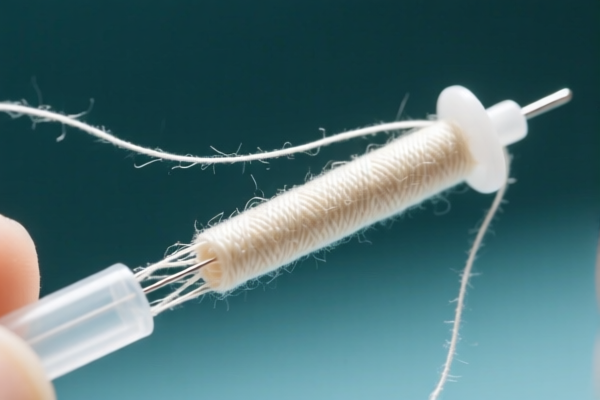
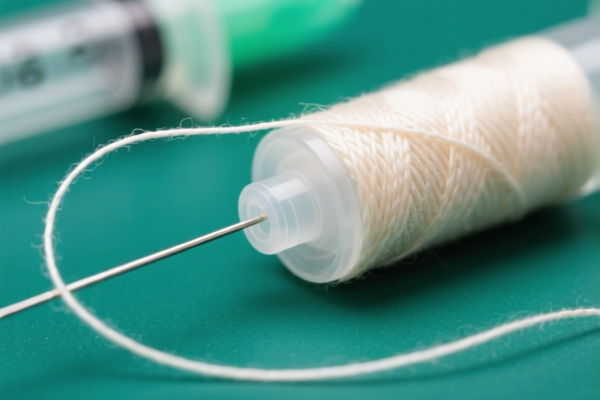
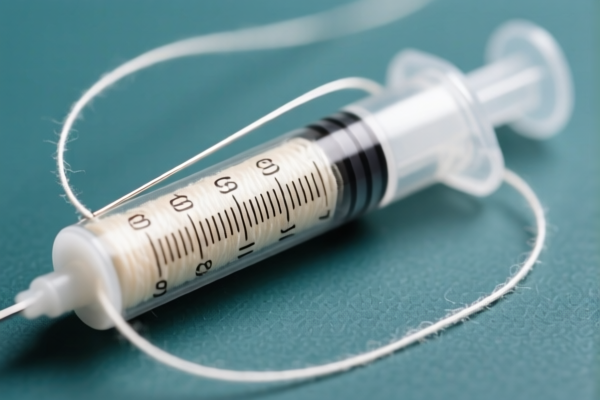
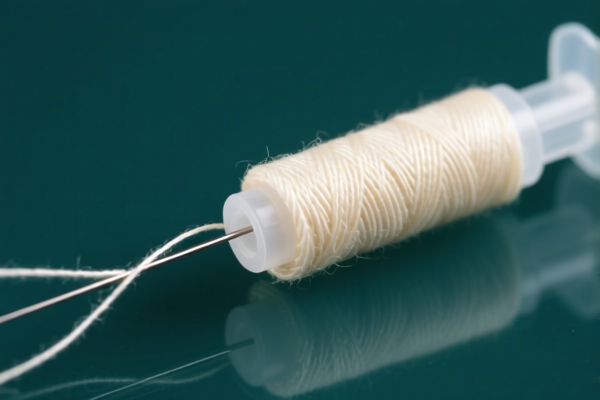
AI分析
🧵 Catgut Yarn for Sewing (Natural Surgical & Decorative Sutures)
🌐 HS Code Reference & Customs Clearance Guide | 2026 Latest Tariff Analysis | Professional Clearance Strategy
📌 One Product, Two Destinies: Medical vs. Decorative!
Catgut yarn, derived from natural animal intestines (typically sheep or cattle), is a unique biological material. In international trade, its classification depends entirely on its intended use. It is split into two distinct categories:
Medical Catgut (Surgical Sutures): Sterile, packaged for surgical use, intended to be absorbed by the body.
Decorative/Industrial Catgut: Used for crafts, musical instrument strings, or general decoration, not for human implantation.
⚠️ Key Distinction Point:
- If intended for surgery/hospital use (sutures, ligatures) → Classified under Chapter 30 (Pharmaceuticals)
- If intended for crafts/decoration (embroidery, binding, non-medical) → Classified under Chapter 42 (Articles of Leather; ...) or Chapter 56 (Cords, Ropes, Cables...)
📦 II. HS Code Classification Matrix (2026 Latest Tariff Authoritative Comparison)
| HS Code | Product Description | Application Scenario | Material Nature |
|---|---|---|---|
3005.90.50.90 |
Natural Catgut Surgical Sutures | Medical surgical procedures, bio-absorbable | ✅ Medical/Pharmaceutical |
3005.90.10.00 |
Catgut Sutures with Gauze/Bandages | Surgical kits including swabs/bandages | ✅ Medical/Pharmaceutical |
4206.00.19.30 |
Catgut for Decorative Use | General crafts, binding, other miscellaneous items | ❌ Non-Medical/General |
4206.00.19.10 |
Catgut Thread for Decoration | Thread-like, gut material, decorative purpose | ❌ Non-Medical/Thread |
5609.00.40.00 |
Catgut Cords for Decoration | Animal fiber/cordage, decorative ropes/tapestries | ❌ Non-Medical/Cordage |
🔍 Key Reminder:
- All medical sutures (sterile, surgical) must be declared under Chapter 30. Misclassifying them as decorative goods can lead to severe penalties due to lack of medical device permits. - If the catgut is not sterile and intended for crafts, music, or decoration, it falls under Chapter 42 or Chapter 56.
💰 III. 2026 Latest Tariff Rate Details (Including Surcharges & Policy Add-ons)
✅ Applicable Country: United States (US)
✅ Origin: China (CN)
✅ Effective Date: From November 10, 2025 (including subsequent imports)
🎯 1. 3005.90.50.90 —— Natural Catgut Surgical Sutures (Medical Use)
| Item | Content |
|---|---|
| Base Tariff | 0% (ad valorem) |
| USITC Additional Tariff | 0% (No Section 301 additional duty for this specific medical subheading) |
| IEEPA Section 122 Tariff | +10% (Specific provision for this category) |
| Total Tax Rate | 10.0% |
| Tax Calculation | CIF Value × 10% |
| De Minimis Eligibility | ❌ Not Applicable (Medical goods are strictly controlled) |
| Legal Basis Path | IEEPA:Section 122 → USITC:3005.90.50.90 |
📌 Explanation:
- The 10% tariff is imposed under Section 122 of the Trade Act, which allows the President to adjust duties for national security purposes. - Base rate is 0%, so only the 10% surcharge applies. - Crucial: Ensure the product is clearly labeled as "Sterile Surgical Sutures" to justify Chapter 30 classification.
🎯 2. 3005.90.10.00 —— Catgut Sutures with Gauze/Bandages (Medical Use)
| Item | Content |
|---|---|
| Base Tariff | 0% |
| USITC Additional Tariff | 0% |
| IEEPA Section 122 Tariff | +10% |
| Total Tax Rate | 10.0% |
| Tax Calculation | CIF Value × 10% |
| De Minimis Eligibility | ❌ Not Applicable |
| Legal Basis Path | IEEPA:Section 122 → USITC:3005.90.10.00 |
📌 Note:
- Same tax structure as plain sutures. - If the product is sold as a kit (suture + gauze), it may fall under this code or3005.90.50.90depending on the primary character. Consult a customs broker for kit-based classifications.
🎯 3. 4206.00.19.30 —— Catgut for Decorative Use (General Article)
| Item | Content |
|---|---|
| Base Tariff | 3.9% |
| USITC Additional Tariff | 0% |
| IEEPA Section 122 Tariff | +10% |
| Total Tax Rate | 13.9% |
| Tax Calculation | CIF Value × 13.9% |
| De Minimis Eligibility | ⚠️ Check Eligibility (Subject to de minimis rules if value < $800) |
| Legal Basis Path | IEEPA:Section 122 → USITC:4206.00.19.30 |
📌 Explanation:
- This code is for non-medical catgut used in crafts, binding, or general "other articles." - The 3.9% base tariff applies because it is not a finished medical device. - Total 13.9% is significantly lower than the 38.9% for cordage (see below), so accurate description is key.
🎯 4. 4206.00.19.10 —— Catgut Thread for Decoration (Thread-like)
| Item | Content |
|---|---|
| Base Tariff | 3.9% |
| USITC Additional Tariff | 0% |
| IEEPA Section 122 Tariff | +10% |
| Total Tax Rate | 13.9% |
| Tax Calculation | CIF Value × 13.9% |
| De Minimis Eligibility | ⚠️ Check Eligibility |
| Legal Basis Path | IEEPA:Section 122 → USITC:4206.00.19.10 |
📌 Note:
- Similar to4206.00.19.30, but specifically for thread-like products. - If the catgut is processed into a yarn or thread for embroidery or decorative sewing, use this code.
🎯 5. 5609.00.40.00 —— Catgut Cords for Decoration (Cordage)
| Item | Content |
|---|---|
| Base Tariff | 3.9% |
| USITC Additional Tariff | +25% (Section 301) |
| IEEPA Section 122 Tariff | +10% |
| Total Tax Rate | 38.9% |
| Tax Calculation | CIF Value × 38.9% |
| De Minimis Eligibility | ❌ Not Eligible (Due to Section 301) |
| Legal Basis Path | IEEPA:Section 122 → IEEPA:9903.88.01 (Section 301) → USITC:5609.00.40.00 |
📌 Warning:
- This is the highest tax rate in the dataset. - Applies to cords, ropes, or cables made from animal fibers (including catgut) for decorative purposes. - The 25% Section 301 tariff is added on top of the 3.9% base and 10% Section 122 tariff. - Avoid this classification if possible by using Chapter 42 codes if the product is thread-like rather than cord-like.
🛠️ IV. Customs Clearance Practical Advice (Pitfall Avoidance Guide)
✅ 1. Essential Documentation Checklist
| Document | Must Provide | Explanation |
|---|---|---|
| ✅ Product Specification Sheet | ✔️ | Clearly state: "Natural Catgut," "Sterile/Non-Sterile," "Intended Use: Surgical/Craft" |
| ✅ Certificate of Free Sale | ✔️ | For medical catgut, prove it is legally sold in the country of origin |
| ✅ FDA Registration Number | ✔️ | If imported as medical device (Chapter 30), FDA approval is mandatory |
| ✅ Material Declaration | ✔️ | Confirm origin of animal intestine (sheep/cattle) and processing method |
| ✅ Commercial Invoice | ✔️ | Accurately describe as "Surgical Suture" OR "Decorative Catgut Thread" |
| ✅ Packing List | ✔️ | Detail packaging type (sterile blister packs vs. bulk spools) |
✅ 2. Declaration Tips (Key Mantras)
🔥 "Medical Needs FDA, Decorative Needs Chapter 42, Cordage is Expensive!"
| Scenario | Correct Declaration | Mistake to Avoid |
|---|---|---|
| Surgical Sutures | 3005.90.50.90 |
Declaring as "Decorative Thread" → FDA Violation |
| Craft Catgut Thread | 4206.00.19.10 |
Declaring as "Cord/Rope" → 38.9% Tax instead of 13.9% |
| Catgut Rope | 5609.00.40.00 |
Declaring as "Thread" → Misclassification Risk |
| Suture Kit | 3005.90.10.00 or 3005.90.50.90 |
Splitting items → Complex Clearance |
✅ 3. Special Cases
| Case | Handling Advice |
|---|---|
| Bio-absorbable Sutures | Must prove sterility and surgical intent. Provide FDA 510(k) clearance number. |
| Non-Sterile Catgut | Cannot be imported as medical. Must declare as decorative/craft (4206.00.19.30/10). |
| Musical Instrument Strings | If made from catgut, may still fall under Chapter 92 (Musical Instruments) or Chapter 42 depending on structure. Check specific heading for strings. |
| Bulk vs. Retail | Bulk catgut for further processing may have different duty implications. Provide end-use certificate. |
🌍 V. Global Market Clearance Comparison (2026 Latest)
| Country/Region | Recommended HS Code | Tariff (China Origin) | Certification Requirements | Remarks |
|---|---|---|---|---|
| 🇺🇸 USA | 3005.90.50.90 (Medical) |
10% | FDA + Section 122 Compliance | High scrutiny on medical goods |
| 🇺🇸 USA | 4206.00.19.10 (Craft) |
13.9% | None specific | Lower tax than cordage |
| 🇨🇳 China | 3005.90.50.90 |
0% | NMPA (China FDA) | Free trade within China |
| 🇪🇺 EU | 3005.90 |
0% (if compliant) | CE Mark + MDR/IVDR | Strict medical device regulations |
| 🇬🇧 UK | 3005.90 |
0% | MHRA Approval | Post-Brexit standards apply |
📌 Conclusion:
- USA applies Section 122 tariffs (10%) for medical catgut and Section 301 (25%) for decorative cordage. - Medical classification requires FDA approval, which is a high barrier to entry. - Decorative classification is cheaper and easier but must avoid medical claims.
📌 VI. Common Errors & Pitfall Guide (Lessons from Experience)
❌ Error 1: Importing non-sterile catgut as surgical sutures
👉 Consequence: FDA Detention, fines, or deportation.
👉 Solution: Clearly label as "For Craft Use Only" and classify under Chapter 42.
❌ Error 2: Declaring thread-like catgut as cord/rope
👉 Consequence: 38.9% tax instead of 13.9%.
👉 Solution: Use 4206.00.19.10 for thread/yarn, not 5609.00.40.00.
❌ Error 3: Missing sterility certification for medical catgut
👉 Consequence: Customs holds, inability to clear.
👉 Solution: Provide ISO 11607 and FDA 510(k) documentation.
❌ Error 4: Vague product description ("Catgut Yarn")
👉 Consequence: Customs officer discretion → May default to highest duty rate or request more docs.
👉 Solution: Be specific: "Sterile Surgical Suture, 0 Vicryl, Catgut" OR "Non-sterile Catgut Thread, Craft Use."
✅ Correct Declaration Example:
"Natural Catgut Surgical Sutures, Sterile, Size 3-0, for Internal Tissue Approximation, FDA Cleared, Class II Medical Device"
🎯 VII. Conclusion: Precise Classification Saves Money & Time!
🎯 Remember the Mantra:
🔹 "Medical = FDA + 10%, Craft = Chapter 42 + 13.9%, Cord = 38.9% (Avoid!)"
🔹 "Sterile means Surgical, Non-sterile means Craft, Misclassification means Trouble!"
📌 Pro Tip:
If your catgut is produced in Vietnam, Mexico, or India, you may be eligible for FTA benefits (e.g., USMCA, India-US trade agreements), potentially reducing or eliminating Section 122/301 tariffs.
Always apply for Advance Rulings if unsure about classification.
📣 Immediate Action:
📞 Consult a Customs Broker + Provide Product Samples + Apply for FDA/Pre-Ruling
🚀 Ensure your catgut, clears smoothly, saves costs, and reaches the market efficiently!
✨ Professional Clearance Starts with Accurate Classification!
💼 Every Dollar of Duty Matters!
用户评价
关于 HS 编码归类
协调制度(HS)是由世界海关组织(WCO)制定的国际贸易商品分类标准。全球 200 多个国家采用 HS 系统作为海关关税、贸易统计和进出口监管的基础。
每个 HS 编码遵循以下层级结构:
- 章(2 位)——商品大类(例如:第 84 章:机器和机械设备)
- 品目(4 位)——章内的更具体分类
- 子目(6 位)——国际通用细分,所有 WCO 成员国统一使用
- 本国细分(8-10 位)——各国自行扩展的细分编码,如美国 HTSUS 10 位编码
正确的 HS 编码归类对于顺利通关、准确缴纳关税和遵守贸易法规至关重要。错误归类可能导致海关延误、多缴关税或罚款。
从CN进口到US时,适用的关税税率可能包括:
- 最惠国(MFN)税率——适用于 WTO 成员国的标准关税税率
- 普通税率——适用于无贸易协定国家
- 贸易救济关税——附加关税,如 301 条款(反倾销)、232 条款(国家安全)或反补贴税
本页内容仅供参考。如需正式归类,请咨询当地海关或持牌报关代理。