chocolate molds
CN → US| HS编码 | 关税税率 | 原产国 | 目的国 | 文档 |
|---|---|---|---|---|
| 7323915020 | 15.3% | CN | US | 官方文档 |
| 3924102000 | 24.0% | CN | US | 官方文档 |
| 7323930035 | 62.0% | CN | US | 官方文档 |
| 6912004890 | 19.8% | CN | US | 官方文档 |
| 6912004810 | 19.8% | CN | US | 官方文档 |
商品图片
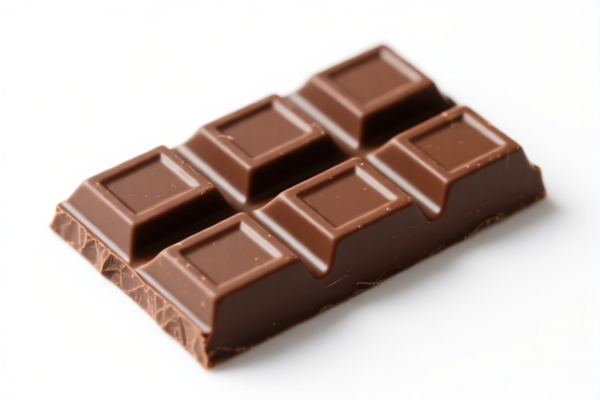
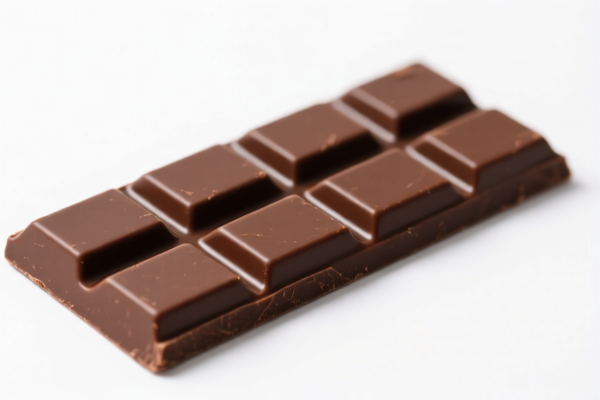
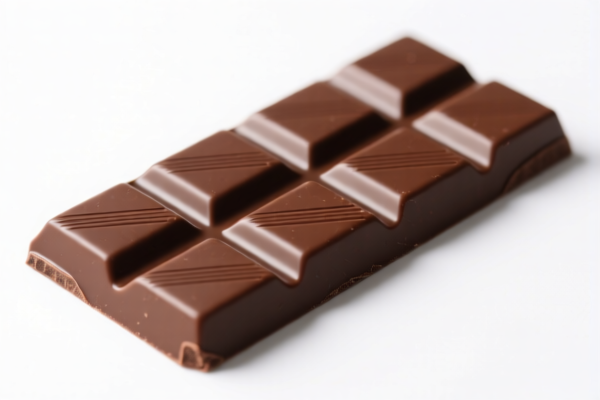
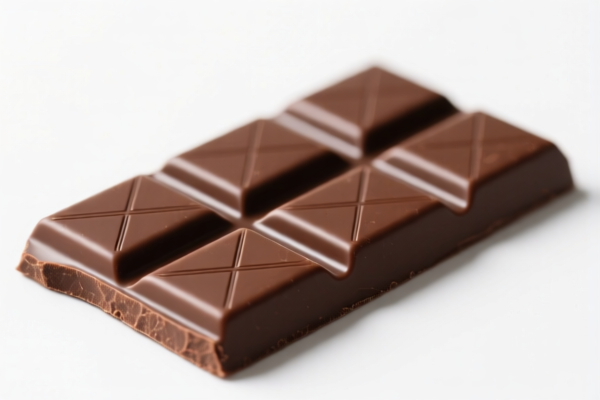
AI分析
🍫 Chocolate Molds (Culinary Tools for Confectionery)
🌐 HS Code Reference & Customs Clearance Guide | 2026 Latest Tariff Analysis | Professional Strategy for Low-Tax Clearance
📌 I. Product Definition & Classification: Material is King!
Chocolate molds are specialized kitchenware used for shaping chocolates, candies, and desserts. In international trade, the classification depends entirely on the raw material. Misclassifying based on function alone (rather than material) can lead to massive tax discrepancies.
The data categorizes these into three main material buckets: 1. Cast Iron/Steel → Baking Utensils (HS 7323) 2. Plastic/Silicone → Kitchen Appliances/Utensils (HS 3924) 3. Porcelain/Ceramic (Fallback) → General Kitchenware (HS 6912)
⚠️ Critical Distinction:
- Metal (Iron/Steel): Classify under 7323. Warning: Stainless Steel attracts a massive 50% punitive tariff.
- Plastic/Silicone: Classify under 3924. Note: Higher base tax but lower punitive rates.
- Ceramic/Porcelain: Classify under 6912. Use as a fallback if non-porcelain materials fail inspection.
📦 II. HS Code Classification Details (2026 Authority Match)
| HS Code | Product Description | Material | Category | Key Risk Factor |
|---|---|---|---|---|
7323.91.50.20 |
Chocolate Molds (Baking Utensils) | Cast Iron / Metal | Baking Utensils | Moderate Tax |
3924.10.20.00 |
Chocolate Molds (Kitchen Utensils) | Plastic / Silicone | Kitchen Utensils | Base Tax 6.5% |
7323.93.00.35 |
Chocolate Molds (Baking Utensils) | Stainless Steel / Metal | Baking Utensils | ⚠️ EXTREME TAX (Steel/Alu/Cu +50%) |
6912.00.48.90 |
Chocolate Molds (Fallback Kitchenware) | Ceramic / Non-Porcelain Mix | General Kitchenware | Safe Fallback |
6912.00.48.10 |
Chocolate Molds (Non-Porcelain Utensils) | Metal / Silicone (Non-Porcelain) | Non-Porcelain Utensils | Safe Fallback |
🔍 重点提醒 (Key Takeaways):
- Avoid7323.93.00.35(Stainless Steel) if possible! The tax detail explicitly states: "Steel, Aluminum, Copper products add 50% tariff." This leads to a 62.0% total tax rate.
-7323.91.50.20(Cast Iron) is a safer metal option with 15.3% total tax.
-3924.10.20.00(Plastic/Silicone) has a 24.0% total tax.
-6912.xx.xx(Ceramic/Fallback) has a 19.8% total tax. Use this if you cannot prove the specific metal/plastic subtype clearly, but be prepared for scrutiny.
💰 III. 2026 Latest Tariff Rate Breakdown (Including Surcharges)
✅ Applicable Country: United States (US)
✅ Origin: China (CN)
✅ Effective Date: Post-2025 Policies (Section 122 & 301 Tariffs)
🎯 1. 7323.91.50.20 —— Cast Iron/Metal Molds (Best Metal Option)
| Item | Content |
|---|---|
| Base Tariff | 5.3% |
| Trade War Surtax (301) | 0.0% |
| Section 122 Tariff | +10% |
| Total Tax Rate | 15.3% |
| Calculation | CIF Value × 15.3% |
| De Minimis Exemption | ❌ No (Deny) |
📌 Explanation:
- This is the lowest tax option for metal molds.
- It avoids the 301 surtax (0.0%) and only incurs the Section 122 10% tariff.
- Strategy: Use Cast Iron or generic "Metal" if you can avoid "Stainless Steel."
🎯 2. 3924.10.20.00 —— Plastic/Silicone Molds (Common Retail Item)
| Item | Content |
|---|---|
| Base Tariff | 6.5% |
| Trade War Surtax (301) | +7.5% |
| Section 122 Tariff | +10% |
| Total Tax Rate | 24.0% |
| Calculation | CIF Value × 24.0% |
| De Minimis Exemption | ❌ No (Deny) |
📌 Explanation:
- Plastic and Silicone are common for home bakers.
- The tax is higher than Cast Iron (15.3%) due to the 7.5% trade war surtax.
- Strategy: Competitive for high-volume, low-cost plastic goods, but ensure material composition is strictly Plastic/Silicone.
🎯 3. 7323.93.00.35 —— Stainless Steel Molds (🚨 AVOID)
| Item | Content |
|---|---|
| Base Tariff | 2.0% |
| Trade War Surtax (301) | 0.0% |
| Section 122 Tariff | +10% |
| Special Metal Surcharge | +50% (Steel/Alu/Cu) |
| Total Tax Rate | 62.0% |
| Calculation | CIF Value × 62.0% |
| De Minimis Exemption | ❌ No (Deny) |
📌 Explanation:
- DO NOT USE THIS CODE FOR COMMERCIAL CLEARANCE unless unavoidable.
- The 50% surcharge for "Steel, Aluminum, Copper" makes this extremely expensive.
- Even though the base tariff is low (2.0%), the punitive measure destroys profitability.
🎯 4. 6912.00.48.90 & 6912.00.48.10 —— Ceramic/Fallback Molds
| Item | Content |
|---|---|
| Base Tariff | 9.8% |
| Trade War Surtax (301) | 0.0% |
| Section 122 Tariff | +10% |
| Total Tax Rate | 19.8% |
| Calculation | CIF Value × 19.8% |
| De Minimis Exemption | ❌ No (Deny) |
📌 Explanation:
- These codes serve as a "catch-all" for kitchen utensils that don't fit neatly into the specific metal or plastic categories, or for Porcelain/Ceramic molds.
- 19.8% is a middle-ground rate.
- Strategy: Useful if your product is a hybrid material or if you are unsure of the exact metal type (e.g., coated metal) but want to avoid the 62% steel penalty.
🛠️ IV. Customs Clearance Practical Advice (Pitfall Avoidance Guide)
✅ 1. Preparation Checklist (Must-Have Documents)
| Document | Required | Purpose |
|---|---|---|
| ✅ Material Composition Report | ✔️ | Crucial! Must specify if it is Cast Iron, Stainless Steel, Plastic, or Silicone. |
| ✅ Product Photos | ✔️ | Clear images showing texture (metallic vs. plastic vs. ceramic). |
| ✅ Commercial Invoice | ✔️ | Description must match the HS Code material (e.g., "Cast Iron Chocolate Mold"). |
| ✅ Origin Certificate | ✔️ | To confirm China origin (for 122/301 tariff application). |
✅ 2. Declaration Tips (The "Golden Rules")
🔥 Mantra: "Material Defines HS, Steel Traps Tax, Cast Iron Wins!"
| Scenario | Correct Declaration | Wrong Action | Consequence |
|---|---|---|---|
| Stainless Steel Mold | Try to re-classify as 7323.91.50.20 (if permissible by structure) or accept 62%. |
Declare as "Plastic" when it's Metal. | Fraud/Seizure. If caught, penalty + back taxes. |
| Silicone Mold | 3924.10.20.00 |
Declare as "Ceramic." | Customs lab test will reveal silicone → Fine for misclassification. |
| Cast Iron Mold | 7323.91.50.20 |
Declare as "Stainless Steel." | Tax jumps from 15.3% to 62.0%. |
| Mixed Material | Use 6912.00.48.90 (19.8%) as a safe fallback. |
Split shipment incorrectly. | Delays and potential disallowance. |
✅ 3. Special Circumstances
| Situation | Handling Advice |
|---|---|
| Coated Metal Molds | If coated with silicone/plastic, argue for 3924.10.20.00 (Plastic) or 6912 (19.8%) to avoid the 50% steel surcharge. Provide coating thickness proof. |
| Porcelain/Ceramic Molds | Use 6912.00.48.90. Ensure the product is truly ceramic/porcelain. |
| Small Gifts/Samples | Still subject to Section 122. No De Minimis exemption for these HS codes from China. |
🌍 V. Global Market Comparison (2026 Update)
| Market | Recommended HS Code | Est. Total Tax | Notes |
|---|---|---|---|
| 🇺🇸 USA | 7323.91.50.20 (Cast Iron) |
15.3% | Best for Metal. Avoid Stainless (62%). |
| 🇺🇸 USA | 3924.10.20.00 (Plastic) |
24.0% | Good for Silicone/Home Baking. |
| 🇪🇺 EU | 7323.91.50.20 |
~5-7% | EU generally has lower punitive tariffs than US. |
| 🇨🇳 China | 7323.91.50.20 |
~10-15% | Check latest import duties for re-export. |
📌 Conclusion:
- The US market is the most punitive for metal goods from China.
- Cast Iron (7323.91.50.20) is the optimal choice for metal molds (15.3%).
- Stainless Steel (7323.93.00.35) is a profit-killer (62.0%).
- Silicone/Plastic (3924.10.20.00) is a viable alternative (24.0%) with no punitive metal surcharge.
📌 VI. Common Errors & Pitfalls (Lessons Learned)
❌ Error 1: Declaring Stainless Steel molds as 7323.91.50.20.
👉 Result: Customs lab test identifies Steel → Reclassification to 7323.93.00.35 → Tax jumps from 15.3% to 62.0%.
❌ Error 2: Declaring Silicone molds as 6912 (Ceramic).
👉 Result: Customs may accept it (19.8% vs 24.0%), but if audited, you face penalties for falsifying material. Better to use 3924.
❌ Error 3: Ignoring the 122 Tariff.
👉 Result: All these HS codes include a 10% Section 122 tariff. Failing to budget for this leads to cash flow issues.
❌ Error 4: Assuming De Minimis applies.
👉 Result: These goods do not qualify for de minimis exemption from China. Every shipment is taxed.
✅ Correct Strategy:
"Specify Material Clearly: 'Cast Iron Chocolate Mold' for 15.3% tax. Avoid 'Stainless Steel' unless necessary. Use 'Silicone' for 24.0% if Cast Iron is not feasible."
🎯 VII. Conclusion: Smart Classification Saves Money!
🎯 Remember the Rule:
🔹 "Cast Iron is Cheap (15.3%), Stainless is Death (62%), Silicone is Middle (24%)."
🔹 "Material matters more than function in US Customs."
📌 Pro Tip:
If you manufacture Chocolate Molds, consider sourcing Cast Iron tools or Silicone tools to minimize US import duties. Avoid Stainless Steel for the US market unless your margin can absorb a 62% tax hit.
📣 Action Now:
📞 Consult your freight forwarder to verify the exact material breakdown.
🚀 Optimize your product line to favor7323.91.50.20(Cast Iron) or3924.10.20.00(Silicone) for the US market.
✨ Professional Clearance, Precise Classification, Higher Profits!
💼 Your Cost Structure Starts with the Right HS Code!
用户评价
关于 HS 编码归类
协调制度(HS)是由世界海关组织(WCO)制定的国际贸易商品分类标准。全球 200 多个国家采用 HS 系统作为海关关税、贸易统计和进出口监管的基础。
每个 HS 编码遵循以下层级结构:
- 章(2 位)——商品大类(例如:第 84 章:机器和机械设备)
- 品目(4 位)——章内的更具体分类
- 子目(6 位)——国际通用细分,所有 WCO 成员国统一使用
- 本国细分(8-10 位)——各国自行扩展的细分编码,如美国 HTSUS 10 位编码
正确的 HS 编码归类对于顺利通关、准确缴纳关税和遵守贸易法规至关重要。错误归类可能导致海关延误、多缴关税或罚款。
从CN进口到US时,适用的关税税率可能包括:
- 最惠国(MFN)税率——适用于 WTO 成员国的标准关税税率
- 普通税率——适用于无贸易协定国家
- 贸易救济关税——附加关税,如 301 条款(反倾销)、232 条款(国家安全)或反补贴税
本页内容仅供参考。如需正式归类,请咨询当地海关或持牌报关代理。