chocolate molds
CN → US| HS Code | Tariff Rate | Origin | Destination | Doc |
|---|---|---|---|---|
| 7323915020 | 15.3% | CN | US | Official Doc |
| 3924102000 | 24.0% | CN | US | Official Doc |
| 7323930035 | 62.0% | CN | US | Official Doc |
| 6912004890 | 19.8% | CN | US | Official Doc |
| 6912004810 | 19.8% | CN | US | Official Doc |
Product Images

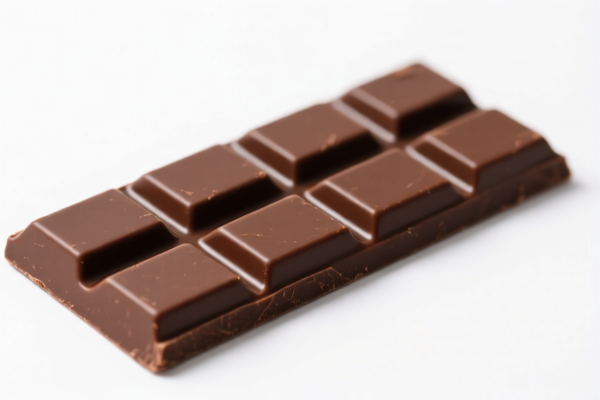


AI Analysis
🍫 Chocolate Molds (Culinary Tools for Confectionery)
🌐 HS Code Reference & Customs Clearance Guide | 2026 Latest Tariff Analysis | Professional Strategy for Low-Tax Clearance
📌 I. Product Definition & Classification: Material is King!
Chocolate molds are specialized kitchenware used for shaping chocolates, candies, and desserts. In international trade, the classification depends entirely on the raw material. Misclassifying based on function alone (rather than material) can lead to massive tax discrepancies.
The data categorizes these into three main material buckets: 1. Cast Iron/Steel → Baking Utensils (HS 7323) 2. Plastic/Silicone → Kitchen Appliances/Utensils (HS 3924) 3. Porcelain/Ceramic (Fallback) → General Kitchenware (HS 6912)
⚠️ Critical Distinction:
- Metal (Iron/Steel): Classify under 7323. Warning: Stainless Steel attracts a massive 50% punitive tariff.
- Plastic/Silicone: Classify under 3924. Note: Higher base tax but lower punitive rates.
- Ceramic/Porcelain: Classify under 6912. Use as a fallback if non-porcelain materials fail inspection.
📦 II. HS Code Classification Details (2026 Authority Match)
| HS Code | Product Description | Material | Category | Key Risk Factor |
|---|---|---|---|---|
7323.91.50.20 |
Chocolate Molds (Baking Utensils) | Cast Iron / Metal | Baking Utensils | Moderate Tax |
3924.10.20.00 |
Chocolate Molds (Kitchen Utensils) | Plastic / Silicone | Kitchen Utensils | Base Tax 6.5% |
7323.93.00.35 |
Chocolate Molds (Baking Utensils) | Stainless Steel / Metal | Baking Utensils | ⚠️ EXTREME TAX (Steel/Alu/Cu +50%) |
6912.00.48.90 |
Chocolate Molds (Fallback Kitchenware) | Ceramic / Non-Porcelain Mix | General Kitchenware | Safe Fallback |
6912.00.48.10 |
Chocolate Molds (Non-Porcelain Utensils) | Metal / Silicone (Non-Porcelain) | Non-Porcelain Utensils | Safe Fallback |
🔍 重点提醒 (Key Takeaways):
- Avoid7323.93.00.35(Stainless Steel) if possible! The tax detail explicitly states: "Steel, Aluminum, Copper products add 50% tariff." This leads to a 62.0% total tax rate.
-7323.91.50.20(Cast Iron) is a safer metal option with 15.3% total tax.
-3924.10.20.00(Plastic/Silicone) has a 24.0% total tax.
-6912.xx.xx(Ceramic/Fallback) has a 19.8% total tax. Use this if you cannot prove the specific metal/plastic subtype clearly, but be prepared for scrutiny.
💰 III. 2026 Latest Tariff Rate Breakdown (Including Surcharges)
✅ Applicable Country: United States (US)
✅ Origin: China (CN)
✅ Effective Date: Post-2025 Policies (Section 122 & 301 Tariffs)
🎯 1. 7323.91.50.20 —— Cast Iron/Metal Molds (Best Metal Option)
| Item | Content |
|---|---|
| Base Tariff | 5.3% |
| Trade War Surtax (301) | 0.0% |
| Section 122 Tariff | +10% |
| Total Tax Rate | 15.3% |
| Calculation | CIF Value × 15.3% |
| De Minimis Exemption | ❌ No (Deny) |
📌 Explanation:
- This is the lowest tax option for metal molds.
- It avoids the 301 surtax (0.0%) and only incurs the Section 122 10% tariff.
- Strategy: Use Cast Iron or generic "Metal" if you can avoid "Stainless Steel."
🎯 2. 3924.10.20.00 —— Plastic/Silicone Molds (Common Retail Item)
| Item | Content |
|---|---|
| Base Tariff | 6.5% |
| Trade War Surtax (301) | +7.5% |
| Section 122 Tariff | +10% |
| Total Tax Rate | 24.0% |
| Calculation | CIF Value × 24.0% |
| De Minimis Exemption | ❌ No (Deny) |
📌 Explanation:
- Plastic and Silicone are common for home bakers.
- The tax is higher than Cast Iron (15.3%) due to the 7.5% trade war surtax.
- Strategy: Competitive for high-volume, low-cost plastic goods, but ensure material composition is strictly Plastic/Silicone.
🎯 3. 7323.93.00.35 —— Stainless Steel Molds (🚨 AVOID)
| Item | Content |
|---|---|
| Base Tariff | 2.0% |
| Trade War Surtax (301) | 0.0% |
| Section 122 Tariff | +10% |
| Special Metal Surcharge | +50% (Steel/Alu/Cu) |
| Total Tax Rate | 62.0% |
| Calculation | CIF Value × 62.0% |
| De Minimis Exemption | ❌ No (Deny) |
📌 Explanation:
- DO NOT USE THIS CODE FOR COMMERCIAL CLEARANCE unless unavoidable.
- The 50% surcharge for "Steel, Aluminum, Copper" makes this extremely expensive.
- Even though the base tariff is low (2.0%), the punitive measure destroys profitability.
🎯 4. 6912.00.48.90 & 6912.00.48.10 —— Ceramic/Fallback Molds
| Item | Content |
|---|---|
| Base Tariff | 9.8% |
| Trade War Surtax (301) | 0.0% |
| Section 122 Tariff | +10% |
| Total Tax Rate | 19.8% |
| Calculation | CIF Value × 19.8% |
| De Minimis Exemption | ❌ No (Deny) |
📌 Explanation:
- These codes serve as a "catch-all" for kitchen utensils that don't fit neatly into the specific metal or plastic categories, or for Porcelain/Ceramic molds.
- 19.8% is a middle-ground rate.
- Strategy: Useful if your product is a hybrid material or if you are unsure of the exact metal type (e.g., coated metal) but want to avoid the 62% steel penalty.
🛠️ IV. Customs Clearance Practical Advice (Pitfall Avoidance Guide)
✅ 1. Preparation Checklist (Must-Have Documents)
| Document | Required | Purpose |
|---|---|---|
| ✅ Material Composition Report | ✔️ | Crucial! Must specify if it is Cast Iron, Stainless Steel, Plastic, or Silicone. |
| ✅ Product Photos | ✔️ | Clear images showing texture (metallic vs. plastic vs. ceramic). |
| ✅ Commercial Invoice | ✔️ | Description must match the HS Code material (e.g., "Cast Iron Chocolate Mold"). |
| ✅ Origin Certificate | ✔️ | To confirm China origin (for 122/301 tariff application). |
✅ 2. Declaration Tips (The "Golden Rules")
🔥 Mantra: "Material Defines HS, Steel Traps Tax, Cast Iron Wins!"
| Scenario | Correct Declaration | Wrong Action | Consequence |
|---|---|---|---|
| Stainless Steel Mold | Try to re-classify as 7323.91.50.20 (if permissible by structure) or accept 62%. |
Declare as "Plastic" when it's Metal. | Fraud/Seizure. If caught, penalty + back taxes. |
| Silicone Mold | 3924.10.20.00 |
Declare as "Ceramic." | Customs lab test will reveal silicone → Fine for misclassification. |
| Cast Iron Mold | 7323.91.50.20 |
Declare as "Stainless Steel." | Tax jumps from 15.3% to 62.0%. |
| Mixed Material | Use 6912.00.48.90 (19.8%) as a safe fallback. |
Split shipment incorrectly. | Delays and potential disallowance. |
✅ 3. Special Circumstances
| Situation | Handling Advice |
|---|---|
| Coated Metal Molds | If coated with silicone/plastic, argue for 3924.10.20.00 (Plastic) or 6912 (19.8%) to avoid the 50% steel surcharge. Provide coating thickness proof. |
| Porcelain/Ceramic Molds | Use 6912.00.48.90. Ensure the product is truly ceramic/porcelain. |
| Small Gifts/Samples | Still subject to Section 122. No De Minimis exemption for these HS codes from China. |
🌍 V. Global Market Comparison (2026 Update)
| Market | Recommended HS Code | Est. Total Tax | Notes |
|---|---|---|---|
| 🇺🇸 USA | 7323.91.50.20 (Cast Iron) |
15.3% | Best for Metal. Avoid Stainless (62%). |
| 🇺🇸 USA | 3924.10.20.00 (Plastic) |
24.0% | Good for Silicone/Home Baking. |
| 🇪🇺 EU | 7323.91.50.20 |
~5-7% | EU generally has lower punitive tariffs than US. |
| 🇨🇳 China | 7323.91.50.20 |
~10-15% | Check latest import duties for re-export. |
📌 Conclusion:
- The US market is the most punitive for metal goods from China.
- Cast Iron (7323.91.50.20) is the optimal choice for metal molds (15.3%).
- Stainless Steel (7323.93.00.35) is a profit-killer (62.0%).
- Silicone/Plastic (3924.10.20.00) is a viable alternative (24.0%) with no punitive metal surcharge.
📌 VI. Common Errors & Pitfalls (Lessons Learned)
❌ Error 1: Declaring Stainless Steel molds as 7323.91.50.20.
👉 Result: Customs lab test identifies Steel → Reclassification to 7323.93.00.35 → Tax jumps from 15.3% to 62.0%.
❌ Error 2: Declaring Silicone molds as 6912 (Ceramic).
👉 Result: Customs may accept it (19.8% vs 24.0%), but if audited, you face penalties for falsifying material. Better to use 3924.
❌ Error 3: Ignoring the 122 Tariff.
👉 Result: All these HS codes include a 10% Section 122 tariff. Failing to budget for this leads to cash flow issues.
❌ Error 4: Assuming De Minimis applies.
👉 Result: These goods do not qualify for de minimis exemption from China. Every shipment is taxed.
✅ Correct Strategy:
"Specify Material Clearly: 'Cast Iron Chocolate Mold' for 15.3% tax. Avoid 'Stainless Steel' unless necessary. Use 'Silicone' for 24.0% if Cast Iron is not feasible."
🎯 VII. Conclusion: Smart Classification Saves Money!
🎯 Remember the Rule:
🔹 "Cast Iron is Cheap (15.3%), Stainless is Death (62%), Silicone is Middle (24%)."
🔹 "Material matters more than function in US Customs."
📌 Pro Tip:
If you manufacture Chocolate Molds, consider sourcing Cast Iron tools or Silicone tools to minimize US import duties. Avoid Stainless Steel for the US market unless your margin can absorb a 62% tax hit.
📣 Action Now:
📞 Consult your freight forwarder to verify the exact material breakdown.
🚀 Optimize your product line to favor7323.91.50.20(Cast Iron) or3924.10.20.00(Silicone) for the US market.
✨ Professional Clearance, Precise Classification, Higher Profits!
💼 Your Cost Structure Starts with the Right HS Code!
Customer Reviews
About HS Code Classification
The Harmonized System (HS) is an internationally standardized nomenclature developed by the World Customs Organization (WCO) to classify traded products. Over 200 countries use the HS system as the basis for customs tariffs, trade statistics, and import/export regulations.
Each HS code follows a hierarchical structure:
- Chapter (2 digits) — Broad category of goods (e.g., Chapter 84: Machinery and Mechanical Appliances)
- Heading (4 digits) — More specific grouping within the chapter
- Subheading (6 digits) — Internationally standardized breakdown, used by all WCO member countries
- National subdivisions (8-10 digits) — Country-specific extensions for further classification, such as US HTSUS 10-digit codes
Correct HS code classification is essential for smooth customs clearance, accurate duty payment, and compliance with trade regulations. Misclassification can lead to customs delays, overpayment of duties, or penalties.
When importing from CN to US, the applicable tariff rates may include:
- Most-Favored-Nation (MFN) rate — The standard duty rate applied to WTO members
- General rate — Applied to countries without trade agreements
- Trade remedy duties — Additional tariffs such as Section 301 (anti-dumping), Section 232 (national security), or countervailing duties
The information provided on this page is for reference purposes only. For official classification, please consult with your local customs authority or a licensed customs broker.