computer cover
CN → US| HS编码 | 关税税率 | 原产国 | 目的国 | 文档 |
|---|---|---|---|---|
| 4016990500 | 20.9% | CN | US | 官方文档 |
| 5603110070 | 35.0% | CN | US | 官方文档 |
| 4016996050 | 37.5% | CN | US | 官方文档 |
| 5603120070 | 35.0% | CN | US | 官方文档 |
商品图片
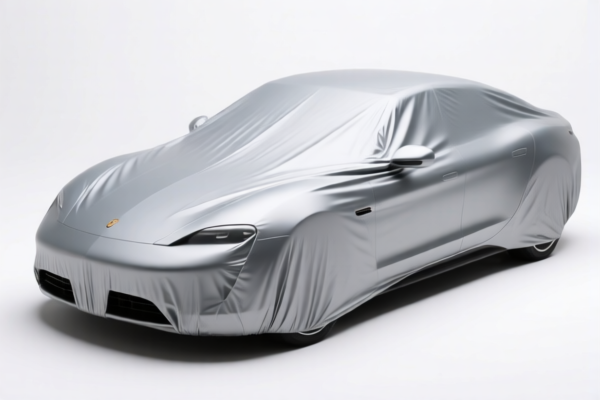
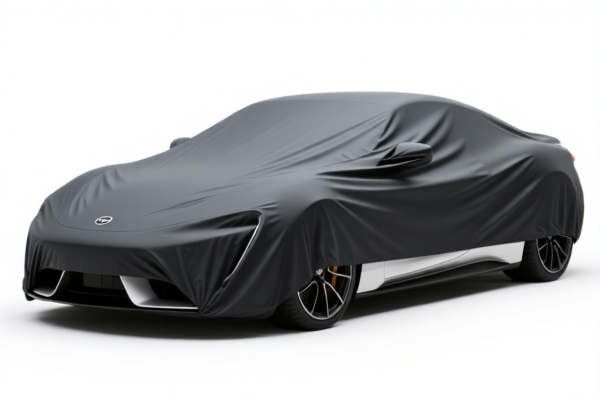
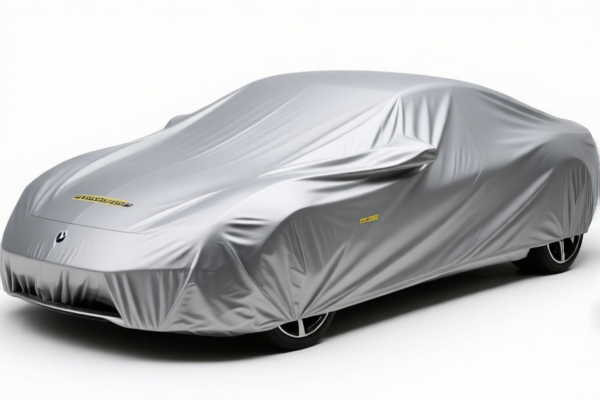
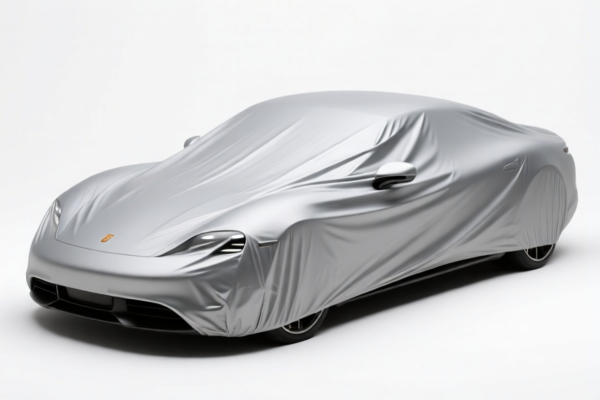
AI分析
🖥️ Computer Cover (Dust Cover for Computers)
🌐 HS Code Reference & Customs Clearance Guide | 2026 Latest Tariff Analysis | Professional-Level Strategy
📌 I. Product Definition & Classification: What Exactly is a "Computer Cover"?
A "Computer Cover" (often referred to as a dust cover, protective slip, or casing) is a non-structural accessory used to protect computer hardware (desktop towers, monitors, laptops, or peripherals) from dust, scratches, and minor spills.
In international trade, the classification heavily depends on the material composition: * Rubber/Plastic Covers: Classified under Chapter 40 (Rubber and articles thereof). * Non-Woven/Fabric Covers: Classified under Chapter 56 (Wadding, felt and nonwovens; special yarns).
⚠️ Key Distinction:
- If made of rubber, plastic, or silicone →归入 Chapter 40 (Typically lower base tariff, but subject to specific duties).
- If made of non-woven fabric, polyester, or textile → 归入 Chapter 56 (Often 0% base tariff, but high additional duties).
📦 II. HS Code Classification Details (2026 Latest Tariff Authority Comparison)
Based on the provided data, here are the four specific HS Codes applicable to "Computer Covers," distinguished by material and usage scenario:
| HS Code | Product Description | Material/Category | Application Scenario |
|---|---|---|---|
4016.99.05.00 |
Rubber/Plastic Dust Cover | Rubber or Plastic (Vulcanized) | Household use or other general articles |
5603.11.00.70 |
Non-Woven Dust Cover | Non-Woven Fabrics | Parts/Components category |
4016.99.60.50 |
Rubber/Plastic Protective Cover | Rubber or Plastic (General/Bottom-line) | General protective articles (Catch-all category) |
5603.12.00.70 |
Non-Woven/Textile Dust Cover | Non-Woven Cloth or Textile | Industrial/Retail application scenarios |
🔍 Critical Note:
- Chapter 40 (Rubber/Plastic): Generally has a low Base Tariff (2.5% - 3.4%), but is subject to Section 301 and Section 122 additional duties. - Chapter 56 (Non-Woven): Generally has a 0% Base Tariff, but is also heavily subject to Section 301 and Section 122 additional duties. - Misclassification Risk: Declaring a non-woven cover as rubber to save on base duty is illegal. The material composition determines the HS Code.
💰 III. 2026 Latest Tariff Rate Breakdown (Including Surtaxes & Policy Add-ons)
✅ Applicable Country: United States (US)
✅ Origin: China (CN)
✅ Effective Date: 2025/2026 (Current Trade Policies)
🎯 1. 4016.99.05.00 —— Rubber/Plastic Dust Cover (Household/General)
| Item | Detail |
|---|---|
| Base Tariff | 3.4% |
| Section 301 Surtax | +7.5% |
| Section 122 Surcharge | +10% |
| Total Effective Rate | 20.9% |
| Calculation | CIF Value × 20.9% |
| De Minimis Exemption | ❌ Not Eligible (Section 301/122 goods are generally excluded from Section 321 de minimis relief if classified incorrectly or if specifically listed, but typically these high-duty items are scrutinized heavily). |
| Legal Path | USITC:4016.99.05.00 → Section 301: 7.5% → Section 122: 10% |
📌 Explanation:
- This is the most cost-effective option among rubber/plastic covers due to a slightly lower total rate. - Section 122 is often applied to imports of certain rubber/plastic products from specific countries; verify current enforcement status.
🎯 2. 5603.11.00.70 —— Non-Woven Dust Cover (Parts/Components)
| Item | Detail |
|---|---|
| Base Tariff | 0.0% |
| Section 301 Surtax | +25.0% |
| Section 122 Surcharge | +10% |
| Total Effective Rate | 35.0% |
| Calculation | CIF Value × 35.0% |
| De Minimis Exemption | ❌ Not Eligible |
| Legal Path | USITC:5603.11.00.70 → Section 301: 25.0% → Section 122: 10% |
📌 Explanation:
- Despite 0% base duty, the Section 301 surcharge is 25% (standard for many textiles/non-wovens from China), making the total rate significantly higher than the rubber equivalent.
🎯 3. 4016.99.60.50 —— Rubber/Plastic Protective Cover (General/Catch-all)
| Item | Detail |
|---|---|
| Base Tariff | 2.5% |
| Section 301 Surtax | +25.0% |
| Section 122 Surcharge | +10% |
| Total Effective Rate | 37.5% |
| Calculation | CIF Value × 37.5% |
| De Minimis Exemption | ❌ Not Eligible |
| Legal Path | USITC:4016.99.60.50 → Section 301: 25.0% → Section 122: 10% |
📌 Explanation:
- This is a "Bottom-line" (兜底) category. Use only if no more specific rubber/plastic subheading applies. - Highest total tax rate among the rubber options due to the 25% Section 301 surcharge.
🎯 4. 5603.12.00.70 —— Non-Woven/Textile Dust Cover (Industrial/Retail)
| Item | Detail |
|---|---|
| Base Tariff | 0.0% |
| Section 301 Surtax | +25.0% |
| Section 122 Surcharge | +10% |
| Total Effective Rate | 35.0% |
| Calculation | CIF Value × 35.0% |
| De Minimis Exemption | ❌ Not Eligible |
| Legal Path | USITC:5603.12.00.70 → Section 301: 25.0% → Section 122: 10% |
📌 Explanation:
- Similar to5603.11.00.70, this applies to industrial or retail packaging covers. - 35% Total Rate. The key difference from 5603.11 is the end-use (Industrial/Retail vs. Parts/Components). Ensure your invoice matches the specific use case.
🛠️ IV. Customs Clearance Practical Advice (Real-World Pitfall Avoidance)
✅ 1. Document Preparation Checklist (Mandatory)
| Document | Required | Explanation |
|---|---|---|
| ✅ Product Specification Sheet | ✔️ | Must explicitly state material (e.g., "100% Silicone," "Non-woven Polyester"). |
| ✅ Material Composition Certificate | ✔️ | Critical for distinguishing between Chapter 40 (Rubber) and Chapter 56 (Non-Woven). |
| ✅ Commercial Invoice | ✔️ | Description must match HS Code (e.g., "Rubber Dust Cover" vs. "Non-Woven Dust Cover"). |
| ✅ Packing List | ✔️ | Clear weight and dimensions to calculate CIF value accurately. |
| ✅ Photos of Product & Label | ✔️ | Show texture, thickness, and any material tags (e.g., "PVC," "Polypropylene"). |
| ✅ End-Use Statement | ✔️ | For Chapter 56 codes, specify if it's for "Industrial Packaging" or "Retail Consumer Use." |
✅ 2. Declaration Strategy (Key Mantra)
🔥 “Material First, Use Second, Rate Third!”
| Scenario | Correct HS Code | Wrong Declaration | Consequence |
|---|---|---|---|
| Silicone/Rubber Cover | 4016.99.05.00 |
Declare as "Non-Woven Fabric" | Penalty + Back Tax (20.9% vs 35%) |
| Non-Woven Fabric Cover | 5603.11.00.70 or 5603.12.00.70 |
Declare as "Rubber" | Penalty + Back Tax (35% vs 20.9%) |
| General Plastic Cover | 4016.99.60.50 |
Declare as specific household item | Higher Duty (37.5% due to lack of specific subheading) |
| Mix of Materials | Depends on Essential Character | Vague description "Computer Accessory" | Customs Delay/Inspection |
📌 Advice:
- If the cover is primarily rubber/plastic, use Chapter 40.
- If the cover is primarily non-woven/textile, use Chapter 56.
- Do NOT try to misclassify a non-woven cover as rubber just to avoid the 25% Section 301 surcharge. Customs brokers can easily test materials.
✅ 3. Special Circumstances Handling
| Situation | Recommendation |
|---|---|
| Hybrid Material (e.g., Fabric with Rubber Trim) | Classify based on Essential Character. If rubber provides protection, it may lean towards Chapter 40, but fabric is dominant → Chapter 56. Consult a customs broker. |
| Small Quantities (e-commerce) | Check if Section 321 (De Minimis) applies. However, Section 301/122 goods are often excluded from de minimis relief if they are subject to additional duties. Assume no exemption for safety. |
| OEM Private Label | Ensure the invoice reflects the generic product name (e.g., "Dust Cover") rather than brand-specific terms that might confuse customs. |
🌍 V. Global Market Comparison (2026 Latest)
| Country/Region | Recommended HS Code | Total Tariff Rate | Key Certification | Note |
|---|---|---|---|---|
| 🇺🇸 USA | 4016.99.05.00 |
20.9% | None specific | Best Option for Rubber/Plastic |
| 🇺🇸 USA | 5603.11.00.70 |
35.0% | None specific | Higher tax for Non-Woven |
| 🇨🇳 China | 4016.99.05.00 |
~3.4% | CCC (if applicable) | Low base duty, no surtax |
| 🇪🇺 EU | 4016.99 |
~6-8% | REACH/RoHS | VAT applies (19-27%) |
| 🇬🇧 UK | 4016.99 |
~3.5% | UKCA | Post-Brexit tariffs apply |
📌 Conclusion:
- For US imports, Chapter 40 (Rubber/Plastic) with HS4016.99.05.00is the most cost-effective choice for computer covers, with a total rate of 20.9%.
- Chapter 56 (Non-Woven) incurs a 35% total rate, which is significantly higher.
- Strategy: If possible, design covers using rubber, silicone, or PVC to benefit from the lower 20.9% total duty, rather than non-woven fabrics.
📌 VI. Common Errors & Pitfalls (Lessons Learned)
❌ Error 1: Misidentifying "Non-Woven" as "Fabric" without specifying "Non-Woven"
👉 Consequence: Customs may reject the declaration or assign a higher default textile rate.
❌ Error 2: Using "Computer Accessory" as the product name
👉 Consequence: Customs cannot determine the HS Code → 100% Inspection & Delay.
❌ Error 3: Assuming De Minimis ($800) exemption applies to Section 301/122 goods
👉 Consequence: Seizure or Forced Return. Most additional duty goods are not eligible for de minimis entry under current rules.
❌ Error 4: Ignoring Section 122 Surcharge
👉 Consequence: Unexpected 10% additional cost if not budgeted. Always include it in Landed Cost Calculations.
✅ Correct Practice:
"Dust Cover for Computer, Made of 100% Silicone Rubber, Black, Model XYZ, HS 4016.99.05.00"
🎯 VII. Conclusion: Professional Declaration, Cost Optimization!
🎯 Remember the Mantra:
🔹 "Rubber/Plastic = 20.9% (Best)"
🔹 "Non-Woven = 35.0% (Expensive)"
🔹 "Never De Minimis for Surtax Goods!"
🔹 "Material Determines HS, HS Determines Duty!"
📌 Pro Tip:
If your supply chain allows, switch to Silicone or PVC rubber covers for the US market. You will save 14.1% in total duties compared to non-woven alternatives.
Action: Update your product specs, inform your supplier to use rubber materials, and declare as
4016.99.05.00.
📣 Immediate Action:
📞 Consult a licensed US Customs Broker for Advance Ruling if you are unsure about material classification.
🚀 Optimize your product design for lower tariff classification to maximize profit margins.
✨ Professional Clearance, Starts with Accurate Classification!
💼 Every Percent Saved is Pure Profit!
用户评价
关于 HS 编码归类
协调制度(HS)是由世界海关组织(WCO)制定的国际贸易商品分类标准。全球 200 多个国家采用 HS 系统作为海关关税、贸易统计和进出口监管的基础。
每个 HS 编码遵循以下层级结构:
- 章(2 位)——商品大类(例如:第 84 章:机器和机械设备)
- 品目(4 位)——章内的更具体分类
- 子目(6 位)——国际通用细分,所有 WCO 成员国统一使用
- 本国细分(8-10 位)——各国自行扩展的细分编码,如美国 HTSUS 10 位编码
正确的 HS 编码归类对于顺利通关、准确缴纳关税和遵守贸易法规至关重要。错误归类可能导致海关延误、多缴关税或罚款。
从CN进口到US时,适用的关税税率可能包括:
- 最惠国(MFN)税率——适用于 WTO 成员国的标准关税税率
- 普通税率——适用于无贸易协定国家
- 贸易救济关税——附加关税,如 301 条款(反倾销)、232 条款(国家安全)或反补贴税
本页内容仅供参考。如需正式归类,请咨询当地海关或持牌报关代理。