computer cover
CN → US| HS Code | Tariff Rate | Origin | Destination | Doc |
|---|---|---|---|---|
| 4016990500 | 20.9% | CN | US | Official Doc |
| 5603110070 | 35.0% | CN | US | Official Doc |
| 4016996050 | 37.5% | CN | US | Official Doc |
| 5603120070 | 35.0% | CN | US | Official Doc |
Product Images
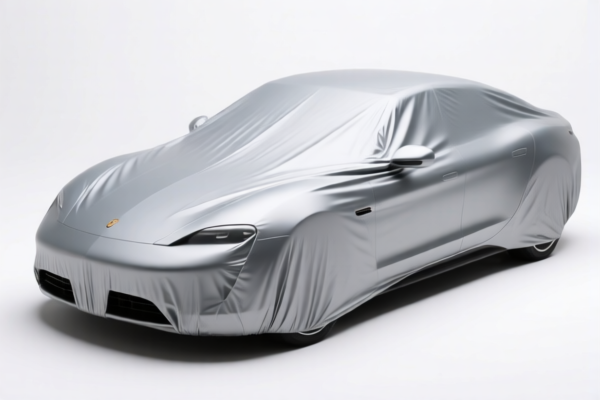
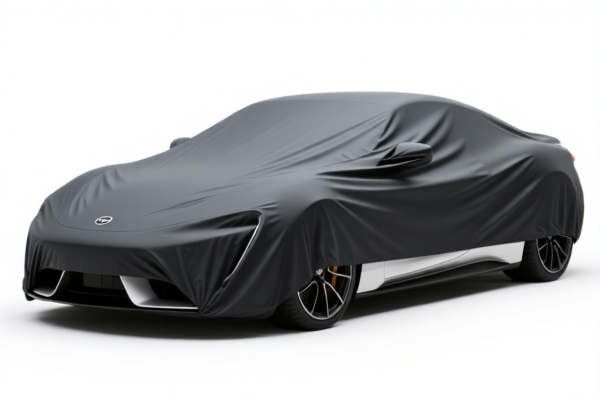
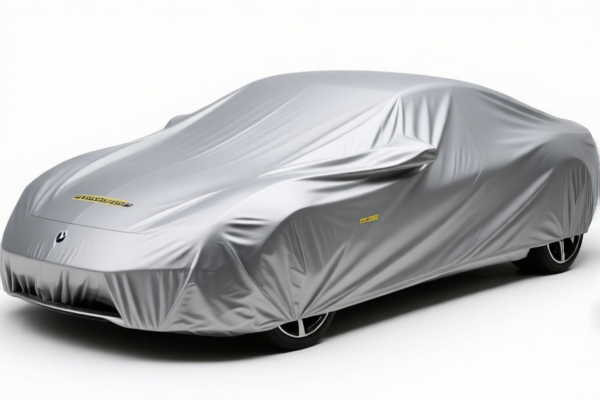
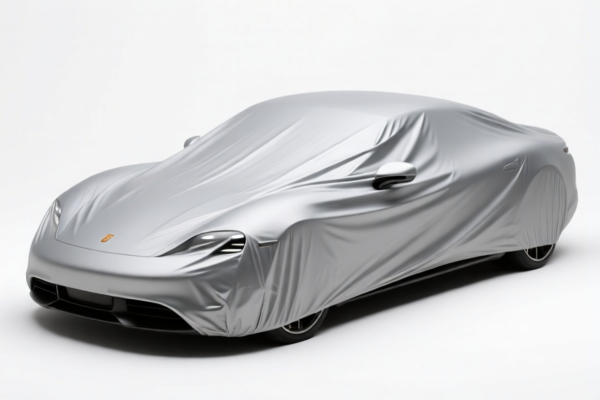
AI Analysis
🖥️ Computer Cover (Dust Cover for Computers)
🌐 HS Code Reference & Customs Clearance Guide | 2026 Latest Tariff Analysis | Professional-Level Strategy
📌 I. Product Definition & Classification: What Exactly is a "Computer Cover"?
A "Computer Cover" (often referred to as a dust cover, protective slip, or casing) is a non-structural accessory used to protect computer hardware (desktop towers, monitors, laptops, or peripherals) from dust, scratches, and minor spills.
In international trade, the classification heavily depends on the material composition: * Rubber/Plastic Covers: Classified under Chapter 40 (Rubber and articles thereof). * Non-Woven/Fabric Covers: Classified under Chapter 56 (Wadding, felt and nonwovens; special yarns).
⚠️ Key Distinction:
- If made of rubber, plastic, or silicone →归入 Chapter 40 (Typically lower base tariff, but subject to specific duties).
- If made of non-woven fabric, polyester, or textile → 归入 Chapter 56 (Often 0% base tariff, but high additional duties).
📦 II. HS Code Classification Details (2026 Latest Tariff Authority Comparison)
Based on the provided data, here are the four specific HS Codes applicable to "Computer Covers," distinguished by material and usage scenario:
| HS Code | Product Description | Material/Category | Application Scenario |
|---|---|---|---|
4016.99.05.00 |
Rubber/Plastic Dust Cover | Rubber or Plastic (Vulcanized) | Household use or other general articles |
5603.11.00.70 |
Non-Woven Dust Cover | Non-Woven Fabrics | Parts/Components category |
4016.99.60.50 |
Rubber/Plastic Protective Cover | Rubber or Plastic (General/Bottom-line) | General protective articles (Catch-all category) |
5603.12.00.70 |
Non-Woven/Textile Dust Cover | Non-Woven Cloth or Textile | Industrial/Retail application scenarios |
🔍 Critical Note:
- Chapter 40 (Rubber/Plastic): Generally has a low Base Tariff (2.5% - 3.4%), but is subject to Section 301 and Section 122 additional duties. - Chapter 56 (Non-Woven): Generally has a 0% Base Tariff, but is also heavily subject to Section 301 and Section 122 additional duties. - Misclassification Risk: Declaring a non-woven cover as rubber to save on base duty is illegal. The material composition determines the HS Code.
💰 III. 2026 Latest Tariff Rate Breakdown (Including Surtaxes & Policy Add-ons)
✅ Applicable Country: United States (US)
✅ Origin: China (CN)
✅ Effective Date: 2025/2026 (Current Trade Policies)
🎯 1. 4016.99.05.00 —— Rubber/Plastic Dust Cover (Household/General)
| Item | Detail |
|---|---|
| Base Tariff | 3.4% |
| Section 301 Surtax | +7.5% |
| Section 122 Surcharge | +10% |
| Total Effective Rate | 20.9% |
| Calculation | CIF Value × 20.9% |
| De Minimis Exemption | ❌ Not Eligible (Section 301/122 goods are generally excluded from Section 321 de minimis relief if classified incorrectly or if specifically listed, but typically these high-duty items are scrutinized heavily). |
| Legal Path | USITC:4016.99.05.00 → Section 301: 7.5% → Section 122: 10% |
📌 Explanation:
- This is the most cost-effective option among rubber/plastic covers due to a slightly lower total rate. - Section 122 is often applied to imports of certain rubber/plastic products from specific countries; verify current enforcement status.
🎯 2. 5603.11.00.70 —— Non-Woven Dust Cover (Parts/Components)
| Item | Detail |
|---|---|
| Base Tariff | 0.0% |
| Section 301 Surtax | +25.0% |
| Section 122 Surcharge | +10% |
| Total Effective Rate | 35.0% |
| Calculation | CIF Value × 35.0% |
| De Minimis Exemption | ❌ Not Eligible |
| Legal Path | USITC:5603.11.00.70 → Section 301: 25.0% → Section 122: 10% |
📌 Explanation:
- Despite 0% base duty, the Section 301 surcharge is 25% (standard for many textiles/non-wovens from China), making the total rate significantly higher than the rubber equivalent.
🎯 3. 4016.99.60.50 —— Rubber/Plastic Protective Cover (General/Catch-all)
| Item | Detail |
|---|---|
| Base Tariff | 2.5% |
| Section 301 Surtax | +25.0% |
| Section 122 Surcharge | +10% |
| Total Effective Rate | 37.5% |
| Calculation | CIF Value × 37.5% |
| De Minimis Exemption | ❌ Not Eligible |
| Legal Path | USITC:4016.99.60.50 → Section 301: 25.0% → Section 122: 10% |
📌 Explanation:
- This is a "Bottom-line" (兜底) category. Use only if no more specific rubber/plastic subheading applies. - Highest total tax rate among the rubber options due to the 25% Section 301 surcharge.
🎯 4. 5603.12.00.70 —— Non-Woven/Textile Dust Cover (Industrial/Retail)
| Item | Detail |
|---|---|
| Base Tariff | 0.0% |
| Section 301 Surtax | +25.0% |
| Section 122 Surcharge | +10% |
| Total Effective Rate | 35.0% |
| Calculation | CIF Value × 35.0% |
| De Minimis Exemption | ❌ Not Eligible |
| Legal Path | USITC:5603.12.00.70 → Section 301: 25.0% → Section 122: 10% |
📌 Explanation:
- Similar to5603.11.00.70, this applies to industrial or retail packaging covers. - 35% Total Rate. The key difference from 5603.11 is the end-use (Industrial/Retail vs. Parts/Components). Ensure your invoice matches the specific use case.
🛠️ IV. Customs Clearance Practical Advice (Real-World Pitfall Avoidance)
✅ 1. Document Preparation Checklist (Mandatory)
| Document | Required | Explanation |
|---|---|---|
| ✅ Product Specification Sheet | ✔️ | Must explicitly state material (e.g., "100% Silicone," "Non-woven Polyester"). |
| ✅ Material Composition Certificate | ✔️ | Critical for distinguishing between Chapter 40 (Rubber) and Chapter 56 (Non-Woven). |
| ✅ Commercial Invoice | ✔️ | Description must match HS Code (e.g., "Rubber Dust Cover" vs. "Non-Woven Dust Cover"). |
| ✅ Packing List | ✔️ | Clear weight and dimensions to calculate CIF value accurately. |
| ✅ Photos of Product & Label | ✔️ | Show texture, thickness, and any material tags (e.g., "PVC," "Polypropylene"). |
| ✅ End-Use Statement | ✔️ | For Chapter 56 codes, specify if it's for "Industrial Packaging" or "Retail Consumer Use." |
✅ 2. Declaration Strategy (Key Mantra)
🔥 “Material First, Use Second, Rate Third!”
| Scenario | Correct HS Code | Wrong Declaration | Consequence |
|---|---|---|---|
| Silicone/Rubber Cover | 4016.99.05.00 |
Declare as "Non-Woven Fabric" | Penalty + Back Tax (20.9% vs 35%) |
| Non-Woven Fabric Cover | 5603.11.00.70 or 5603.12.00.70 |
Declare as "Rubber" | Penalty + Back Tax (35% vs 20.9%) |
| General Plastic Cover | 4016.99.60.50 |
Declare as specific household item | Higher Duty (37.5% due to lack of specific subheading) |
| Mix of Materials | Depends on Essential Character | Vague description "Computer Accessory" | Customs Delay/Inspection |
📌 Advice:
- If the cover is primarily rubber/plastic, use Chapter 40.
- If the cover is primarily non-woven/textile, use Chapter 56.
- Do NOT try to misclassify a non-woven cover as rubber just to avoid the 25% Section 301 surcharge. Customs brokers can easily test materials.
✅ 3. Special Circumstances Handling
| Situation | Recommendation |
|---|---|
| Hybrid Material (e.g., Fabric with Rubber Trim) | Classify based on Essential Character. If rubber provides protection, it may lean towards Chapter 40, but fabric is dominant → Chapter 56. Consult a customs broker. |
| Small Quantities (e-commerce) | Check if Section 321 (De Minimis) applies. However, Section 301/122 goods are often excluded from de minimis relief if they are subject to additional duties. Assume no exemption for safety. |
| OEM Private Label | Ensure the invoice reflects the generic product name (e.g., "Dust Cover") rather than brand-specific terms that might confuse customs. |
🌍 V. Global Market Comparison (2026 Latest)
| Country/Region | Recommended HS Code | Total Tariff Rate | Key Certification | Note |
|---|---|---|---|---|
| 🇺🇸 USA | 4016.99.05.00 |
20.9% | None specific | Best Option for Rubber/Plastic |
| 🇺🇸 USA | 5603.11.00.70 |
35.0% | None specific | Higher tax for Non-Woven |
| 🇨🇳 China | 4016.99.05.00 |
~3.4% | CCC (if applicable) | Low base duty, no surtax |
| 🇪🇺 EU | 4016.99 |
~6-8% | REACH/RoHS | VAT applies (19-27%) |
| 🇬🇧 UK | 4016.99 |
~3.5% | UKCA | Post-Brexit tariffs apply |
📌 Conclusion:
- For US imports, Chapter 40 (Rubber/Plastic) with HS4016.99.05.00is the most cost-effective choice for computer covers, with a total rate of 20.9%.
- Chapter 56 (Non-Woven) incurs a 35% total rate, which is significantly higher.
- Strategy: If possible, design covers using rubber, silicone, or PVC to benefit from the lower 20.9% total duty, rather than non-woven fabrics.
📌 VI. Common Errors & Pitfalls (Lessons Learned)
❌ Error 1: Misidentifying "Non-Woven" as "Fabric" without specifying "Non-Woven"
👉 Consequence: Customs may reject the declaration or assign a higher default textile rate.
❌ Error 2: Using "Computer Accessory" as the product name
👉 Consequence: Customs cannot determine the HS Code → 100% Inspection & Delay.
❌ Error 3: Assuming De Minimis ($800) exemption applies to Section 301/122 goods
👉 Consequence: Seizure or Forced Return. Most additional duty goods are not eligible for de minimis entry under current rules.
❌ Error 4: Ignoring Section 122 Surcharge
👉 Consequence: Unexpected 10% additional cost if not budgeted. Always include it in Landed Cost Calculations.
✅ Correct Practice:
"Dust Cover for Computer, Made of 100% Silicone Rubber, Black, Model XYZ, HS 4016.99.05.00"
🎯 VII. Conclusion: Professional Declaration, Cost Optimization!
🎯 Remember the Mantra:
🔹 "Rubber/Plastic = 20.9% (Best)"
🔹 "Non-Woven = 35.0% (Expensive)"
🔹 "Never De Minimis for Surtax Goods!"
🔹 "Material Determines HS, HS Determines Duty!"
📌 Pro Tip:
If your supply chain allows, switch to Silicone or PVC rubber covers for the US market. You will save 14.1% in total duties compared to non-woven alternatives.
Action: Update your product specs, inform your supplier to use rubber materials, and declare as
4016.99.05.00.
📣 Immediate Action:
📞 Consult a licensed US Customs Broker for Advance Ruling if you are unsure about material classification.
🚀 Optimize your product design for lower tariff classification to maximize profit margins.
✨ Professional Clearance, Starts with Accurate Classification!
💼 Every Percent Saved is Pure Profit!
Customer Reviews
About HS Code Classification
The Harmonized System (HS) is an internationally standardized nomenclature developed by the World Customs Organization (WCO) to classify traded products. Over 200 countries use the HS system as the basis for customs tariffs, trade statistics, and import/export regulations.
Each HS code follows a hierarchical structure:
- Chapter (2 digits) — Broad category of goods (e.g., Chapter 84: Machinery and Mechanical Appliances)
- Heading (4 digits) — More specific grouping within the chapter
- Subheading (6 digits) — Internationally standardized breakdown, used by all WCO member countries
- National subdivisions (8-10 digits) — Country-specific extensions for further classification, such as US HTSUS 10-digit codes
Correct HS code classification is essential for smooth customs clearance, accurate duty payment, and compliance with trade regulations. Misclassification can lead to customs delays, overpayment of duties, or penalties.
When importing from CN to US, the applicable tariff rates may include:
- Most-Favored-Nation (MFN) rate — The standard duty rate applied to WTO members
- General rate — Applied to countries without trade agreements
- Trade remedy duties — Additional tariffs such as Section 301 (anti-dumping), Section 232 (national security), or countervailing duties
The information provided on this page is for reference purposes only. For official classification, please consult with your local customs authority or a licensed customs broker.