cotton handbag for outdoor use
CN → US| HS编码 | 关税税率 | 原产国 | 目的国 | 文档 |
|---|---|---|---|---|
| 6305900000 | 23.7% | CN | US | 官方文档 |
| 4202228930 | 52.6% | CN | US | 官方文档 |
| 6305200000 | 23.7% | CN | US | 官方文档 |
| 4202224020 | 42.4% | CN | US | 官方文档 |
商品图片
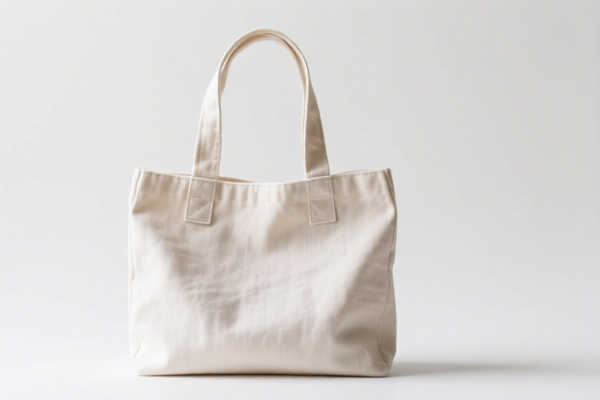
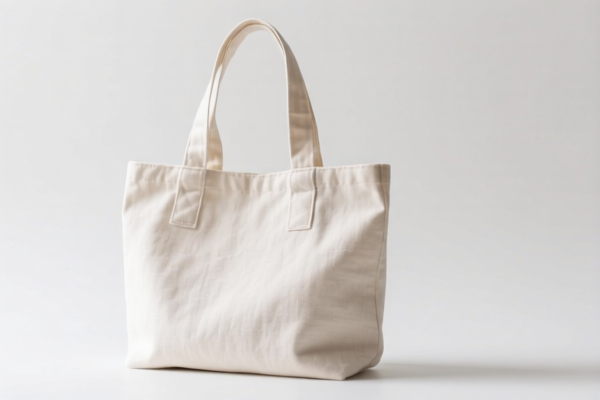

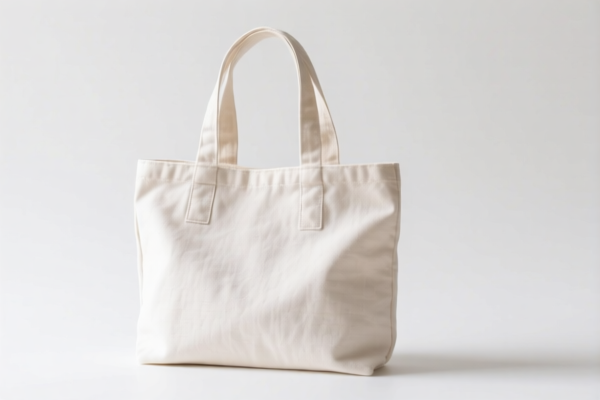
AI分析
👜 Cotton Handbag (Outdoor Use)
🌐 HS Code Reference & Customs Clearance Guide | 2026 Latest Tariff Analysis | Professional Entry Strategy
📌 1. Product Definition & Classification: Do You Really Understand the "Cotton Handbag"?
A cotton handbag for outdoor use falls under the broad category of bag-making articles. In international trade, the classification depends heavily on two factors: 1. Outer Surface Material: Is it primarily textile (cotton)? 2. Specific Form/Usage: Is it a general bag, a specific type like a shopping bag, or a luggage item?
⚠️ Critical Distinction: - If classified under Chapter 63 (Other made-up textile articles), it is treated as a generic textile bag. - If classified under Chapter 42 (Articles of leather or similar materials), it is treated as a specific handbag with a textile outer surface. - Key Risk: Misclassification between Chapters 63 and 42 leads to massive tariff differences (from ~23% to ~52%).
📦 2. HS Code Classification Details (Based on Provided Data)
| HS Code | Summary Description | Key Characteristics |
|---|---|---|
6305.90.00.00 |
Other textile material bags | Generic textile bag, not specified as shopping/luggage bag |
4202.22.89.30 |
Handbags with textile outer surface | Specific handbag category, outer surface is textile |
6305.20.00.00 |
Cotton bags (shape: handbag) | Explicitly "Cotton" made-up goods, general category |
4202.22.40.20 |
Handbags with textile outer surface, made of cotton | Specific handbag, explicitly cotton, different sub-heading |
🔍 Analysis: - Chapter 63 (
6305...): Generally for "made-up" textile articles like sacks and bags for goods. These codes have lower base duties but are sometimes less specific for consumer fashion items. - Chapter 42 (4202...): Specifically for "articles of bedding, travelling goods, handbags." These are the standard codes for consumer handbags. However, they carry significantly higher tariffs due to their classification as finished goods/luxury items.
💰 3. 2026 Latest Tariff Rate Breakdown (Including Additional Duties & Policy Add-ons)
✅ Applicable Country: United States (US)
✅ Origin: China (CN)
✅ Effective Time: Current Trade War Tariffs (Section 301 + Section 232/122)
🎯 1. 6305.90.00.00 & 6305.20.00.00 — Textile/Cotton Bags (Chapter 63)
These two codes share identical tariff structures in the provided data.
| Item | Content |
|---|---|
| Product Type | Cotton Handbag (General Textile Bag) |
| Base Duty | 6.2% (Ad Valorem) |
| Additional Duty (Sec. 301) | 7.5% |
| Additional Duty (Section 122) | 10% |
| Total Tariff Rate | 23.7% |
| Calculation | CIF Value × 23.7% |
| Legal Basis Path | HTSUS:6305.90.00.00 / HTSUS:6305.20.00.00 → Section 301 → Section 122 |
📌 Explanation: - Base Duty (6.2%): Standard Most Favored Nation (MFN) rate for textile bags. - Additional Duty 7.5%: From Section 301 List 3/4 (general manufacturing goods). - Additional Duty 10%: From Section 122 (often applied to specific imports or temporary measures). - Advantage: This is the lowest tariff option (~23.7%). If your handbag can be argued as a "general textile bag" rather than a specific "fashion handbag," this classification saves significant cost.
🎯 2. 4202.22.89.30 — Handbags with Textile Outer Surface (Chapter 42)
| Item | Content |
|---|---|
| Product Type | Handbag (Textile Outer Surface) |
| Base Duty | 17.6% (Ad Valorem) |
| Additional Duty (Sec. 301) | 25.0% |
| Additional Duty (Section 122) | 10% |
| Total Tariff Rate | 52.6% |
| Calculation | CIF Value × 52.6% |
| Legal Basis Path | HTSUS:4202.22.89.30 → Section 301 → Section 122 |
📌 Explanation: - Base Duty (17.6%): Higher base rate for handbags under Chapter 42. - Additional Duty 25.0%: Higher Section 301 rate for specific categories or newer lists. - Additional Duty 10%: Section 122 applies. - Risk: This is the highest tariff option (~52.6%). US Customs may insist on this if the bag is clearly a fashion accessory rather than a utility bag.
🎯 3. 4202.22.40.20 — Handbags with Textile Outer Surface, Made of Cotton (Chapter 42)
| Item | Content |
|---|---|
| Product Type | Cotton Handbag (Specific) |
| Base Duty | 7.4% (Ad Valorem) |
| Additional Duty (Sec. 301) | 25.0% |
| Additional Duty (Section 122) | 10% |
| Total Tariff Rate | 42.4% |
| Calculation | CIF Value × 42.4% |
| Legal Basis Path | HTSUS:4202.22.40.20 → Section 301 → Section 122 |
📌 Explanation: - Base Duty (7.4%): Lower than
4202.22.89.30because it specifies "Cotton." - Additional Duty 25.0%: High Section 301 rate. - Additional Duty 10%: Section 122 applies. - Middle Ground: This rate (42.4%) is between the Chapter 63 and the other Chapter 42 code. It is accurate if the bag is clearly a handbag but made entirely of cotton.
🛠️ 4. Customs Clearance Practical Advice (Battle-Tested Pitfall Guide)
✅ 1. Documentation Checklist (Non-negotiable)
| Document | Required | Notes |
|---|---|---|
| ✅ Commercial Invoice | ✔️ | Must clearly state "Cotton Handbag" or "Textile Bag" |
| ✅ Product Photos | ✔️ | Show outer material, lining, handles, and any hardware |
| ✅ Material Composition Sheet | ✔️ | Confirm 100% Cotton or blend % |
| ✅ Design/Style Sheet | ✔️ | Helps determine if it's a "fashion handbag" (Ch 42) or "utility bag" (Ch 63) |
| ✅ Bill of Lading/Air Waybill | ✔️ | Standard shipping docs |
✅ 2. Classification Strategy (Key Mantra)
🔥 "Ch 63 is cheaper, Ch 42 is accurate. Argument wisely!"
| Scenario | Recommended HS Code | Reasoning |
|---|---|---|
| Generic Tote/Beach Bag | 6305.90.00.00 |
Can be argued as a general textile bag, not a structured handbag. Lowest Tax (23.7%). |
| Structured Fashion Handbag | 4202.22.89.30 |
If it has a specific shape, lining, and is clearly for personal fashion. Highest Tax (52.6%). |
| Cotton Handbag (Specific) | 4202.22.40.20 |
If it is a handbag but you want to avoid the 17.6% base rate. Medium Tax (42.4%). |
⚠️ Warning: - Do not misdeclare a fashion handbag as a "textile sack" (
6305) to save taxes. CBP (Customs and Border Protection) may audit and levy penalties for misclassification. - However, if the bag is a large, unstructured tote or beach bag, you have a stronger case for Chapter 63.
✅ 3. Special Circumstances
| Situation | Handling Advice |
|---|---|
| Cotton + Leather Trim | If leather is the "principal material," it might still fall under Ch 42. If cotton is >50%, Ch 42 or 63 depends on form. |
| Packaging | If sold in a box as a gift set, ensure the handbag is the primary item. |
| Seasonal Items | "Outdoor use" suggests utility. Emphasize "utility" over "fashion" in descriptions to support Chapter 63 classification. |
🌍 5. Global Market Customs Comparison (2026 Update)
| Country/Region | Recommended HS Code | Est. Tariff (China Origin) | Certification Requirements | Notes |
|---|---|---|---|---|
| 🇺🇸 USA | 6305.90.00.00 |
23.7% (Lowest) | None specific | High risk of audit if misclassified. |
| 🇺🇸 USA | 4202.22.89.30 |
52.6% (Highest) | None specific | Accurate for fashion handbags. |
| 🇪🇺 EU | 4202.22.00 |
~6.0% | CE (if applicable) | No Section 301/122 add-ons. |
| 🇨🇳 China | 4202.22.00 |
~10-12% | None | Lower import tariff, but higher export complexity. |
📌 Conclusion: - USA is the most challenging market due to high add-on tariffs (Section 301 + 122). - Strategy: If the handbag is not a structured fashion item, argue for Chapter 63 (
6305) to save 29-30% in tariffs. - If it is clearly a fashion handbag, accept the 42.4-52.6% rate or consider sourcing from a non-China country to avoid Section 301 tariffs.
📌 6. Common Errors & Pitfalls (Lessons Learned)
❌ Error 1: Declaring a structured leather-trimmed cotton handbag as 6305.90.00.00
👉 Consequence: CBP reclassifies to 4202.22.89.30 → Back taxes of ~29% + Penalties!
❌ Error 2: Ignoring Section 122 and 301 tariffs 👉 Consequence: Underpaying duties → Audits and seizure of goods.
❌ Error 3: Vague Description ("Handbag") 👉 Consequence: CBP assigns default highest rate → Delays and higher costs.
✅ Correct Approach:
"Cotton Tote Bag, Unstructured, For Beach Use, No Lining" → Supports
6305.90.00.00"Structured Cotton Handbag, With Zipper, Lining, And Hardware" → Requires4202.22.40.20or4202.22.89.30
🎯 7. Conclusion: Smart Classification, Cost Optimization!
🎯 Remember the Mantra:
🔹 "Ch 63 for Utility, Ch 42 for Fashion. 23% vs 53% is a massive difference!"
🔹 "Describe accurately, classify strategically, pay only what is owed."
📌 Pro Tip: If your volume is high, consider applying for an Advance Ruling from CBP. This provides legal certainty on whether your specific handbag design qualifies for the lower Chapter 63 rate.
📣 Immediate Action:
📞 Review Product Design: Is it structured or unstructured? 📄 Prepare Documentation: Highlight "Outdoor/Utility" use if targeting Chapter 63. 🚀 Consult a Customs Broker: To validate the classification before shipment.
✨ Professional Clearance Starts with Accurate Classification!
💼 Every Percent Saved is Pure Profit!
用户评价
关于 HS 编码归类
协调制度(HS)是由世界海关组织(WCO)制定的国际贸易商品分类标准。全球 200 多个国家采用 HS 系统作为海关关税、贸易统计和进出口监管的基础。
每个 HS 编码遵循以下层级结构:
- 章(2 位)——商品大类(例如:第 84 章:机器和机械设备)
- 品目(4 位)——章内的更具体分类
- 子目(6 位)——国际通用细分,所有 WCO 成员国统一使用
- 本国细分(8-10 位)——各国自行扩展的细分编码,如美国 HTSUS 10 位编码
正确的 HS 编码归类对于顺利通关、准确缴纳关税和遵守贸易法规至关重要。错误归类可能导致海关延误、多缴关税或罚款。
从CN进口到US时,适用的关税税率可能包括:
- 最惠国(MFN)税率——适用于 WTO 成员国的标准关税税率
- 普通税率——适用于无贸易协定国家
- 贸易救济关税——附加关税,如 301 条款(反倾销)、232 条款(国家安全)或反补贴税
本页内容仅供参考。如需正式归类,请咨询当地海关或持牌报关代理。