cotton handbag for outdoor use
CN → US| HS Code | Tariff Rate | Origin | Destination | Doc |
|---|---|---|---|---|
| 6305900000 | 23.7% | CN | US | Official Doc |
| 4202228930 | 52.6% | CN | US | Official Doc |
| 6305200000 | 23.7% | CN | US | Official Doc |
| 4202224020 | 42.4% | CN | US | Official Doc |
Product Images
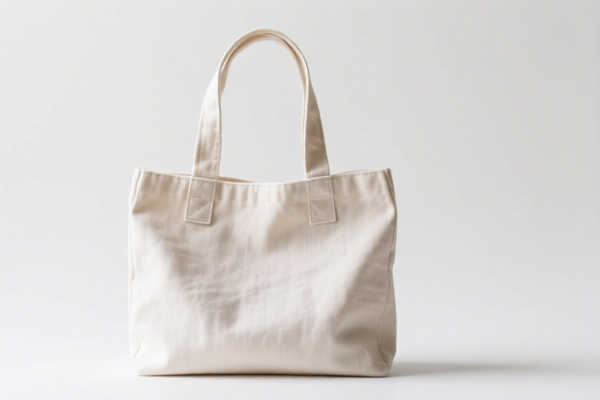
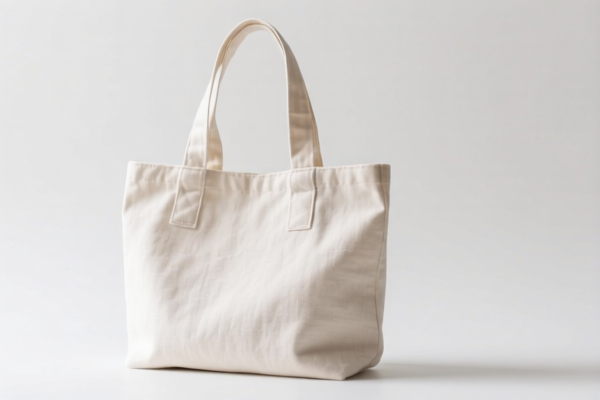

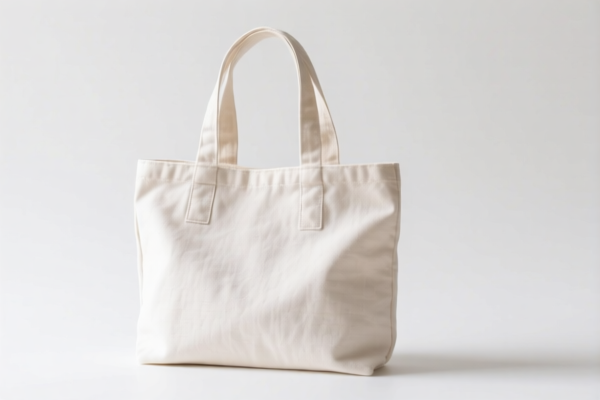
AI Analysis
👜 Cotton Handbag (Outdoor Use)
🌐 HS Code Reference & Customs Clearance Guide | 2026 Latest Tariff Analysis | Professional Entry Strategy
📌 1. Product Definition & Classification: Do You Really Understand the "Cotton Handbag"?
A cotton handbag for outdoor use falls under the broad category of bag-making articles. In international trade, the classification depends heavily on two factors: 1. Outer Surface Material: Is it primarily textile (cotton)? 2. Specific Form/Usage: Is it a general bag, a specific type like a shopping bag, or a luggage item?
⚠️ Critical Distinction: - If classified under Chapter 63 (Other made-up textile articles), it is treated as a generic textile bag. - If classified under Chapter 42 (Articles of leather or similar materials), it is treated as a specific handbag with a textile outer surface. - Key Risk: Misclassification between Chapters 63 and 42 leads to massive tariff differences (from ~23% to ~52%).
📦 2. HS Code Classification Details (Based on Provided Data)
| HS Code | Summary Description | Key Characteristics |
|---|---|---|
6305.90.00.00 |
Other textile material bags | Generic textile bag, not specified as shopping/luggage bag |
4202.22.89.30 |
Handbags with textile outer surface | Specific handbag category, outer surface is textile |
6305.20.00.00 |
Cotton bags (shape: handbag) | Explicitly "Cotton" made-up goods, general category |
4202.22.40.20 |
Handbags with textile outer surface, made of cotton | Specific handbag, explicitly cotton, different sub-heading |
🔍 Analysis: - Chapter 63 (
6305...): Generally for "made-up" textile articles like sacks and bags for goods. These codes have lower base duties but are sometimes less specific for consumer fashion items. - Chapter 42 (4202...): Specifically for "articles of bedding, travelling goods, handbags." These are the standard codes for consumer handbags. However, they carry significantly higher tariffs due to their classification as finished goods/luxury items.
💰 3. 2026 Latest Tariff Rate Breakdown (Including Additional Duties & Policy Add-ons)
✅ Applicable Country: United States (US)
✅ Origin: China (CN)
✅ Effective Time: Current Trade War Tariffs (Section 301 + Section 232/122)
🎯 1. 6305.90.00.00 & 6305.20.00.00 — Textile/Cotton Bags (Chapter 63)
These two codes share identical tariff structures in the provided data.
| Item | Content |
|---|---|
| Product Type | Cotton Handbag (General Textile Bag) |
| Base Duty | 6.2% (Ad Valorem) |
| Additional Duty (Sec. 301) | 7.5% |
| Additional Duty (Section 122) | 10% |
| Total Tariff Rate | 23.7% |
| Calculation | CIF Value × 23.7% |
| Legal Basis Path | HTSUS:6305.90.00.00 / HTSUS:6305.20.00.00 → Section 301 → Section 122 |
📌 Explanation: - Base Duty (6.2%): Standard Most Favored Nation (MFN) rate for textile bags. - Additional Duty 7.5%: From Section 301 List 3/4 (general manufacturing goods). - Additional Duty 10%: From Section 122 (often applied to specific imports or temporary measures). - Advantage: This is the lowest tariff option (~23.7%). If your handbag can be argued as a "general textile bag" rather than a specific "fashion handbag," this classification saves significant cost.
🎯 2. 4202.22.89.30 — Handbags with Textile Outer Surface (Chapter 42)
| Item | Content |
|---|---|
| Product Type | Handbag (Textile Outer Surface) |
| Base Duty | 17.6% (Ad Valorem) |
| Additional Duty (Sec. 301) | 25.0% |
| Additional Duty (Section 122) | 10% |
| Total Tariff Rate | 52.6% |
| Calculation | CIF Value × 52.6% |
| Legal Basis Path | HTSUS:4202.22.89.30 → Section 301 → Section 122 |
📌 Explanation: - Base Duty (17.6%): Higher base rate for handbags under Chapter 42. - Additional Duty 25.0%: Higher Section 301 rate for specific categories or newer lists. - Additional Duty 10%: Section 122 applies. - Risk: This is the highest tariff option (~52.6%). US Customs may insist on this if the bag is clearly a fashion accessory rather than a utility bag.
🎯 3. 4202.22.40.20 — Handbags with Textile Outer Surface, Made of Cotton (Chapter 42)
| Item | Content |
|---|---|
| Product Type | Cotton Handbag (Specific) |
| Base Duty | 7.4% (Ad Valorem) |
| Additional Duty (Sec. 301) | 25.0% |
| Additional Duty (Section 122) | 10% |
| Total Tariff Rate | 42.4% |
| Calculation | CIF Value × 42.4% |
| Legal Basis Path | HTSUS:4202.22.40.20 → Section 301 → Section 122 |
📌 Explanation: - Base Duty (7.4%): Lower than
4202.22.89.30because it specifies "Cotton." - Additional Duty 25.0%: High Section 301 rate. - Additional Duty 10%: Section 122 applies. - Middle Ground: This rate (42.4%) is between the Chapter 63 and the other Chapter 42 code. It is accurate if the bag is clearly a handbag but made entirely of cotton.
🛠️ 4. Customs Clearance Practical Advice (Battle-Tested Pitfall Guide)
✅ 1. Documentation Checklist (Non-negotiable)
| Document | Required | Notes |
|---|---|---|
| ✅ Commercial Invoice | ✔️ | Must clearly state "Cotton Handbag" or "Textile Bag" |
| ✅ Product Photos | ✔️ | Show outer material, lining, handles, and any hardware |
| ✅ Material Composition Sheet | ✔️ | Confirm 100% Cotton or blend % |
| ✅ Design/Style Sheet | ✔️ | Helps determine if it's a "fashion handbag" (Ch 42) or "utility bag" (Ch 63) |
| ✅ Bill of Lading/Air Waybill | ✔️ | Standard shipping docs |
✅ 2. Classification Strategy (Key Mantra)
🔥 "Ch 63 is cheaper, Ch 42 is accurate. Argument wisely!"
| Scenario | Recommended HS Code | Reasoning |
|---|---|---|
| Generic Tote/Beach Bag | 6305.90.00.00 |
Can be argued as a general textile bag, not a structured handbag. Lowest Tax (23.7%). |
| Structured Fashion Handbag | 4202.22.89.30 |
If it has a specific shape, lining, and is clearly for personal fashion. Highest Tax (52.6%). |
| Cotton Handbag (Specific) | 4202.22.40.20 |
If it is a handbag but you want to avoid the 17.6% base rate. Medium Tax (42.4%). |
⚠️ Warning: - Do not misdeclare a fashion handbag as a "textile sack" (
6305) to save taxes. CBP (Customs and Border Protection) may audit and levy penalties for misclassification. - However, if the bag is a large, unstructured tote or beach bag, you have a stronger case for Chapter 63.
✅ 3. Special Circumstances
| Situation | Handling Advice |
|---|---|
| Cotton + Leather Trim | If leather is the "principal material," it might still fall under Ch 42. If cotton is >50%, Ch 42 or 63 depends on form. |
| Packaging | If sold in a box as a gift set, ensure the handbag is the primary item. |
| Seasonal Items | "Outdoor use" suggests utility. Emphasize "utility" over "fashion" in descriptions to support Chapter 63 classification. |
🌍 5. Global Market Customs Comparison (2026 Update)
| Country/Region | Recommended HS Code | Est. Tariff (China Origin) | Certification Requirements | Notes |
|---|---|---|---|---|
| 🇺🇸 USA | 6305.90.00.00 |
23.7% (Lowest) | None specific | High risk of audit if misclassified. |
| 🇺🇸 USA | 4202.22.89.30 |
52.6% (Highest) | None specific | Accurate for fashion handbags. |
| 🇪🇺 EU | 4202.22.00 |
~6.0% | CE (if applicable) | No Section 301/122 add-ons. |
| 🇨🇳 China | 4202.22.00 |
~10-12% | None | Lower import tariff, but higher export complexity. |
📌 Conclusion: - USA is the most challenging market due to high add-on tariffs (Section 301 + 122). - Strategy: If the handbag is not a structured fashion item, argue for Chapter 63 (
6305) to save 29-30% in tariffs. - If it is clearly a fashion handbag, accept the 42.4-52.6% rate or consider sourcing from a non-China country to avoid Section 301 tariffs.
📌 6. Common Errors & Pitfalls (Lessons Learned)
❌ Error 1: Declaring a structured leather-trimmed cotton handbag as 6305.90.00.00
👉 Consequence: CBP reclassifies to 4202.22.89.30 → Back taxes of ~29% + Penalties!
❌ Error 2: Ignoring Section 122 and 301 tariffs 👉 Consequence: Underpaying duties → Audits and seizure of goods.
❌ Error 3: Vague Description ("Handbag") 👉 Consequence: CBP assigns default highest rate → Delays and higher costs.
✅ Correct Approach:
"Cotton Tote Bag, Unstructured, For Beach Use, No Lining" → Supports
6305.90.00.00"Structured Cotton Handbag, With Zipper, Lining, And Hardware" → Requires4202.22.40.20or4202.22.89.30
🎯 7. Conclusion: Smart Classification, Cost Optimization!
🎯 Remember the Mantra:
🔹 "Ch 63 for Utility, Ch 42 for Fashion. 23% vs 53% is a massive difference!"
🔹 "Describe accurately, classify strategically, pay only what is owed."
📌 Pro Tip: If your volume is high, consider applying for an Advance Ruling from CBP. This provides legal certainty on whether your specific handbag design qualifies for the lower Chapter 63 rate.
📣 Immediate Action:
📞 Review Product Design: Is it structured or unstructured? 📄 Prepare Documentation: Highlight "Outdoor/Utility" use if targeting Chapter 63. 🚀 Consult a Customs Broker: To validate the classification before shipment.
✨ Professional Clearance Starts with Accurate Classification!
💼 Every Percent Saved is Pure Profit!
Customer Reviews
About HS Code Classification
The Harmonized System (HS) is an internationally standardized nomenclature developed by the World Customs Organization (WCO) to classify traded products. Over 200 countries use the HS system as the basis for customs tariffs, trade statistics, and import/export regulations.
Each HS code follows a hierarchical structure:
- Chapter (2 digits) — Broad category of goods (e.g., Chapter 84: Machinery and Mechanical Appliances)
- Heading (4 digits) — More specific grouping within the chapter
- Subheading (6 digits) — Internationally standardized breakdown, used by all WCO member countries
- National subdivisions (8-10 digits) — Country-specific extensions for further classification, such as US HTSUS 10-digit codes
Correct HS code classification is essential for smooth customs clearance, accurate duty payment, and compliance with trade regulations. Misclassification can lead to customs delays, overpayment of duties, or penalties.
When importing from CN to US, the applicable tariff rates may include:
- Most-Favored-Nation (MFN) rate — The standard duty rate applied to WTO members
- General rate — Applied to countries without trade agreements
- Trade remedy duties — Additional tariffs such as Section 301 (anti-dumping), Section 232 (national security), or countervailing duties
The information provided on this page is for reference purposes only. For official classification, please consult with your local customs authority or a licensed customs broker.