digital weighing scale
CN → US| HS编码 | 关税税率 | 原产国 | 目的国 | 文档 |
|---|---|---|---|---|
| 8423810010 | 35.0% | CN | US | 官方文档 |
| 8423810040 | 35.0% | CN | US | 官方文档 |
| 9016002000 | 38.9% | CN | US | 官方文档 |
| 9031808085 | 35.0% | CN | US | 官方文档 |
| 9031499000 | 35.0% | CN | US | 官方文档 |
商品图片
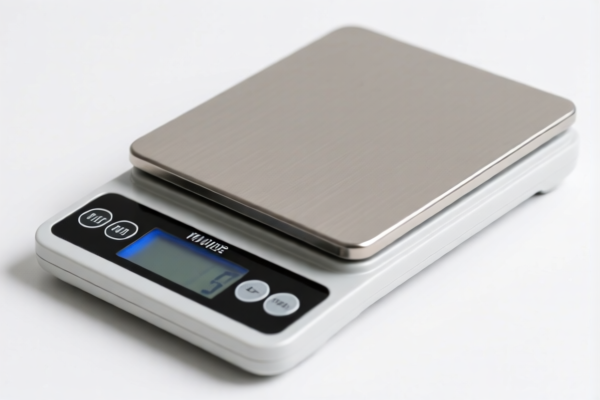
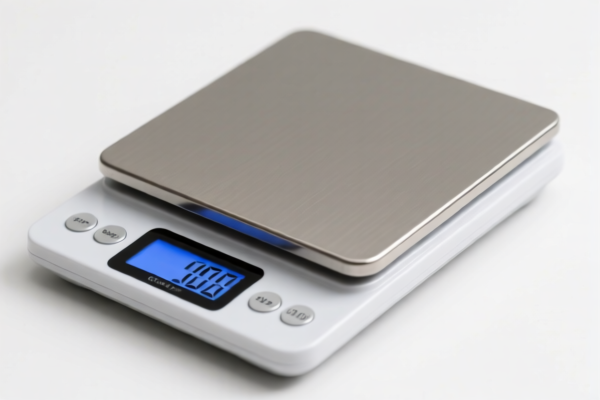
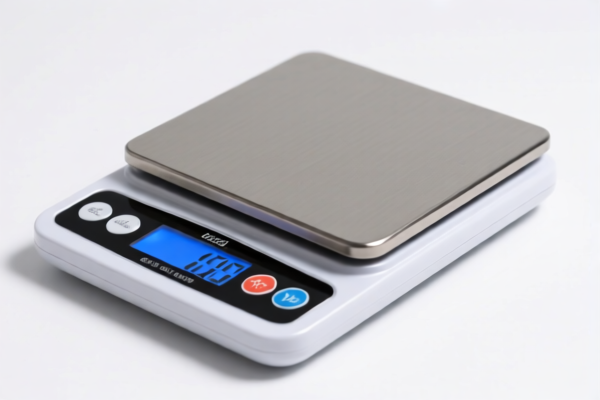
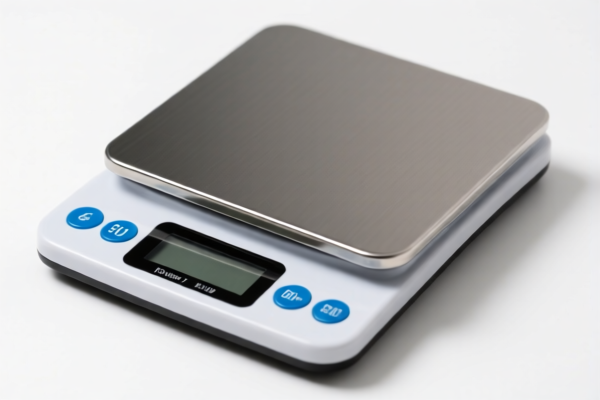
AI分析
⚖️ Digital Weighing Scale (Electronic Scales)
🌐 HS Code Reference & Clearance Guide | 2026 Latest Tariff Analysis | Professional Customs Strategy
📌 Part 1: Product Definition & Classification: Do You Really Understand "Digital Scales"?
Digital weighing scales are ubiquitous devices used for measuring weight in households, kitchens, industry, and laboratories. In international trade, they are broadly categorized into mechanical/electromechanical weighing machines and precision scientific instruments. The key distinction lies in the purpose and precision:
- General Purpose Scales (Household/Industrial): Used for basic weight measurement (e.g., body weight, postal parcels, bulk goods). These typically fall under Chapter 84.
- Precision/Laboratory Scales: Used for high-precision analysis, calibration, or scientific testing. These fall under Chapter 90 (Instruments and Apparatus).
⚠️ Key Distinction Point:
- If the device is for general weighing (body, kitchen, postal) →归类 to 8423 or 9031 (depending on function);
- If the device is a precision analytical balance (lab use, high sensitivity) →归类 to 9016 or 9031 (as measuring instruments).
📦 Part 2: HS Code Classification Details (2026 Latest Tariff Authority Comparison)
| HS Code | Product Description | Application Scenario | Tax Rate (China Origin to US) |
|---|---|---|---|
8423.81.00.10 |
Electronic weighing equipment; household or kitchen scales | Body scales, kitchen scales, postal scales | 35.0% |
8423.81.00.40 |
Other weighing machinery; "catch-all" for other electronic scales | Industrial digital scales not specified elsewhere | 35.0% |
9016.00.20.00 |
Electronic precision balances; laboratory balances | Lab analytical balances, high-sensitivity scientific scales | 38.9% |
9031.80.80.85 |
Measuring or checking instruments; other precision scales | Precision scales for industrial quality control/inspection | 35.0% |
9031.49.90.00 |
Optical/precision measuring instruments; other measuring devices | High-precision measurement devices based on precision function | 35.0% |
🔍 Critical Reminder:
-8423Codes: Apply to general-purpose electronic scales. The summary confirms "consistent purpose, no material/shape conflict."
-9016Code: Applies specifically to electronic precision balances (lab-grade). It has a higher base tariff (3.9%) compared to the others (0% base), leading to a higher total rate.
-9031Codes: Apply to scales used as measuring/inspecting instruments in industrial or scientific contexts.
💰 Part 3: 2026 Latest Tariff Rate Breakdown (Including Surtaxes & Policy Add-ons)
✅ Applicable Country: United States (US)
✅ Origin: China (CN)
✅ Effective Time: Ongoing (including imports after 2025-11-10)
🎯 1. 8423.81.00.10 & 8423.81.00.40 —— General Electronic Scales
| Item | Content |
|---|---|
| Base Tariff | 0% (ad valorem) |
| USITC Surtax (Section 301) | +25% |
| IEEPA Surtax | +10% (122 Clause Tariff for China/HK products) |
| Total Tariff | 35.0% |
| Tax Calculation | CIF Value × 35% |
| De Minimis Exemption | ❌ Not Eligible (deny_de_minimis) |
| Legal Basis Path | USITC:8423.81.00.10 → IEEPA:9903.01.25 → FOOTNOTE:9903.88.01 |
📌 Explanation:
- The 25% USITC surtax is applied under Section 301 of the Trade Act for Chinese-origin goods in this category.
- The 10% IEEPA surtax (often referred to as the "122 Clause" or additional punitive tariff) is applied specifically to Chinese products.
- Total 35%: This is a significant cost burden. Misclassification as a non-surcharge item (if any existed) could lead to severe penalties.
🎯 2. 9016.00.20.00 —— Electronic Precision Balances (Lab Grade)
| Item | Content |
|---|---|
| Base Tariff | 3.9% |
| USITC Surtax (Section 301) | +25% |
| IEEPA Surtax | +10% |
| Total Tariff | 38.9% |
| Tax Calculation | CIF Value × 38.9% |
| De Minimis Exemption | ❌ Not Eligible (deny_de_minimis) |
| Legal Basis Path | USITC:9016.00.20.00 → IEEPA:9903.01.25 → FOOTNOTE:9903.88.01 |
📌 Note:
- This category has a higher base rate (3.9%) because it is classified as a scientific instrument.
- The surtaxes (25% + 10%) are identical to the general scales.
- Total 38.9%: This is the highest tariff rate among the options. It is crucial to correctly identify if the device is a "precision balance" or a "general scale" to avoid overpaying or underpaying (which leads to audits).
🎯 3. 9031.80.80.85 & 9031.49.90.00 —— Measuring/Inspection Precision Scales
| Item | Content |
|---|---|
| Base Tariff | 0% |
| USITC Surtax (Section 301) | +25% |
| IEEPA Surtax | +10% |
| Total Tariff | 35.0% |
| Tax Calculation | CIF Value × 35% |
| De Minimis Exemption | ❌ Not Eligible (deny_de_minimis) |
| Legal Basis Path | USITC:9031.80.80.85 → IEEPA:9903.01.25 → FOOTNOTE:9903.88.01 |
📌 Note:
- These codes are for scales used as measuring or checking instruments in industrial settings.
- The summary states: "Consistent functional attributes with other measuring instruments."
- Total 35%: Same as general electronic scales.
🛠️ Part 4: Customs Clearance Practical Advice (Real-World Pitfall Avoidance Guide)
✅ 1. Required Documentation Checklist (None Missing)
| Document | Mandatory | Description |
|---|---|---|
| ✅ Product Specifications | ✔️ | Must include precision, capacity, power supply, dimensions. |
| ✅ Circuit Diagrams/Structure | ✔️ | Critical to determine if it's a "general scale" (8423) or "precision instrument" (9016/9031). |
| ✅ Product Photos (with Nameplate) | ✔️ | Clear view of model number, brand, input/output parameters. |
| ✅ Third-Party Test Reports | ✔️ | FCC, CE, RoHS, UL (if applicable for electrical safety). |
| ✅ Commercial Invoice | ✔️ | Must clearly state "Digital Weighing Scale" or "Precision Balance." |
| ✅ Certificate of Origin (CO) | ✔️ | For China-origin goods, mandatory for surtax calculation. |
| ✅ Packing List | ✔️ | Show relationship between main unit and accessories to avoid split declaration. |
✅ 2. Declaration Tips (Key Mnemonics)
🔥 "Integrity Matters: Precision vs. General, Code Choice Defines Cost!"
| Scenario | Correct Declaration | Wrong Practice | Consequence |
|---|---|---|---|
| Body/Kitchen Scale | 8423.81.00.10 |
Misdeclare as "Instrument" → 38.9% | Overpay by 3.9% base, but mainly risk of audit for inconsistency. |
| Lab Precision Balance | 9016.00.20.00 |
Misdeclare as "General Scale" → 35% | Underpayment of 3.9% base tariff → Heavy penalties, back taxes, and potential seizure. |
| Industrial Inspection Scale | 9031.80.80.85 |
Misdeclare as 8423 |
May be accepted (both 35%), but functional description must match. If it's for inspection, 9031 is more accurate. |
| Accessory (Load Cell) | Separate Declaration | Lump with main unit | Load cells may have different codes. Splitting correctly avoids misclassification of the main unit. |
✅ 3. Special Circumstances Handling
| Situation | Handling Advice |
|---|---|
| OEM Custom Scales | Provide client orders + design drawings. Avoid "generic" descriptions if the scale has unique precision features. |
| Scales with Touchscreen | Still classified by primary function (weighing). Do not misclassify as a "Computer Terminal" (8471). |
| Scales for Medical Use | If it's a body scale, it's 8423. If it's a precise medical balance for drug compounding, it might be 9016. Provide medical device registration if applicable. |
| Scales for Military/Aerospace | May require special export controls or dual-use checks. Declare accurately and provide end-user certificates. |
🌍 Part 5: Global Market Comparison (2026 Latest)
| Country/Region | Recommended HS Code | Tariff (China Origin) | Certification | Notes |
|---|---|---|---|---|
| 🇺🇸 USA | 8423.81.00.10 / 9016.00.20.00 |
35% - 38.9% | FCC + RoHS | High Surtax! 301 & IEEPA apply. |
| 🇨🇳 China | 8423.81.00.10 |
5% | CCC + RoHS | No additional surtaxes. |
| 🇪🇺 EU | 8423.81.00 |
0% (if CE) | CE + RoHS | No anti-dumping. |
| 🇬🇧 UK | 8423.81.00 |
0% (if UKCA) | UKCA + RoHS | Post-Brexit rules apply. |
| 🇨🇦 Canada | 8423.81.00 |
0% (Most Favored Nation) | ISED + CE | CUSMA benefits if eligible. |
📌 Conclusion:
- The USA is the only major market with severe additional tariffs on Chinese-origin digital scales.
- China-origin digital scales have a high clearance cost in the US (35%+). It is recommended to evaluate supply chain adjustments (e.g., transshipment risks, final assembly in third countries) or absorb costs carefully.
📌 Part 6: Common Errors & Pitfall Avoidance (Blood & Tears Lessons)
❌ Error 1: Declaring a Lab Precision Balance as a General Household Scale (8423) to save 3.9% base tariff.
👉 Consequence: USCBP audit → Back taxes + 25% penalty on the underpaid amount. The functional difference (precision/inspecting vs. general) is strictly enforced.
❌ Error 2: Declaring Accessories (like load cells or calibration weights) separately with incorrect HS Codes.
👉 Consequence: If the main scale is correctly declared, but accessories are wrong, it may trigger a partial inspection or delay. Ensure accessories match the main unit's classification logic.
❌ Error 3: Using vague descriptions like "Scale" or "Weighing Machine" without specifying Precision or Application.
👉 Consequence: Customs may assign a default code with higher duties or hold the shipment for technical review.
❌ Error 4: Ignoring the IEEPA 10% Surcharge.
👉 Consequence: Many importers only account for the 25% Section 301 tariff. Missing the 10% IEEPA surcharge leads to underpayment and immediate red flags.
✅ Correct Practice:
"Digital Body Scale, 180kg Capacity, LCD Display, AC/DC Powered, Model XYZ, FCC Certified"
OR
"Analytical Laboratory Balance, 0.0001g Precision, Glass Draft Shield, AC Powered, Model ABC, CE Certified"
🎯 Part 7: Conclusion: Professional Declaration Saves Money and Time!
🎯 Remember the Mantra:
🔹 "General Scales: 35%; Lab Scales: 38.9%; Both Carry 301 + IEEPA Surtaxes."
🔹 "Precision Matters: Misclassifying Lab Scales as General Scales is Tax Evasion, Not Savings!"
📌 Pro Tip:
If your digital scales are originating from Vietnam, Mexico, Thailand, or Malaysia, you may apply for IEEPA/301 Exemptions or lower tariffs. However, transshipment from China to these countries without substantial transformation is high-risk and subject to strict scrutiny.
📞 Immediate Action:
- Contact a professional customs broker.
- Provide detailed product specifications (especially precision and application).
- Apply for an Advance Ruling (Binding Ruling) from USCBP to secure the correct HS Code and tariff rate before shipment.
🚀 Ensure smooth customs clearance, efficient global trade, and protected profit margins!
✨ Professional Customs Clearance Starts with Accurate Classification!
💼 Every cent of your cost deserves precise calculation!
用户评价
关于 HS 编码归类
协调制度(HS)是由世界海关组织(WCO)制定的国际贸易商品分类标准。全球 200 多个国家采用 HS 系统作为海关关税、贸易统计和进出口监管的基础。
每个 HS 编码遵循以下层级结构:
- 章(2 位)——商品大类(例如:第 84 章:机器和机械设备)
- 品目(4 位)——章内的更具体分类
- 子目(6 位)——国际通用细分,所有 WCO 成员国统一使用
- 本国细分(8-10 位)——各国自行扩展的细分编码,如美国 HTSUS 10 位编码
正确的 HS 编码归类对于顺利通关、准确缴纳关税和遵守贸易法规至关重要。错误归类可能导致海关延误、多缴关税或罚款。
从CN进口到US时,适用的关税税率可能包括:
- 最惠国(MFN)税率——适用于 WTO 成员国的标准关税税率
- 普通税率——适用于无贸易协定国家
- 贸易救济关税——附加关税,如 301 条款(反倾销)、232 条款(国家安全)或反补贴税
本页内容仅供参考。如需正式归类,请咨询当地海关或持牌报关代理。