doped silicon wafer for led
CN → US| HS编码 | 关税税率 | 原产国 | 目的国 | 文档 |
|---|---|---|---|---|
| 8541100040 | 60.0% | CN | US | 官方文档 |
| 3818000020 | 60.0% | CN | US | 官方文档 |
| 3818000095 | 60.0% | CN | US | 官方文档 |
| 8541590040 | 60.0% | CN | US | 官方文档 |
商品图片
AI分析
🌟 Doped Silicon Wafer for LED (Light Emitting Diode Applications)
🌐 HS Code Reference & Customs Clearance Guide | 2026 Latest Tariff Analysis | Professional Clearance Strategy
📌 I. Product Definition: What is a "Doped Silicon Wafer for LED"?
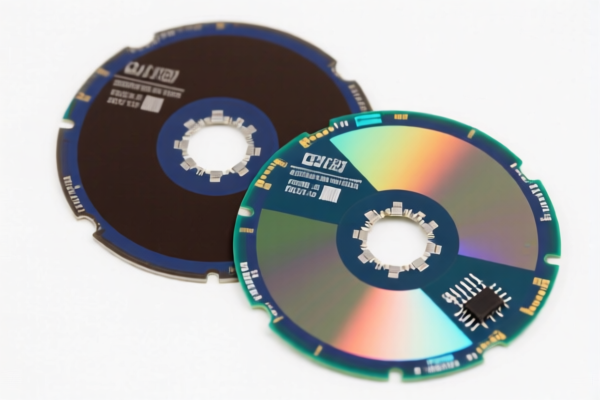
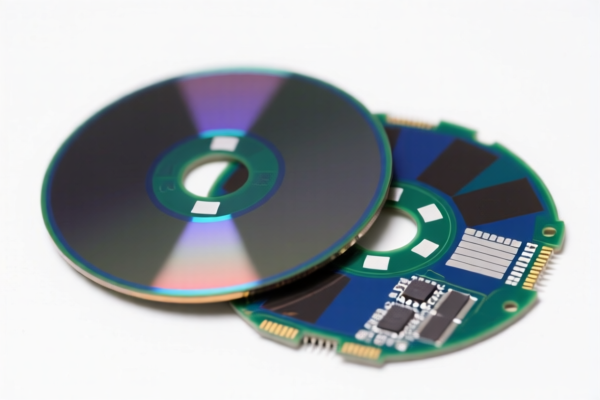
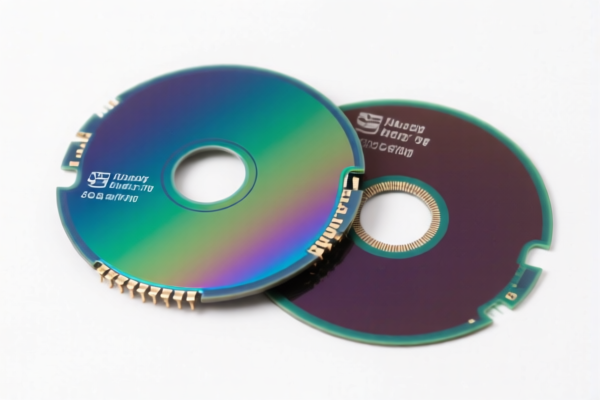
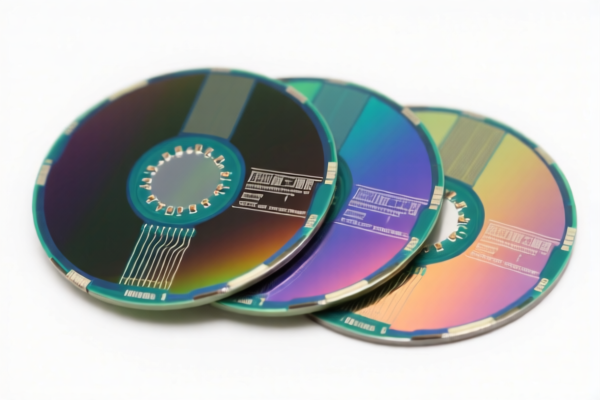
A doped silicon wafer is a foundational semiconductor material used in the manufacturing of electronic components, including Light Emitting Diodes (LEDs) and other optoelectronic devices. - Material: Silicon (Si), often modified with doping agents (e.g., boron, phosphorus) to alter its electrical properties. - Form: Thin slices (wafers), typically in the form of chips, dies, or substrates. - Application: Used as a substrate or active layer in LED manufacturing, semiconductor devices, and integrated circuits.
⚠️ Critical Classification Distinction:
- Undeposited/Unassembled Chips/Wafers: If the silicon wafer is in a raw, semi-finished state (not yet assembled into a complete LED package), it is classified under Chapter 85 (Electrical machinery/electronic components).
- Chemical/Compound Forms: If classified based purely on material preparation without specific electronic device intent, it may fall under Chapter 38 (Chemical products). However, for LED-specific applications, Chapter 85 is more precise.
📦 II. HS Code Classification Details (2026 Latest Tariff Alignment)
Based on the provided data, the following HS Codes are applicable for "Doped Silicon Wafer for LED":
| HS Code | Product Description | Applicability | Reason for Classification |
|---|---|---|---|
| 8541.10.00.40 | Electronic devices using doped silicon wafers; material is silicon, form is slice; matches uninstalled chips, dies, and wafers in the diode category. | Semiconductor substrates for diodes/LEDs | ✅ Matches "uninstalled chips/dies/wafers" under diode classification. |
| 3818.00.00.20 | Doped silicon wafers for electronic devices; material is polysilicon/doped; purpose is electronic industry; fully consistent with classification explanations. | Pure material classification | ✅ Based on material (doped silicon) and industrial use. |
| 3818.00.00.95 | Doped silicon wafers for electronic devices; belongs to doped compound forms for electronic industry; matches inference principles based on material. | Alternative material classification | ✅ General category for doped electronic materials. |
| 8541.59.00.40 | Doped silicon wafers for electronic devices; belongs to the wafer category; doping attributes match semiconductor device material characteristics; fits uninstalled chips/dies/wafers classification. | Semiconductor wafers for LEDs | ✅ Specifically covers wafers for semiconductor devices like LEDs. |
🔍 Key Reminder:
- Chapter 85 (8541.xx) is preferred if the wafer is explicitly intended for diodes/LEDs and fits the "uninstalled chip/wafer" definition.
- Chapter 38 (3818.xx) may be used if classified purely as a chemical/material product without explicit electronic device intent.
- Note: All listed HS Codes in the provided data incur the same tax rate.
💰 III. 2026 Latest Tariff Rate Breakdown (Including Surtaxes & Policy Add-ons)
✅ Applicable Country: United States (US)
✅ Origin: China (CN)
✅ Effective Date: From November 10, 2025 (including subsequent imports)
🎯 1. 8541.10.00.40 —— Doped Silicon Wafer (Diode Category)
| Item | Detail |
|---|---|
| Basic Tariff | 0% (ad valorem) |
| Section 301 Surcharge | +50% (Section 301 tariffs on Chinese goods) |
| Section 122 Tariff | +10% (Specific add-on for certain semiconductor materials) |
| Total Tax Rate | 60% |
| Tax Calculation | CIF Value × 60% |
| De Minimis Eligibility | ❌ Not Eligible (deny_de_minimis) |
| Legal Basis Path | Section 301 → Section 122 → USITC:8541.10.00.40 |
📌 Explanation:
- 50% Section 301 Tariff: Applied to Chinese-origin semiconductor materials as part of broader trade restrictions.
- 10% Section 122 Tariff: Additional levy on specific electronic components/materials.
- Total 60%: High tariff burden; requires careful cost analysis.
🎯 2. 3818.00.00.20 —— Doped Silicon Wafer (Electronic Industry Material)
| Item | Detail |
|---|---|
| Basic Tariff | 0% |
| Section 301 Surcharge | +50% |
| Section 122 Tariff | +10% |
| Total Tax Rate | 60% |
| Tax Calculation | CIF Value × 60% |
| De Minimis Eligibility | ❌ Not Eligible |
| Legal Basis Path | Section 301 → Section 122 → USITC:3818.00.00.20 |
📌 Note:
- Same tax structure as8541.10.00.40.
- Classification depends on whether the product is viewed as a device component (Chapter 85) or raw material (Chapter 38).
🎯 3. 3818.00.00.95 —— Doped Silicon Wafer (General Electronic Compound)
| Item | Detail |
|---|---|
| Basic Tariff | 0% |
| Section 301 Surcharge | +50% |
| Section 122 Tariff | +10% |
| Total Tax Rate | 60% |
| Tax Calculation | CIF Value × 60% |
| De Minimis Eligibility | ❌ Not Eligible |
| Legal Basis Path | Section 301 → Section 122 → USITC:3818.00.00.95 |
🎯 4. 8541.59.00.40 —— Doped Silicon Wafer (Semiconductor Wafer)
| Item | Detail |
|---|---|
| Basic Tariff | 0% |
| Section 301 Surcharge | +50% |
| Section 122 Tariff | +10% |
| Total Tax Rate | 60% |
| Tax Calculation | CIF Value × 60% |
| De Minimis Eligibility | ❌ Not Eligible |
| Legal Basis Path | Section 301 → Section 122 → USITC:8541.59.00.40 |
📌 Note:
- This code is most appropriate if the wafer is explicitly for semiconductor devices like LEDs.
- Tax rate remains 60%.
🛠️ IV. Customs Clearance Practical Advice (Field Tips & Pitfall Avoidance)
✅ 1. Required Documentation Checklist (All Must Be Provided)
| Document | Required | Notes |
|---|---|---|
| ✅ Product Specification Sheet | ✔️ | Must include doping type (p-type/n-type), crystal orientation, thickness, and resistivity. |
| ✅ Certificate of Origin (CO) | ✔️ | Essential for verifying Chinese origin; may affect tariff eligibility if alternatives exist. |
| ✅ Commercial Invoice | ✔️ | Clearly state: "Doped Silicon Wafer for LED/semiconductor device," including HS Code. |
| ✅ Packing List | ✔️ | Detail packaging to prevent damage; specify quantity and weight. |
| ✅ Technical Data Sheet (TDS) | ✔️ | Provides detailed material properties for customs valuation and classification. |
| ✅ Import License (if applicable) | ✔️ | Some semiconductor materials may require additional permits. |
✅ 2. Declaration Tips (Key Mantras)
🔥 "Be Specific: Name it Right, Classify it Tight, Avoid the 60% Bite!"
| Scenario | Correct Declaration | Common Mistake |
|---|---|---|
| Raw Silicon Wafer for LED | 8541.59.00.40 or 8541.10.00.40 |
Vague description like "Silicon" → Risk of misclassification. |
| Doped Polysilicon for Electronics | 3818.00.00.20 |
Classifying as "chemical" without context → Potential audit. |
| Pre-packaged LED Substrates | Ensure "unassembled" status is clear | Declaring as "LED components" → May trigger different HS codes. |
✅ 3. Special Handling Cases
| Situation | Recommendation |
|---|---|
| High-Value Wafer | Use Section 321 De Minimis exemption? ❌ No, explicitly denied for these HS codes. |
| Third-Country Transshipment | If shipped via Vietnam/Mexico, provide proof of substantial transformation to avoid US Section 301 tariffs. |
| Customs Examination | Be prepared to provide crystal structure diagrams and doping concentration reports to justify Chapter 85 vs. Chapter 38. |
🌍 V. Global Market Customs Comparison (2026 Latest)
| Country/Region | Recommended HS Code | Tariff Rate (China Origin) | Notes |
|---|---|---|---|
| 🇺🇸 USA | 8541.59.00.40 / 3818.00.00.20 |
60% | Includes 50% Section 301 + 10% Section 122. |
| 🇨🇳 China | 3818.00.00.20 |
~5-10% | Lower import duties; no Section 301. |
| 🇪🇺 EU | 3818.00.00.20 |
~0-5% | Check for anti-dumping duties on silicon. |
| 🇯🇵 Japan | 3818.00.00.20 |
~0-3% | Generally low tariffs; focus on safety compliance. |
📌 Conclusion:
- USA imposes the highest tariff burden (60%) due to Section 301 and Section 122.
- Consider supply chain diversification (e.g., sourcing from non-China origins) if targeting the US market.
- For non-US markets, tariffs are significantly lower, but compliance with local safety/environmental standards is key.
📌 VI. Common Mistakes & Pitfall Avoidance (Lessons Learned)
❌ Mistake 1: Declaring "Silicon Wafer" without specifying doping or application.
👉 Consequence: Customs may reclassify under a higher-tariff code or require additional documentation, causing delays.
❌ Mistake 2: Ignoring Section 122 Tariffs.
👉 Consequence: Underpayment of 10% → Penalties and back taxes.
❌ Mistake 3: Assuming De Minimis exemption applies.
👉 Consequence: Shipments seized or returned; fines applied.
✅ Correct Approach:
"Doped Silicon Wafer, p-type, 200mm diameter, for LED substrate manufacturing, HS Code: 8541.59.00.40, Origin: China."
🎯 VII. Conclusion: Precise Classification, Cost Control, Smooth Clearance!
🎯 Remember:
🔹 "Doped Silicon for LED? Classify under 8541 or 3818.
🔹 60% Tax in the US? Plan ahead, diversify supply, or negotiate costs!
🔹 "Details matter: Specify doping, application, and form to avoid penalties!"**
📌 Pro Tip:
If your silicon wafers are not originally from China (e.g., from Thailand, Germany, or South Korea), you may avoid Section 301 tariffs. Always verify the Country of Origin on certificates.
📣 Action Step:
📞 Consult a licensed customs broker + Provide Technical Data Sheets + Apply for Advance Ruling if unsure.
🚀 Ensure smooth clearance, minimize costs, and stay compliant!
✨ Professional customs clearance starts with accurate classification!
💼 Every percentage point of tax saves you money!
用户评价
关于 HS 编码归类
协调制度(HS)是由世界海关组织(WCO)制定的国际贸易商品分类标准。全球 200 多个国家采用 HS 系统作为海关关税、贸易统计和进出口监管的基础。
每个 HS 编码遵循以下层级结构:
- 章(2 位)——商品大类(例如:第 84 章:机器和机械设备)
- 品目(4 位)——章内的更具体分类
- 子目(6 位)——国际通用细分,所有 WCO 成员国统一使用
- 本国细分(8-10 位)——各国自行扩展的细分编码,如美国 HTSUS 10 位编码
正确的 HS 编码归类对于顺利通关、准确缴纳关税和遵守贸易法规至关重要。错误归类可能导致海关延误、多缴关税或罚款。
从CN进口到US时,适用的关税税率可能包括:
- 最惠国(MFN)税率——适用于 WTO 成员国的标准关税税率
- 普通税率——适用于无贸易协定国家
- 贸易救济关税——附加关税,如 301 条款(反倾销)、232 条款(国家安全)或反补贴税
本页内容仅供参考。如需正式归类,请咨询当地海关或持牌报关代理。