doped silicon wafer for led
CN → US| HS Code | Tariff Rate | Origin | Destination | Doc |
|---|---|---|---|---|
| 8541100040 | 60.0% | CN | US | Official Doc |
| 3818000020 | 60.0% | CN | US | Official Doc |
| 3818000095 | 60.0% | CN | US | Official Doc |
| 8541590040 | 60.0% | CN | US | Official Doc |
Product Images
AI Analysis
🌟 Doped Silicon Wafer for LED (Light Emitting Diode Applications)
🌐 HS Code Reference & Customs Clearance Guide | 2026 Latest Tariff Analysis | Professional Clearance Strategy
📌 I. Product Definition: What is a "Doped Silicon Wafer for LED"?
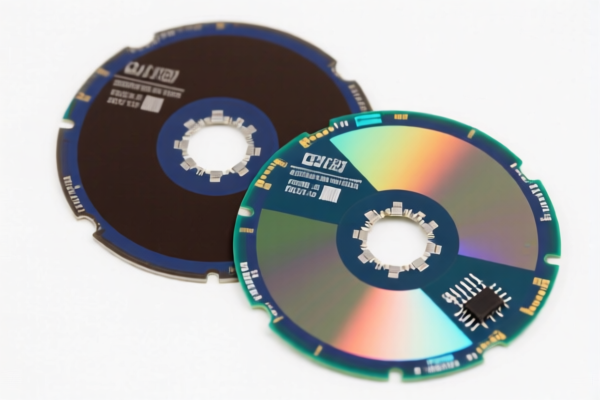
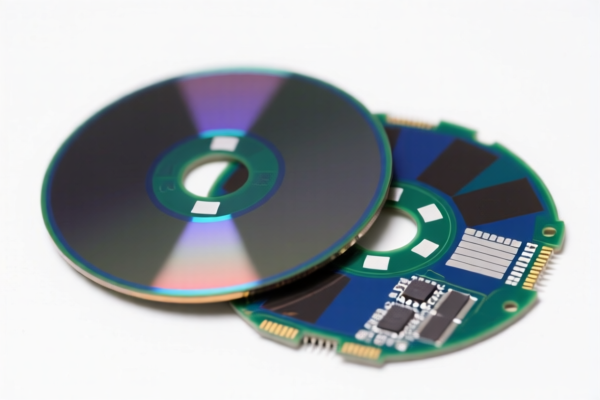
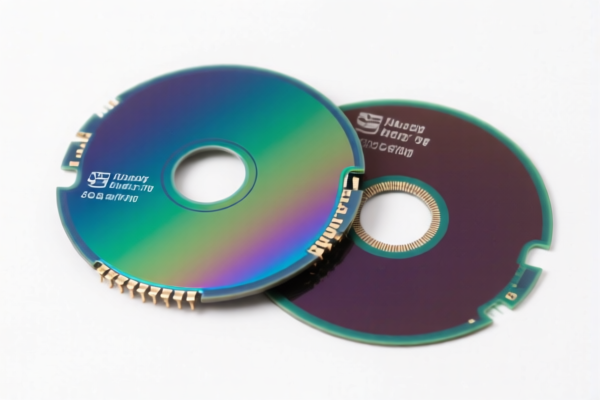
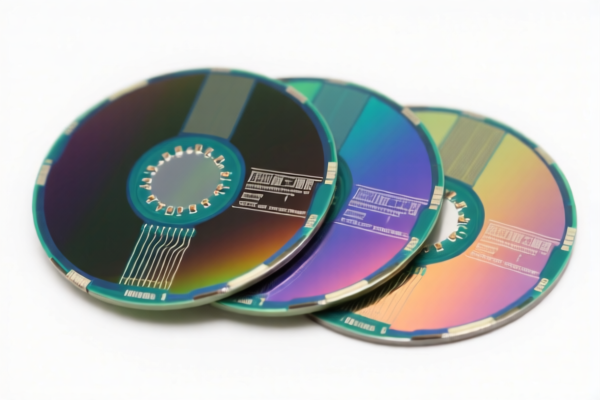
A doped silicon wafer is a foundational semiconductor material used in the manufacturing of electronic components, including Light Emitting Diodes (LEDs) and other optoelectronic devices. - Material: Silicon (Si), often modified with doping agents (e.g., boron, phosphorus) to alter its electrical properties. - Form: Thin slices (wafers), typically in the form of chips, dies, or substrates. - Application: Used as a substrate or active layer in LED manufacturing, semiconductor devices, and integrated circuits.
⚠️ Critical Classification Distinction:
- Undeposited/Unassembled Chips/Wafers: If the silicon wafer is in a raw, semi-finished state (not yet assembled into a complete LED package), it is classified under Chapter 85 (Electrical machinery/electronic components).
- Chemical/Compound Forms: If classified based purely on material preparation without specific electronic device intent, it may fall under Chapter 38 (Chemical products). However, for LED-specific applications, Chapter 85 is more precise.
📦 II. HS Code Classification Details (2026 Latest Tariff Alignment)
Based on the provided data, the following HS Codes are applicable for "Doped Silicon Wafer for LED":
| HS Code | Product Description | Applicability | Reason for Classification |
|---|---|---|---|
| 8541.10.00.40 | Electronic devices using doped silicon wafers; material is silicon, form is slice; matches uninstalled chips, dies, and wafers in the diode category. | Semiconductor substrates for diodes/LEDs | ✅ Matches "uninstalled chips/dies/wafers" under diode classification. |
| 3818.00.00.20 | Doped silicon wafers for electronic devices; material is polysilicon/doped; purpose is electronic industry; fully consistent with classification explanations. | Pure material classification | ✅ Based on material (doped silicon) and industrial use. |
| 3818.00.00.95 | Doped silicon wafers for electronic devices; belongs to doped compound forms for electronic industry; matches inference principles based on material. | Alternative material classification | ✅ General category for doped electronic materials. |
| 8541.59.00.40 | Doped silicon wafers for electronic devices; belongs to the wafer category; doping attributes match semiconductor device material characteristics; fits uninstalled chips/dies/wafers classification. | Semiconductor wafers for LEDs | ✅ Specifically covers wafers for semiconductor devices like LEDs. |
🔍 Key Reminder:
- Chapter 85 (8541.xx) is preferred if the wafer is explicitly intended for diodes/LEDs and fits the "uninstalled chip/wafer" definition.
- Chapter 38 (3818.xx) may be used if classified purely as a chemical/material product without explicit electronic device intent.
- Note: All listed HS Codes in the provided data incur the same tax rate.
💰 III. 2026 Latest Tariff Rate Breakdown (Including Surtaxes & Policy Add-ons)
✅ Applicable Country: United States (US)
✅ Origin: China (CN)
✅ Effective Date: From November 10, 2025 (including subsequent imports)
🎯 1. 8541.10.00.40 —— Doped Silicon Wafer (Diode Category)
| Item | Detail |
|---|---|
| Basic Tariff | 0% (ad valorem) |
| Section 301 Surcharge | +50% (Section 301 tariffs on Chinese goods) |
| Section 122 Tariff | +10% (Specific add-on for certain semiconductor materials) |
| Total Tax Rate | 60% |
| Tax Calculation | CIF Value × 60% |
| De Minimis Eligibility | ❌ Not Eligible (deny_de_minimis) |
| Legal Basis Path | Section 301 → Section 122 → USITC:8541.10.00.40 |
📌 Explanation:
- 50% Section 301 Tariff: Applied to Chinese-origin semiconductor materials as part of broader trade restrictions.
- 10% Section 122 Tariff: Additional levy on specific electronic components/materials.
- Total 60%: High tariff burden; requires careful cost analysis.
🎯 2. 3818.00.00.20 —— Doped Silicon Wafer (Electronic Industry Material)
| Item | Detail |
|---|---|
| Basic Tariff | 0% |
| Section 301 Surcharge | +50% |
| Section 122 Tariff | +10% |
| Total Tax Rate | 60% |
| Tax Calculation | CIF Value × 60% |
| De Minimis Eligibility | ❌ Not Eligible |
| Legal Basis Path | Section 301 → Section 122 → USITC:3818.00.00.20 |
📌 Note:
- Same tax structure as8541.10.00.40.
- Classification depends on whether the product is viewed as a device component (Chapter 85) or raw material (Chapter 38).
🎯 3. 3818.00.00.95 —— Doped Silicon Wafer (General Electronic Compound)
| Item | Detail |
|---|---|
| Basic Tariff | 0% |
| Section 301 Surcharge | +50% |
| Section 122 Tariff | +10% |
| Total Tax Rate | 60% |
| Tax Calculation | CIF Value × 60% |
| De Minimis Eligibility | ❌ Not Eligible |
| Legal Basis Path | Section 301 → Section 122 → USITC:3818.00.00.95 |
🎯 4. 8541.59.00.40 —— Doped Silicon Wafer (Semiconductor Wafer)
| Item | Detail |
|---|---|
| Basic Tariff | 0% |
| Section 301 Surcharge | +50% |
| Section 122 Tariff | +10% |
| Total Tax Rate | 60% |
| Tax Calculation | CIF Value × 60% |
| De Minimis Eligibility | ❌ Not Eligible |
| Legal Basis Path | Section 301 → Section 122 → USITC:8541.59.00.40 |
📌 Note:
- This code is most appropriate if the wafer is explicitly for semiconductor devices like LEDs.
- Tax rate remains 60%.
🛠️ IV. Customs Clearance Practical Advice (Field Tips & Pitfall Avoidance)
✅ 1. Required Documentation Checklist (All Must Be Provided)
| Document | Required | Notes |
|---|---|---|
| ✅ Product Specification Sheet | ✔️ | Must include doping type (p-type/n-type), crystal orientation, thickness, and resistivity. |
| ✅ Certificate of Origin (CO) | ✔️ | Essential for verifying Chinese origin; may affect tariff eligibility if alternatives exist. |
| ✅ Commercial Invoice | ✔️ | Clearly state: "Doped Silicon Wafer for LED/semiconductor device," including HS Code. |
| ✅ Packing List | ✔️ | Detail packaging to prevent damage; specify quantity and weight. |
| ✅ Technical Data Sheet (TDS) | ✔️ | Provides detailed material properties for customs valuation and classification. |
| ✅ Import License (if applicable) | ✔️ | Some semiconductor materials may require additional permits. |
✅ 2. Declaration Tips (Key Mantras)
🔥 "Be Specific: Name it Right, Classify it Tight, Avoid the 60% Bite!"
| Scenario | Correct Declaration | Common Mistake |
|---|---|---|
| Raw Silicon Wafer for LED | 8541.59.00.40 or 8541.10.00.40 |
Vague description like "Silicon" → Risk of misclassification. |
| Doped Polysilicon for Electronics | 3818.00.00.20 |
Classifying as "chemical" without context → Potential audit. |
| Pre-packaged LED Substrates | Ensure "unassembled" status is clear | Declaring as "LED components" → May trigger different HS codes. |
✅ 3. Special Handling Cases
| Situation | Recommendation |
|---|---|
| High-Value Wafer | Use Section 321 De Minimis exemption? ❌ No, explicitly denied for these HS codes. |
| Third-Country Transshipment | If shipped via Vietnam/Mexico, provide proof of substantial transformation to avoid US Section 301 tariffs. |
| Customs Examination | Be prepared to provide crystal structure diagrams and doping concentration reports to justify Chapter 85 vs. Chapter 38. |
🌍 V. Global Market Customs Comparison (2026 Latest)
| Country/Region | Recommended HS Code | Tariff Rate (China Origin) | Notes |
|---|---|---|---|
| 🇺🇸 USA | 8541.59.00.40 / 3818.00.00.20 |
60% | Includes 50% Section 301 + 10% Section 122. |
| 🇨🇳 China | 3818.00.00.20 |
~5-10% | Lower import duties; no Section 301. |
| 🇪🇺 EU | 3818.00.00.20 |
~0-5% | Check for anti-dumping duties on silicon. |
| 🇯🇵 Japan | 3818.00.00.20 |
~0-3% | Generally low tariffs; focus on safety compliance. |
📌 Conclusion:
- USA imposes the highest tariff burden (60%) due to Section 301 and Section 122.
- Consider supply chain diversification (e.g., sourcing from non-China origins) if targeting the US market.
- For non-US markets, tariffs are significantly lower, but compliance with local safety/environmental standards is key.
📌 VI. Common Mistakes & Pitfall Avoidance (Lessons Learned)
❌ Mistake 1: Declaring "Silicon Wafer" without specifying doping or application.
👉 Consequence: Customs may reclassify under a higher-tariff code or require additional documentation, causing delays.
❌ Mistake 2: Ignoring Section 122 Tariffs.
👉 Consequence: Underpayment of 10% → Penalties and back taxes.
❌ Mistake 3: Assuming De Minimis exemption applies.
👉 Consequence: Shipments seized or returned; fines applied.
✅ Correct Approach:
"Doped Silicon Wafer, p-type, 200mm diameter, for LED substrate manufacturing, HS Code: 8541.59.00.40, Origin: China."
🎯 VII. Conclusion: Precise Classification, Cost Control, Smooth Clearance!
🎯 Remember:
🔹 "Doped Silicon for LED? Classify under 8541 or 3818.
🔹 60% Tax in the US? Plan ahead, diversify supply, or negotiate costs!
🔹 "Details matter: Specify doping, application, and form to avoid penalties!"**
📌 Pro Tip:
If your silicon wafers are not originally from China (e.g., from Thailand, Germany, or South Korea), you may avoid Section 301 tariffs. Always verify the Country of Origin on certificates.
📣 Action Step:
📞 Consult a licensed customs broker + Provide Technical Data Sheets + Apply for Advance Ruling if unsure.
🚀 Ensure smooth clearance, minimize costs, and stay compliant!
✨ Professional customs clearance starts with accurate classification!
💼 Every percentage point of tax saves you money!
Customer Reviews
About HS Code Classification
The Harmonized System (HS) is an internationally standardized nomenclature developed by the World Customs Organization (WCO) to classify traded products. Over 200 countries use the HS system as the basis for customs tariffs, trade statistics, and import/export regulations.
Each HS code follows a hierarchical structure:
- Chapter (2 digits) — Broad category of goods (e.g., Chapter 84: Machinery and Mechanical Appliances)
- Heading (4 digits) — More specific grouping within the chapter
- Subheading (6 digits) — Internationally standardized breakdown, used by all WCO member countries
- National subdivisions (8-10 digits) — Country-specific extensions for further classification, such as US HTSUS 10-digit codes
Correct HS code classification is essential for smooth customs clearance, accurate duty payment, and compliance with trade regulations. Misclassification can lead to customs delays, overpayment of duties, or penalties.
When importing from CN to US, the applicable tariff rates may include:
- Most-Favored-Nation (MFN) rate — The standard duty rate applied to WTO members
- General rate — Applied to countries without trade agreements
- Trade remedy duties — Additional tariffs such as Section 301 (anti-dumping), Section 232 (national security), or countervailing duties
The information provided on this page is for reference purposes only. For official classification, please consult with your local customs authority or a licensed customs broker.