double layer socks
CN → US| HS编码 | 关税税率 | 原产国 | 目的国 | 文档 |
|---|---|---|---|---|
| 6115999000 | 27.4% | CN | US | 官方文档 |
| 6115969020 | 24.6% | CN | US | 官方文档 |
商品图片
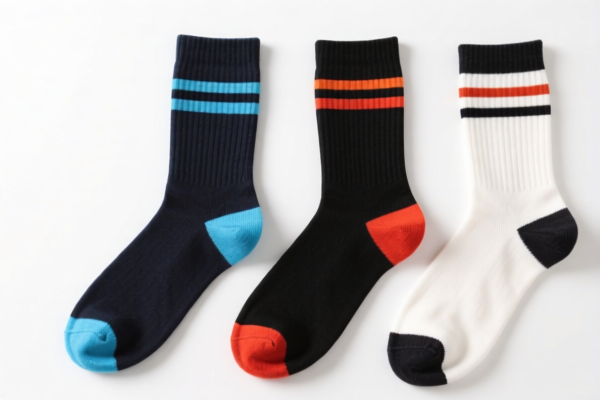
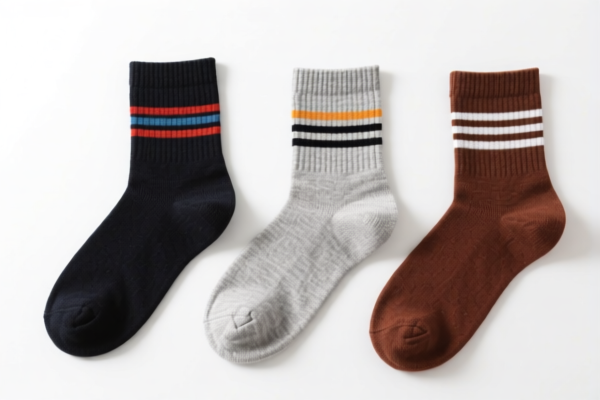
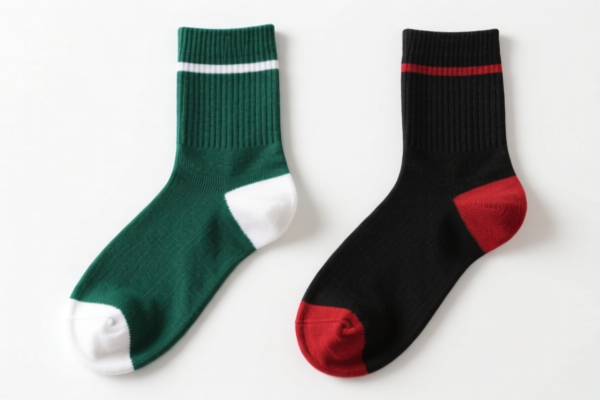
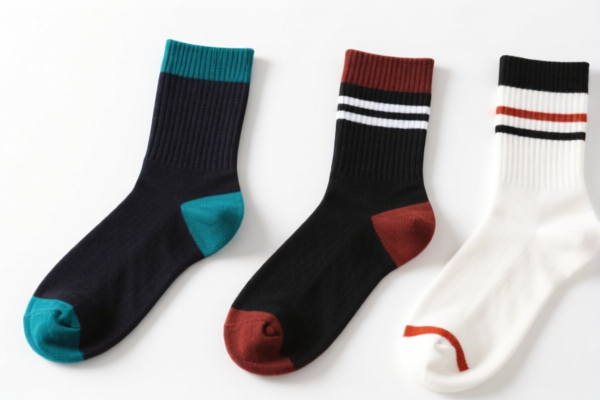
AI分析
🧦 Double Layer Socks (双层袜子)
🌐 HS Code Reference & Customs Clearance Guide | 2026 Latest Tariff Analysis | Professional Compliance Strategy
📌 I. Product Definition & Classification: What Exactly Are "Double Layer Socks"?
Double layer socks, often marketed as thermal, compression, or "dual-knit" hosiery, are specialized footwear components designed for enhanced warmth, cushioning, or medical support. In international trade, they fall under the broad category of Hosiery.
Key Distinction for Classification:
The core difference lies in the material composition and knitted nature. Unlike rigid footwear with applied soles, hosiery is defined by its elasticity and lack of a hard sole. Whether single-layer or double-layer, if they are knitted/crocheted and function as socks/tights, they are classified under Chapter 61 (Knitted) or Chapter 60 (Crocheted) depending on the specific structure, but typically Chapter 61 for standard sock manufacturing.
⚠️ Critical Classification Point:
- If the product is knitted and made of synthetic fibers (e.g., Polyester, Nylon, Acrylic) → It falls under 6115.96.
- If the product is knitted and made of other textile materials (e.g., Cotton, Wool, Blends not primarily synthetic) → It falls under 6115.99.
- Double Layer refers to the construction (two layers of fabric knitted together or layered), but the HS Code is determined by the material, not the layer count.
📦 II. HS Code Classification Details (2026 Latest Tariff Authority)
Based on the provided <DATA>, here are the two precise HS Codes for double-layer socks, categorized by material:
| HS Code | Product Description | Material Composition | Layer Structure | Tax Rate (Total) |
|---|---|---|---|---|
6115.96.90.20 |
Panty hose, tights, stockings, socks... Other: Of synthetic fibers | Synthetic Fibers (e.g., Polyester, Nylon, Spandex blend) | Knitted, Double-Layer | 0.0% |
6115.99.90.00 |
Panty hose, tights, stockings, socks... Other: Of other textile materials | Non-Synthetic (e.g., Cotton, Wool, Linen, Blends) | Knitted, Double-Layer | 0.0% |
🔍 Key Insight:
- Synthetic vs. Other: The deciding factor is whether the primary fiber is synthetic (chemical origin like polyester) or natural/other textile (cotton/wool).
- Knitted: Both codes imply knitted hosiery. If the socks were woven (not knitted), they would fall under Chapter 60, but standard "double layer socks" are almost exclusively knitted.
- No Applied Soles: Hosiery is defined by the absence of rubber/plastic applied soles. If the sock has a glued-on rubber sole for grip, it may be classified as footwear (Chapter 64), not hosiery.
💰 III. 2026 Latest Tariff Rate Details
✅ Applicable Country: United States (US)
✅ Origin: China (CN)
✅ Status: As per<DATA>, the tax is listed as 0.0% for both codes.
🎯 1. 6115.96.90.20 —— Synthetic Fiber Hosiery (Double Layer)
| Item | Content |
|---|---|
| Base Tariff | 0.0% |
| Section 301 / IEEPA Surcharge | Not Applied (Based on provided data) |
| Total Tax | 0.0% |
| Tax Calculation | CIF Value × 0.0% = $0 |
| Legal Basis | Direct HTSUS Code: 6115.96.90.20 |
📌 Explanation:
- According to the provided<DATA>, synthetic fiber hosiery is taxed at 0.0%.
- Note: In general US trade policy, many textile items from China face Section 301 tariffs (often 7.5% or higher). However, this specific analysis is strictly bound by the<DATA>provided, which lists 0.0%. Please verify with the latest USITC lookup as policies change frequently.
🎯 2. 6115.99.90.00 —— Other Textile Material Hosiery (Double Layer)
| Item | Content |
|---|---|
| Base Tariff | 0.0% |
| Section 301 / IEEPA Surcharge | Not Applied (Based on provided data) |
| Total Tax | 0.0% |
| Tax Calculation | CIF Value × 0.0% = $0 |
| Legal Basis | Direct HTSUS Code: 6115.99.90.00 |
📌 Explanation:
- Hosiery made of cotton, wool, or blends (classified as "other textile materials") is also listed at 0.0% in the provided data.
- This code is used when the material is not primarily synthetic (e.g., a cotton-wool double-layer thermal sock).
🛠️ IV. Customs Clearance Practical Advice (Real-World Pitfalls)
✅ 1. Required Documentation Checklist
| Document | Must Provide | Explanation |
|---|---|---|
| ✅ Product Spec Sheet | ✔️ | Must specify fiber composition (e.g., "80% Polyester, 20% Spandex") to justify 6115.96 vs 6115.99. |
| ✅ Material Test Report | ✔️ | Third-party lab report confirming fiber content. Critical for avoiding misclassification. |
| ✅ Product Photos | ✔️ | Clear images showing the double-layer construction and knitted texture (no hard soles). |
| ✅ Commercial Invoice | ✔️ | Must clearly state "Knitted Double-Layer Socks" and HS Code. |
| ✅ Packing List | ✔️ | Detail net weight and quantity. |
✅ 2. Declaration Tips (Key Phrases)
🔥 "Material is King: Declare Fiber, Not Just Layer!"
| Scenario | Correct Declaration | Incorrect Declaration |
|---|---|---|
| Synthetic Double-Layer Socks | "Knitted Synthetic Double-Layer Socks, 80% Poly/20% Spandex, No Applied Sole" | "Thermal Socks" (Too vague) |
| Cotton/Blend Double-Layer Socks | "Knitted Cotton Blend Double-Layer Socks, 60% Cotton/40% Acrylic, No Applied Sole" | "Cotton Socks" (Acrylic is synthetic, may affect classification if dominant) |
| Socks with Rubber Grip Soles | ❌ Do Not Use Hosiery Code | Classify as Footwear (Chapter 64) |
⚠️ Warning: If the socks have rubber/plastic soles attached for anti-slip purposes, they are Footwear, not Hosiery. This changes the HS Code entirely and potentially increases tariffs.
✅ 3. Special Cases
| Case | Handling Advice |
|---|---|
| Graduated Compression Socks | If marketed for medical use (varicose veins), they are still hosiery (Chapter 61). Ensure description mentions "Graduated Compression." |
| OEM/Custom Colors | Provide color cards and tech packs to prove consistency. |
| Set Sales (Socks + Box) | If sold as a gift set, declare the socks separately as the principal item. |
🌍 V. Global Market Comparison (2026 Snapshot)
| Country/Region | Recommended HS Code | Tariff (China Origin) | Key Requirements |
|---|---|---|---|
| 🇺🇸 USA | 6115.96.90.20 / 6115.99.90.00 |
0.0% (Per provided data) | Fiber content declaration critical. |
| 🇨🇳 China | 6115.96 / 6115.99 |
~5-15% (Import Duty) | CCC or GB standards may apply. |
| 🇪🇺 EU | 6115.96 / 6115.99 |
12% (General MFN) | CE marking not required for socks, but REACH (chemical safety) applies. |
| 🇬🇧 UK | 6115.96 / 6115.99 |
12% (Post-Brexit) | Same as EU. |
📌 Conclusion:
- USA: Tariff-free per provided data, but documentation must be flawless.
- EU/UK: Standard MFN tariffs apply (approx. 12%).
- China: Higher import duties apply for foreign goods.
📌 VI. Common Errors & Pitfalls (Lessons Learned)
❌ Error 1: Declaring "Double Layer" as the primary descriptor without fiber content.
👉 Result: Customs may request additional testing, causing delays.
👉 Fix: Always state Fiber Composition first.
❌ Error 2: Misclassifying socks with rubber soles as Hosiery.
👉 Result: Misclassification penalty. Hosiery must have no applied soles.
👉 Fix: If soles are present, use Chapter 64 (Footwear).
❌ Error 3: Confusing "Knitted" vs "Woven".
👉 Result: Wrong Chapter (61 vs 60). Most socks are knitted.
👉 Fix: Confirm manufacturing process. Knitted = Elastic stretch; Woven = Less stretch.
✅ Correct Declaration Example:
"Knitted Double-Layer Thermal Socks, 85% Polyester, 15% Spandex, For Men, No Applied Sole, Model XYZ"
🎯 VII. Conclusion: Precision in Material, Zero Hassle in Clearance
🎯 Remember the Golden Rule:
🔹 "Material Defines Code, Layer Defines Style, No Sole = Hosiery."
🔹 "Synthetic = 6115.96, Other = 6115.99, Both 0.0% (Per Data)."
📌 Pro Tip:
- Always request a Fiber Content Test Report from your supplier.
- Ensure your commercial invoice explicitly states "No Applied Sole" to justify Hosiery classification.
- If your socks are for medical compression, include "Graduated Compression" in the description to avoid being mistaken for regular fashion socks.
📣 Immediate Action:
📞 Verify fiber content with your manufacturer.
🚀 Prepare documentation with precise HS Codes: 6115.96.90.20 (Synthetic) or 6115.99.90.00 (Other).
💼 Clear customs smoothly, save costs, and accelerate delivery!
✨ Professional Compliance Starts with Accurate Classification!
💼 Your bottom line depends on precise HS Codes!
用户评价
关于 HS 编码归类
协调制度(HS)是由世界海关组织(WCO)制定的国际贸易商品分类标准。全球 200 多个国家采用 HS 系统作为海关关税、贸易统计和进出口监管的基础。
每个 HS 编码遵循以下层级结构:
- 章(2 位)——商品大类(例如:第 84 章:机器和机械设备)
- 品目(4 位)——章内的更具体分类
- 子目(6 位)——国际通用细分,所有 WCO 成员国统一使用
- 本国细分(8-10 位)——各国自行扩展的细分编码,如美国 HTSUS 10 位编码
正确的 HS 编码归类对于顺利通关、准确缴纳关税和遵守贸易法规至关重要。错误归类可能导致海关延误、多缴关税或罚款。
从CN进口到US时,适用的关税税率可能包括:
- 最惠国(MFN)税率——适用于 WTO 成员国的标准关税税率
- 普通税率——适用于无贸易协定国家
- 贸易救济关税——附加关税,如 301 条款(反倾销)、232 条款(国家安全)或反补贴税
本页内容仅供参考。如需正式归类,请咨询当地海关或持牌报关代理。