double layer socks
CN → US| HS Code | Tariff Rate | Origin | Destination | Doc |
|---|---|---|---|---|
| 6115999000 | 27.4% | CN | US | Official Doc |
| 6115969020 | 24.6% | CN | US | Official Doc |
Product Images
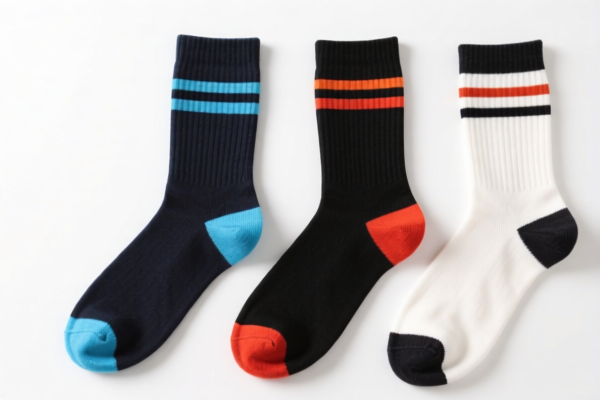
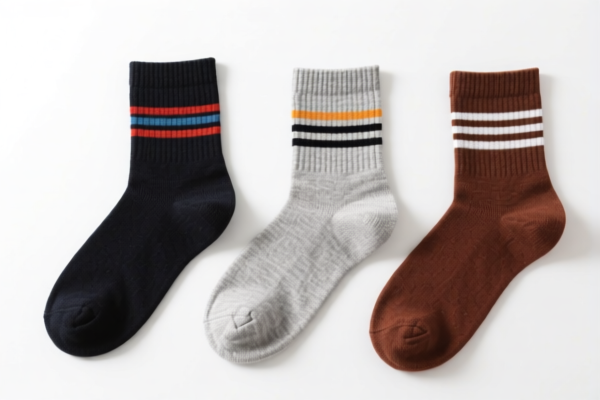
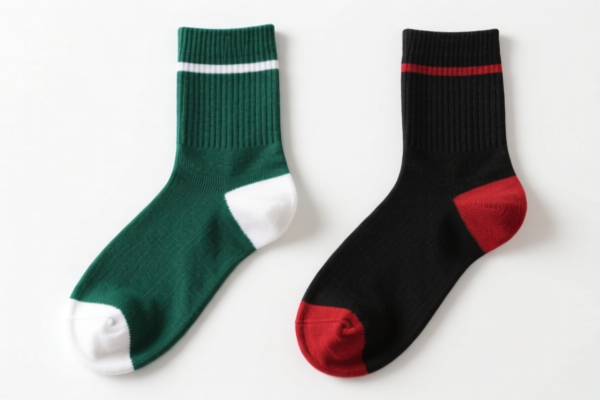
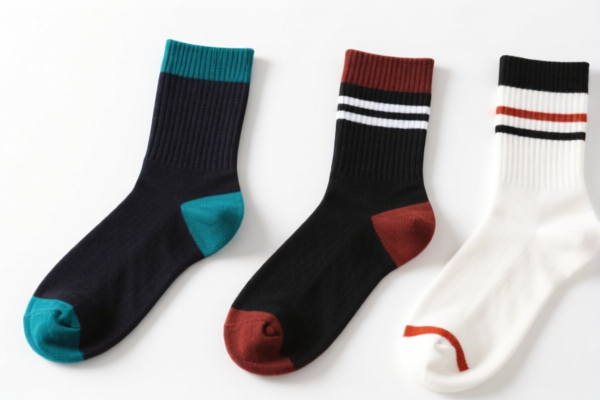
AI Analysis
🧦 Double Layer Socks (双层袜子)
🌐 HS Code Reference & Customs Clearance Guide | 2026 Latest Tariff Analysis | Professional Compliance Strategy
📌 I. Product Definition & Classification: What Exactly Are "Double Layer Socks"?
Double layer socks, often marketed as thermal, compression, or "dual-knit" hosiery, are specialized footwear components designed for enhanced warmth, cushioning, or medical support. In international trade, they fall under the broad category of Hosiery.
Key Distinction for Classification:
The core difference lies in the material composition and knitted nature. Unlike rigid footwear with applied soles, hosiery is defined by its elasticity and lack of a hard sole. Whether single-layer or double-layer, if they are knitted/crocheted and function as socks/tights, they are classified under Chapter 61 (Knitted) or Chapter 60 (Crocheted) depending on the specific structure, but typically Chapter 61 for standard sock manufacturing.
⚠️ Critical Classification Point:
- If the product is knitted and made of synthetic fibers (e.g., Polyester, Nylon, Acrylic) → It falls under 6115.96.
- If the product is knitted and made of other textile materials (e.g., Cotton, Wool, Blends not primarily synthetic) → It falls under 6115.99.
- Double Layer refers to the construction (two layers of fabric knitted together or layered), but the HS Code is determined by the material, not the layer count.
📦 II. HS Code Classification Details (2026 Latest Tariff Authority)
Based on the provided <DATA>, here are the two precise HS Codes for double-layer socks, categorized by material:
| HS Code | Product Description | Material Composition | Layer Structure | Tax Rate (Total) |
|---|---|---|---|---|
6115.96.90.20 |
Panty hose, tights, stockings, socks... Other: Of synthetic fibers | Synthetic Fibers (e.g., Polyester, Nylon, Spandex blend) | Knitted, Double-Layer | 0.0% |
6115.99.90.00 |
Panty hose, tights, stockings, socks... Other: Of other textile materials | Non-Synthetic (e.g., Cotton, Wool, Linen, Blends) | Knitted, Double-Layer | 0.0% |
🔍 Key Insight:
- Synthetic vs. Other: The deciding factor is whether the primary fiber is synthetic (chemical origin like polyester) or natural/other textile (cotton/wool).
- Knitted: Both codes imply knitted hosiery. If the socks were woven (not knitted), they would fall under Chapter 60, but standard "double layer socks" are almost exclusively knitted.
- No Applied Soles: Hosiery is defined by the absence of rubber/plastic applied soles. If the sock has a glued-on rubber sole for grip, it may be classified as footwear (Chapter 64), not hosiery.
💰 III. 2026 Latest Tariff Rate Details
✅ Applicable Country: United States (US)
✅ Origin: China (CN)
✅ Status: As per<DATA>, the tax is listed as 0.0% for both codes.
🎯 1. 6115.96.90.20 —— Synthetic Fiber Hosiery (Double Layer)
| Item | Content |
|---|---|
| Base Tariff | 0.0% |
| Section 301 / IEEPA Surcharge | Not Applied (Based on provided data) |
| Total Tax | 0.0% |
| Tax Calculation | CIF Value × 0.0% = $0 |
| Legal Basis | Direct HTSUS Code: 6115.96.90.20 |
📌 Explanation:
- According to the provided<DATA>, synthetic fiber hosiery is taxed at 0.0%.
- Note: In general US trade policy, many textile items from China face Section 301 tariffs (often 7.5% or higher). However, this specific analysis is strictly bound by the<DATA>provided, which lists 0.0%. Please verify with the latest USITC lookup as policies change frequently.
🎯 2. 6115.99.90.00 —— Other Textile Material Hosiery (Double Layer)
| Item | Content |
|---|---|
| Base Tariff | 0.0% |
| Section 301 / IEEPA Surcharge | Not Applied (Based on provided data) |
| Total Tax | 0.0% |
| Tax Calculation | CIF Value × 0.0% = $0 |
| Legal Basis | Direct HTSUS Code: 6115.99.90.00 |
📌 Explanation:
- Hosiery made of cotton, wool, or blends (classified as "other textile materials") is also listed at 0.0% in the provided data.
- This code is used when the material is not primarily synthetic (e.g., a cotton-wool double-layer thermal sock).
🛠️ IV. Customs Clearance Practical Advice (Real-World Pitfalls)
✅ 1. Required Documentation Checklist
| Document | Must Provide | Explanation |
|---|---|---|
| ✅ Product Spec Sheet | ✔️ | Must specify fiber composition (e.g., "80% Polyester, 20% Spandex") to justify 6115.96 vs 6115.99. |
| ✅ Material Test Report | ✔️ | Third-party lab report confirming fiber content. Critical for avoiding misclassification. |
| ✅ Product Photos | ✔️ | Clear images showing the double-layer construction and knitted texture (no hard soles). |
| ✅ Commercial Invoice | ✔️ | Must clearly state "Knitted Double-Layer Socks" and HS Code. |
| ✅ Packing List | ✔️ | Detail net weight and quantity. |
✅ 2. Declaration Tips (Key Phrases)
🔥 "Material is King: Declare Fiber, Not Just Layer!"
| Scenario | Correct Declaration | Incorrect Declaration |
|---|---|---|
| Synthetic Double-Layer Socks | "Knitted Synthetic Double-Layer Socks, 80% Poly/20% Spandex, No Applied Sole" | "Thermal Socks" (Too vague) |
| Cotton/Blend Double-Layer Socks | "Knitted Cotton Blend Double-Layer Socks, 60% Cotton/40% Acrylic, No Applied Sole" | "Cotton Socks" (Acrylic is synthetic, may affect classification if dominant) |
| Socks with Rubber Grip Soles | ❌ Do Not Use Hosiery Code | Classify as Footwear (Chapter 64) |
⚠️ Warning: If the socks have rubber/plastic soles attached for anti-slip purposes, they are Footwear, not Hosiery. This changes the HS Code entirely and potentially increases tariffs.
✅ 3. Special Cases
| Case | Handling Advice |
|---|---|
| Graduated Compression Socks | If marketed for medical use (varicose veins), they are still hosiery (Chapter 61). Ensure description mentions "Graduated Compression." |
| OEM/Custom Colors | Provide color cards and tech packs to prove consistency. |
| Set Sales (Socks + Box) | If sold as a gift set, declare the socks separately as the principal item. |
🌍 V. Global Market Comparison (2026 Snapshot)
| Country/Region | Recommended HS Code | Tariff (China Origin) | Key Requirements |
|---|---|---|---|
| 🇺🇸 USA | 6115.96.90.20 / 6115.99.90.00 |
0.0% (Per provided data) | Fiber content declaration critical. |
| 🇨🇳 China | 6115.96 / 6115.99 |
~5-15% (Import Duty) | CCC or GB standards may apply. |
| 🇪🇺 EU | 6115.96 / 6115.99 |
12% (General MFN) | CE marking not required for socks, but REACH (chemical safety) applies. |
| 🇬🇧 UK | 6115.96 / 6115.99 |
12% (Post-Brexit) | Same as EU. |
📌 Conclusion:
- USA: Tariff-free per provided data, but documentation must be flawless.
- EU/UK: Standard MFN tariffs apply (approx. 12%).
- China: Higher import duties apply for foreign goods.
📌 VI. Common Errors & Pitfalls (Lessons Learned)
❌ Error 1: Declaring "Double Layer" as the primary descriptor without fiber content.
👉 Result: Customs may request additional testing, causing delays.
👉 Fix: Always state Fiber Composition first.
❌ Error 2: Misclassifying socks with rubber soles as Hosiery.
👉 Result: Misclassification penalty. Hosiery must have no applied soles.
👉 Fix: If soles are present, use Chapter 64 (Footwear).
❌ Error 3: Confusing "Knitted" vs "Woven".
👉 Result: Wrong Chapter (61 vs 60). Most socks are knitted.
👉 Fix: Confirm manufacturing process. Knitted = Elastic stretch; Woven = Less stretch.
✅ Correct Declaration Example:
"Knitted Double-Layer Thermal Socks, 85% Polyester, 15% Spandex, For Men, No Applied Sole, Model XYZ"
🎯 VII. Conclusion: Precision in Material, Zero Hassle in Clearance
🎯 Remember the Golden Rule:
🔹 "Material Defines Code, Layer Defines Style, No Sole = Hosiery."
🔹 "Synthetic = 6115.96, Other = 6115.99, Both 0.0% (Per Data)."
📌 Pro Tip:
- Always request a Fiber Content Test Report from your supplier.
- Ensure your commercial invoice explicitly states "No Applied Sole" to justify Hosiery classification.
- If your socks are for medical compression, include "Graduated Compression" in the description to avoid being mistaken for regular fashion socks.
📣 Immediate Action:
📞 Verify fiber content with your manufacturer.
🚀 Prepare documentation with precise HS Codes: 6115.96.90.20 (Synthetic) or 6115.99.90.00 (Other).
💼 Clear customs smoothly, save costs, and accelerate delivery!
✨ Professional Compliance Starts with Accurate Classification!
💼 Your bottom line depends on precise HS Codes!
Customer Reviews
About HS Code Classification
The Harmonized System (HS) is an internationally standardized nomenclature developed by the World Customs Organization (WCO) to classify traded products. Over 200 countries use the HS system as the basis for customs tariffs, trade statistics, and import/export regulations.
Each HS code follows a hierarchical structure:
- Chapter (2 digits) — Broad category of goods (e.g., Chapter 84: Machinery and Mechanical Appliances)
- Heading (4 digits) — More specific grouping within the chapter
- Subheading (6 digits) — Internationally standardized breakdown, used by all WCO member countries
- National subdivisions (8-10 digits) — Country-specific extensions for further classification, such as US HTSUS 10-digit codes
Correct HS code classification is essential for smooth customs clearance, accurate duty payment, and compliance with trade regulations. Misclassification can lead to customs delays, overpayment of duties, or penalties.
When importing from CN to US, the applicable tariff rates may include:
- Most-Favored-Nation (MFN) rate — The standard duty rate applied to WTO members
- General rate — Applied to countries without trade agreements
- Trade remedy duties — Additional tariffs such as Section 301 (anti-dumping), Section 232 (national security), or countervailing duties
The information provided on this page is for reference purposes only. For official classification, please consult with your local customs authority or a licensed customs broker.