edge bonded plywood
CN → US| HS编码 | 关税税率 | 原产国 | 目的国 | 文档 |
|---|---|---|---|---|
| 4412315270 | 43.0% | CN | US | 官方文档 |
| 4412394031 | 43.0% | CN | US | 官方文档 |
| 4412394039 | 43.0% | CN | US | 官方文档 |
| 3925900000 | 40.3% | CN | US | 官方文档 |
| 3925305000 | 22.8% | CN | US | 官方文档 |
商品图片
AI分析
🪵 Edge Bonded Plywood (and Associated Wood/Plastic Components)
🌐 HS Code Reference & Clearance Guide | 2026 Latest Tariff Rules | Professional Clearance Strategy for US Imports
📌 I. Product Definition & Classification: Understanding "Edge Bonded Plywood"
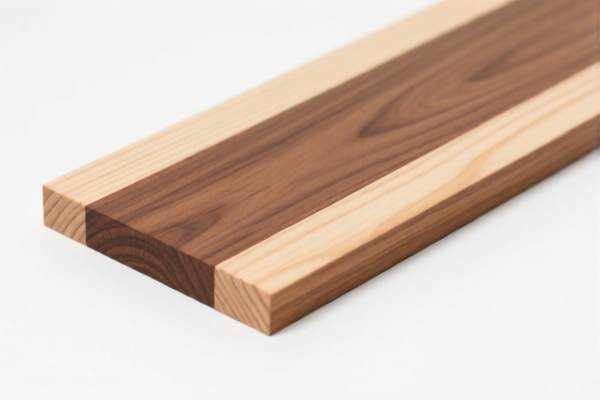
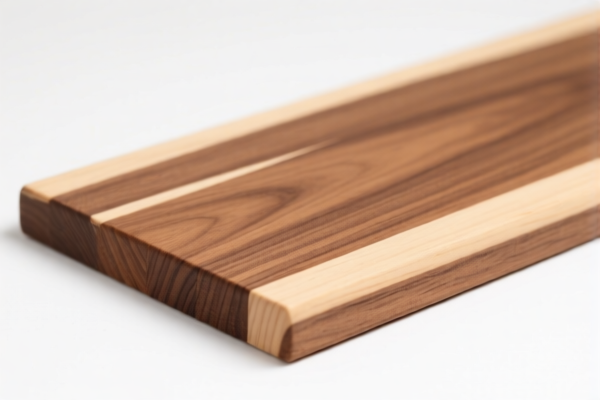
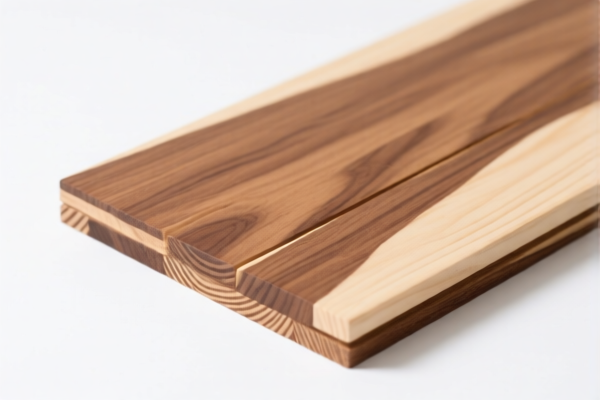
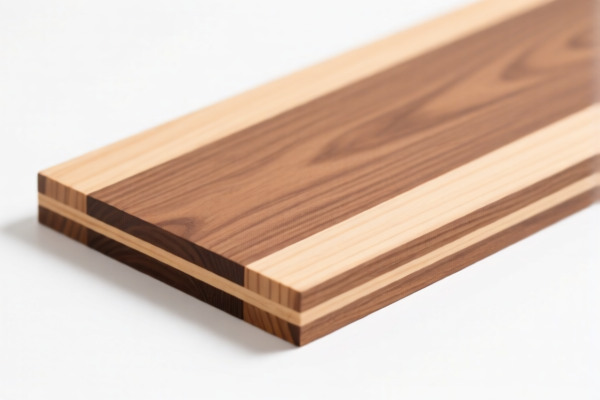
Edge Bonded Plywood is a specialized engineered wood product where the edges of plywood sheets are filled, bonded, or capped with solid wood strips (typically pine) to create a finished, furniture-grade appearance without visible plywood layers. This product is commonly used in high-end cabinetry, furniture manufacturing, and interior decoration.
In international trade, it is strictly classified under Chapter 44: Wood and articles of wood. The classification depends heavily on the wood species (e.g., pine) and the manufacturing process (whether the edge-banding is considered part of the panel or a separate accessory).
⚠️ Key Distinction Point:
- If the product is a plywood sheet with pine edges bonded directly → It is classified as Plywood (HS 4412).
- If the product involves separate plastic edge banding strips used for finishing → These may be classified separately as Plastic Articles (HS 3925), depending on how they are shipped and declared.
📦 II. HS Code Classification Details (2026 Latest Tariff Authority Cross-Reference)
| HS Code | Product Description | Applicable Scenario | Tax Rate (Total) |
|---|---|---|---|
4412.31.52.70 |
Plywood, Material: Wood Products, Form: Plywood | General edge-bonded plywood or plywood with unspecified wood species edges | 43.0% |
4412.39.40.31 |
Pine Edge Bonded Plywood, Material: Pine, Form: Edge Bonded Plywood | Specific to plywood with pine edge banding | 43.0% |
4412.39.40.39 |
Pine Edge Bonded Plywood, Material: Pine, Form: Edge Bonded Plywood (Other/Catch-all) | Pine edge-bonded plywood not fitting specific sub-categories (fallback category) | 43.0% |
3925.90.00.00 |
Edge Banding Strips, Material: Plastic, Purpose: Construction/Furniture Auxiliary Component | Plastic edge banding strips sold separately or as accessories | 40.3% |
3925.30.50.00 |
Edge Banding Strips, Material: Plastic, Purpose: Building/Furniture配套 Accessories | Plastic edge banding categorized under specific plastic accessories | 22.8% |
🔍 Critical Reminder:
- Wood vs. Plastic: If the edge-banding is wood (pine), it stays in Chapter 44 (Plywood). If it is plastic, it falls under Chapter 39 (Plastic Articles).
- Mixed Shipments: If wood plywood and plastic strips are shipped together, they must be declared separately with distinct HS codes to avoid misclassification penalties.
💰 III. 2026 Latest Tariff Rate Breakdown (Including Surcharges, Policy Add-ons)
✅ Applicable Country: United States (US)
✅ Country of Origin: China (CN)
✅ Effective Date: From November 10, 2025 onwards
🎯 1. Wood Products (HS 4412.31.52.70, 4412.39.40.31, 4412.39.40.39)
| Item | Content |
|---|---|
| Base Duty Rate | 8.0% |
| Section 301 Surcharge | +25.0% |
| IEEPA Surcharge | +10.0% (122 Provision, targeting China/HK products) |
| Total Duty Rate | 43.0% |
| Tax Calculation | CIF Value × 43.0% |
| De Minimis Exemption | ❌ Not Eligible (deny_de_minimis) |
| Legal Basis Path | IEEPA:9903.01.24 → USITC:4412.31/39 → FOOTNOTE:301 |
📌 Explanation:
- "Base Duty 8%": Standard MFN duty for plywood under HTSUS 4412.
- "Section 301 Surcharge 25%": Imposed on Chinese wood products under Trade Act of 1974, Section 301.
- "IEEPA 10%": Additional surcharge under the International Emergency Economic Powers Act, specifically targeting certain Chinese imports (122 Provision).
- Total 43%: This is a high-cost classification. Importers must factor this into pricing strategies.
🎯 2. Plastic Edge Banding (HS 3925.90.00.00)
| Item | Content |
|---|---|
| Base Duty Rate | 5.3% |
| Section 301 Surcharge | +25.0% |
| IEEPA Surcharge | +10.0% |
| Total Duty Rate | 40.3% |
| Tax Calculation | CIF Value × 40.3% |
| De Minimis Exemption | ❌ Not Eligible |
🎯 3. Plastic Edge Banding - Specific Accessories (HS 3925.30.50.00)
| Item | Content |
|---|---|
| Base Duty Rate | 5.3% |
| Section 301 Surcharge | +7.5% (Reduced 301 rate for specific sub-categories) |
| IEEPA Surcharge | +10.0% |
| Total Duty Rate | 22.8% |
| Tax Calculation | CIF Value × 22.8% |
| De Minimis Exemption | ❌ Not Eligible |
📌 Note:
- HS 3925.30.50.00 offers a significantly lower total tax rate (22.8%) compared to the other plastic edge banding code (40.3%).
- Strategy: If possible, classify plastic edge banding under 3925.30.50.00 by providing clear documentation that they are "furniture配套 accessories" rather than general "auxiliary components."
🛠️ IV. Clearance Practical Advice (Real-World Pitfall Guide)
✅ 1. Required Documentation Checklist
| Document | Mandatory? | Description |
|---|---|---|
| ✅ Product Specification Sheet | ✔️ | Must specify wood species (e.g., Pine), edge banding material (Wood/Plastic), dimensions, and adhesive type. |
| ✅ Material Composition Report | ✔️ | Clearly separate wood components from plastic components if mixed. |
| ✅ Commercial Invoice | ✔️ | Must clearly state: "Edge Bonded Plywood (Pine)" or "Plastic Edge Banding Strips." Do not use generic terms like "Wood Panels." |
| ✅ Packing List | ✔️ | Detail each item's HS code separately. Do not bundle wood and plastic under one line item. |
| ✅ Origin Certificate | ✔️ | Essential for determining applicability of IEEPA and Section 301 tariffs. |
✅ 2. Declaration Tips (Key Rules)
🔥 "Separate Materials, Separate Codes! Do Not Bundle Wood and Plastic!"
| Scenario | Correct Declaration | Incorrect Practice |
|---|---|---|
| Plywood with Pine Edges | HS 4412.39.40.31 (or .39) |
Declaring as "General Plywood" (.52.70) → Same tax, but loses specificity |
| Plastic Edge Strips | HS 3925.30.50.00 (Preferred) |
Declaring as 3925.90.00.00 → Pays 40.3% instead of 22.8% |
| Mixed Shipment (Wood + Plastic) | Two separate line items with different HS codes | One line item "Plywood & Accessories" → Risk of audit, penalty, or forced reclassification |
✅ 3. Special Handling Cases
| Situation | Recommendation |
|---|---|
| OEM Custom Plywood | Provide customer orders and technical drawings to prove specific use (e.g., furniture-grade). |
| Plastic vs. Wood Edge Banding | If the edge banding is plastic, ensure it is declared under Chapter 39. If it is wood, it is part of the plywood under Chapter 44. Do not confuse the two. |
| Value Adjustment | Since tariffs are high, ensure FOB/CIF values are accurately declared to avoid under-valuation penalties. |
🌍 V. Global Market Clearance Comparison (2026 Latest)
| Country/Region | Recommended HS Code | Total Tax Rate (China Origin) | Certification Requirements | Notes |
|---|---|---|---|---|
| 🇺🇸 USA | 4412.39.40.31 / 3925.30.50.00 |
43.0% (Wood) / 22.8% (Plastic) | No specific FDA, but must comply with TSCA/Formaldehyde standards | Highest tariffs. Plan logistics carefully. |
| 🇨🇳 China | 4412.39.40.31 |
~5-10% (Import Duty) | CCC (if applicable) | Lower tax burden for domestic consumption. |
| 🇪🇺 EU | 4412.39.90 |
~6-15% (Variable) | CE (if plastic), Formaldehyde E1/E0 standards | No 301/IEEPA surcharges. |
| 🇬🇧 UK | 4412.39.90 |
~6-15% | UKCA Marking (post-Brexit) | Similar to EU rules. |
📌 Conclusion:
- The US market is the most expensive due to the 43% total tax on wood products and 22.8%-40.3% on plastic accessories.
- Cost Optimization: For plastic edge banding, strive to classify under 3925.30.50.00 to save ~17.5% in duties compared to the general plastic category.
📌 VI. Common Mistakes & Pitfall Guide (Lessons Learned)
❌ Mistake 1: Declaring plastic edge banding as "Plywood Accessories" under HS 4412
👉 Consequence: Misclassification. Customs may force reclassification to HS 3925, resulting in 40.3% tax instead of potential lower rates, plus penalties.
❌ Mistake 2: Using generic terms like "Wood Board" on the invoice
👉 Consequence: Customs ambiguity. Leads to delays, inspections, and potential denial of entry.
❌ Mistake 3: Ignoring the "122 Provision" (IEEPA 10%)
👉 Consequence: Underestimating total landed cost. The 43% rate includes this hidden 10% surcharge.
❌ Mistake 4: Mixing wood and plastic in one HS line item
👉 Consequence: If the plastic portion is significant, it may trigger a Chapter 39 audit, leading to higher taxes on the entire shipment.
✅ Correct Approach:
"Pine Edge Bonded Plywood Sheets, 12mm Thickness, for Furniture Use, Origin: China"
"Plastic Edge Banding Strips, PVC Material, for Furniture Edge Finishing, Origin: China"
🎯 VII. Conclusion: Precise Classification Saves Money!
🎯 Remember the Mantra:
🔹 "Wood Edges = 4412 (43%)!"
🔹 "Plastic Edges = 3925.30 (22.8%) vs. 3925.90 (40.3%)! Pick the right code!"
🔹 "Total Tax = Base + 301 + IEEPA! Don't forget the 10%!"
📌 Pro Tip:
- If your plastic edge banding qualifies as "accessories for furniture", aggressively argue for HS 3925.30.50.00 to save 17.5% in duties.
- Always provide material breakdowns in your commercial invoice to support the correct HS code.
📣 Immediate Action:
📞 Contact your customs broker with detailed material specs for edge banding.
🚀 Optimize your HS codes to minimize the 43% burden on wood and 22.8% on plastic.
✨ Professional Clearance, Starting from Precise Classification!
💼 Every cent of tax saved is profit earned!
用户评价
关于 HS 编码归类
协调制度(HS)是由世界海关组织(WCO)制定的国际贸易商品分类标准。全球 200 多个国家采用 HS 系统作为海关关税、贸易统计和进出口监管的基础。
每个 HS 编码遵循以下层级结构:
- 章(2 位)——商品大类(例如:第 84 章:机器和机械设备)
- 品目(4 位)——章内的更具体分类
- 子目(6 位)——国际通用细分,所有 WCO 成员国统一使用
- 本国细分(8-10 位)——各国自行扩展的细分编码,如美国 HTSUS 10 位编码
正确的 HS 编码归类对于顺利通关、准确缴纳关税和遵守贸易法规至关重要。错误归类可能导致海关延误、多缴关税或罚款。
从CN进口到US时,适用的关税税率可能包括:
- 最惠国(MFN)税率——适用于 WTO 成员国的标准关税税率
- 普通税率——适用于无贸易协定国家
- 贸易救济关税——附加关税,如 301 条款(反倾销)、232 条款(国家安全)或反补贴税
本页内容仅供参考。如需正式归类,请咨询当地海关或持牌报关代理。