edge bonded plywood
CN → US| HS Code | Tariff Rate | Origin | Destination | Doc |
|---|---|---|---|---|
| 4412315270 | 43.0% | CN | US | Official Doc |
| 4412394031 | 43.0% | CN | US | Official Doc |
| 4412394039 | 43.0% | CN | US | Official Doc |
| 3925900000 | 40.3% | CN | US | Official Doc |
| 3925305000 | 22.8% | CN | US | Official Doc |
Product Images
AI Analysis
🪵 Edge Bonded Plywood (and Associated Wood/Plastic Components)
🌐 HS Code Reference & Clearance Guide | 2026 Latest Tariff Rules | Professional Clearance Strategy for US Imports
📌 I. Product Definition & Classification: Understanding "Edge Bonded Plywood"
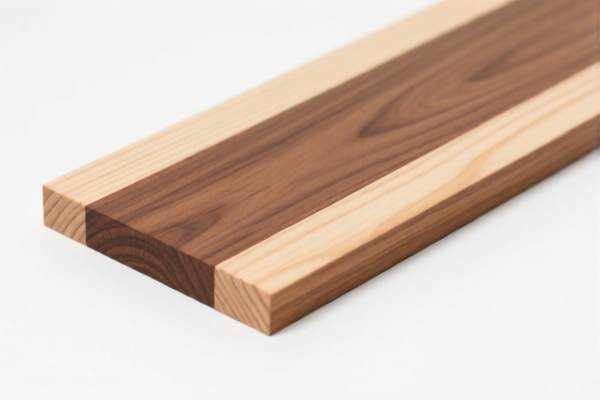
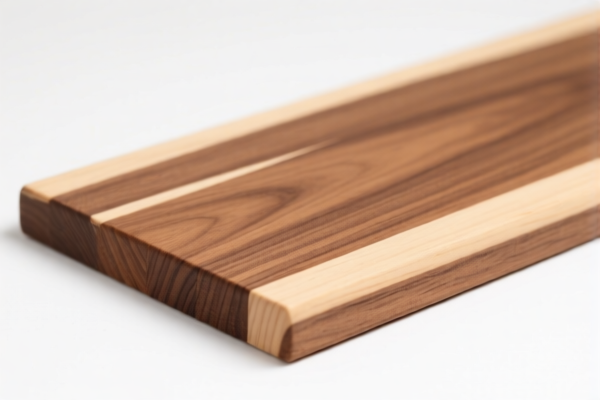
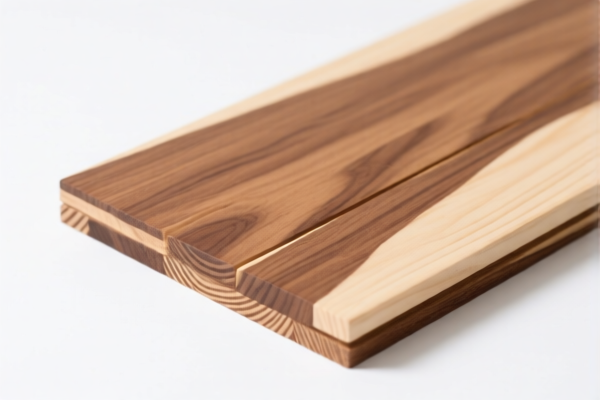
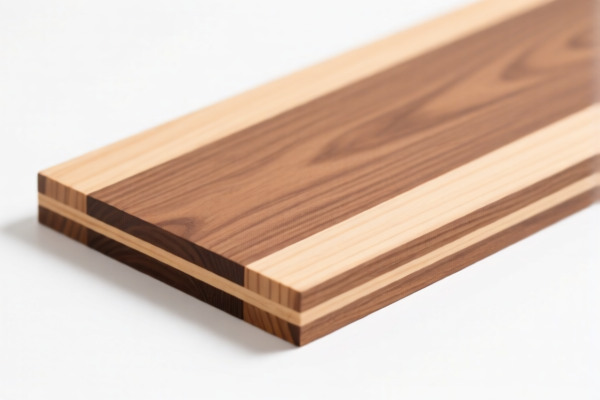
Edge Bonded Plywood is a specialized engineered wood product where the edges of plywood sheets are filled, bonded, or capped with solid wood strips (typically pine) to create a finished, furniture-grade appearance without visible plywood layers. This product is commonly used in high-end cabinetry, furniture manufacturing, and interior decoration.
In international trade, it is strictly classified under Chapter 44: Wood and articles of wood. The classification depends heavily on the wood species (e.g., pine) and the manufacturing process (whether the edge-banding is considered part of the panel or a separate accessory).
⚠️ Key Distinction Point:
- If the product is a plywood sheet with pine edges bonded directly → It is classified as Plywood (HS 4412).
- If the product involves separate plastic edge banding strips used for finishing → These may be classified separately as Plastic Articles (HS 3925), depending on how they are shipped and declared.
📦 II. HS Code Classification Details (2026 Latest Tariff Authority Cross-Reference)
| HS Code | Product Description | Applicable Scenario | Tax Rate (Total) |
|---|---|---|---|
4412.31.52.70 |
Plywood, Material: Wood Products, Form: Plywood | General edge-bonded plywood or plywood with unspecified wood species edges | 43.0% |
4412.39.40.31 |
Pine Edge Bonded Plywood, Material: Pine, Form: Edge Bonded Plywood | Specific to plywood with pine edge banding | 43.0% |
4412.39.40.39 |
Pine Edge Bonded Plywood, Material: Pine, Form: Edge Bonded Plywood (Other/Catch-all) | Pine edge-bonded plywood not fitting specific sub-categories (fallback category) | 43.0% |
3925.90.00.00 |
Edge Banding Strips, Material: Plastic, Purpose: Construction/Furniture Auxiliary Component | Plastic edge banding strips sold separately or as accessories | 40.3% |
3925.30.50.00 |
Edge Banding Strips, Material: Plastic, Purpose: Building/Furniture配套 Accessories | Plastic edge banding categorized under specific plastic accessories | 22.8% |
🔍 Critical Reminder:
- Wood vs. Plastic: If the edge-banding is wood (pine), it stays in Chapter 44 (Plywood). If it is plastic, it falls under Chapter 39 (Plastic Articles).
- Mixed Shipments: If wood plywood and plastic strips are shipped together, they must be declared separately with distinct HS codes to avoid misclassification penalties.
💰 III. 2026 Latest Tariff Rate Breakdown (Including Surcharges, Policy Add-ons)
✅ Applicable Country: United States (US)
✅ Country of Origin: China (CN)
✅ Effective Date: From November 10, 2025 onwards
🎯 1. Wood Products (HS 4412.31.52.70, 4412.39.40.31, 4412.39.40.39)
| Item | Content |
|---|---|
| Base Duty Rate | 8.0% |
| Section 301 Surcharge | +25.0% |
| IEEPA Surcharge | +10.0% (122 Provision, targeting China/HK products) |
| Total Duty Rate | 43.0% |
| Tax Calculation | CIF Value × 43.0% |
| De Minimis Exemption | ❌ Not Eligible (deny_de_minimis) |
| Legal Basis Path | IEEPA:9903.01.24 → USITC:4412.31/39 → FOOTNOTE:301 |
📌 Explanation:
- "Base Duty 8%": Standard MFN duty for plywood under HTSUS 4412.
- "Section 301 Surcharge 25%": Imposed on Chinese wood products under Trade Act of 1974, Section 301.
- "IEEPA 10%": Additional surcharge under the International Emergency Economic Powers Act, specifically targeting certain Chinese imports (122 Provision).
- Total 43%: This is a high-cost classification. Importers must factor this into pricing strategies.
🎯 2. Plastic Edge Banding (HS 3925.90.00.00)
| Item | Content |
|---|---|
| Base Duty Rate | 5.3% |
| Section 301 Surcharge | +25.0% |
| IEEPA Surcharge | +10.0% |
| Total Duty Rate | 40.3% |
| Tax Calculation | CIF Value × 40.3% |
| De Minimis Exemption | ❌ Not Eligible |
🎯 3. Plastic Edge Banding - Specific Accessories (HS 3925.30.50.00)
| Item | Content |
|---|---|
| Base Duty Rate | 5.3% |
| Section 301 Surcharge | +7.5% (Reduced 301 rate for specific sub-categories) |
| IEEPA Surcharge | +10.0% |
| Total Duty Rate | 22.8% |
| Tax Calculation | CIF Value × 22.8% |
| De Minimis Exemption | ❌ Not Eligible |
📌 Note:
- HS 3925.30.50.00 offers a significantly lower total tax rate (22.8%) compared to the other plastic edge banding code (40.3%).
- Strategy: If possible, classify plastic edge banding under 3925.30.50.00 by providing clear documentation that they are "furniture配套 accessories" rather than general "auxiliary components."
🛠️ IV. Clearance Practical Advice (Real-World Pitfall Guide)
✅ 1. Required Documentation Checklist
| Document | Mandatory? | Description |
|---|---|---|
| ✅ Product Specification Sheet | ✔️ | Must specify wood species (e.g., Pine), edge banding material (Wood/Plastic), dimensions, and adhesive type. |
| ✅ Material Composition Report | ✔️ | Clearly separate wood components from plastic components if mixed. |
| ✅ Commercial Invoice | ✔️ | Must clearly state: "Edge Bonded Plywood (Pine)" or "Plastic Edge Banding Strips." Do not use generic terms like "Wood Panels." |
| ✅ Packing List | ✔️ | Detail each item's HS code separately. Do not bundle wood and plastic under one line item. |
| ✅ Origin Certificate | ✔️ | Essential for determining applicability of IEEPA and Section 301 tariffs. |
✅ 2. Declaration Tips (Key Rules)
🔥 "Separate Materials, Separate Codes! Do Not Bundle Wood and Plastic!"
| Scenario | Correct Declaration | Incorrect Practice |
|---|---|---|
| Plywood with Pine Edges | HS 4412.39.40.31 (or .39) |
Declaring as "General Plywood" (.52.70) → Same tax, but loses specificity |
| Plastic Edge Strips | HS 3925.30.50.00 (Preferred) |
Declaring as 3925.90.00.00 → Pays 40.3% instead of 22.8% |
| Mixed Shipment (Wood + Plastic) | Two separate line items with different HS codes | One line item "Plywood & Accessories" → Risk of audit, penalty, or forced reclassification |
✅ 3. Special Handling Cases
| Situation | Recommendation |
|---|---|
| OEM Custom Plywood | Provide customer orders and technical drawings to prove specific use (e.g., furniture-grade). |
| Plastic vs. Wood Edge Banding | If the edge banding is plastic, ensure it is declared under Chapter 39. If it is wood, it is part of the plywood under Chapter 44. Do not confuse the two. |
| Value Adjustment | Since tariffs are high, ensure FOB/CIF values are accurately declared to avoid under-valuation penalties. |
🌍 V. Global Market Clearance Comparison (2026 Latest)
| Country/Region | Recommended HS Code | Total Tax Rate (China Origin) | Certification Requirements | Notes |
|---|---|---|---|---|
| 🇺🇸 USA | 4412.39.40.31 / 3925.30.50.00 |
43.0% (Wood) / 22.8% (Plastic) | No specific FDA, but must comply with TSCA/Formaldehyde standards | Highest tariffs. Plan logistics carefully. |
| 🇨🇳 China | 4412.39.40.31 |
~5-10% (Import Duty) | CCC (if applicable) | Lower tax burden for domestic consumption. |
| 🇪🇺 EU | 4412.39.90 |
~6-15% (Variable) | CE (if plastic), Formaldehyde E1/E0 standards | No 301/IEEPA surcharges. |
| 🇬🇧 UK | 4412.39.90 |
~6-15% | UKCA Marking (post-Brexit) | Similar to EU rules. |
📌 Conclusion:
- The US market is the most expensive due to the 43% total tax on wood products and 22.8%-40.3% on plastic accessories.
- Cost Optimization: For plastic edge banding, strive to classify under 3925.30.50.00 to save ~17.5% in duties compared to the general plastic category.
📌 VI. Common Mistakes & Pitfall Guide (Lessons Learned)
❌ Mistake 1: Declaring plastic edge banding as "Plywood Accessories" under HS 4412
👉 Consequence: Misclassification. Customs may force reclassification to HS 3925, resulting in 40.3% tax instead of potential lower rates, plus penalties.
❌ Mistake 2: Using generic terms like "Wood Board" on the invoice
👉 Consequence: Customs ambiguity. Leads to delays, inspections, and potential denial of entry.
❌ Mistake 3: Ignoring the "122 Provision" (IEEPA 10%)
👉 Consequence: Underestimating total landed cost. The 43% rate includes this hidden 10% surcharge.
❌ Mistake 4: Mixing wood and plastic in one HS line item
👉 Consequence: If the plastic portion is significant, it may trigger a Chapter 39 audit, leading to higher taxes on the entire shipment.
✅ Correct Approach:
"Pine Edge Bonded Plywood Sheets, 12mm Thickness, for Furniture Use, Origin: China"
"Plastic Edge Banding Strips, PVC Material, for Furniture Edge Finishing, Origin: China"
🎯 VII. Conclusion: Precise Classification Saves Money!
🎯 Remember the Mantra:
🔹 "Wood Edges = 4412 (43%)!"
🔹 "Plastic Edges = 3925.30 (22.8%) vs. 3925.90 (40.3%)! Pick the right code!"
🔹 "Total Tax = Base + 301 + IEEPA! Don't forget the 10%!"
📌 Pro Tip:
- If your plastic edge banding qualifies as "accessories for furniture", aggressively argue for HS 3925.30.50.00 to save 17.5% in duties.
- Always provide material breakdowns in your commercial invoice to support the correct HS code.
📣 Immediate Action:
📞 Contact your customs broker with detailed material specs for edge banding.
🚀 Optimize your HS codes to minimize the 43% burden on wood and 22.8% on plastic.
✨ Professional Clearance, Starting from Precise Classification!
💼 Every cent of tax saved is profit earned!
Customer Reviews
About HS Code Classification
The Harmonized System (HS) is an internationally standardized nomenclature developed by the World Customs Organization (WCO) to classify traded products. Over 200 countries use the HS system as the basis for customs tariffs, trade statistics, and import/export regulations.
Each HS code follows a hierarchical structure:
- Chapter (2 digits) — Broad category of goods (e.g., Chapter 84: Machinery and Mechanical Appliances)
- Heading (4 digits) — More specific grouping within the chapter
- Subheading (6 digits) — Internationally standardized breakdown, used by all WCO member countries
- National subdivisions (8-10 digits) — Country-specific extensions for further classification, such as US HTSUS 10-digit codes
Correct HS code classification is essential for smooth customs clearance, accurate duty payment, and compliance with trade regulations. Misclassification can lead to customs delays, overpayment of duties, or penalties.
When importing from CN to US, the applicable tariff rates may include:
- Most-Favored-Nation (MFN) rate — The standard duty rate applied to WTO members
- General rate — Applied to countries without trade agreements
- Trade remedy duties — Additional tariffs such as Section 301 (anti-dumping), Section 232 (national security), or countervailing duties
The information provided on this page is for reference purposes only. For official classification, please consult with your local customs authority or a licensed customs broker.