edge trimming tool
CN → US| HS编码 | 关税税率 | 原产国 | 目的国 | 文档 |
|---|---|---|---|---|
| 8205595560 | 40.3% | CN | US | 官方文档 |
| 8207906000 | 39.3% | CN | US | 官方文档 |
| 8467290090 | 17.5% | CN | US | 官方文档 |
| 8467895090 | 17.5% | CN | US | 官方文档 |
| 8207907585 | 38.7% | CN | US | 官方文档 |
| 8205517500 | 38.7% | CN | US | 官方文档 |
商品图片
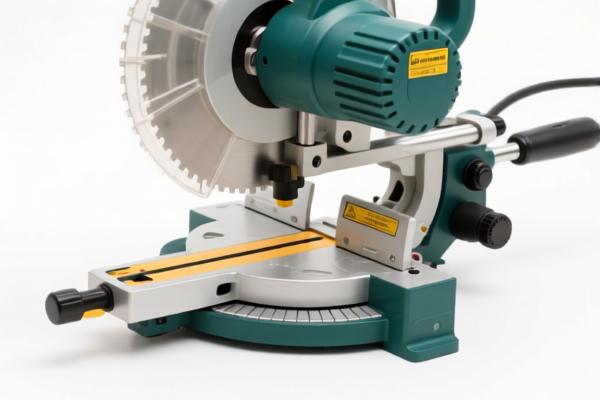
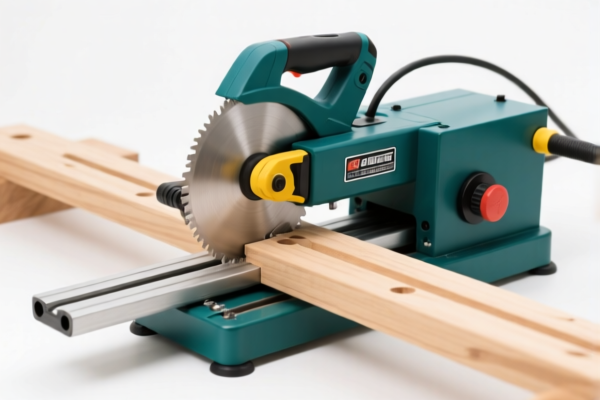
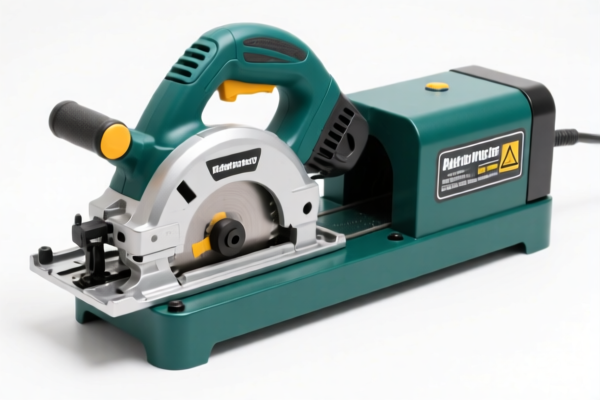
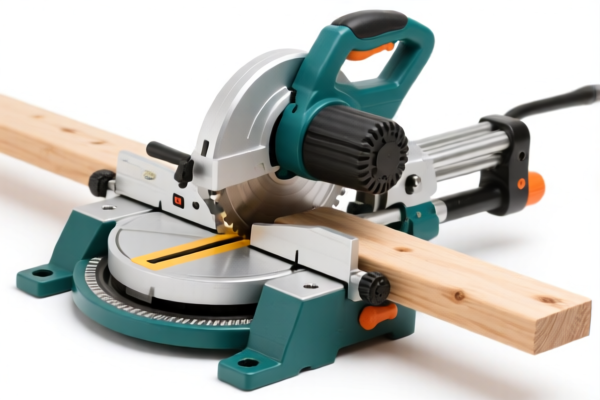
AI分析
✂️ Edge Trimming Tool: The "Classification Minefield"
🌐 HS Code Reference & Customs Clearance Guide | 2026 Tax Matrix Analysis | Strategic Compliance Strategy
📌 I. Product Definition: What Exactly is an "Edge Trimming Tool"?
"Edge Trimming Tool" is a generic term that describes the function rather than the nature of the tool. In international trade, this ambiguity is a major trap. Depending on what drives it (Manual, Electric, or Pneumatic) and what it cuts (Metal vs. Non-Metal), it falls into completely different HS Code chapters.
⚠️ Critical Distinction:
- Manual Tools (Hand-held, no motor) → Chapter 82 (Tools of Base Metal)
- Powered Tools (Electric/Pneumatic) → Chapter 84 (Machinery/Apparatus)
- Interchangeable Tools (Bits/Blades only) → Chapter 82/84 depending on specificity
📦 II. HS Code Classification Matrix (Based on Provided Data)
Below are the 6 possible classifications derived from the input data, ranging from high-tax manual tools to lower-tax powered devices.
🅰️ Category A: Manual Hand Tools (High Tax Burden)
These are tools operated by human force. They are subject to the highest tariffs due to "Section 301" and "122 Clause" additions.
| HS Code | Product Description (Inferred) | Tax Rate | Tax Breakdown | Logic/Summary |
|---|---|---|---|---|
| 8205.59.55.60 | Other Hand Tools (General) | 40.3% | Base: 5.3% + Section 301: 25.0% + Section 122: 10.0% |
Classified as a general hand tool. High base tariff + full punitive taxes apply. |
| 8205.51.75.00 | Other Household Hand Tools | 38.7% | Base: 3.7% + Section 301: 25.0% + Section 122: 10.0% |
Classified as a household tool. Slightly lower base tax, but still heavily penalized. |
| 8207.90.60.00 | Interchangeable Tools (Trimming) | 39.3% | Base: 4.3% + Section 301: 25.0% + Section 122: 10.0% |
Classified as an "Interchangeable Tool" for trimming. Note: Not classified under "Cutting Metal," which avoids some specific prohibitions but keeps high taxes. |
| 8207.90.75.85 | Interchangeable Tools (Non-Metal Cutting) | 38.7% | Base: 3.7% + Section 301: 25.0% + Section 122: 10.0% |
Specifically for trimming/cutting non-metal materials. Logical fit if the tool does not cut steel/metal. |
🔍 Key Insight for Manual Tools:
All manual options incur Base Tax + 35% Punitive Add-ons.
- Section 301 (25%): Standard US tariff on Chinese goods.
- Section 122 (10%): Additional duty targeting specific tool categories.
- Result: Total tax is nearly 40%, making manual tools very expensive to import.
🅱️ Category B: Powered/Driven Tools (Low Tax Burden)
These tools have their own motor (electric) or air source (pneumatic). They benefit from 0% Base Tariffs in many cases.
| HS Code | Product Description (Inferred) | Tax Rate | Tax Breakdown | Logic/Summary |
|---|---|---|---|---|
| 8467.29.00.90 | Powered Hand Tools (Electric) | 17.5% | Base: 0.0% + Section 301: 7.5% + Section 122: 10.0% |
Classified as "Other Powered Hand Tools." Zero base tax significantly reduces total liability. |
| 8467.89.50.90 | Powered Hand Tools (Pneumatic/Electric) | 17.5% | Base: 0.0% + Section 301: 7.5% + Section 122: 10.0% |
Classified as "Other Powered Hand Tools" (e.g., pneumatic trimmers). Same low-tax structure as above. |
🔍 Key Insight for Powered Tools:
The Base Tariff is 0%.
- Section 301 (7.5%): Reduced punitive rate for machinery/tools in this subheading compared to manual tools (25%).
- Section 122 (10%): Still applies.
- Result: Total tax is 17.5%, nearly half of the manual tool rate.
💰 III. Tax Clause Explanation (Why the Huge Difference?)
To understand the cost difference, you must understand the Three-Part Tax Structure:
-
Base Tariff (MFN Rate):
- Manual Tools (Ch 82): Typically 3.7% - 5.3%. The US protects domestic manual tool manufacturing.
- Powered Tools (Ch 84): Typically 0.0%. The US allows duty-free import of complex machinery to support domestic production needs.
-
Section 301 Additional Duty (Trade War Tax):
- List 4A (Hand Tools): 25% additional duty. This is a heavy penalty on manual goods.
- List 4C/Other (Powered Tools): 7.5% additional duty. Machinery and powered equipment face a much lower penalty rate.
-
Section 122 Additional Duty:
- Applies uniformly at 10% across most of these categories.
📊 Cost Comparison:
- Manual Trimmer: $100 Cost → $40.30 Tax
- Electric Trimmer: $100 Cost → $17.50 Tax
- Savings: $22.80 per unit (56% reduction in tax burden).
🛠️ IV. Customs Clearance Advice & Strategic Recommendations
✅ 1. Determine the "Driving Force" First
-
If it has a plug, battery, or air hose:
- Target HS Codes:
8467.29.00.90or8467.89.50.90. - Action: Clearly label the product as "Electric Edge Trimmer" or "Pneumatic Trimming Tool." Provide specs showing voltage/amperage or CFM/PSI requirements.
- Benefit: Avoid the 25% Section 301 tariff; pay only 7.5%.
- Target HS Codes:
-
If it is purely manual (pliers, scrapers, hand files):
- Target HS Codes:
8205.59.55.60,8205.51.75.00,8207.90.60.00, or8207.90.75.85. - Action: Be prepared for ~40% tax. Ensure the description matches the "Interchangeable" vs. "Hand Tool" distinction carefully.
- Target HS Codes:
✅ 2. Avoid the "Metal Cutting" Trap
- If the tool is interchangeable (a bit or blade), ensure it is not classified under "Tools for Cutting Metal" (which may have different, potentially prohibitive restrictions).
- The data suggests
8207.90.75.85is explicitly for non-metal cutting. If your tool cuts plastic, wood, or fabric, use this code to stay compliant with the "not for cutting metal" logic.
✅ 3. Documentation Requirements
| Document | Requirement for Powered Tools (8467) | Requirement for Manual Tools (8205/8207) |
|---|---|---|
| Commercial Invoice | Must state "Electric/Pneumatic," Voltage, Power | Must state "Hand Tool," Material (Steel/Iron) |
| Technical Spec Sheet | Mandatory: Show motor type, RPM, Air Pressure | Recommended: Show material hardness, handle type |
| UL/ETL Certification | Mandatory for Electric tools in the US | Not required |
| Safety Data Sheet | If applicable (e.g., pneumatic oil) | Not required |
✅ 4. Common Pitfalls to Avoid
❌ Mistake 1: Calling an Electric Trimmer a "Hand Tool."
👉 Consequence: Customs may reclassify it as a manual tool (8205...) and charge 40.3% instead of 17.5%.
✅ Fix: Always highlight the motor/power source in the product description.
❌ Mistake 2: Assuming all "Trimming Tools" are the same.
👉 Consequence: Using 8207 (Interchangeable) for a complete handheld device.
✅ Fix:
- Complete device with motor → 8467.
- Just the blade/bit → 8207.
- Complete device, no motor → 8205.
❌ Mistake 3: Ignoring Section 122.
👉 Consequence: Underestimating landed cost.
✅ Fix: Include the 10% Section 122 tax in all pricing models for both manual and powered tools.
🌍 V. Global Market Comparison (2026 Outlook)
| Market | Recommended HS Code | Est. Total Tax | Strategy |
|---|---|---|---|
| 🇺🇸 USA | 8467.29.00.90 (Powered) |
17.5% | Best Option. Use powered classification to minimize duty. |
| 🇺🇸 USA | 8205.59.55.60 (Manual) |
40.3% | Avoid unless no motor exists. High cost impact. |
| 🇪🇺 EU | Similar Codes | ~0-4% | No Section 301/122 taxes. VAT applies only. |
| 🇨🇳 China | Similar Codes | ~0-5% | Low tariffs. Easy clearance. |
🎯 VI. Conclusion: Strategic Selection
The "Edge Trimming Tool" classification is a binary choice:
-
Add Value via Power: If possible, design or source Electric/Pneumatic versions. The tax savings (22.8% less tax) can be passed to customers or kept as margin.
- Code:
8467.29.00.90or8467.89.50.90
- Code:
-
Accept the Manual Penalty: If the product must be manual, ensure it is classified as "Interchangeable" (8207) if it is a bit/blades, or "Hand Tool" (8205) if it is a complete unit.
- Code:
8207.90.75.85(for non-metal) is often the safest logical fit for trimming.
- Code:
🚀 Final Pro Tip:
Apply for an Advance Ruling (Ruling Request) with CBP if the tool is a new hybrid type. Clarify whether it is "Powered" or "Manual" and whether it "Cuts Metal." This prevents post-import audits and surprise bills.
✨ Professional Clearance Starts with Precise Classification!
💼 Every dollar saved in duty is pure profit!
用户评价
关于 HS 编码归类
协调制度(HS)是由世界海关组织(WCO)制定的国际贸易商品分类标准。全球 200 多个国家采用 HS 系统作为海关关税、贸易统计和进出口监管的基础。
每个 HS 编码遵循以下层级结构:
- 章(2 位)——商品大类(例如:第 84 章:机器和机械设备)
- 品目(4 位)——章内的更具体分类
- 子目(6 位)——国际通用细分,所有 WCO 成员国统一使用
- 本国细分(8-10 位)——各国自行扩展的细分编码,如美国 HTSUS 10 位编码
正确的 HS 编码归类对于顺利通关、准确缴纳关税和遵守贸易法规至关重要。错误归类可能导致海关延误、多缴关税或罚款。
从CN进口到US时,适用的关税税率可能包括:
- 最惠国(MFN)税率——适用于 WTO 成员国的标准关税税率
- 普通税率——适用于无贸易协定国家
- 贸易救济关税——附加关税,如 301 条款(反倾销)、232 条款(国家安全)或反补贴税
本页内容仅供参考。如需正式归类,请咨询当地海关或持牌报关代理。